
Una guía completa para profesionales de las adquisiciones: evaluación y selección de proveedores de robots Delta y SCARA de alta calidad
In the fast-paced world of industrial automation, selecting the right robot supplier is a critical decision that directly impacts production efficiency, product quality, and return on investment. For procurement professionals tasked with sourcing Delta (parallel/spider) and SCARA robots, navigating a crowded market requires a structured, criteria-driven approach. This guide provides a practical framework to help you identify, evaluate, and select a supplier that aligns with your technical requirements, operational needs, and strategic goals.
1. Defining Your Application Requirements: The Foundation
Before engaging with suppliers, clearly define your application's core parameters. This initial step filters out unsuitable options and focuses discussions on viable solutions.
Task & Payload
- Delta Robots: Ideal for ultra-high-speed, light-duty tasks. Define the maximum payload (e.g., 0.5kg to 6kg is common) and cycle times (picks per minute). Applications include Delta robot pick and place for food items, pharmaceuticals, or small electronics, and Delta robot for sorting on conveyor lines.
- SCARA Robots: Suited for fast, precise assembly and handling within a plane. Define payload (e.g., 3kg to 20kg), reach, and required repeatability. Key for SCARA robot for assembly, screw driving, and precision component placement.
Workspace & Precision
- Map the required working envelope (diameter and height for Delta; X, Y, Z, and rotation for SCARA).
- Determine the necessary repeatability (e.g., ±0.1mm for a High-precision SCARA robot or ±0.02mm for a High-precision delta robot in delicate packaging).
Environment & Integration
- Will the robot operate in a cleanroom, food-grade, or washdown environment? This dictates material and IP ratings.
- Identify necessary peripheral integrations: vision systems, conveyors, end-of-arm tooling (EOAT), and PLC communication protocols (EtherCAT, PROFINET, etc.).
2. Core Supplier Evaluation Criteria
With your requirements defined, assess potential suppliers against these critical dimensions.
2.1 Technical Capability and Product Portfolio
A robust portfolio indicates R&D depth and application experience.
- Range and Specialization: Does the supplier offer a comprehensive range (e.g., 4-axis delta robot models, High-speed delta robot variants, SCARA robot system configurations) tailored to industries like food packaging or electronics? A supplier like Robotphoenix, for instance, focuses specifically on Delta and SCARA robots for packaging and sorting, offering both standardized systems and custom solutions.
- Performance Data: Request detailed datasheets with certified performance metrics (speed, precision, MTBF).
- Control System: Evaluate the proprietary or integrated controller's user-friendliness, programming software, and support for advanced functions like vision-guided motion.
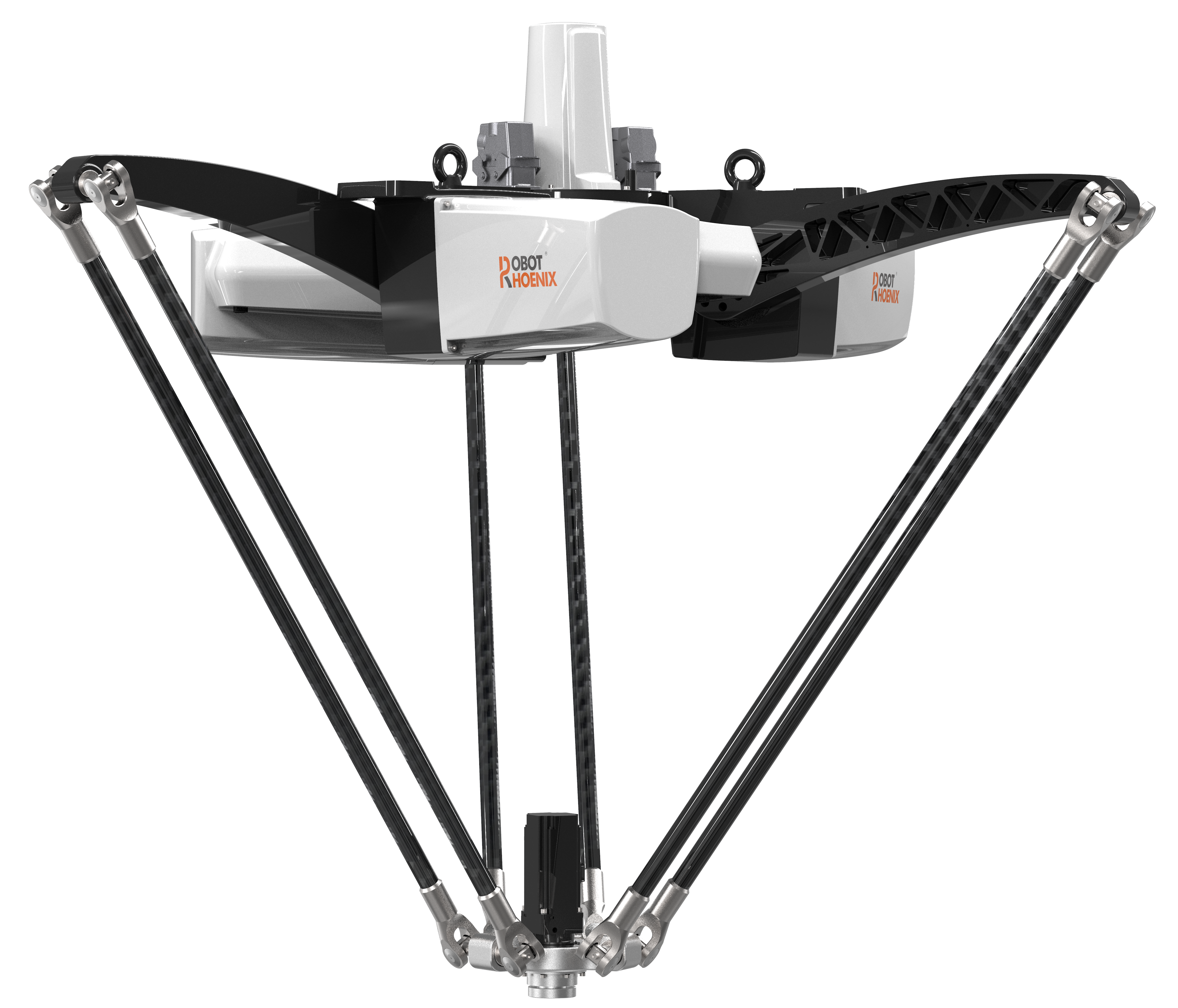
A high-speed Delta robot model, such as the Bat1300M-S15, is engineered for demanding pick-and-place applications requiring exceptional cycle times.
2.2 Manufacturing Quality and Certifications
Certifications are non-negotiable proof of compliance, safety, and quality management.
- International Standards: Mandatory certifications include CE Marking (encompassing Machinery Directive and EMC Directive) for the European market. Certificates like the "CE Machinery Conformity Certificate for Parallel Robots" are essential.
- Quality & Environmental Systems: ISO 9001 (Quality Management), ISO 14001 (Environmental Management), and ISO 45001 (Occupational Health & Safety) demonstrate a mature operational framework. Suppliers like Robotphoenix hold these Three Management Systems (QMS, EMS, OHSMS) certifications.
- Material Compliance: RoHS and REACH certifications ensure the robots are free from hazardous substances, crucial for electronics and food contact applications.
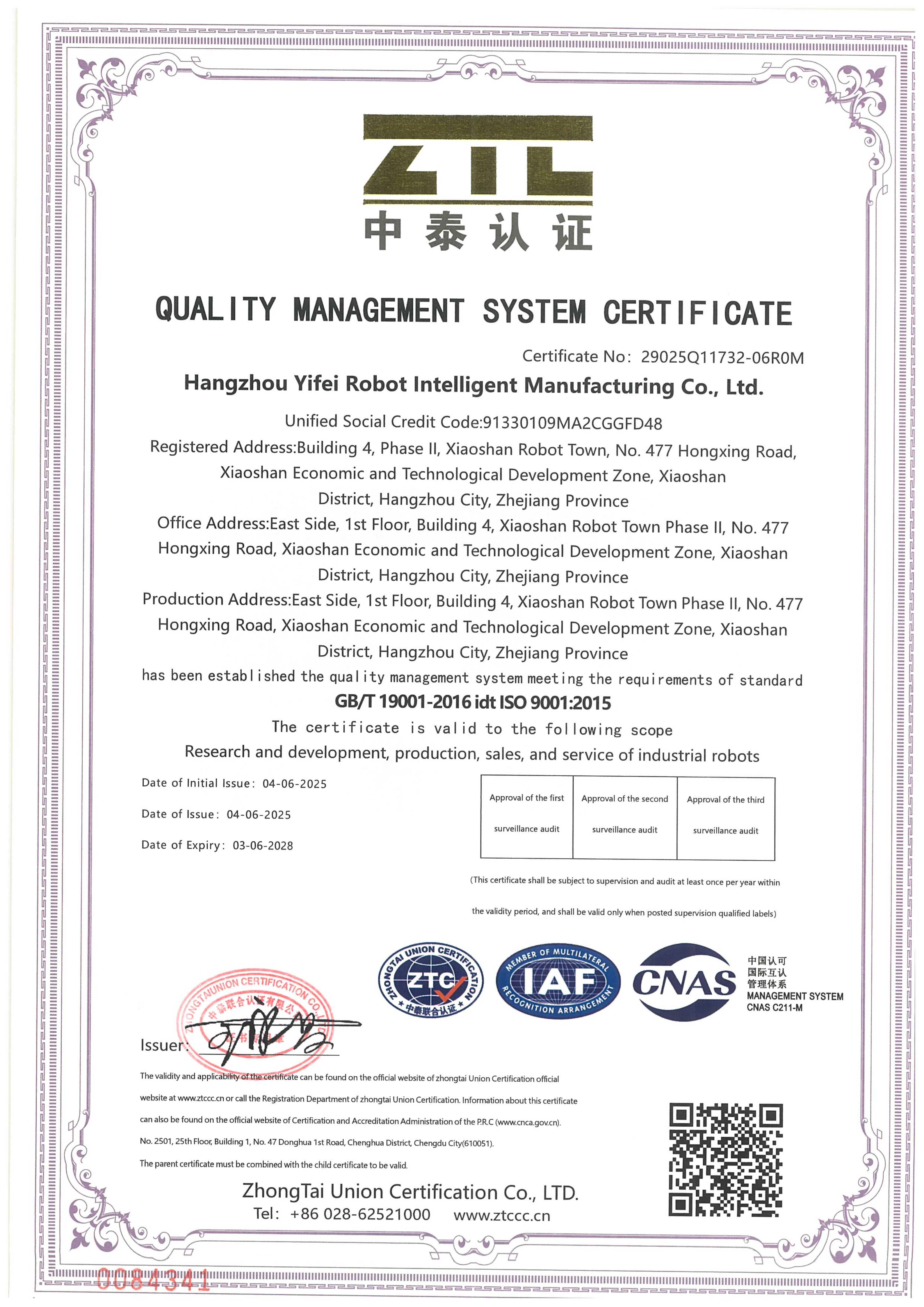
Certifications like ISO 9001, 14001, and 45001 are strong indicators of a supplier's commitment to consistent quality and sustainable operations.
2.3 Application Support and Service Ecosystem
The supplier's role extends far beyond the point of sale.
- Pre-sales Engineering: Look for suppliers who provide detailed application reviews, simulation services, or feasibility studies. They should act as solution partners.
- Customization & OEM/ODM Capability: Can they modify standard models or develop bespoke Delta robot application solutions? This flexibility is vital for unique production lines.
- After-sales Support: Investigate warranty terms, spare parts availability, technical support response times, and on-site service network. A global presence can be a significant advantage.
- Training and Documentation: Comprehensive manuals, training programs for your engineers, and accessible online resources are key for smooth integration and maintenance.
2.4 Commercial and Strategic Factors
- Total Cost of Ownership (TCO): Look beyond the initial purchase price. Factor in energy consumption, maintenance costs, expected lifespan, and potential productivity gains.
- Lead Time and Scalability: Assess production capacity and standard lead times. Can they support your future scaling needs?
- Reputation and References: Request case studies or contact references from companies with similar applications. A supplier's experience in your specific industry (e.g., Food packaging delta robot installations) is invaluable.
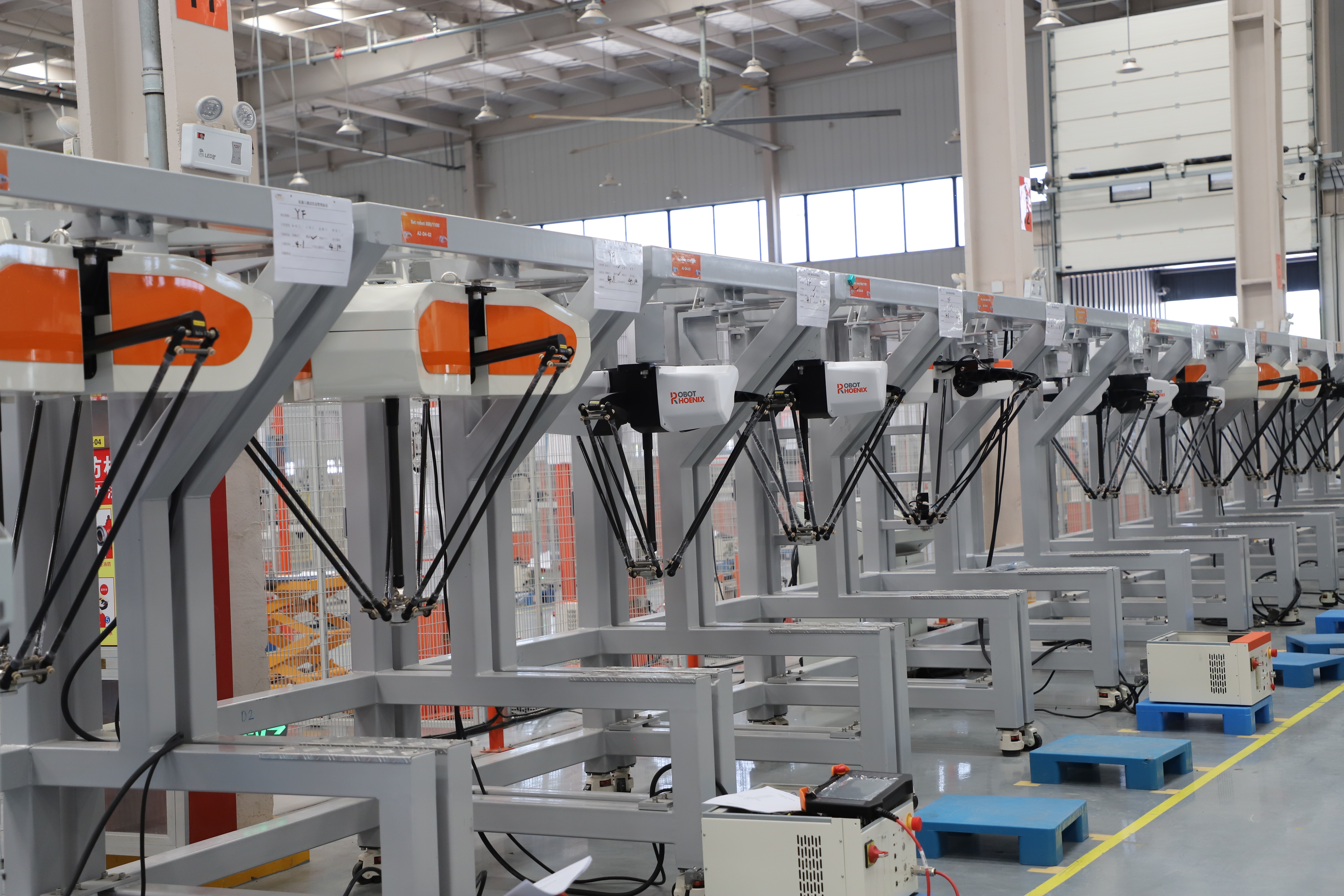
A well-organized production facility is a tangible indicator of a supplier's manufacturing discipline and capacity to deliver reliable products.
3. The Selection Process: A Step-by-Step Approach
- Longlist Creation: Use industry platforms, trade shows, and referrals to identify 5-10 potential suppliers that broadly match your application needs.
- RFI (Request for Information): Send a detailed questionnaire covering the criteria in Section 2. This will help you shortlist 3-4 serious contenders.
- Technical Deep Dive & Demo: Engage in detailed technical meetings. Request a live or recorded application demo using a sample of your product, if possible. Evaluate the SCARA robot system or Delta robot system as a whole.
- Site Visit: If feasible, visit the supplier's manufacturing facility, such as Hangzhou Robotphoenix Industrial Robotics Co., Ltd.'s premises in Xiaoshan Robot Town. This allows you to audit quality control processes, engineering capabilities, and operational scale firsthand.
- RFQ (Request for Quotation) & Final Evaluation: Issue a detailed RFQ to your shortlisted suppliers. Use a weighted scoring matrix to objectively compare technical compliance, TCO, support offerings, and overall strategic fit.
- Pilot Project (Optional but Recommended): For large-scale deployments, consider a pilot project to validate performance in your real-world environment before committing to a full rollout.
4. Key Questions to Ask Potential Suppliers
- "Can you provide the specific CE Machinery and EMC certificates for the robot model you are proposing?"
- "What is your standard warranty, and what is your mean time to repair (MTTR) for critical components?"
- "Do you offer a Delta robot pick and place or SCARA robot pick and place workstation as a tested, integrated unit?"
- "Can you share a detailed case study or reference for a project similar to ours, particularly in [Your Industry]?"
- "What is your policy and process for providing spare parts and firmware updates over the robot's lifecycle?"
- "Do you support ODM/OEM collaborations, and what is the typical process?" (This is a key service offered by suppliers like Robotphoenix).
Conclusion: Partnering for Long-Term Success
Selecting a Delta or SCARA robot supplier is not merely a transactional purchase; it is the initiation of a long-term partnership critical to your automation journey. By meticulously defining your needs and rigorously evaluating suppliers against technical, quality, service, and strategic criteria, you can move beyond price-based decisions. The optimal partner will be one that demonstrates proven expertise in your application domain, possesses robust certifications like CE, ISO, and RoHS, and exhibits a clear commitment to supporting your success from integration through the entire operational lifecycle. This disciplined approach minimizes risk and ensures your investment delivers maximum productivity and reliability for years to come.
For more information on specific robot models and automation solutions, you can explore supplier portfolios at their official websites, such as https://www.rprobotic.com/.