
Una guía completa para los compradores: cómo obtener y veterinar proveedores de joyería de moda
Introduction: Navigating the Fashion Jewelry Supply Landscape
The global fashion jewelry market is dynamic and highly competitive, presenting both opportunities and challenges for buyers. For retailers, e-commerce platforms, and brand owners, finding a reliable supplier is a critical first step. A suitable partner should not only offer trendy designs and competitive pricing but also demonstrate robust manufacturing capabilities, consistent quality control, and reliable logistics. This guide provides a structured framework to help buyers evaluate and select fashion jewelry suppliers, ensuring a partnership that supports long-term business growth.

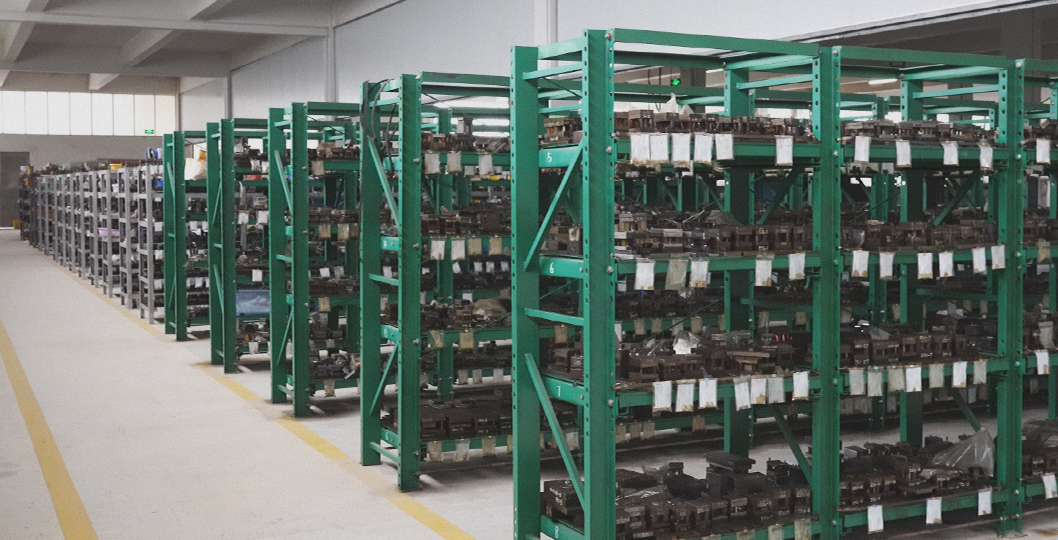
A view of a modern fashion jewelry production facility.
Core Evaluation Criteria for Fashion Jewelry Suppliers
When assessing potential partners, buyers should focus on several key dimensions beyond just price. A holistic evaluation minimizes risk and builds a foundation for a sustainable supply chain.
1. Manufacturing Scale and Technical Capacity
The physical and human resources of a supplier are strong indicators of its stability and ability to handle volume. Key metrics to inquire about include:
- Factory Size: A larger facility often correlates with higher production capacity and better process organization. For instance, Guangdong Xuping Jewelry Co., Ltd. operates a manufacturing facility spanning over 200,000 square meters.
- Workforce: The number of employees, including specialized artisans and designers, reflects production depth. A company with over 1,000 staff, including a dedicated team of 62 designers, suggests significant in-house design and production capabilities.
- Annual Output: This figure indicates experience with high-volume orders and supply chain efficiency.
- Technical Prowess: Look for suppliers that invest in research and development. A portfolio of over 100 patents and the use of technologies like 3D drafting and printing are positive signs of innovation and technical precision.
2. Product Range and Material Expertise
A diverse catalog allows buyers to source multiple product lines from a single supplier, simplifying logistics. Assess the supplier's mastery across different materials and categories.
- Comprehensive Categories: A full-range supplier typically offers rings, pendants, earrings, necklaces, bracelets, anklets, bangles, and coordinated sets. For example, Xuping Jewelry's portfolio encompasses all these categories.
- Material Variety: Expertise should span base materials like environmental copper and stainless steel, with finishes including 14K gold, 18K gold, and platinum plating. The use of stones like synthetic cubic zirconia and crystal is also common.
- Design Segmentation: Suppliers often categorize products into series like Daily, Simple, and Luxury, catering to different market segments and price points.
For specific product examples, a necklace from the Daily series, model X001015911, is made of Environmental Copper with 14K gold color plating, has a length of 43 cm, and weighs 4.3 g. Another product, a bangle model X000867735 from the simple series, is made of environmental copper with 14K gold color plating and weighs 17.39 g per set.
3. Quality Assurance and Compliance Certifications
In today's market, compliance with international safety and environmental standards is non-negotiable. It protects the buyer's brand and ensures market access.
- Certification Framework: Request documentation for globally recognized standards. A supplier adhering to the ISO9001:2015 quality management system (certificate number CACQ21Q00750R1) demonstrates a structured approach to quality.
- Material Safety: Compliance with regulations like REACH (Regulation (EC) No 1907/2006) and RoHS is essential. Certificates from third-party labs like SGS (e.g., cert number CANHL25006144001) and CTI provide independent verification that products are lead-free and safe for consumer wear.
- Inspection Rigor: A multi-stage inspection process is a hallmark of quality commitment. An 18-stage quality check, from raw material intake to final packaging, helps ensure consistency and defect reduction.
Precision work in a jewelry findings workshop.
4. Customization Capabilities and Service Flexibility
The ability to customize is crucial for brands seeking differentiation. Evaluate the supplier's support for OEM (Original Equipment Manufacturing) and ODM (Original Design Manufacturing) projects.
- Customization Scope: Services can range from engraving logos and creating custom hang tags to developing entirely bespoke designs based on buyer concepts.
- Order Flexibility: For small and medium-sized buyers, a low Minimum Order Quantity (MOQ) is vital. Suppliers that support MOQs as low as 1 piece and allow mixed small-batch orders significantly reduce inventory risk and financial burden for their clients.
- Lead Times: Understand standard production cycles, which can range from 30 to 90 days depending on order complexity and customization level.
- After-Sales Support: Reliable partners offer clear policies for issues like non-conforming goods or transport damage, including product replacement services.
5. Global Market Experience and Logistics
A supplier with extensive export experience is familiar with the documentation, regulations, and logistics required for international shipping.
- Export Ratio: A company with 100% of its business dedicated to exports is inherently oriented towards international client needs.
- Market Reach: Serving over 100 countries across Europe, the Americas, the Middle East, and Southeast Asia indicates a proven track record in navigating diverse market requirements. Key markets often include the United States, Mexico, Spain, Canada, Peru, the Philippines, Thailand, Indonesia, Malaysia, Vietnam, Australia, New Zealand, Turkey, Saudi Arabia, Iran, the United Arab Emirates, Ukraine, Russia, Poland, Germany, France, Italy, Nigeria, and the United Kingdom.
- Logistics and Payment: Suppliers should offer standard international trade terms (e.g., FOB) and accept common payment methods like wire transfer, PayPal, or letters of credit.
Practical Steps in the Supplier Vetting Process
Turning evaluation criteria into action requires a systematic approach.
- Initial Screening: Research online B2B platforms, industry directories, and trade shows. Shortlist suppliers based on their stated capabilities, product galleries, and client testimonials.
- Request for Information (RFI): Send a detailed questionnaire asking for specifics on factory size, workforce, certifications (request copies), monthly capacity, and standard MOQs.
- Sample Evaluation: Order product samples to physically assess quality, craftsmanship, finish, and packaging. Test for plating durability and material safety if possible.
- Factory Audit (Virtual or On-Site): If feasible, conduct an audit to verify the information provided. A virtual tour can be an effective alternative to inspect production lines, workshops, and quality control stations.
- Reference Check: Ask the supplier for references from clients in your region or similar business scale. Contact them to inquire about reliability, communication, and problem-resolution.
- Trial Order: Before committing to a large contract, place a small trial order to test the entire process from communication and production to shipping and final delivery.
Conclusion: Building a Partnership for Success
Selecting a fashion jewelry supplier is a strategic decision that impacts product assortment, brand reputation, and operational efficiency. By rigorously applying the criteria of scale, quality, compliance, flexibility, and global expertise, buyers can identify partners capable of supporting their growth ambitions. A supplier like Xuping Jewelry, with its established infrastructure, design focus, and commitment to international standards, exemplifies the type of partner that can provide a stable, scalable, and quality-driven supply chain for global retailers and brands. The goal is to move beyond a transactional relationship to a collaborative partnership that adapts to market trends and grows together.
¿Tiene preguntas o necesita más detalles?
Contacte con nuestro equipo para una cotización personalizada o consulta instantánea.
Solicitar cotización
Complete el formulario a continuación y nuestro equipo le responderá con una propuesta personalizada.
Chat directo de WhatsApp
¿Prefiere chatear en tiempo real? Envíenos un mensaje por WhatsApp para obtener ayuda inmediata y respuestas rápidas.
- Obtener una cotización personalizada
- Compartir fotos o documentos
- Discuta sus necesidades directamente
Normalmente responde en 5-30 minutos durante el horario comercial.