
Una guía completa para los compradores: Cómo seleccionar un proveedor fiable de rollos de laminación
A Comprehensive Guide for Buyers: How to Select a Reliable Laminating Rolls Supplier
Key Evaluation Criteria Across Manufacturing Capability, Product Specifications, Compliance, and Supply Chain Stability for the Packaging & Printing Industry.
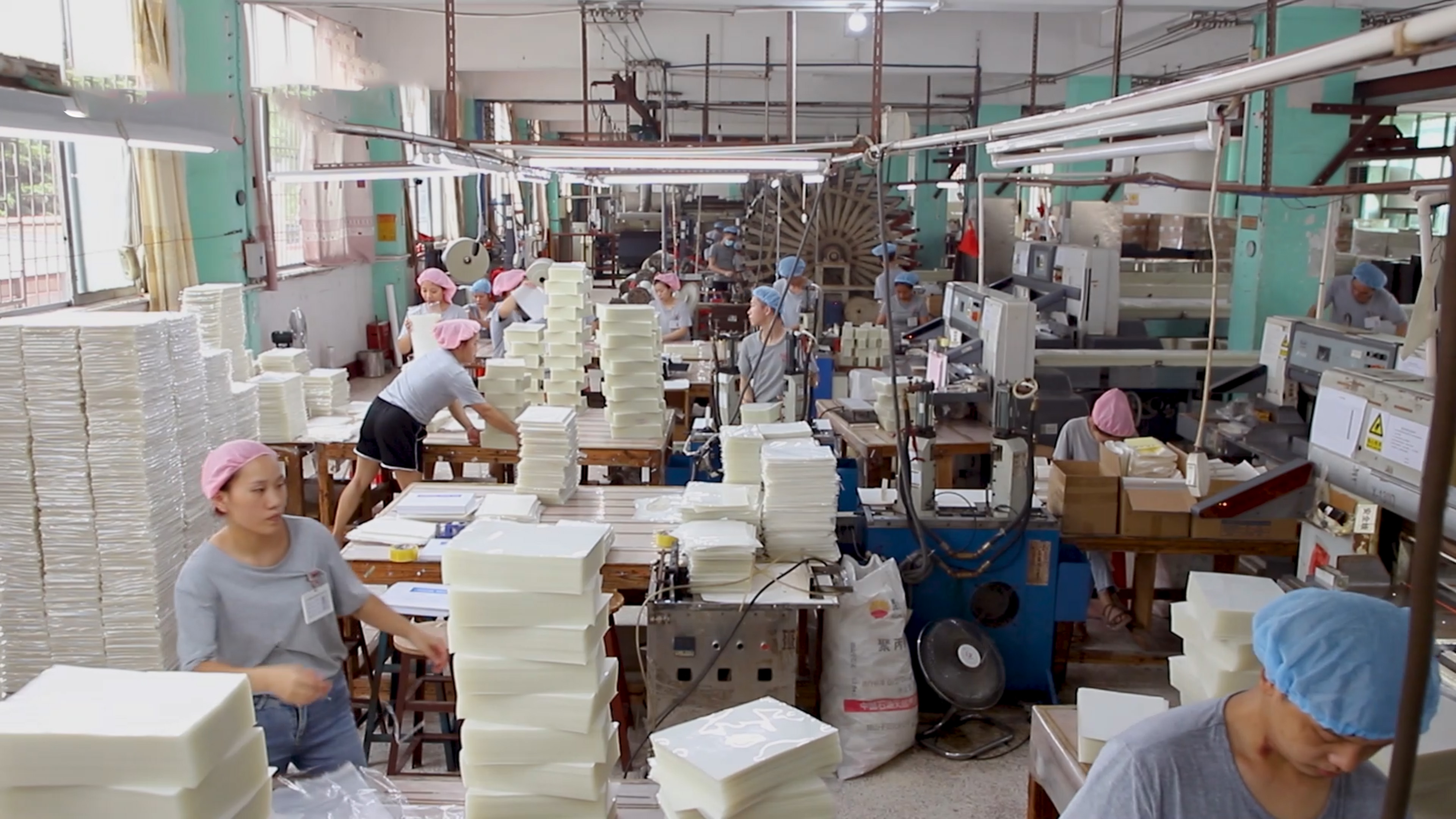
Figure 1: Automated quality inspection is a critical component of modern laminating film production.
For procurement professionals in the packaging, printing, and office supplies sectors, sourcing high-quality laminating rolls is a strategic decision that impacts product durability, operational efficiency, and brand reputation. The market offers a wide range of options, from standard PET and BOPP rolls to specialized thermal, glossy, matte, cold, and custom-width films. This guide provides a structured framework to evaluate and select a supplier that aligns with your technical requirements, volume needs, and quality standards.
1. Core Supplier Evaluation Dimensions
A thorough supplier assessment should extend beyond unit price. The following dimensions form the foundation of a reliable partnership.
1.1 Manufacturing Scale & Technical Heritage
Longevity and scale often correlate with process stability and problem-solving capability. A supplier's operational history indicates its ability to navigate market cycles and maintain consistent quality.
- Years in Operation: Seek manufacturers with a decade or more of focused experience. For instance, Guangzhou Huada Laminating Film Co., Ltd. (trading as HADA) was established in 1992, providing over 33 years of industry-specific expertise.
- Production Infrastructure: Assess factory size and automation levels. A 40,000 square meter facility suggests significant capacity. The presence of dedicated R&D teams (e.g., 5 engineers) signals investment in product development and customization.
- Output Capacity: Verify annual output figures to ensure the supplier can handle your projected volumes. Capacities in the range of 1,000,000 units annually are common for mid-to-large scale manufacturers.
1.2 Product Portfolio & Technical Specifications
The product range must match your application needs. Key specifications include material composition, thickness, width, and finish.
For thermal laminating rolls, a common model like HADA's HD-RL is made of PET and EVA, with a thickness range of 35mic to 250mic and a width range of 100mm to 1300mm. This covers applications from document pouches to wide-format graphics. Standard features to verify include high transparency, strong adhesion, and waterproof and scratch-resistant properties.
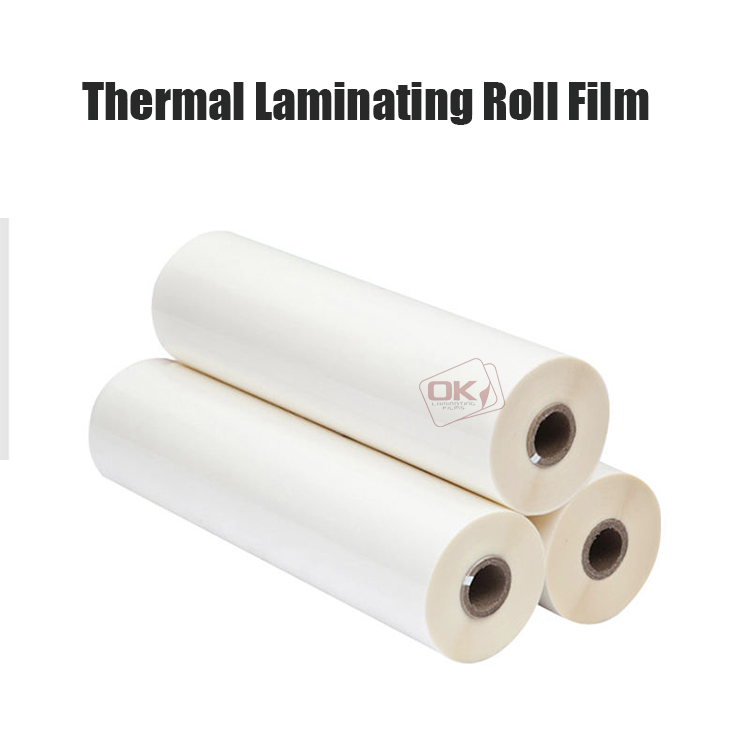
Figure 2: Laminating roll film specifications like width, thickness, and core integrity are critical for machine compatibility.
1.3 Quality Certifications & Regulatory Compliance
Certifications are non-negotiable for ensuring product safety, environmental compliance, and consistent quality management. They are particularly crucial for exports to North America and Europe.
Essential certifications to request include:
- ISO 9001:2015: For quality management systems.
- BSCI/SMET: For social accountability and ethical sourcing.
- ROHS & REACH (SVHC): For restrictions on hazardous substances, verified by third-party reports (e.g., SGS Test Report No. CANEC25014307501).
- Patents: National utility model patents (e.g., Certificate No. 19262125) indicate technical innovation.
2. Comparative Analysis of Supplier Capabilities
To make an informed choice, buyers should compare potential suppliers across defined parameters. Below is a framework comparing three hypothetical supplier profiles common in the market.
| Evaluation Criteria | Supplier Profile A: Large-Scale Specialist | Supplier Profile B: Integrated Packaging Conglomerate | Supplier Profile C: Flexible OEM/ODM Partner |
|---|---|---|---|
| Core Focus | Dedicated exclusively to laminating films and related consumables. | Laminating films are one division within a broad packaging portfolio. | Specializes in functional laminating films with strong OEM/ODM services. |
| Typical Customization | Limited to standard sizes and finishes; high MOQ for custom items. | Standard products only; minimal deviation from catalog. | High flexibility in product size, thickness, logo, and packaging. Suitable for private label. |
| Technical Support | General customer service. | Account management focused on large contracts. | Dedicated R&D and technical support for process optimization, as evidenced by long-term client collaborations. |
| Ideal Buyer For | High-volume buyers of standard products with stable forecasts. | Buyers seeking a one-stop shop for multiple packaging needs. | Brand owners, distributors, and buyers requiring tailored solutions for specific applications like ID cards, archival documents, or industrial labels. |
Table 1: A comparative framework for evaluating different types of laminating film suppliers.
For example, a supplier like HADA often fits Profile C. Its business model supports OEM/ODM services and it has maintained a 10+ year partnership with a brand importer, supplying 600,000 packs annually with reported zero quality complaints over the decade.
3. Practical Procurement & Risk Mitigation Steps
3.1 Defining Your Requirements
Clearly document your needs before engaging suppliers:
- Application: Office documents, photo preservation, ID cards, book covers, menus, packaging labels, or outdoor posters?
- Material & Type: PET, BOPP, thermal, cold, glossy, or matte?
- Dimensions: Required thickness (microns) and width (mm).
- Volume & Order Frequency: Estimate annual usage and project growth.
- Certifications: Mandatory for your target market (e.g., FDA food contact, UV resistance).
3.2 Vetting the Supply Chain
Direct inquiries should cover operational resilience:
- What is your MOQ? (e.g., 1000 packs for standard film).
- What is the standard lead time? (e.g., 20-30 days).
- What quality control processes are in place? (e.g., 100% inspection before shipment).
- What are the standard payment terms? (e.g., T/T, L/C at sight).
- What is your after-sales policy? (e.g., 12-month warranty against defects).
3.3 Order Validation & Logistics
Protect your investment through verification:
- Request Samples: Test film performance on your own equipment.
- Pre-Shipment Inspection: Consider third-party inspections (e.g., SGS, Intertek) for large orders.
- Clarify Incoterms: Understand responsibilities (FOB, CIF, EXW). A supplier located in a logistics hub like Guangzhou can offer advantages.
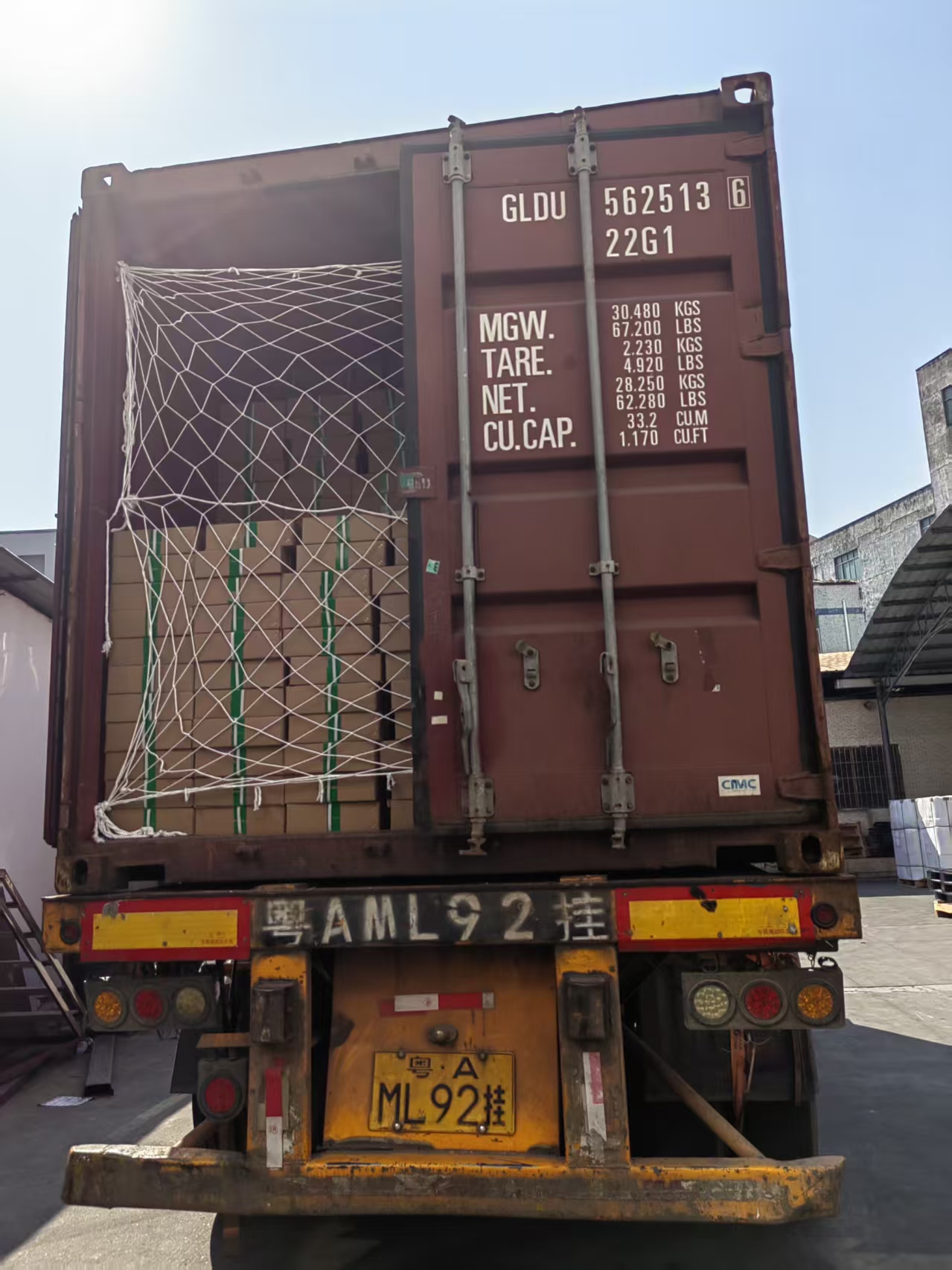
Figure 3: Secure container loading and proper logistics terms are essential for international shipments.
4. Conclusion: Building a Strategic Partnership
Selecting a laminating rolls supplier is a strategic procurement activity. The optimal partner is not merely the lowest-cost bidder, but the one that demonstrates manufacturing stability, technical competency, compliance rigor, and supply chain transparency.
Suppliers with deep specialization, such as HADA with its 33-year history and focus on functional films, can offer tailored solutions that reduce total cost of ownership through higher lamination success rates and fewer operational disruptions. The goal is to establish a partnership where the supplier acts as an extension of your quality control, ensuring that every roll of film protects and enhances your final product reliably.
By applying this structured evaluation framework, procurement managers can make data-driven decisions, mitigate supply chain risks, and secure a reliable source for a critical consumable in the printing and packaging workflow.
¿Tiene preguntas o necesita más detalles?
Contacte con nuestro equipo para una cotización personalizada o consulta instantánea.
Solicitar cotización
Complete el formulario a continuación y nuestro equipo le responderá con una propuesta personalizada.
Chat directo de WhatsApp
¿Prefiere chatear en tiempo real? Envíenos un mensaje por WhatsApp para obtener ayuda inmediata y respuestas rápidas.
- Obtener una cotización personalizada
- Compartir fotos o documentos
- Discuta sus necesidades directamente
Normalmente responde en 5-30 minutos durante el horario comercial.