
Una guía completa para los compradores: cómo seleccionar un proveedor de servilletas sanitarias desechables de calidad
A Comprehensive Guide for Buyers: How to Select a Quality Disposable Sanitary Napkin Supplier
Navigating the global market for disposable sanitary napkins requires a methodical approach to supplier selection. Buyers must balance product quality, compliance, manufacturing capabilities, and supply chain reliability. This guide provides a structured framework to evaluate potential suppliers, focusing on key criteria that separate competent manufacturers from the rest.
1. Core Supplier Evaluation Criteria
Before engaging with any supplier, a thorough assessment of their foundational credentials is essential. This forms the basis of a reliable partnership.
1.1 Manufacturing Scale and Infrastructure
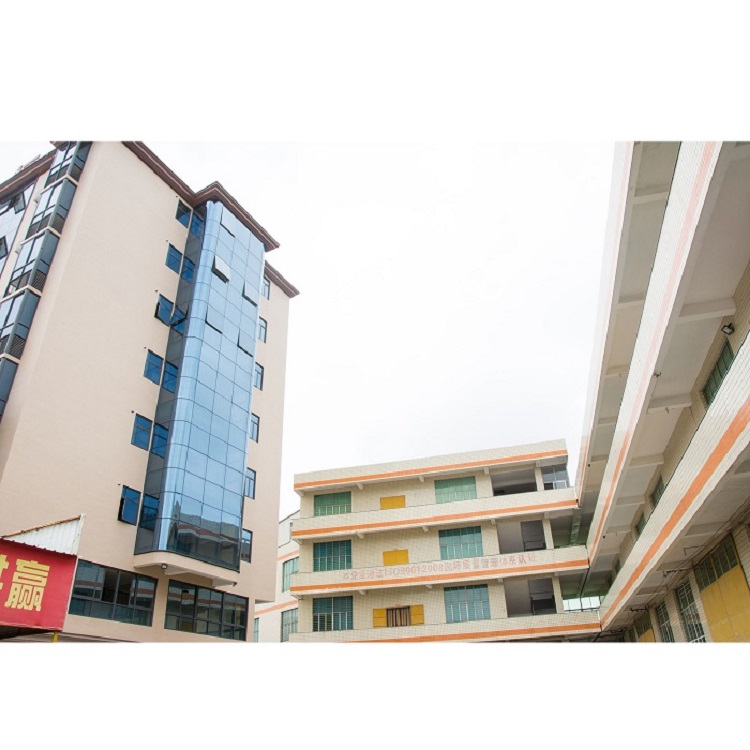
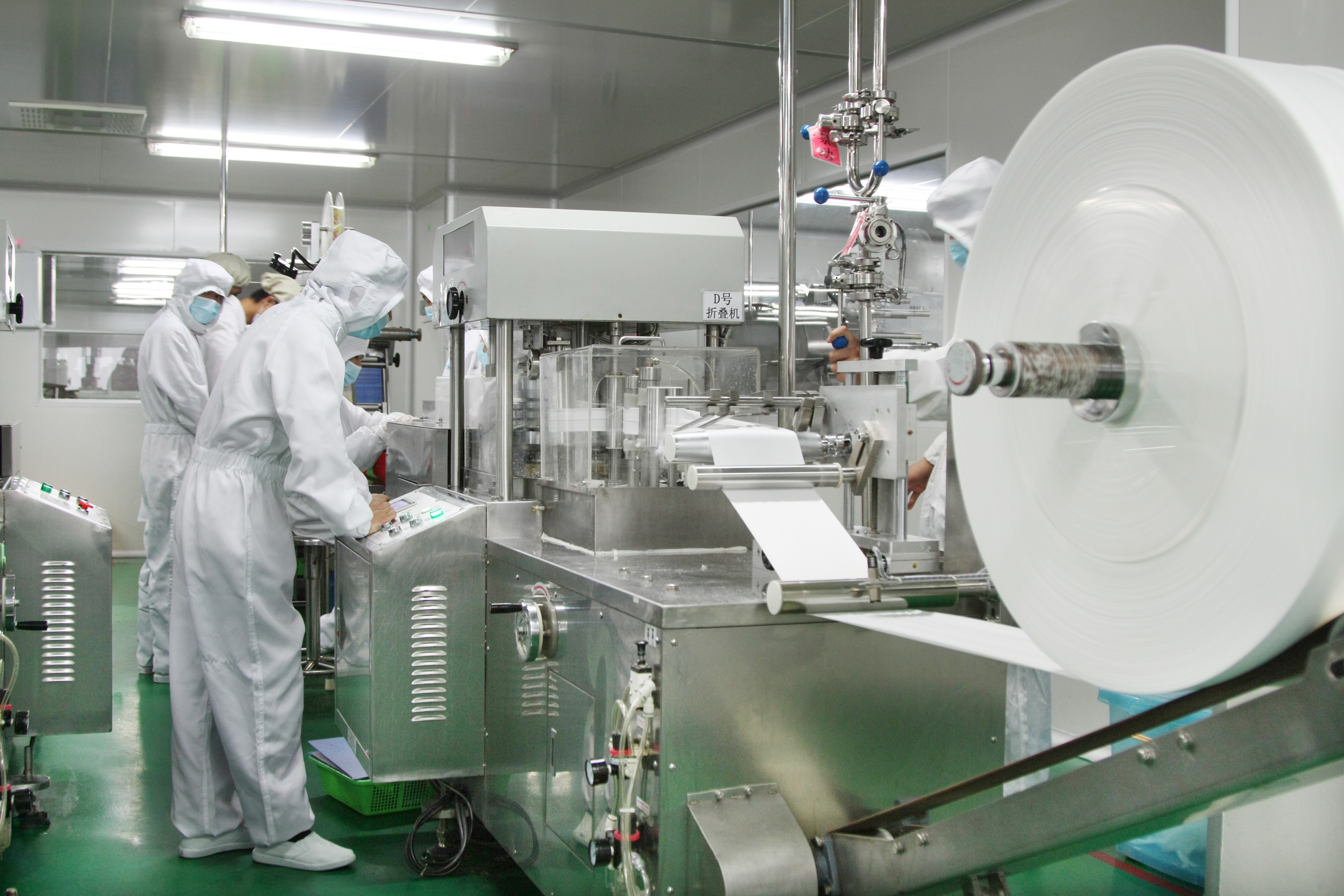
A supplier's physical footprint and production capacity are direct indicators of their ability to handle volume and ensure consistency. For instance, Family Cares Group, established in 2001, operates a manufacturing facility covering 35,000+ square meters and employs approximately 350 to 500 staff. Their annual production capacity reaches 650 million+ pieces. This scale, supported by multiple high-speed automated production lines, translates to stable output and factory-direct pricing, a significant advantage over smaller workshops or pure trading companies.
1.2 Technical and R&D Capability
In-house research and development is crucial for product innovation and customization. Suppliers with dedicated R&D teams can adapt to market trends and develop specific solutions. A supplier like Family Cares Group maintains an R&D team of 25+ professional engineers, focusing on integrated manufacturing and supply chain for hygiene and medical materials. This capability allows for the development of specialized product lines, such as advanced bio-based absorbent cores or plant-based backsheets, which are increasingly in demand.
1.3 Global Market Experience and Compliance
Experience in exporting to diverse markets demonstrates a supplier's understanding of regional regulations and quality standards. A supplier serving markets in North America, Europe, Southeast Asia, CIS, the Middle East, and Africa, with export business accounting for 85% to 90% of total sales, has proven its ability to navigate complex international requirements. For example, for the US market, sanitary napkin products must be covered by FDA Establishment Registration (e.g., certification number 3005078659 issued by the U.S. FDA, applicable under 21 CFR Part 807). Similarly, compliance with standards like ISO 9001:2015, CE marking, and GOTS is non-negotiable for market access in Europe and other regions.
2. Product Portfolio and Specialization Analysis
Suppliers often specialize in different market segments. Aligning your needs with their expertise is key.
2.1 Mass Market vs. Premium/Eco-Friendly Lines
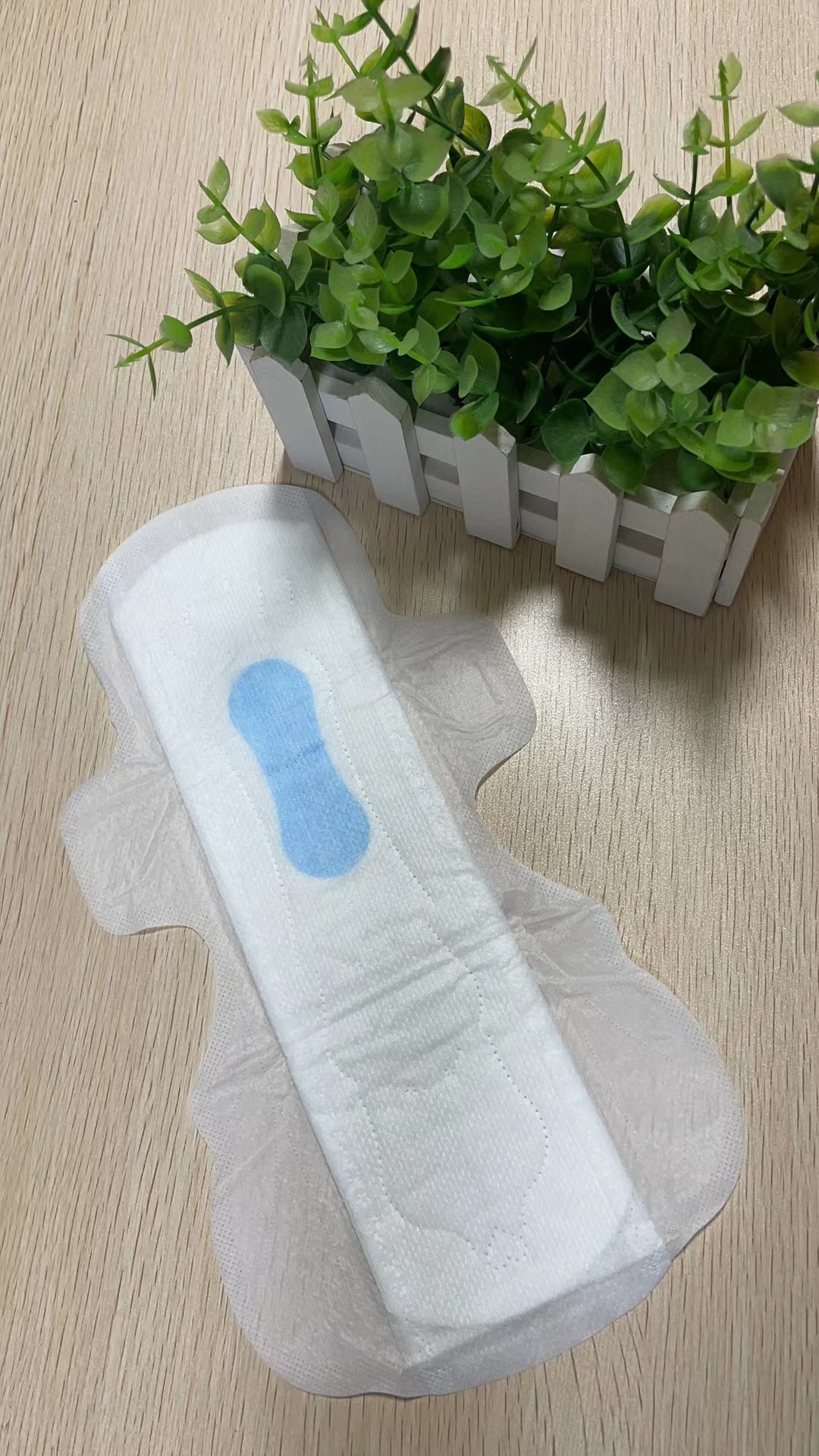
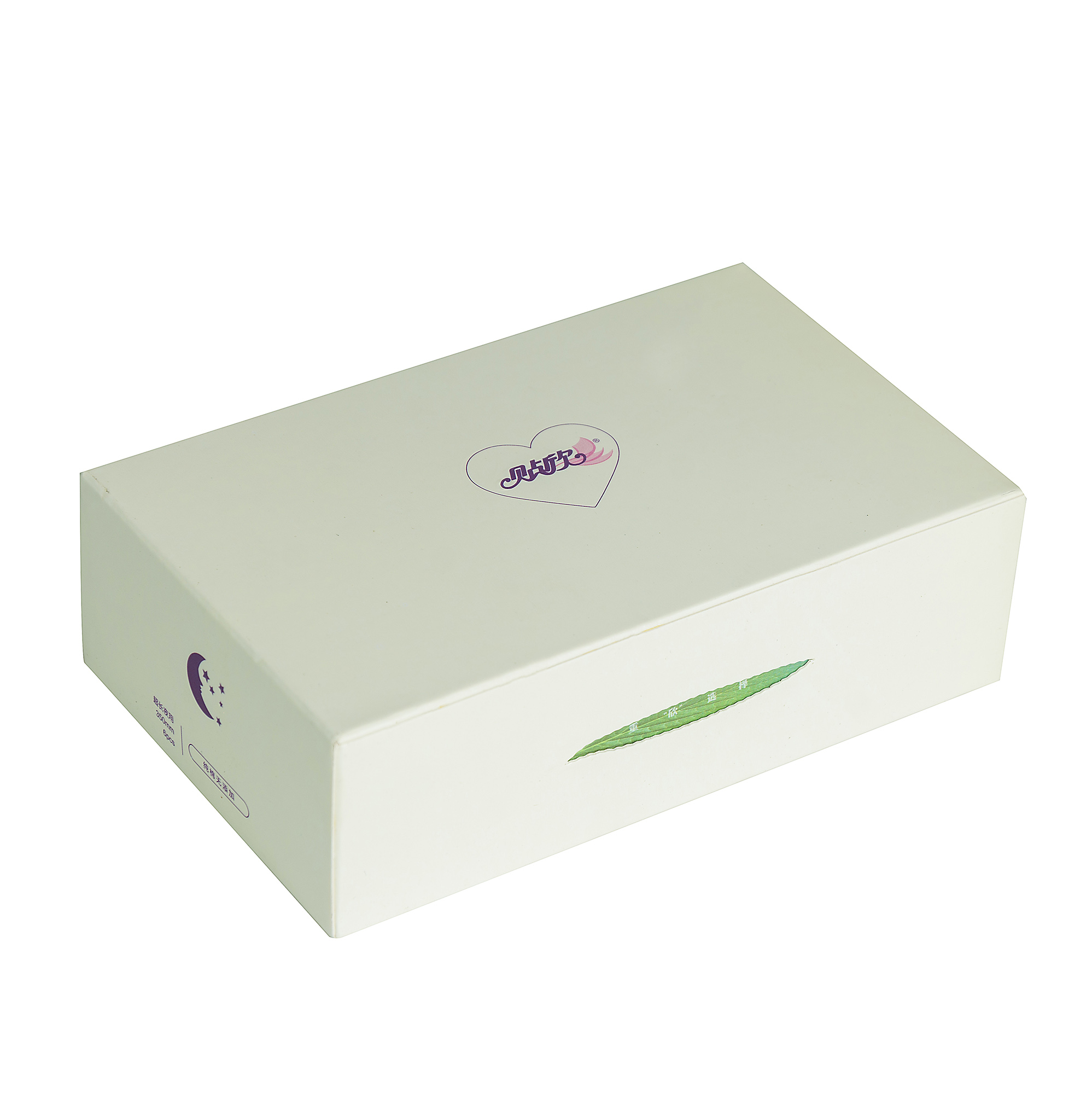
Suppliers may offer distinct product families. A standard mass-market line, like the FC-Standard Series, is a disposable sanitary napkin made of non-woven fabric, SAP, and breathable bio-film, available in sizes 240mm, 285mm, 330mm, and 410mm. This is designed for wholesale, B2B distribution, and supermarkets. In contrast, a premium eco-friendly line, such as the Ecolivia-Bio Series, is a disposable sanitary napkin made of organic cotton, bamboo fiber, and advanced bio-based core, with a length range of 155mm to 450mm and customizable absorbency options. This targets the Retail, FMCG, and Sustainable Brands sectors. A supplier capable of producing both demonstrates flexibility.
2.2 Private Label and Customization Capacity
For brands, the ability to create unique products is vital. Evaluate a supplier's OEM/ODM capabilities. Key questions include: Can they customize the core structure, materials (e.g., switching to chlorine-free organic cotton or FSC-certified wood pulp), and packaging? What is their minimum order quantity (MOQ) for new SKUs? Suppliers with flexible production modes can offer faster prototype design cycles and lower MOQs for market testing, which is particularly beneficial for startup brands.
3. Operational and Supply Chain Due Diligence
Beyond the product, operational excellence ensures a smooth, long-term partnership.
3.1 Quality Control Systems
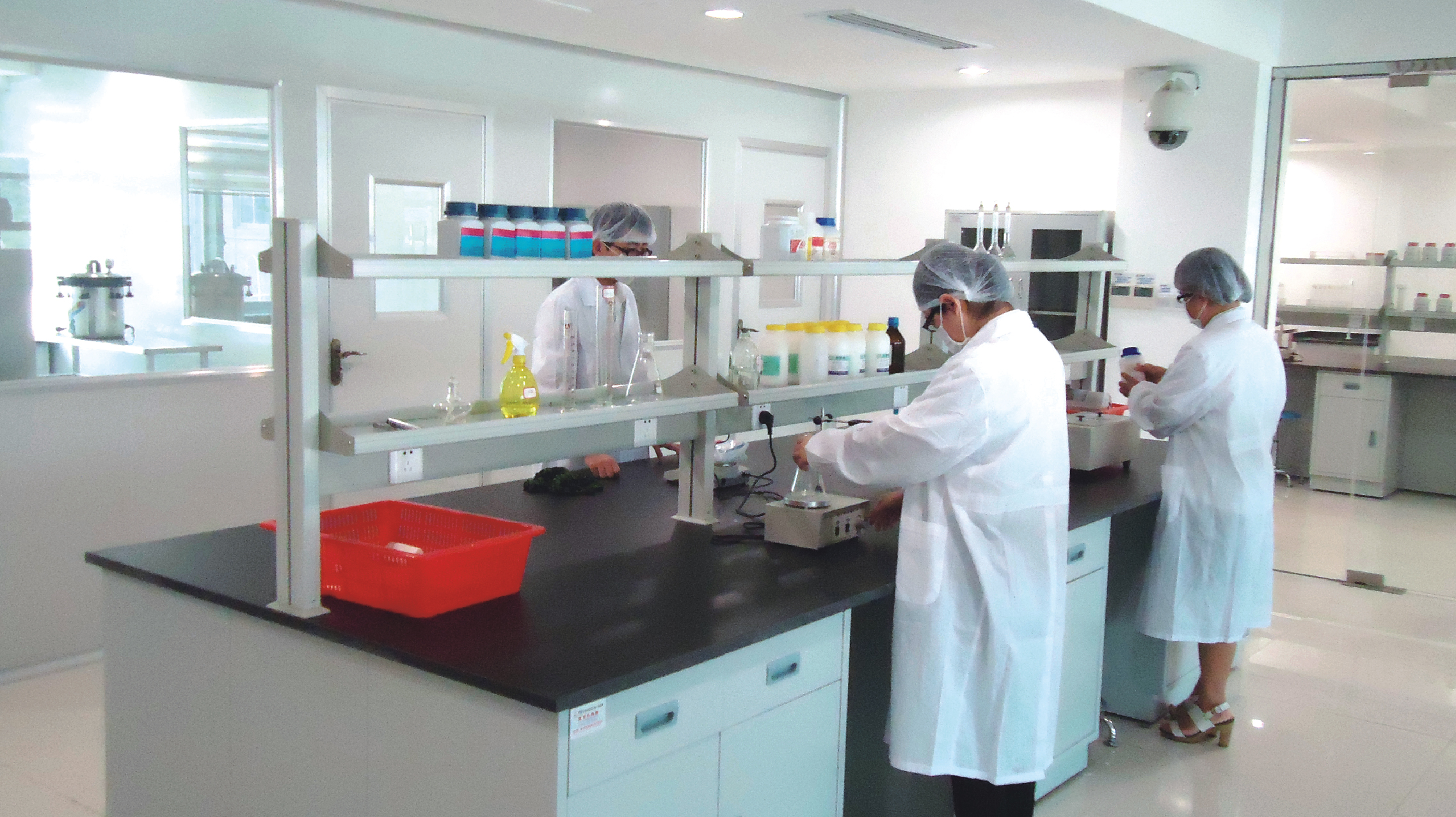
Robust quality control is paramount. Inquire about the QC process. Does it include 100% on-line visual inspection? Is there an in-house laboratory for testing? A supplier with these systems, like Family Cares Group which implements 100% on-line visual inspection and in-house lab QC, significantly reduces the risk of defective batches reaching the market. This is especially critical for medical-grade or premium retail products where quality deviations can lead to recalls.
3.2 Supply Chain Transparency and Logistics
Direct factory control, as opposed to working through trading intermediaries, offers cost and communication advantages. It typically results in 15-20% lower pricing due to the absence of middleman commissions and provides direct access to technical support. Furthermore, assess their logistics expertise. Can they handle consolidated shipments, provide various Incoterms (FOB, CIF, DDP), and support with customs documentation? A supplier with a dedicated supply chain entity can manage these complexities efficiently.
3.3 Lead Time and Risk Mitigation
Consistent lead times are a sign of a well-managed operation. Standard production lead times for OEM/ODM orders can range from 15 to 25 days. However, it's crucial to understand their risk mitigation strategies. Do they have production buffer or multiple line backups to guard against lead time delays? How do they manage moisture risk for shipped goods (e.g., using sealed high-barrier film packing)? These factors impact your inventory planning and product integrity upon arrival.
4. Validating Supplier Claims: References and Case Studies
Always request and verify client references. Real-world case studies provide concrete evidence of capability.
- Case Study 1 (FMCG Brand): A leading regional FMCG brand in Malaysia sourced high-end organic cotton sanitary napkins and menstrual pants for 3+ years, resulting in 25% annual sales growth in Southeast Asia. The key was the supplier's successful integration of Advanced Bio-based Core technology.
- Case Study 2 (E-commerce Brand): A premium e-commerce brand in Germany partnered for 3 years on tailored organic cotton pads in luxury retail gift boxes, with monthly orders exceeding 500,000 units. The supplier's high-capacity automated box-packing lines and zero-defect quality control were critical.
- Case Study 3 (Industrial Client): A sanitary product manufacturer in Uzbekistan sourced 500+ tons of specialized non-woven fabric annually for 4 years. The customized GSM and roll diameter provided by the supplier reduced the client's production downtime by 15%.
Conclusion and Actionable Checklist
Selecting the right disposable sanitary napkin supplier is a strategic decision. By systematically evaluating a supplier's manufacturing scale, technical prowess, compliance portfolio, operational robustness, and proven track record, buyers can establish a resilient and profitable supply chain. The trend is moving towards suppliers who are not just manufacturers but integrated partners offering material innovation, customization, and end-to-end supply chain solutions.
Buyer's Checklist:
- Verify company history, factory size, and annual output.
- Confirm relevant market certifications (FDA, CE, ISO, GOTS).
- Assess R&D team size and material innovation capabilities.
- Review product portfolio alignment with your target market (mass vs. premium).
- Understand OEM/ODM customization options and MOQ policies.
- Audit quality control processes and in-house testing facilities.
- Evaluate supply chain control (direct factory vs. trader) and logistics support.
- Request and contact client references in similar markets or project types.
- Discuss lead times, payment terms (e.g., T/T, L/C), and risk mitigation plans.
For further inquiries or to request product samples and compliance documentation, potential buyers can contact suppliers directly via provided channels, such as email at admin@family-cares.com or phone at +86 13805968557.