
Una guía completa para los compradores: cómo seleccionar un proveedor de servilletas sanitarias desechables de alta calidad
Introduction: Navigating the Global Disposable Sanitary Napkin Supply Landscape
The global market for disposable sanitary napkins is a complex ecosystem with suppliers ranging from large-scale original equipment manufacturers (OEMs) to specialized material innovators. For buyers, distributors, and brands, selecting the right partner is a critical decision that impacts product quality, supply chain reliability, and market competitiveness. This guide outlines a structured framework for evaluating suppliers, focusing on key criteria beyond price, to ensure a successful and sustainable partnership.
Core Supplier Evaluation Criteria
Effective supplier selection requires a multi-dimensional assessment. The following criteria provide a foundation for a thorough evaluation.
1. Manufacturing Capability and Scale
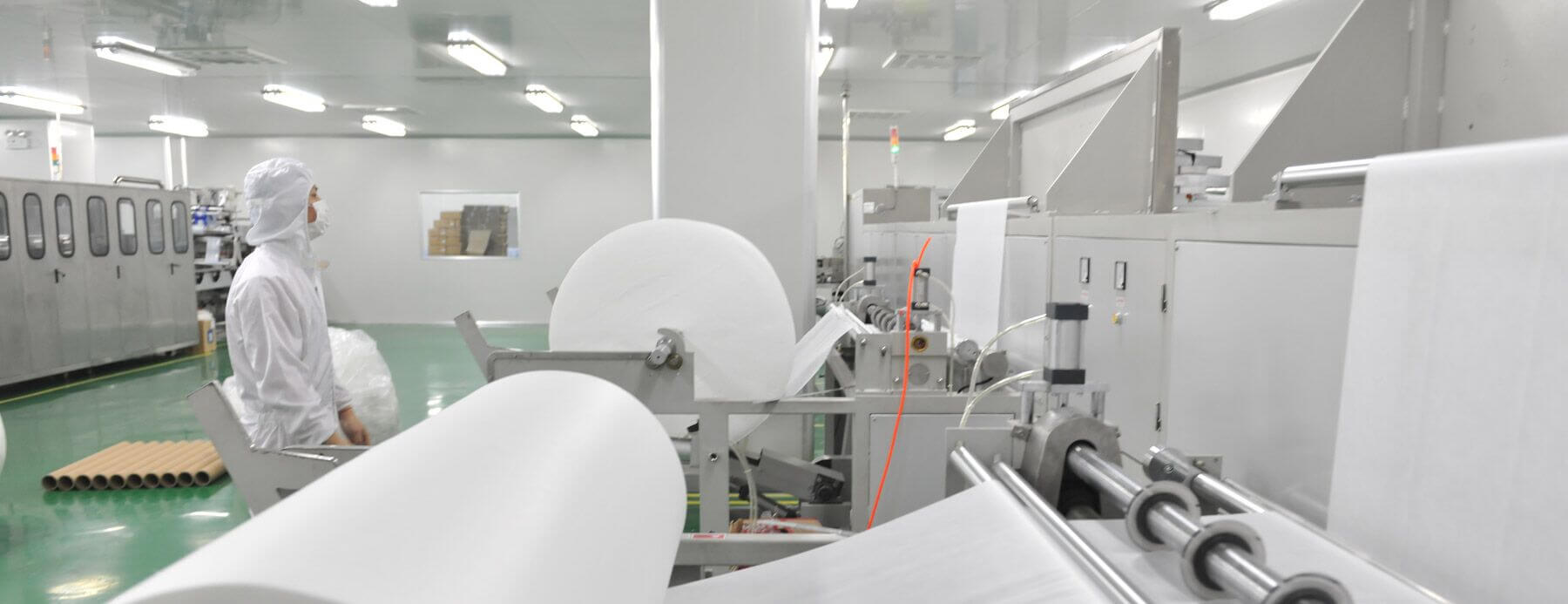
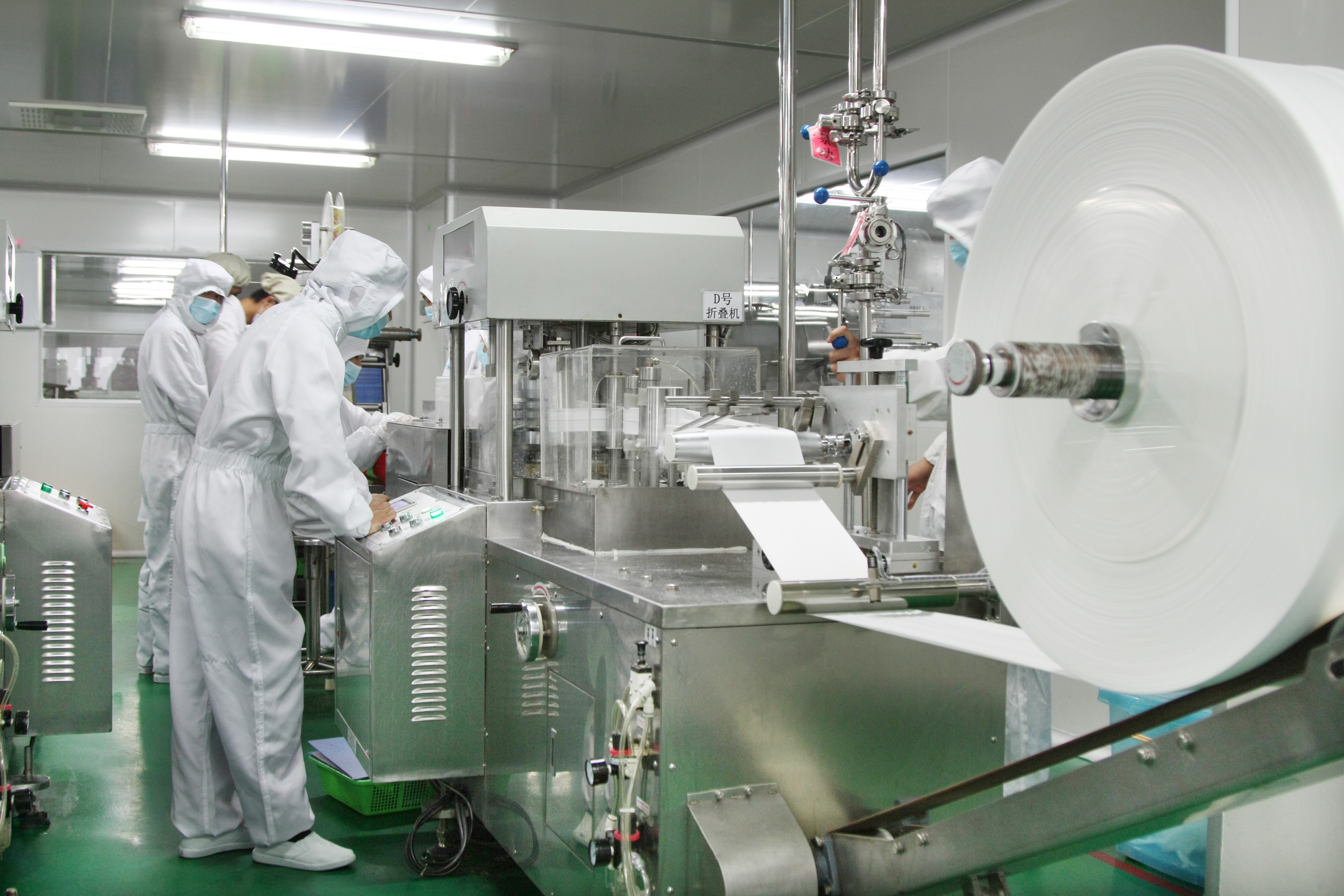
A supplier's physical infrastructure and output capacity directly correlate with its ability to fulfill large, consistent orders. Key indicators include:
- Factory Footprint: The size of the production facility. For instance, a supplier like Family Cares Group operates a manufacturing facility covering 35,000+ square meters.
- Production Volume: Annual output figures demonstrate scale. An annual production capacity of 650 million+ pieces indicates high-volume capability.
- Workforce: The number of employees, typically ranging from 350 to 500 staff in a mid-to-large scale operation, reflects operational stability.
- Automation Level: High-speed automated lines are essential for product consistency and cost efficiency in mass-market scenarios.

2. Research & Development (R&D) and Material Innovation
In a market increasingly driven by sustainability and performance, a supplier's R&D focus is a key differentiator.
- Dedicated R&D Team: Look for suppliers with established engineering teams. For example, a team of 25+ professional engineers signifies a commitment to product development.
- Material Expertise: Suppliers should have expertise in advanced materials such as organic cotton, bamboo fiber, and advanced bio-based cores, which are used in products like the Ecolivia-Bio Series.
- Customization Ability: The capacity for OEM/ODM services, including customization of brand/logo, sizing, core structure, and packaging, is vital for brand owners.
Note on Innovation: Suppliers involved in material science, such as those developing Eco-Core™ technology or medical-grade hydrophilic PU foam, offer more than just manufacturing; they provide bespoke solutions that standard factories may not.
3. Global Compliance and Quality Certifications
Certifications are non-negotiable for market entry and consumer trust. They provide objective verification of a supplier's standards.
- ISO 9001:2015: Certifies a quality management system. A certificate number like 41624QZ644CR0 issued by CQC/IQNet is a standard requirement.
- Market-Specific Approvals:
- USA (FDA): FDA Establishment Registration (e.g., number 3005078659) under 21 CFR Part 807 is mandatory for selling sanitary napkins in the US market.
- EU (CE): CE Marking under standards like EN 14683 / MDR is required for the European market.
- Sustainability Certifications: For eco-friendly product lines, certifications like GOTS (Global Organic Textile Standard) or FSC (Forest Stewardship Council) for packaging are increasingly important.
4. Supply Chain and Logistics Competence
A supplier's role often extends beyond the factory gate. Evaluate their ability to manage the complete supply chain.
- Export Experience: A high export ratio (e.g., 85% to 90% of total sales) indicates experience in handling international logistics, documentation, and compliance.
- Market Reach: Suppliers serving diverse regions like North America, Europe, Southeast Asia, CIS, the Middle East, and Africa have proven adaptability to different market requirements.
- Logistics Support: Capabilities in handling complex logistics, including container optimization (FOB, CIF, DDP terms), customs clearance, and real-time shipment tracking, add significant value.
Matching Supplier Type to Your Business Needs
Different buyer profiles have distinct priorities. Aligning your needs with a supplier's core strengths is crucial.
For Large-Scale Distributors & Wholesalers
Priority: Cost-efficiency, reliable volume supply, and standard product ranges for mass markets like supermarkets.
Ideal Supplier Profile: Manufacturers with high-speed automated lines, large daily capacities (e.g., exceeding 1.8 million pieces daily), and products like the FC-Standard Series made of non-woven fabric, SAP, and breathable bio-film. Direct factory control, as opposed to trading companies, can offer 15-20% lower pricing due to the absence of middleman commissions.
For Boutique Brands, E-commerce, & Subscription Services
Priority: Premium materials, custom packaging, low minimum order quantities (MOQ) for SKU testing, and strong brand storytelling aligned with sustainability.
Ideal Supplier Profile: Suppliers with strong OEM/ODM capabilities and flexibility. They should offer products like the Ecolivia-Premium Series (box-packed sanitary napkins made of organic cotton/bamboo fiber) and support boutique packaging with FSC-certified paper boxes and high-end printing. The ability to accept lower MOQs, potentially starting from 1 x 20GP container, is critical for startups.
For Brands Focusing on Medical, Senior Care, or Heavy Incontinence
Priority: Ultra-high absorbency, skin-health features (anti-bedsore surfaces), and medical-grade compliance.
Ideal Supplier Profile: Suppliers with expertise in medical materials, such as those producing adult diapers (FC-Care Pro) with absorbency up to 8000ml+ and 3D leak guard technology. Experience in institutional supply and tendering, along with certifications like CE for medical devices, is essential.
Due Diligence and Risk Mitigation
Before finalizing a partnership, conduct thorough due diligence.
- Request Samples and Lab Reports: Test product quality firsthand. Reputable suppliers provide batch Certificates of Analysis (COA).
- Verify Certifications: Ask for copies of valid ISO, FDA, CE, or GOTS certificates and cross-check numbers with issuing bodies if possible.
- Assess Quality Control (QC): Inquire about in-process QC measures. For instance, 100% on-line visual inspection is a more robust system than manual sampling.
- Review Lead Times and MOQ: Clearly understand standard lead times (e.g., 15-25 days for OEM manufacturing) and the flexibility of MOQ policies.
- Check References and Case Studies: Ask for examples of long-term partnerships. A supplier with a 10+ year strategic partnership with a top-tier medical brand in the US demonstrates reliability and consistent quality.
Pro Tip: Engage in detailed technical discussions. A supplier's ability to answer specific questions about material GSM (grams per square meter), core absorption rates, or packaging barrier properties is a strong indicator of technical proficiency and transparency.
Conclusion: Building a Strategic Partnership
Selecting a disposable sanitary napkin supplier is not merely a transactional purchase but the foundation of a strategic supply chain partnership. The most suitable partner is one whose capabilities—in manufacturing scale, R&D innovation, compliance rigor, and logistical support—align precisely with your brand's market positioning, volume requirements, and growth trajectory. By applying the structured evaluation framework outlined in this guide, buyers can move beyond price comparisons to identify partners that offer sustainable value, mitigate risk, and support long-term market success.
Suppliers that combine direct manufacturing power with integrated supply chain management, like Family Cares Group, which operates with an export ratio of 85-90% to global markets, exemplify the modern partner capable of bridging advanced manufacturing with diverse international standards.
¿Tiene preguntas o necesita más detalles?
Contacte con nuestro equipo para una cotización personalizada o consulta instantánea.
Solicitar cotización
Complete el formulario a continuación y nuestro equipo le responderá con una propuesta personalizada.
Chat directo de WhatsApp
¿Prefiere chatear en tiempo real? Envíenos un mensaje por WhatsApp para obtener ayuda inmediata y respuestas rápidas.
- Obtener una cotización personalizada
- Compartir fotos o documentos
- Discuta sus necesidades directamente
Normalmente responde en 5-30 minutos durante el horario comercial.