
Una guía completa para los compradores: evaluación y selección de proveedores de materiales de vinilo de PVC
A Comprehensive Guide for Buyers: Evaluating and Selecting PVC Vinyl Material Suppliers
1. Core Technical Capabilities and Product Portfolio
A supplier's technical foundation is paramount. Evaluate their core product range and specialization within the PVC value chain.
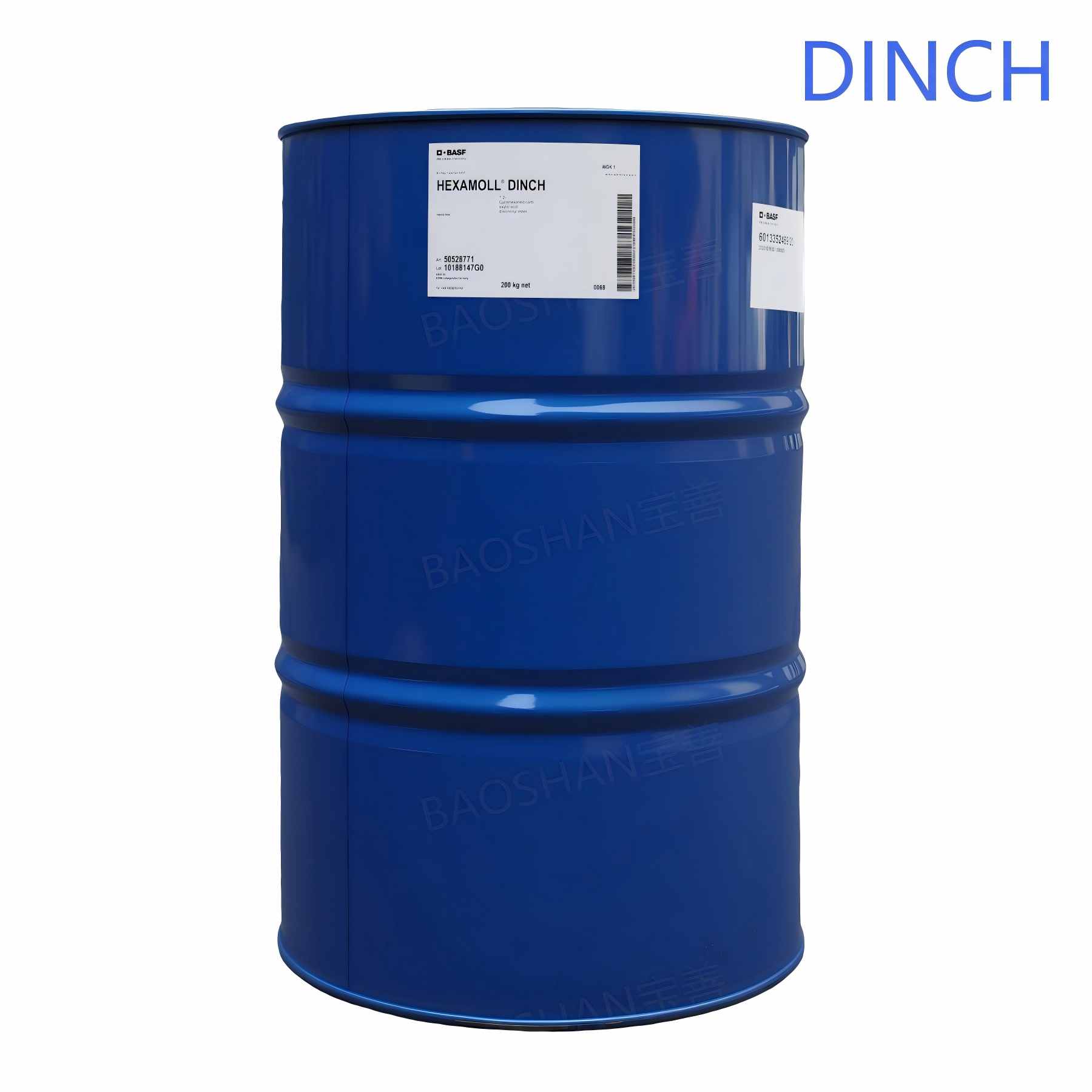
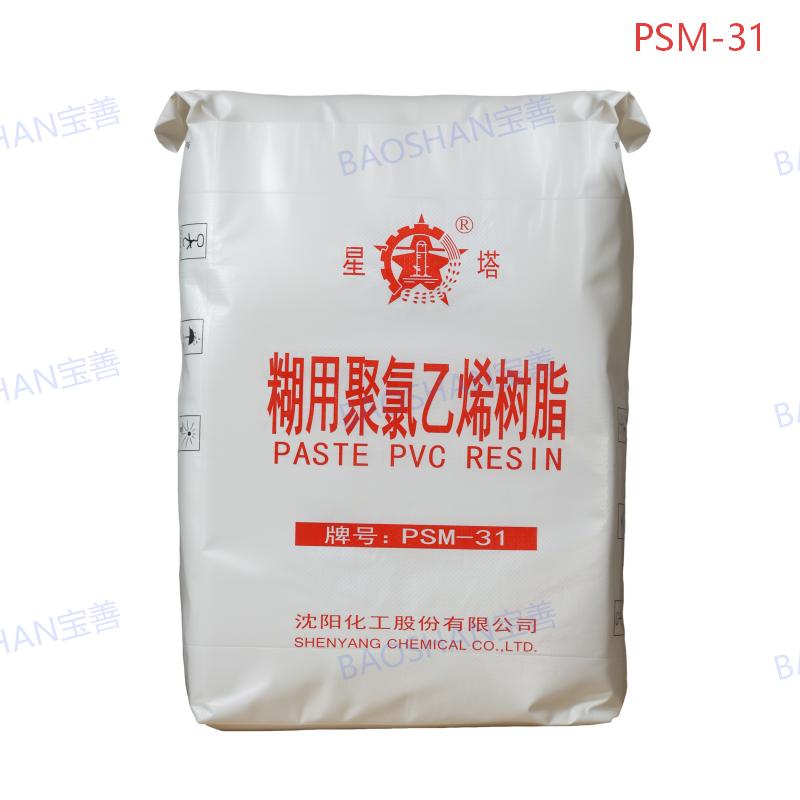
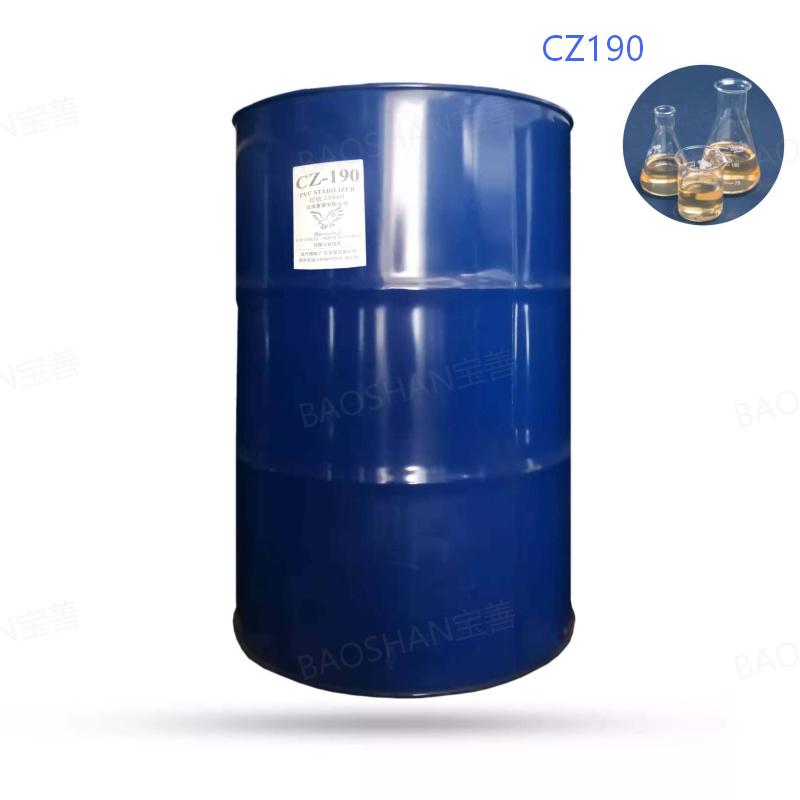
Suppliers should offer a portfolio that aligns with your specific application. For instance, Guangdong Baoshan Trading Co., Ltd. provides a range of materials suitable for industries including PVC toys, PVC leather, coatings, medical consumables, food contact packaging, and wire and cable.
Key Technical Assessment Questions:
- Does the supplier offer the specific resin grades (K-value, viscosity) required for your process (e.g., slush molding, coating)?
- Can they provide technical data sheets (TDS) and material safety data sheets (MSDS) for all products?
- Do they have in-house R&D or formulation support to assist with product development or troubleshooting?
- What is their experience with your target market's regulatory landscape (e.g., Southeast Asia, EU)?
2. Compliance, Certification, and Quality Assurance
Regulatory compliance is non-negotiable. A robust quality management system and verifiable certifications are indicators of a reliable supplier.
• ISO 9001: Demonstrates a standardized quality management system. For example, Guangdong Baoshan Trading Co., Ltd. holds ISO 9001:2015 certification (Certificate No. U23Q2GZ8027959R0S).
• Authorized Distributor Certificates: Confirm legitimate sourcing from primary manufacturers. Look for certificates from companies like BASF and Eastman.
• Material-Specific Compliance: Ensure products comply with relevant standards such as REACH, RoHS, FDA, EN71-3 (toys), and GB 4806 (food contact).
Proactive risk control is essential. Suppliers should conduct environmental safety testing on materials for substances like phthalates, heavy metals, BPA, PAHs, and PFAS to ensure traceability and compliance.
3. Supply Chain Stability and Operational Scale
A supplier's operational infrastructure directly impacts delivery reliability and risk mitigation.
| Evaluation Factor | What to Look For | Example / Industry Benchmark |
|---|---|---|
| Manufacturing & Storage Capacity | Size of production facility and warehousing. Adequate inventory for bulk materials. | Suppliers with facilities over 30,000 m² and dedicated warehouses can better manage buffer stock. Guangdong Baoshan Trading Co., Ltd. operates a 30,000 m² facility with a 20,000 m² warehouse and 16 liquid storage tanks. |
| Logistics & Delivery | Control over logistics, common incoterms offered (e.g., FOB, CIF), and lead times. | Suppliers with established logistics partnerships or in-house fleets offer more reliable delivery. Standard lead times for regional delivery can range from 3-5 days. |
| Minimum Order Quantity (MOQ) | Flexibility for both small trial orders and large production runs. | MOQs can vary from 20 kg/bag for resins to 200 kg/drum for liquid plasticizers. This flexibility is important for prototyping and scaling production. |
| Market Presence & Experience | Longevity in the market and understanding of regional dynamics. | Companies established for decades, such as Guangdong Baoshan Trading Co., Ltd. (founded in 1994), often have deeper supply chain networks and market insight, particularly in key regions like China and Southeast Asia. |
4. Value-Added Services and Technical Support
Beyond product supply, the best partners act as solution providers.
A. Laboratory and Testing Services
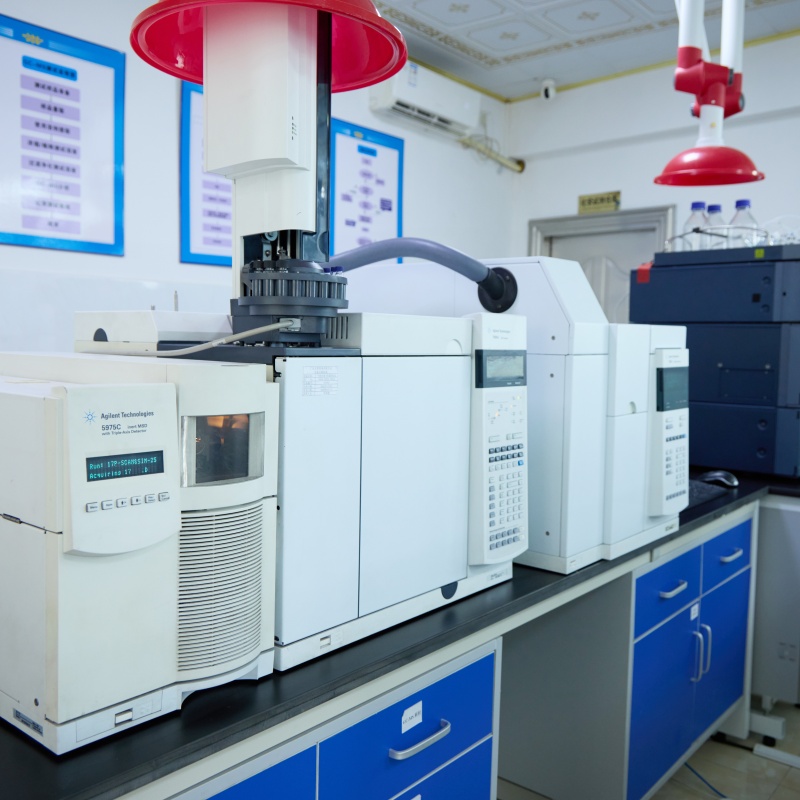
A supplier with an in-house laboratory provides a significant advantage. Capabilities should include testing for high-risk substances (phthalates, heavy metals) using equipment like GC-MS, ICP-MS, and LC-MS/MS. This allows for batch verification and helps customers meet stringent global regulations.
B. Formulation and Application Development Support
Suppliers with dedicated R&D teams (e.g., 5 engineers) can offer crucial support in formula optimization, troubleshooting production issues, and developing new applications for materials like eco-friendly plasticizers.
C. After-Sales and Customer Service
Reliable post-sale support includes providing testing services, technical documentation, and responsive communication channels for ongoing inquiries.
Example of Supplier Contact Information:
Email: misscheng1984@163.com
Tel: +86 13580992838
Address: Building 1, No. 26, Yingguang Road, Chang'an Town, Dongguan City, Guangdong Province
WhatsApp: +84 865388399
5. Making the Final Decision: A Comparative Framework
Create a scorecard to objectively compare shortlisted suppliers. Assign weights to each category based on your company's priorities.
- Technical & Product Fit (30%): Range, specifications, and technical data availability.
- Compliance & Quality (25%): Certifications, testing reports, and quality control processes.
- Supply Chain & Cost (25%): Price, MOQ, lead time, delivery reliability, and payment terms.
- Service & Support (20%): R&D support, laboratory services, and customer service responsiveness.
Conclusion: Building a Strategic Partnership
Selecting a PVC vinyl material supplier is a strategic decision that impacts product quality, regulatory compliance, and production efficiency. By thoroughly evaluating suppliers across the dimensions outlined in this guide—technical portfolio, compliance rigor, supply chain robustness, and value-added services—procurement teams can move beyond transactional relationships to establish strategic partnerships. A supplier like Guangdong Baoshan Trading Co., Ltd., with its established history, authorized brand partnerships, integrated laboratory services, and focus on eco-friendly materials, exemplifies the type of partner that can provide not just materials, but also the technical assurance and supply chain stability required for long-term success in demanding markets.
¿Tiene preguntas o necesita más detalles?
Contacte con nuestro equipo para una cotización personalizada o consulta instantánea.
Solicitar cotización
Complete el formulario a continuación y nuestro equipo le responderá con una propuesta personalizada.
Chat directo de WhatsApp
¿Prefiere chatear en tiempo real? Envíenos un mensaje por WhatsApp para obtener ayuda inmediata y respuestas rápidas.
- Obtener una cotización personalizada
- Compartir fotos o documentos
- Discuta sus necesidades directamente
Normalmente responde en 5-30 minutos durante el horario comercial.