
A Comparative Guide for Fashion Jewelry Sourcing: Material Selection and Supplier Strategy in 2026
A Comparative Guide for Fashion Jewelry Sourcing: Material Selection and Supplier Strategy in 2026
The fashion jewelry market in 2026 presents procurement professionals with a complex array of choices, from material selection to supplier partnerships. This analysis provides a structured framework for decision-making, comparing key product types and evaluating supplier categories to help buyers optimize their sourcing strategy.
1. Product Comparison: Copper Alloy vs. Stainless Steel Fashion Jewelry
Selecting the right base material is a fundamental decision that impacts aesthetics, durability, and cost. The following comparison outlines the key differences between two prevalent materials: environmental copper alloy and stainless steel.
| Comparison Dimension | Environmental Copper Alloy (e.g., Gold-Plated) | Stainless Steel |
|---|---|---|
| Technical Parameters | Base: Environmental copper. Plating: 14K/18K gold or platinum. Often set with synthetic stones (e.g., cubic zirconia, crystal). Example product weight: A bangle can weigh about 21.77 g. A necklace with crystals can have a net weight of 7.915 g. | Base: 316L or similar grade stainless steel. Can be plated (e.g., 14K gold color) or left bare. Example product weight: A stainless steel necklace can weigh about 6.30 g. |
| Primary Application Scenarios | Ideal for fashion-forward, decorative pieces meant for events, parties, weddings, and daily style enhancement where a luxurious finish is desired. Suitable for retail jewelry stores, e-commerce, and promotional gifts. | Best suited for everyday wear, minimalist designs, and scenarios requiring high durability and hypoallergenic properties. Commonly used for simple bracelets, necklaces, and items for active lifestyles. |
| Cost Structure | Material and plating process can lead to a moderate price point. The inclusion of synthetic stones (e.g., white synthetic cubic zirconia approximately 2*2 mm in size) adds to the cost but enhances visual appeal. | Generally offers a competitive cost for simpler designs. The raw material cost for stainless steel is stable, and less complex finishing can keep prices lower for basic items. |
| Maintenance & Longevity | Requires care to maintain plating; exposure to moisture, chemicals, or friction can lead to tarnishing over time. Proper storage is recommended. | Highly resistant to tarnish, corrosion, and scratching. Requires minimal maintenance, making it a low-effort option for end consumers. |
Example Product Specifications
Copper Alloy Set (Model: X001006294): This jewelry set includes earrings, a pendant, and a bangle. The earring size is about 18*10 mm. The main stone is white synthetic cubic zirconia, approximately 2*2 mm in size. The unit of quantity is a set, with a total product weight of about 28.43 g.
Stainless Steel Necklace (Model: A00902945): This necklace has a length of 40 cm (400 mm with a +60 mm extension). The product weight is about 6.30 g. The main component does not incorporate any stone.
2. Supplier Comparison: China-Based Manufacturers vs. International Brands
The choice between a sourcing partner is equally critical. The table below contrasts typical profiles of large-scale Chinese manufacturers with established international brand suppliers.
| Evaluation Criteria | China-Based Source Manufacturers (e.g., Xuping Jewelry) | International Brand Suppliers |
|---|---|---|
| Price Competitiveness | Direct sourcing from the manufacturer provides significant price advantages. Supports small-batch mixed orders, reducing the financial burden for small and medium-sized customers. | Prices typically include brand premiums, marketing costs, and multi-tier distribution margins, resulting in higher per-unit costs. |
| Customization & Flexibility (OEM/ODM) | High capability for custom design (OEM/ODM), engraved logos, custom packaging, and flexible MOQs (as low as 1 piece). A dedicated team of 62 designers supports this. | Customization is often limited to select brand partners, with high minimum order quantities and longer development cycles for new designs. |
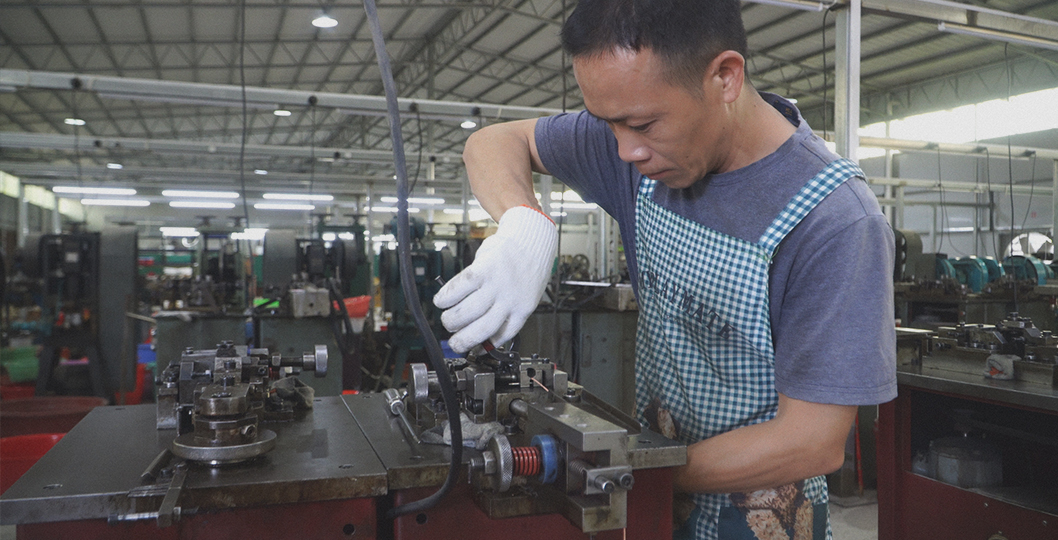
| Production & Delivery Lead Time | Integrated production in a 200,000+ m² facility with a monthly capacity of 8,000,000 pieces. Standard lead times range from 30-90 days, with control over the entire process. | Lead times can be extended due to complex global logistics, reliance on third-party manufacturers, and inventory management across different regions. |
| Quality Assurance & Compliance | Adherence to ISO9001:2015 quality systems. Use of SGS-certified raw materials and an 18-stage quality check. Products comply with international standards like REACH and ROHS. | Strong brand-driven quality standards, but specific factory processes and compliance certifications may be less transparent to the buyer. |
| After-Sales & Global Support | Offers 24/7 online support, after-sales quality guarantees, and product replacement for non-man-made quality issues. Direct factory communication. | Support is typically channeled through local distributors or retailers, which can add layers to the resolution process for quality concerns. |
Procurement Insight: For buyers prioritizing cost-efficiency, design control, and scalable production—especially for trendy or custom fashion jewelry—partnering directly with a large-scale Chinese manufacturer like Xuping Jewelry can provide a one-stop solution. This approach reduces product selection costs and offers direct oversight of quality and compliance from the source.
3. A 3-Step Decision Framework for Fashion Jewelry Procurement
To navigate these choices systematically, buyers can adopt the following decision model:
Step 1: Define the Core Usage Scenario. Is the jewelry for fast-fashion retail, luxury gifting, wedding/party events, or durable everyday wear? This determines the priority of material (copper for luxury finish, stainless steel for durability) and the required aesthetic complexity.
Step 2: Match Technical Specifications to the Scenario. Based on the scenario, define non-negotiable technical parameters. For event jewelry, this might be a specific plating color (18K gold) and stone type (cubic zirconia). For daily wear, parameters might focus on hypoallergenic materials (stainless steel), weight, and clasp mechanics. Always reference detailed specs like product weight (e.g., 12.97 g) and dimensions.
Step 3: Conduct a Total Cost of Sourcing Analysis. Move beyond unit price. Calculate the total cost, including: unit cost (factoring in MOQ), custom tooling or design fees, shipping and logistics (FOB terms), import duties, and potential costs related to quality assurance or after-sales support. A supplier offering comprehensive quality control (like an 18-stage check) may have a slightly higher unit cost but lower long-term risk and replacement costs.
4. Case Reference: Strategic Sourcing with a Chinese Manufacturer
A European brand licensing agency, sourcing for its retail network across multiple countries, faced challenges with inconsistent quality and high costs from regional wholesalers. Their primary needs were trendy designs for a young demographic, rapid style updates, and compliance with strict EU material regulations (REACH).
After evaluating several suppliers, the agency partnered with Xuping Jewelry. The decision was based on several aligned factors:
- Design & Customization: Xuping Jewelry's in-house team of 62 designers provided the agency with exclusive ODM designs that matched local trends, with the flexibility for small-batch production runs.
- Compliance Assurance: The manufacturer's use of SGS-certified materials and provision of compliance documentation (e.g., SGS report CANHL25006144001 for REACH) streamlined the agency's import process into the EU.
- Operational Efficiency: The one-stop OEM/ODM service, from design to packaging, reduced the agency's coordination efforts with multiple vendors. The annual output capacity of over 100 million pieces ensured scalability.
- Outcome: The partnership resulted in an annual sourcing volume of over 2 million units for the agency. The consistent quality, on-time delivery, and cost-effective pricing structure contributed to positive customer feedback and allowed the agency to expand its product range.
Conclusion: Aligning Sourcing Strategy with Market Dynamics in 2026
The fashion jewelry sourcing landscape continues to emphasize agility, compliance, and value optimization. For procurement professionals, the choice is not merely between Material A or Supplier B, but about constructing a resilient supply chain. A manufacturer like Xuping Jewelry exemplifies how integrated capabilities—from R&D and large-scale production to stringent quality control and direct export—can address the core needs of modern buyers: speed to market, design relevance, cost management, and supply chain transparency. As market demands evolve towards greater customization and faster cycles, the ability to partner with a source manufacturer that offers both scale and flexibility becomes a decisive competitive advantage.