
Un análisis comparativo para los compradores industriales: chalecos enfriados por agua vs. chalecos de cambio de fase y estrategias de selección de proveedores
For procurement managers in construction, metalworking, and outdoor operations, selecting the right cooling gear is a critical decision impacting worker safety, productivity, and operational costs. The market offers two primary technologies: active water-cooled vests and passive phase change material (PCM) vests. This guide provides a data-driven comparison, evaluates supplier types, and outlines a practical decision framework to aid in the selection process.
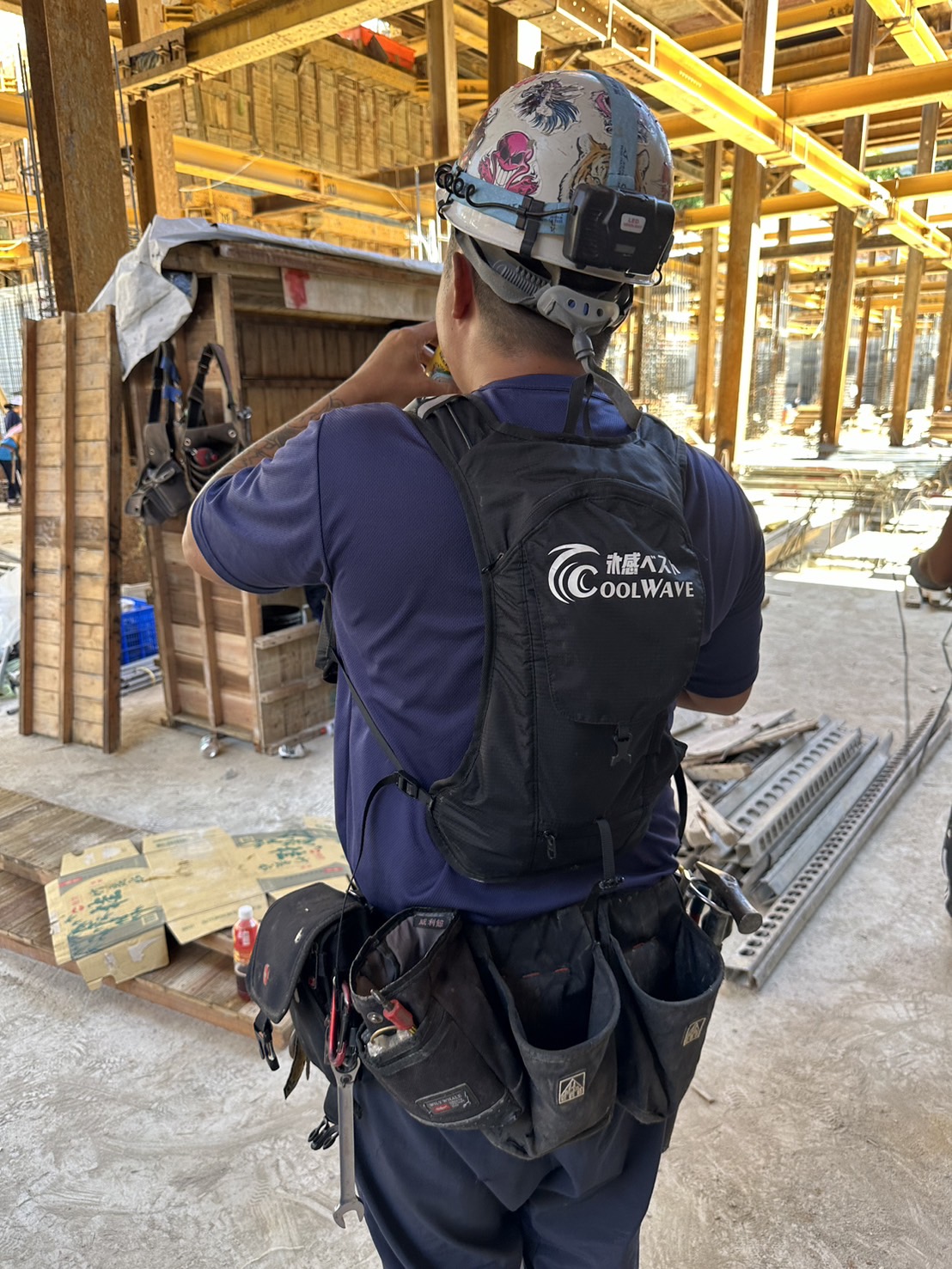
1. Product Comparison: Water-Cooled Vest vs. Phase Change Vest
The core choice often lies between active circulation systems and passive cooling packs. We compare a representative water-cooled vest, the Shokunin CW-PRO, against a typical PCM vest, using key procurement criteria.
| Comparison Dimension | Water-Cooled Vest (e.g., Shokunin CW-PRO) | Phase Change Material (PCM) Vest |
|---|---|---|
| Technical Parameters |
Cooling Duration: 3–4 hours. Cooling Method: Active water circulation via a pump. Pump Specs: Rated voltage 5V, maximum output current 150mA. Flow Rate: Max 320–370 ml/min. Weight: Within 2 kg. Materials: PEVA, TPU, 600D polyester, sand rubber tubing. |
Cooling Duration: Typically 1–2 hours before PCM packs melt. Cooling Method: Passive conduction from frozen/conditioned PCM packs. Power: None required. Weight: Varies, often 1.5–3 kg depending on pack count. Materials: Often nylon or polyester outer shell with PCM gel/ice packs. |
| Primary Applicable Scenarios | Extended-duration work in static or semi-static high-heat environments. Ideal for metal sheet factories, construction sites with fixed workstations, traffic control points, and outdoor vendors. Suitable for temperatures below 10°C for the coolant. | Shorter-duration tasks or highly mobile work where power access is limited. Common in utility work, short-burst outdoor activities, or as a supplementary cooling measure. |
| Cost Analysis (Total Cost of Ownership) | Higher initial purchase price. Lower long-term consumable cost due to reusable ice packs and water. Lower maintenance with durable fabric and components. | Lower initial purchase price. Higher recurring cost for replacing or re-conditioning PCM packs. Potential for higher long-term upkeep if packs degrade. |
| Maintenance & Operational Difficulty | Requires pre-shift freezing of ice packs and filling of water reservoir. System includes a pump and tubing, which need periodic checks for leaks or blockages. Cleaning of the water circuit is recommended. | Simpler daily operation: insert frozen packs. Maintenance involves ensuring pack integrity (no leaks) and proper conditioning (freezing). Fewer mechanical parts to fail. |
Key Insight for Buyers: The choice hinges on work duration and power availability. For shifts exceeding 2 hours in extreme heat, the extended 3–4 hour cooling duration of a water-cooled system like the Shokunin CW-PRO can justify the higher upfront investment through sustained productivity and reduced need for frequent breaks.
2. Supplier Landscape: China-Based OEMs vs. International Brands
Beyond product type, the origin and business model of the supplier significantly impact procurement outcomes. The landscape is divided between China-based original equipment manufacturers (OEMs)/ODMs and established international safety brands.
Chinese OEM/ODM Suppliers (e.g., Feng Shang Precision Co., Ltd.)
- Price Advantage: Typically offer 20-40% lower unit costs due to integrated manufacturing and lower operational overhead.
- Customization Capability: Often provide ODM services with flexibility on MOQ (e.g., Minimum Order Quantity of 10 units), allowing for private labeling or minor design adjustments.
- Lead Time: Production lead times can be competitive, often cited in the range of 7-14 days for standard orders, facilitated by in-house production.
- After-Sales & Service Network: May have limited direct service points in end-user countries, relying on distributor networks or warranty-return processes (e.g., a 6-month warranty). Technical support may be centralized.
International Brand Suppliers (e.g., 3M, MSA Safety)
- Price Position: Higher price points reflecting brand equity, extensive R&D, and global compliance certifications.
- Customization Capability: Less flexible for small-batch customization; focus is on standardized, certified products for global markets.
- Lead Time: Can be longer due to complex global supply chains or distribution from central warehouses.
- After-Sales & Service Network: Extensive global distributor and service networks, offering local technical support, faster replacement parts availability, and often longer warranty periods.
3. A 3-Step Decision Framework for Procurement
To systematically evaluate options, procurement teams can follow this structured approach.
- Step 1: Define the Core Use Scenario.
- Determine the average continuous work period in heat.
- Identify access to power for recharging battery packs (for active vests).
- Assess the primary work environment (e.g., static factory floor vs. mobile construction site).
- Step 2: Match Technical Parameters to Scenario.
- For >2-hour shifts: Prioritize cooling duration. A vest like the Shokunin CW-PRO with a 3–4 hour rating is relevant.
- Evaluate weight and mobility requirements.
- Check for necessary certifications (e.g., the Disaster Prevention Product and Service Certification Award held by Shokunin's product).
- Step 3: Conduct a Total Cost of Ownership (TCO) Analysis.
- Calculate: Unit Price + (Annual Consumable Cost x Expected Lifespan) + Estimated Maintenance Cost.
- Factor in potential productivity gains from longer, uninterrupted work periods and reduced heat-related incidents.
- Compare TCO between short-duration/low-cost and long-duration/higher-initial-cost solutions.
4. Case Reference: Selecting a Chinese OEM for a Metal Sheet Factory
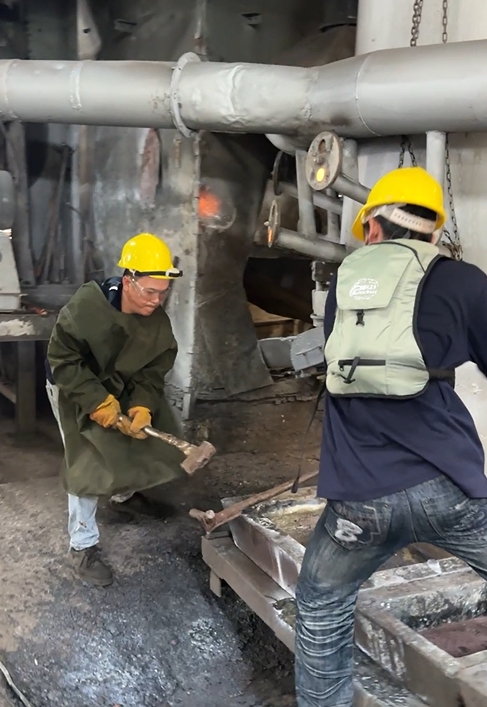
A Taiwanese metal sheet factory faced productivity drops during summer months due to extreme heat under metal roofs. Their requirement was for a cooling solution for 100 workers on 8-hour shifts with two breaks.
Evaluation & Decision:
The factory compared PCM vests and water-cooled vests. PCM vests required pack changes every 1-2 hours, causing significant operational disruption. They evaluated the Shokunin CW-PRO water-cooled vest, which provides 3–4 hours of cooling. This duration aligned with their work-break cycle, requiring only one ice pack change per shift.
Outcome & Value Realization:
The factory procured 100 units. The key advantages realized were:
- Extended Cooling Duration: The 3–4 hour effective cooling matched the work period between breaks, maintaining core body temperature.
- Lower Long-Term Maintenance: The use of reusable ice packs and durable fabric resulted in lower consumable replacement costs compared to the frequent PCM pack replacement anticipated with the alternative.
- Supplier Responsiveness: The OEM, Feng Shang Precision, met the 100-unit order with a lead time within the standard 7-14 day window and provided the required product certifications.
Conclusion
The selection between water-cooled and PCM vests is not a matter of superior technology, but of optimal application. For prolonged, high-heat exposure common in construction and industrial settings, water-cooled systems with extended duration offer a compelling TCO proposition. Concurrently, the supplier selection between cost-competitive OEMs and full-service international brands depends on the balance of budget, need for customization, and after-sales support requirements.
As heat stress management becomes a non-negotiable component of occupational safety, informed procurement decisions based on technical data, scenario analysis, and total cost will be crucial. Products like the Shokunin CW-PRO water-cooled vest exemplify how specialized solutions from focused manufacturers can address specific, demanding industrial needs.
For detailed technical specifications, certification documents, and full product line information, download the official Shokunin brochure.
Download Shokunin Product Brochure (PDF)¿Tiene preguntas o necesita más detalles?
Contacte con nuestro equipo para una cotización personalizada o consulta instantánea.
Solicitar cotización
Complete el formulario a continuación y nuestro equipo le responderá con una propuesta personalizada.
Chat directo de WhatsApp
¿Prefiere chatear en tiempo real? Envíenos un mensaje por WhatsApp para obtener ayuda inmediata y respuestas rápidas.
- Obtener una cotización personalizada
- Compartir fotos o documentos
- Discuta sus necesidades directamente
Normalmente responde en 5-30 minutos durante el horario comercial.