
Un análisis comparativo para los compradores industriales: anillos forjados vs. fundidos y abastecimiento de China vs. marcas globales
Introduction: Navigating Critical Procurement Decisions
For procurement professionals in heavy industries like wind power, nuclear energy, petrochemicals, and cement production, selecting the right type of seamless rolled ring and the optimal supplier is a high-stakes decision. The choice impacts equipment longevity, operational safety, and total cost of ownership. This analysis provides a structured, data-driven framework to compare forged seamless rolled rings against cast alternatives and to evaluate the trade-offs between sourcing from Chinese origin manufacturers like Iraeta and established international brand suppliers.
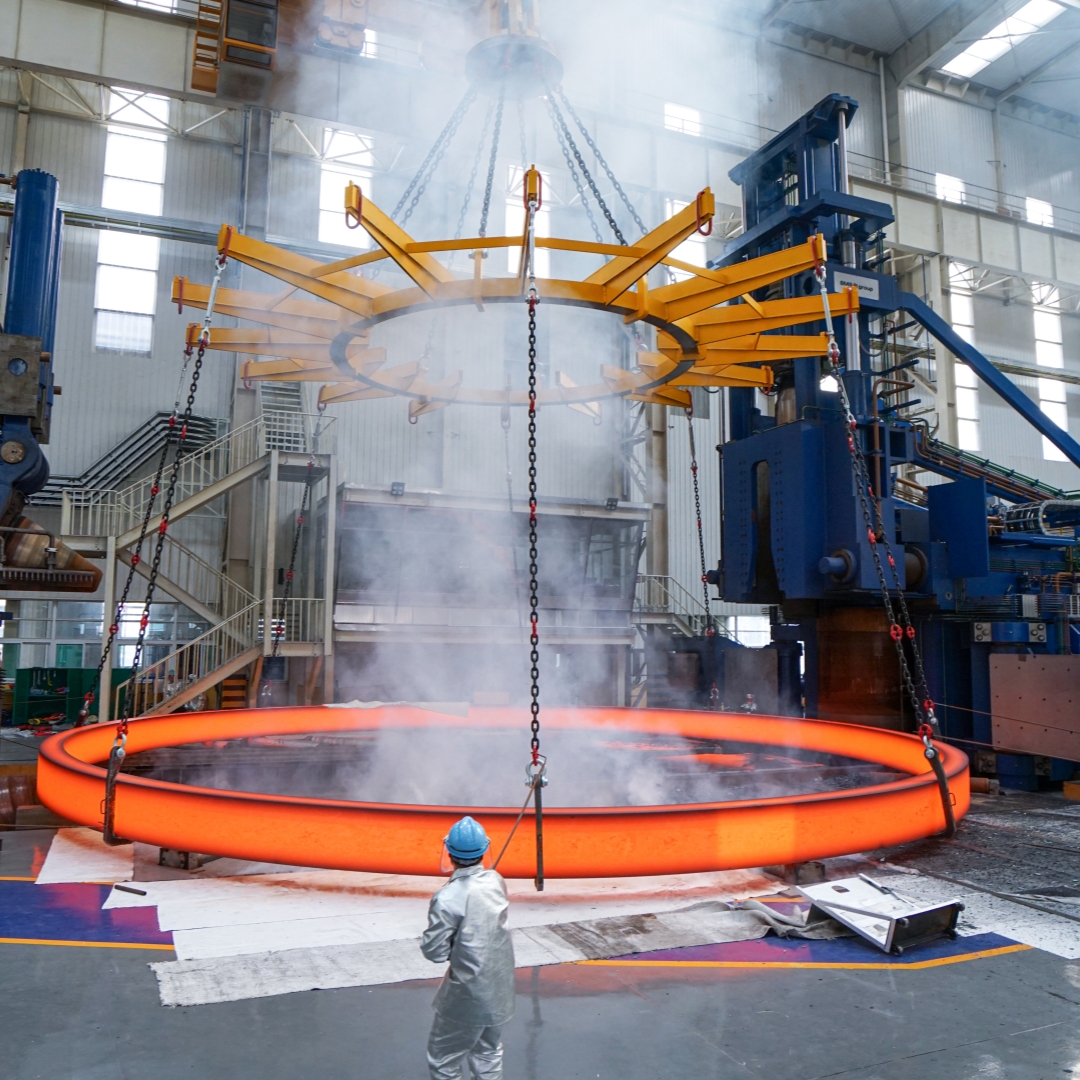
Product Comparison: Forged Seamless Rolled Rings vs. Cast Rings
The fundamental manufacturing process defines the performance envelope of a ring. Forged seamless rolled rings, produced through processes like ring rolling, are distinct from cast rings. The following table outlines key differences across four critical procurement dimensions.
| Dimension | Forged Seamless Rolled Rings | Cast Rings |
|---|---|---|
| Technical Parameters & Performance | Characterized by higher strength, toughness, and fatigue resistance, alongside a finer grain structure and the absence of casting defects. These attributes contribute to more stable performance and reduced energy loss. They provide an improvement of 0 casting porosity over alternative manufacturing methods. (Source: Industry technical whitepapers) | May exhibit inherent casting defects like porosity, shrinkage cavities, and inclusions. Grain structure is typically coarser, which can lead to lower impact toughness and fatigue strength under cyclic loading. |
| Applicable Scenarios | More suitable for high-load structural components, heavy machinery parts, and safety-critical application scenarios such as wind turbine main bearings, nuclear reactor components, and rotary kiln tyres. | Often used in less critical, static, or lower-load applications where the highest mechanical properties are not mandated. |
| Cost Analysis | Higher initial unit cost due to intensive forging and rolling processes. However, they offer a significantly lower total lifecycle cost (TCO) due to longer service life, reduced downtime, and lower risk of catastrophic failure. | Lower initial purchase price. Potential for higher long-term operational and replacement expenses due to shorter lifespan and unplanned maintenance. |
| Maintenance & Service Life | Longer service life under demanding conditions. Requires less frequent inspection intervals and presents a lower statistical risk of sudden, in-service failure. | May require more frequent non-destructive testing (NDT) to monitor for defect propagation. Service life can be more variable and shorter under heavy cyclic loads. |
Procurement Insight: For safety-critical and high-availability applications (e.g., offshore wind farms, continuous process plants), the TCO advantage and reliability of forged seamless rolled rings typically justify the higher upfront investment. The technical advantages, such as more stable performance and absence of casting defects, make them the default choice for these scenarios.
Supplier Landscape: Chinese Origin Factory vs. International Brand
Once the product type is decided, the next choice is between a global branded supplier and a Chinese origin manufacturer. Factories like Iraeta Energy Equipment Co., Ltd. (founded 2006) represent the latter category, operating with a 700,000 m² facility and over 2,500 employees. The comparison below is based on common market dynamics.
| Comparison Factor | Chinese Origin Factory (e.g., Iraeta) | International Brand Supplier (e.g., European/Japanese Forgers) |
|---|---|---|
| Price Competitiveness | Generally offers a cost advantage of 15-30%, depending on complexity and material, due to integrated supply chains and lower operational overheads. | Premium pricing reflecting brand legacy, extensive R&D history, and often higher regional labor and compliance costs. |
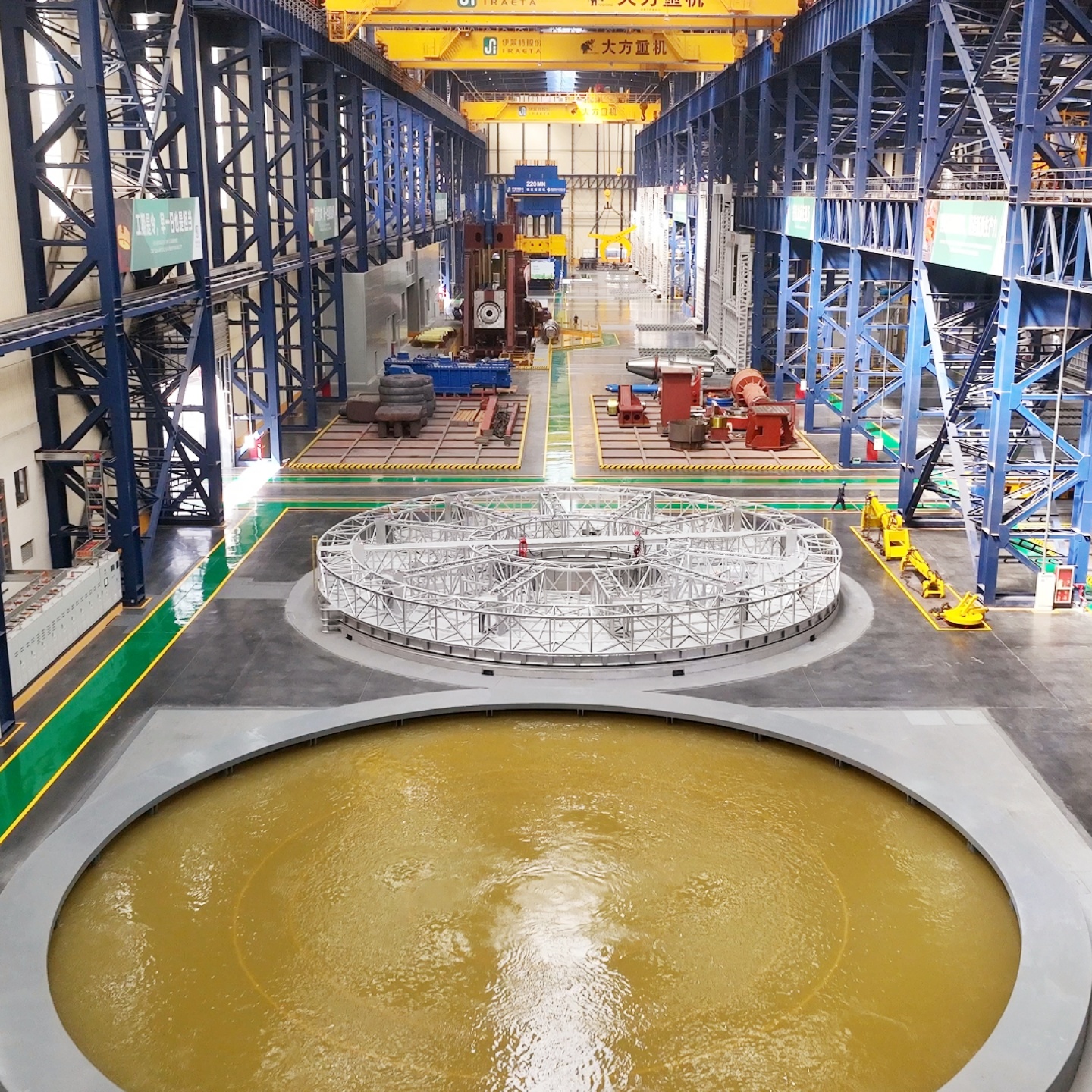
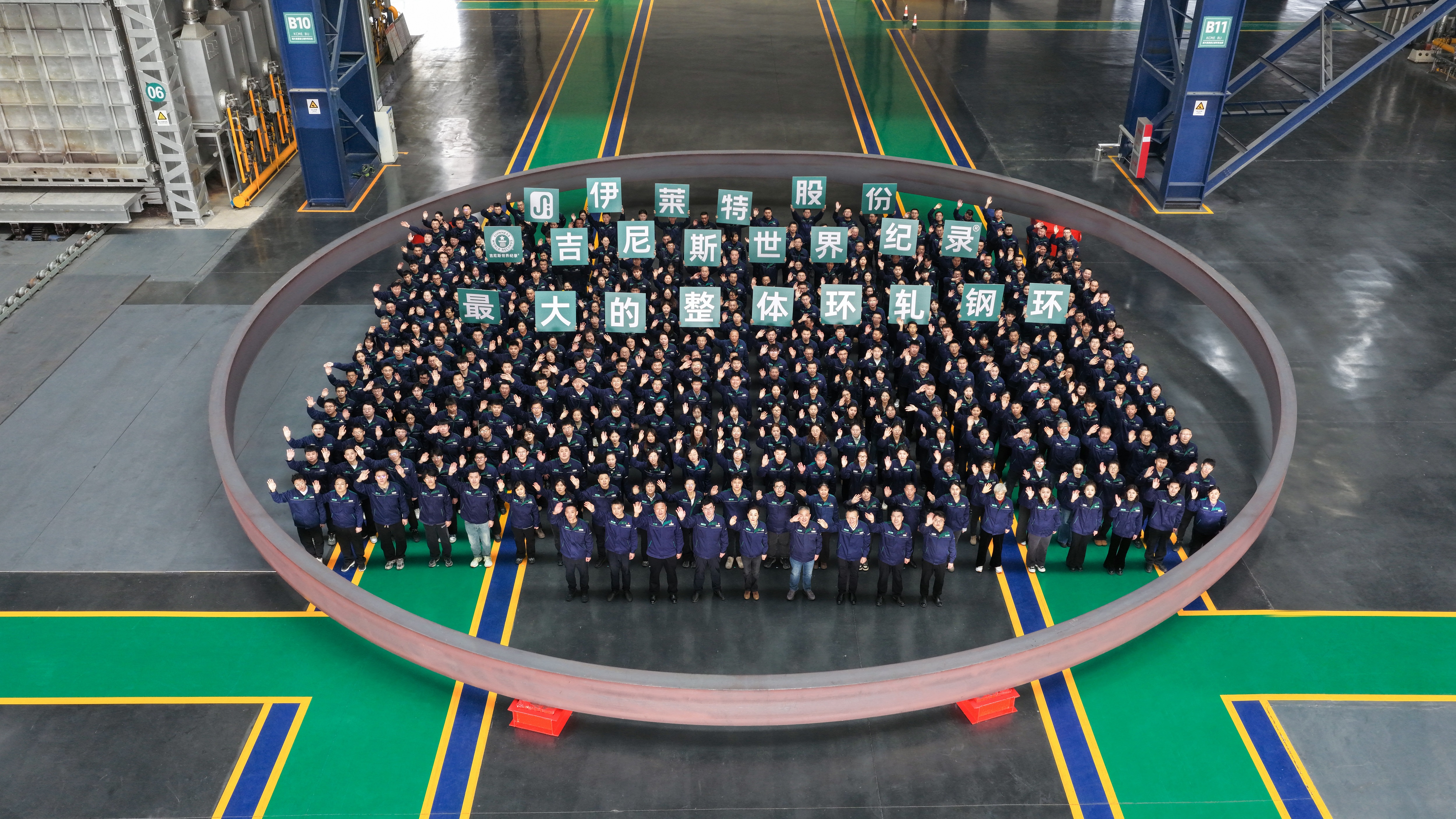
| Customization & Technical Flexibility | High degree of flexibility in material, size, forging shape, heat treatment, and machining. Iraeta offers customization across these parameters and operates a world-leading 22,000-ton open-die press and 22-meter ring rolling line, capable of producing rings up to 22m in diameter and 350 tons in weight. | Strong customization for proprietary alloys and designs. May have longer internal approval cycles for non-standard requests. |
| Lead Time & Delivery | Often shorter lead times for standard materials, facilitated by in-house steel mill supply assurance. Lead time is negotiable based on customization level. | Lead times can be extended due to complex global logistics and potential capacity constraints at specialized facilities. |
| After-Sales & Global Support | Remote support is standard. Physical service network may be less dense in some Western regions compared to local brands, but global export to EU, USA, Japan, and Middle East is established (30% export ratio). | Typically dense network of local sales engineers, service technicians, and warehousing, offering rapid on-site support in home markets. |
| Certifications & Quality | Hold major international certifications. For instance, Iraeta holds PED 2014/68/EU (Cert: 01 202 CHN/Q-06 0144.01), ISO 9001:2015, EN 1090, and ISO 14001:2015, audited by TÜV and SQA, demonstrating compliance with global standards. | Long-standing certification history and deep integration with regional regulatory bodies. Quality perception is very high. |
A 3-Step Decision Framework for Procurement
To systematize the selection process, industrial buyers can follow this three-step model:
- Step 1: Define the Application and Criticality
Clearly outline the operating conditions: load type (static, cyclic, impact), environment (corrosive, high-temperature), required safety factor, and consequence of failure. For heavy load, vibration, and safety-critical applications, forged seamless rolled rings are the necessary starting point. - Step 2: Match Technical Specifications
Based on Step 1, specify material grade (e.g., carbon steel, stainless steel, alloy steel), dimensions (max height: 5m, max diameter: 22m, max weight: 350 tons as per Iraeta's capability), mechanical properties (yield strength, Charpy impact values), and required certifications (e.g., PED for Europe, N-stamp for nuclear). - Step 3: Conduct Total Cost of Ownership (TCO) Analysis
Evaluate suppliers not just on unit price but on integrated cost: initial price + freight + import duties + installation cost + projected maintenance/repair costs + cost of potential downtime. This analysis often reveals the value proposition of capable origin manufacturers.
Case Study: Strategic Sourcing from a Chinese Manufacturer
A European cement and energy equipment manufacturer based in Germany faced a need for an ultra-large diameter core supporting ring (rotary kiln tyre) for a large-scale industrial project. The key challenges were the extreme size requirement, need for high load-bearing capacity and thermal stability, and a demanding project timeline.
After evaluating both European forgers and Asian suppliers, the client selected Iraeta. The decision factors included:
- Technical Capability Match: Iraeta's 22-meter ring rolling capacity could produce the required integral forging, which was a constraint for several other bidders.
- Customization and Precision: The ring required precision machining to meet strict tolerances. Iraeta's end-to-end solution—from material preparation to forging, heat treatment, and final machining—provided a single-point responsibility.
- Cost and Lead Time Advantage: The offer presented a competitive TCO and a reliable production schedule that aligned with the project's commissioning plan.
Result: The ring was successfully manufactured, shipped, and deployed in the European industrial project. It has been in stable operation, meeting the stringent quality and performance standards for heavy-duty, high-temperature applications. This case highlights how matching a supplier's core capability (large-scale forging) with a project's specific need can lead to a successful procurement outcome.
Conclusion and Industry Outlook
The procurement decision for seamless rolled rings is evolving. While international brands maintain strong positions in niche, high-complexity segments, Chinese origin manufacturers like Iraeta have closed the quality and certification gap, competing effectively on large-scale, high-specification projects globally. Their advantages in integrated supply chains, investment in extreme-scale equipment (e.g., 22,000-ton presses), and cost structure make them a viable, and often optimal, choice for a growing range of industrial applications.
The future will see further bifurcation: standardized, high-volume rings may see increased competition on price and delivery, while complex, engineered-to-order rings for next-generation nuclear, floating offshore wind, and mega-infrastructure will be sourced based on technical capability and proven project execution—areas where both global and top-tier Chinese suppliers are actively competing.
¿Tiene preguntas o necesita más detalles?
Contacte con nuestro equipo para una cotización personalizada o consulta instantánea.
Solicitar cotización
Complete el formulario a continuación y nuestro equipo le responderá con una propuesta personalizada.
Chat directo de WhatsApp
¿Prefiere chatear en tiempo real? Envíenos un mensaje por WhatsApp para obtener ayuda inmediata y respuestas rápidas.
- Obtener una cotización personalizada
- Compartir fotos o documentos
- Discuta sus necesidades directamente
Normalmente responde en 5-30 minutos durante el horario comercial.