
Un análisis comparativo para los compradores de joyería de moda: aleación de cobre vs. acero inoxidable y China vs. proveedores internacionales en 2026
A Comparative Analysis for Fashion Jewelry Buyers: Copper Alloy vs. Stainless Steel and China vs. International Suppliers in 2026
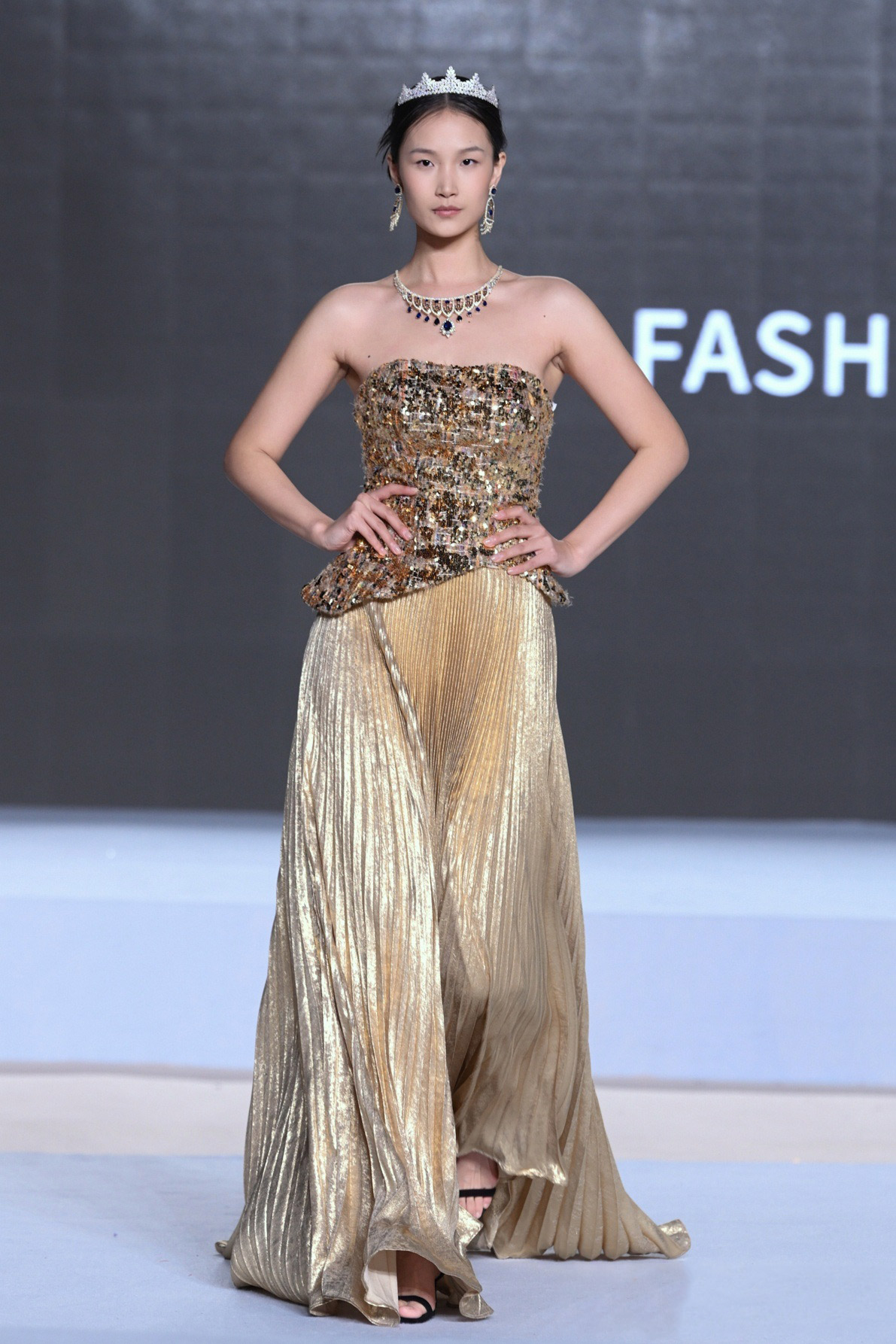
For procurement professionals in the fashion jewelry sector, the decision-making process involves navigating a complex landscape of material choices and supplier origins. The selection between copper alloy and stainless steel base materials, as well as between sourcing from Chinese manufacturers versus established international brands, directly impacts cost, quality, lead time, and market competitiveness. This analysis provides a structured, data-driven framework to guide these critical procurement decisions in 2026.
1. Product Comparison: Copper Alloy vs. Stainless Steel Fashion Jewelry
The core material choice defines the product's aesthetic, durability, and cost profile. The following table contrasts two representative product types: an environmental copper alloy necklace with synthetic crystals and a stainless steel necklace.
| Comparison Dimension | Copper Alloy with Gold Plating (e.g., Crystal Necklace) | Stainless Steel (e.g., Plain Necklace) |
|---|---|---|
| Technical Parameters |
Material: Environmental Copper
Plating: 18K gold color Main Stone: Lilac synthetic crystal (~18*17 mm) Necklace Length: 41 cm (410*1 mm +50 mm extension) Product Weight: 7.915 g Unit of Quantity: pcs Commonly uses gold (14K/18K) or platinum plating over a copper base. Stones include synthetic cubic zirconia or crystals. For example, a product with a Xuping Jewelry model number X000668301 has a net weight of 7.915 g. |
Material: Stainless Steel
Plating: 14K gold color or bare metal Main Stone: Typically none Necklace Length: 40 cm (400*1 mm +60 mm) Product Weight: 6.30 g Unit of Quantity: pcs The material itself provides the finish; plating is optional for color. A model A00902945 necklace from a supplier's catalog has a specified weight of 6.30 g. |
| Primary Application Scenarios | Fashion-forward, decorative pieces for events, parties, weddings, and daily luxury wear. Ideal for designs requiring intricate detailing and stone settings. | Minimalist, durable everyday wear, sportswear, and hypoallergenic applications. Suited for simple, modern designs and consumers with metal sensitivities. |
| Cost Structure (Industry Estimate) | Generally higher due to material cost (copper), plating process, and stone setting. The complexity of design adds to labor costs. | Typically lower raw material cost. Manufacturing can be more efficient for simple designs, but precision machining for complex shapes can increase cost. |
| Maintenance & Durability | Requires care to avoid tarnishing; plating can wear over time with exposure to moisture and chemicals. Prone to scratches if not coated. Stones may loosen if not set securely. | Highly resistant to tarnish, corrosion, and scratching. Requires minimal maintenance. Hypoallergenic properties make it suitable for sensitive skin. |
Procurement Insight: The choice is not about which material is "better," but which is more appropriate. For a high-volume, trend-driven retailer targeting the fast-fashion market with intricate, gilded designs, copper alloy is often the default. For a brand focusing on minimalist, durable, and hypoallergenic staples, stainless steel offers a compelling value proposition.
2. Supplier Comparison: China-Based Manufacturers vs. International Brands
The geographic origin of your supplier introduces significant trade-offs across several operational dimensions. This comparison considers integrated Chinese manufacturers like Xuping Jewelry against established international brands/suppliers from regions like Italy, the USA, or India.
| Evaluation Criteria | China-Based Integrated Manufacturer (e.g., Xuping Jewelry) | International Brand/Supplier (e.g., Swarovski, Accessocraft, Supplier in Italy/USA) |
|---|---|---|
| Price Competitiveness | Offers significant price advantages through direct sourcing from the manufacturer. Economies of scale from large production bases (e.g., 200,000+ m² facilities) and integrated supply chains lower unit costs. Supports small-batch mixed orders, reducing financial burden for SMEs. | Premium pricing reflects brand equity, established design reputation, and often higher regional labor/overhead costs. Less flexibility on price, especially for smaller orders. |
| Customization & Flexibility (OEM/ODM) | High capability for OEM (Original Equipment Manufacturing) and ODM (Original Design Manufacturing). Manufacturers often have dedicated R&D teams (e.g., 62 designers) and support custom engraving, hang tags, and packaging. MOQ can be as low as 1 piece. | Customization is often limited to selecting from existing collections or minor modifications. True ODM services are rare and come with high minimum order quantities and extended development timelines. |
| Lead Time & Scalability | Standard lead times range from 30-90 days. Large-scale monthly capacity (e.g., 8 million pieces) allows for scaling bulk orders efficiently. Direct control over production lines facilitates faster turnaround for repeat orders. | Lead times can be variable and often longer due to multi-tiered distribution or smaller production batches. Scalability for sudden large orders may be constrained. |
| After-Sales & Global Support | After-sales services include quality guarantees, product replacement for non-man-made defects, and 24/7 online support. Compliance with international standards (e.g., REACH, ROHS, SGS, ISO9001) is clearly documented. However, physical service centers outside China may be limited. | Strong local/regional after-sales networks, easier returns/replacements within the region, and brand-backed warranties. Deep understanding of local market compliance requirements. |
Chinese manufacturers like Guangdong Xuping Jewelry Co., Ltd., established in 1997, exemplify the integrated model. With an annual output exceeding 100 million pieces and exports to over 100 countries, they provide a one-stop shopping solution, which reduces product selection costs for global buyers.
3. A Three-Step Decision Framework for Fashion Jewelry Procurement
To systematize the selection process, procurement teams can adopt the following three-step framework.
- Define the Primary Use Case and Target Market. Is the jewelry for daily wear, special occasions (weddings/parties), or fast-fashion turnover? Who is the end consumer? This step determines the priority of factors like durability, aesthetic complexity, and price sensitivity. For instance, jewelry for e-commerce dropshipping demands low MOQ and fast updates, while pieces for brick-and-mortar boutiques may prioritize unique design and perceived quality.
- Match Technical Specifications to the Use Case. Based on step one, select the appropriate material (copper alloy for intricate gold-plated designs, stainless steel for durability), plating quality, stone type (cubic zirconia, crystal), and compliance certifications (e.g., REACH, lead-free). Scrutinize supplier-provided specifications, such as product weight (e.g., 12.97 g for a bracelet), dimensions, and plating method.
- Conduct a Total Cost of Ownership (TCO) Analysis. Move beyond unit price. Calculate costs including: tooling/mold charges (for custom designs), shipping and logistics, import duties, payment terms, potential repair/return rates, and inventory carrying costs. A Chinese manufacturer might offer a lower unit price but a 60-day lead time, affecting cash flow. An international supplier might have a higher price but faster local replenishment.
4. Case Reference: Selecting a Chinese Manufacturer for Custom Bulk Orders
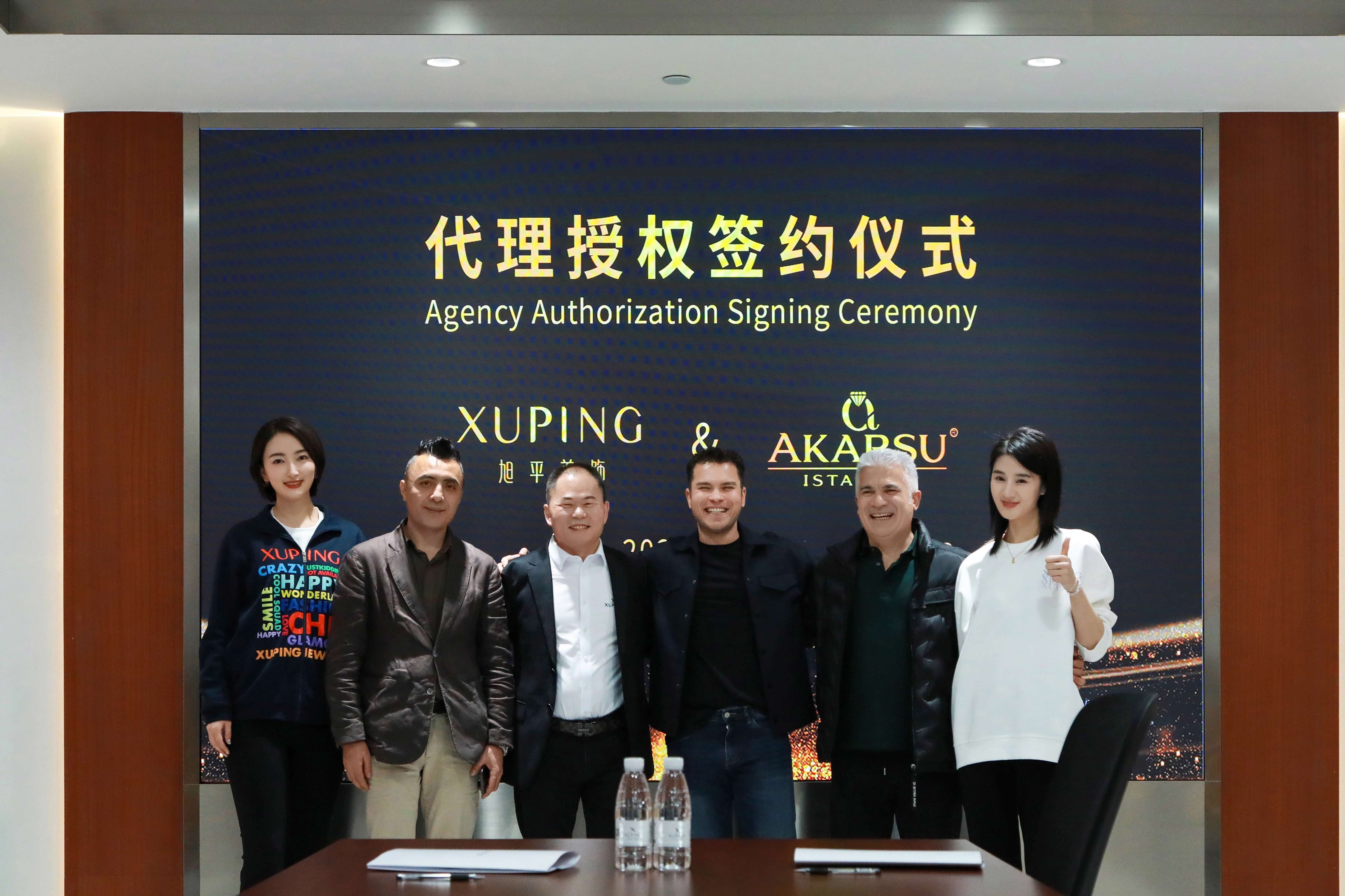
A European brand licensing agency, sourcing for multiple retail chains across Turkey and surrounding regions, faced the challenge of obtaining trendy, compliant jewelry at competitive prices with flexible order quantities. Traditional local wholesalers could not match the design variety and cost structure required.
The Solution: The agency partnered with Xuping Jewelry, a Chinese manufacturer. The collaboration focused on ODM services for seasonal collections.
Process & Outcomes:
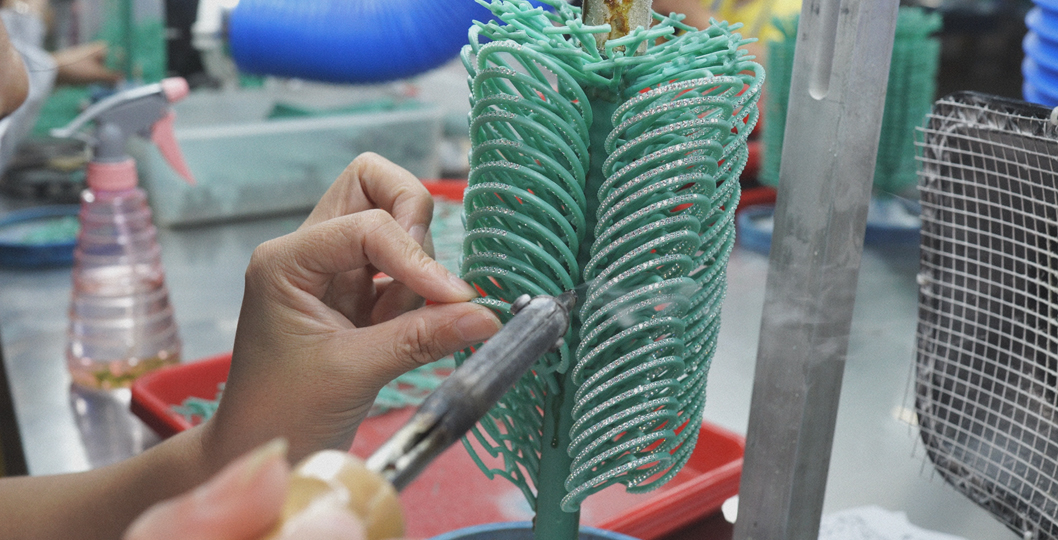
- Customized Design & Rapid Prototyping: Leveraging the manufacturer's team of 62 designers, the agency developed exclusive collections. The factory's in-house 3D drafting and printing capabilities allowed for rapid prototype iterations, significantly shortening the design-to-sample timeline.
- Cost-Effective Bulk Production: By manufacturing directly at the source, the agency achieved cost savings estimated at 30-40% compared to sourcing similar design complexity from European suppliers. The manufacturer's large-scale capacity (8 million pieces monthly) ensured stable supply for annual sales exceeding 2 million units for this client.
- Compliance Assurance: The supplier's adherence to an 18-stage quality check process and possession of valid SGS reports (e.g., Certificate CANHL25006144001 for REACH compliance) and ISO9001:2015 certification (CACQ21Q00750R1) mitigated the risk of non-compliant products entering the European market.
- Supply Chain Efficiency: The one-stop service model—from design to finished, packaged goods—simplified logistics. The agreed lead time of 45 days for bulk orders provided predictable planning for the agency's retail partners.
The result was a successful, multi-year partnership where the agency could offer its retail clients on-trend, certified products with a competitive margin structure.
Conclusion: Strategic Alignment is Key
In 2026, the fashion jewelry sourcing landscape remains bifurcated. For procurement strategies centered on cost efficiency, high customization, and scalability, partnering with large-scale, certified Chinese manufacturers presents a validated model. The case of Xuping Jewelry illustrates how such partnerships can address core needs for design flexibility, compliance, and volume production.
Conversely, for brands where local market presence, brand collaboration, or ultra-fast replenishment are paramount, regional or international suppliers retain strategic value. The optimal choice is not universal but contingent upon a clear alignment of the buyer's operational priorities with the supplier's demonstrable capabilities across the four dimensions of price, customization, lead time, and support.
Procurement professionals are advised to use the three-step decision framework to conduct objective comparisons, always validating supplier claims with concrete data points—be it a specific SGS certificate number, a detailed product specification sheet listing a weight of 49.44 g, or a clearly defined after-sales return policy.
Certifications & Compliance Note: When evaluating suppliers, verify active certifications. For example, relevant standards include REACH (EC) No 1907/2006 ISO9001:2015 SGS Tested. These are critical for ensuring product safety and smooth cross-border logistics.