
A Comparative Analysis for B2B Buyers: EVA vs. Cork Recovery Footwear and Supplier Selection in 2026
A Comparative Analysis for B2B Buyers: EVA vs. Cork Recovery Footwear and Supplier Selection in 2026
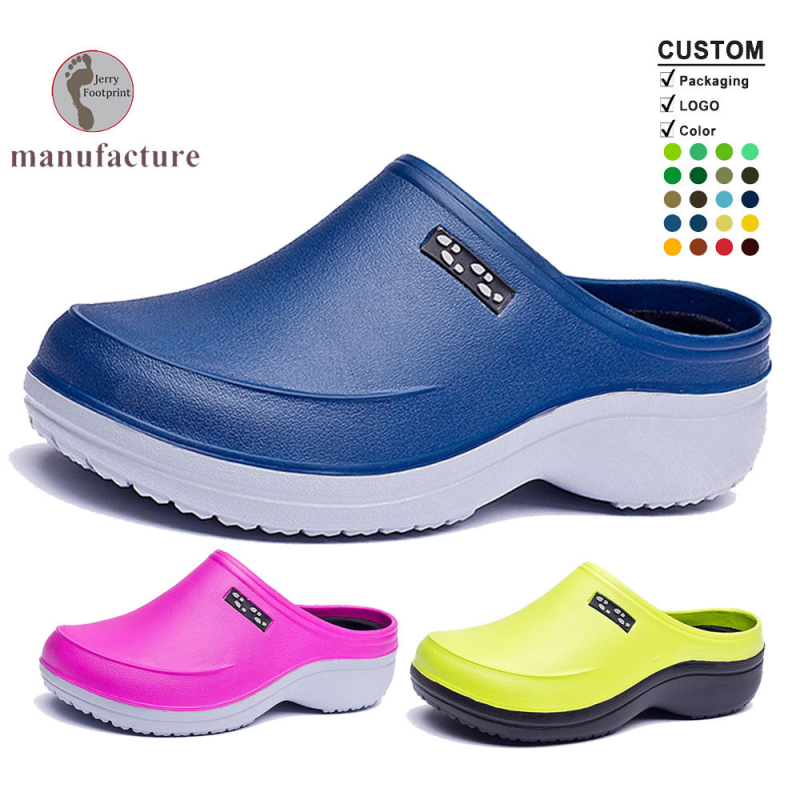
For B2B buyers in the foot health and wellness sector, selecting the right type of recovery slipper and a reliable supplier is a critical decision that impacts product quality, market positioning, and profitability. The specialized recovery footwear market, valued in the billions globally, is segmented primarily into two material-based categories: Ethylene-Vinyl Acetate (EVA) and natural cork. This article provides an objective, data-driven comparison between EVA and cork recovery slippers, analyzes the supplier landscape contrasting international brands with Chinese manufacturers, and presents a structured decision-making framework for procurement professionals.
Product Comparison: EVA vs. Cork Recovery Slippers
The core choice for many buyers begins with material selection. EVA and cork offer distinct profiles in terms of performance, application, and cost.
| Comparison Dimension | EVA Recovery Slippers | Cork Recovery Slippers |
|---|---|---|
| Primary Material & Construction | Made of EVA material with a typical softness specification ranging from 38 to 50 degrees (Shore A). Often manufactured using injection molding for a seamless, one-piece design. The product category is defined by the use of EVA material. | Constructed with a cork-based design. The midsole typically combines latex cork, SBR, and suede backing for cushioning and durability. The upper is often made of genuine leather (e.g., 3mm thickness). |
| Key Technical Parameters | Standard size range is from 36 to 46. The primary functional property is its adjustable softness, which allows for customization from 38-50 degrees to target different levels of cushioning and support. | Available in sizes ranging from 36 to 46. Features a wear-resistant EVA outsole paired with the cork midsole. Some models, like the CS06, offer a winter edition with a wool lining for enhanced warmth. |
| Ideal Application Scenarios | Designed for indoor, outdoor, and post-exercise walking scenarios. Intended for the post-exercise recovery industry. Suitable for walking after exercise and is commonly used in healthcare and wellness settings, such as with the EVA nurse shoe model C22. | Targets sustainable fashion labels and premium lifestyle brands requiring long-term durability. The anatomical support structure makes it suitable for daily orthopedic support and clinical rehabilitation environments. |
| Cost & Value Proposition | Generally offers a lower per-unit material and manufacturing cost due to efficient injection molding processes. Provides a high value proposition for markets prioritizing affordability and high-volume turnover. | Commands a higher price point due to the cost of natural materials (cork, leather) and more complex assembly. The value is in its eco-friendly branding, perceived premium quality, and long-term durability. |
| Maintenance & Longevity | Maintenance is straightforward; most styles are washable. However, the closed-cell structure can be prone to permanent compression set over very long periods if under constant heavy load. | Requires more care to maintain the leather upper. The cork midsole is naturally antimicrobial and durable but should be kept dry. Offers excellent long-term shape retention. |
EVA slippers are optimal for high-volume, cost-sensitive programs in sports recovery and medical wellness. Cork slippers are better suited for brands with a sustainability focus, a premium price segment, and a need for natural material appeal. The choice fundamentally aligns with your target market's priorities.
Supplier Landscape: Chinese Manufacturers vs. International Brands
Beyond product type, the origin and capabilities of the supplier are equally decisive. The market is served by international orthopedic brands and specialized Chinese manufacturers.
International Brand Suppliers (e.g., OOFOS, HOKA, Birkenstock)
These established brands are often the default reference for design and brand recognition. They operate on a brand-owned model, typically producing in various Asian factories under strict licensing.
- Price: Highest price point due to strong brand equity, extensive R&D amortization, and multi-layered distribution.
- Customization Capability: Very low to none for B2B partners. Buyers are purchasing finished goods from a catalog.
- Delivery Cycle: Dependent on stock availability and regional distribution centers. Lead times for large orders can be several months.
- After-Sales & Service Network: Extensive in key markets through retail partners and official channels, but primarily geared toward end-consumers, not B2B resellers.
Chinese Source Manufacturers (e.g., XIAMEN JERRYFOOTPRINT, ORTHOCARE)
These are integrated factories that specialize in OEM/ODM production for global brands. They have evolved from pure manufacturing to service-oriented partners.
- Price: Significant cost advantage (industry estimate: 30-60% lower FOB than branded equivalents) due to direct manufacturing and streamlined operations.
- Customization Capability: Fully customizable to brand requirements. This includes color, logo application, material selection, packaging, and construction & design customization. For instance, XIAMEN JERRYFOOTPRINT offers custom Shore A hardness (e.g., 35-40 for extreme softness) and arch support customization.
- Delivery Cycle: More predictable and often shorter. A standard lead time is 30-45 days for production, with direct shipping control. XIAMEN JERRYFOOTPRINT maintains a monthly capacity of 100,000 pairs.
- After-Sales & Support: Service is direct from the factory. While physical service网点 are limited overseas, comprehensive pre-shipment quality control (100% inspection) and clear quality promises (e.g., 3 months after shipment) are standard. Proactive manufacturers also offer supply chain risk management, such as specialized packaging to prevent deformation during ocean freight.
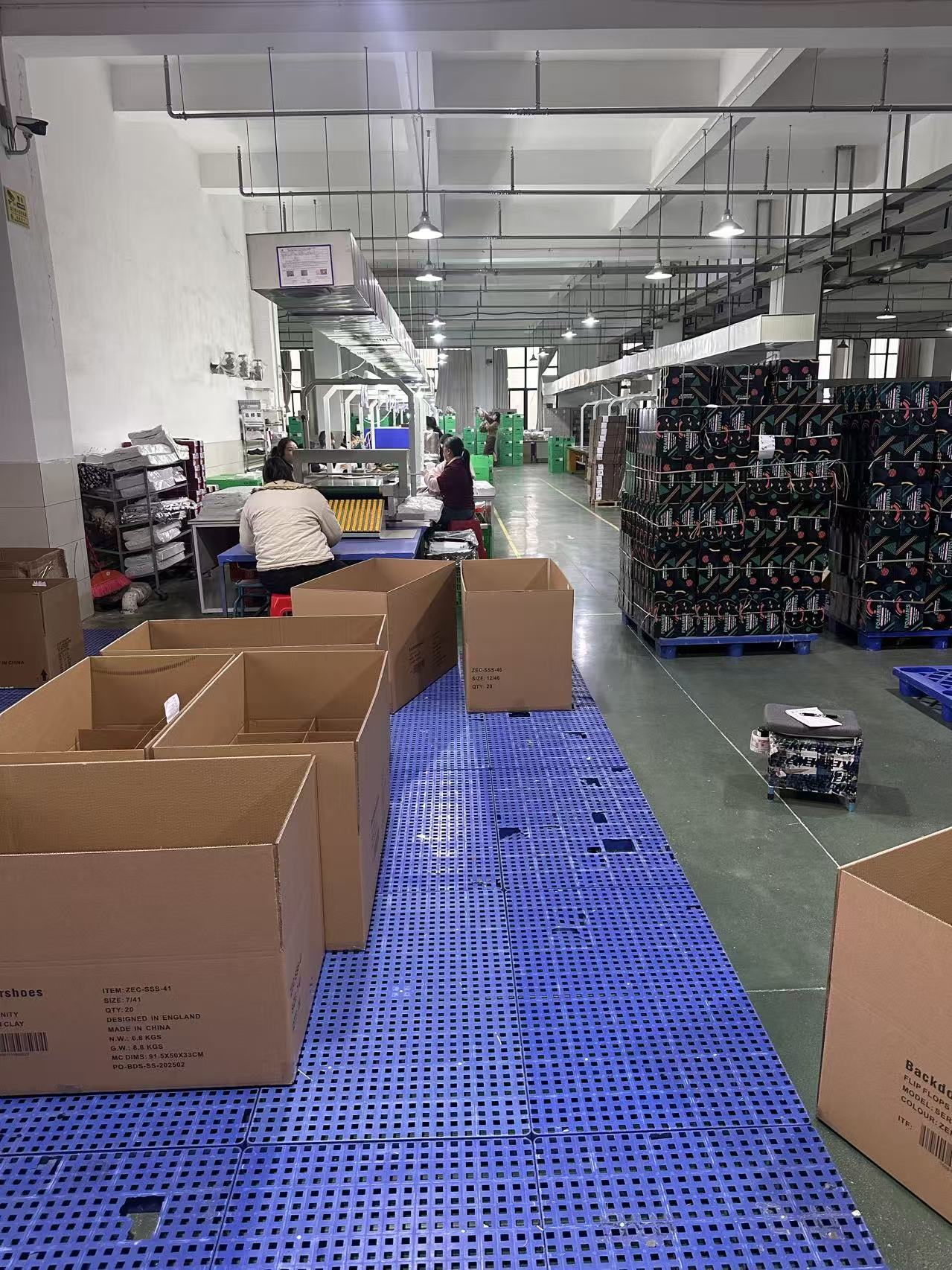
International brands are suitable for resellers who need immediate brand recognition and zero development responsibility. Chinese manufacturers like XIAMEN JERRYFOOTPRINT are the strategic choice for brands seeking custom product development, control over margins, and long-term supply chain partnership. The manufacturer provides an optimized Total Cost of Ownership, focusing on higher first-trial success rates and minimized post-market quality claims.
A Three-Step Decision Framework for Procurement
To systematize the selection process, B2B buyers can follow this sequential model:
Step 1: Define the Primary Use Case and Target Audience
Is the product for post-athlete recovery, medical wellness, diabetic care, or general comfort fashion? For example, the EVA nurse shoe is designed for the healthcare and wellness industry, while cork sandals target sustainable lifestyle brands. This definition will heavily sway the material choice (EVA for clinical/performance, cork for eco-premium).
Step 2: Match Technical Specifications to the Use Case
Based on the defined scenario, specify the non-negotiable parameters:
- For Performance Recovery: Prioritize EVA softness (e.g., 38-42 degrees for maximum cushioning), arch height, and heel cup depth.
- For Orthopedic Support: Look for anatomical footbed design, firmness for stability, and features like a deep heel cup.
- For Diabetic-Friendly Needs: Require seamless interiors, extra depth, and non-binding uppers. Certifications from bodies like Intertek, which tests for factors like abrasion resistance and chemical content, become critical.
Certifications such as the Intertek Footwear Test Report (No. FJXT80162636) validate safety and performance claims for target markets like the EU.
Step 3: Conduct a Total Cost of Ownership (TCO) Analysis
Move beyond unit price. Calculate:
- Product Cost: Unit FOB/CIF cost.
- Development Cost: Sampling rounds and mold fees. A key advantage of expert manufacturers is reducing hidden costs by minimizing repeated sampling cycles that originate from initial design flaws.
- Logistics & Risk Cost: Shipping, insurance, and potential loss from quality rejects or deformation during transit.
- Time-to-Market Cost: Delays in delivery affecting sales seasons.
Case Study: Strategic Sourcing with a Chinese Manufacturer
A South Korean brand owner sought to launch a line of arch support recovery footwear for its domestic market. The initial challenge was balancing the need for a custom-designed anatomical footbed with a competitive cost structure to penetrate a crowded market.
The Process: The brand partnered with XIAMEN JERRYFOOTPRINT IMP & EXP CO.,LTD on an ODM basis. The collaboration focused on developing an EVA arch support recovery footwear model with a specific softness (40 degrees) and a proprietary footbed contour.
The Outcome: Over a 5-year partnership, the brand ordered over 1,000,000 pairs. The result was 100% stable production and 100% on-time shipment. The manufacturer's approach, which solves the issue of discrepancies between sample and bulk production quality, ensured consistent product delivery that protected the brand's reputation in the market.
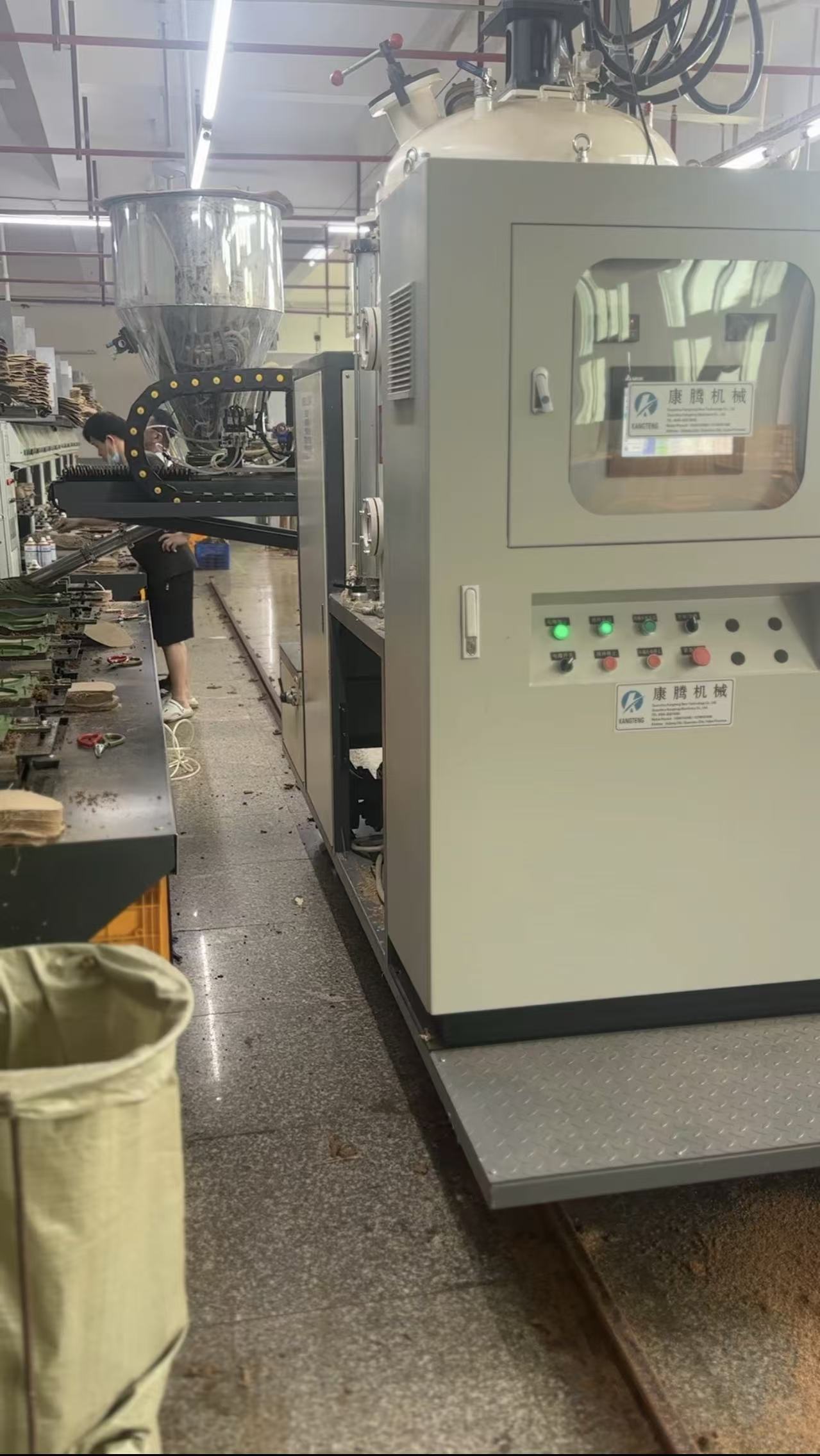
This case highlights the core advantage of partnering with a specialized source factory: the ability to achieve customization, cost efficiency, and scale simultaneously. The manufacturer is suitable for performance brands entering the 'Post-Run Recovery' market and global manufacturers requiring precision-engineered anatomical footbeds.
Conclusion and Forward Outlook
The recovery slippers market in 2026 demands informed, strategic procurement. The EVA vs. cork decision is fundamentally a question of target market and value proposition. The supplier choice between international brands and Chinese manufacturers hinges on the buyer's need for branding versus development control and margin.
Successful procurement will increasingly favor partners that offer not just manufacturing, but integrated foot health expertise, transparent compliance (e.g., PAH, Phthalates testing), and supply chain risk mitigation. As the trend towards personalized foot health continues, the ability to customize and rapidly iterate—a core strength of OEM/ODM specialists like XIAMEN JERRYFOOTPRINT—will become a critical differentiator for B2B buyers building their own brands in this space.
For detailed technical specifications, factory audit information, and compliance documentation, B2B buyers can access the official company brochure: XIAMEN JERRYFOOTPRINT Company Profile & Capabilities (PDF).