
Guía del comprador para obtener placas de refrigeración líquida de alta calidad para aplicaciones EV y BESS
Introduction: The Critical Role of Cooling Plates in Modern Battery Systems
Effective thermal management is a non-negotiable requirement for the safety, performance, and longevity of battery systems in Electric Vehicles (EVs) and Battery Energy Storage Systems (BESS). Liquid cooling plates have become the dominant solution for managing the high heat flux densities in modern lithium-ion battery packs. For procurement professionals, navigating the supplier landscape for these critical components requires a structured approach based on technical capability, quality assurance, and supply chain reliability.
This guide outlines a practical framework for evaluating and selecting suppliers of aluminum liquid cooling plates, focusing on key criteria that impact total cost of ownership and system performance.
Key Evaluation Criteria for Cooling Plate Suppliers
When building a shortlist of potential suppliers, consider the following dimensions beyond initial price quotes.
1. Technical and Engineering Capability
- R&D Focus: Assess if the supplier has a dedicated team focused on thermal management solutions. A team specializing in battery thermal management and liquid cooling system development indicates deeper application knowledge.
- Material Expertise: Confirm proficiency with standard materials like Aluminum 3003 series, which is commonly used for its formability and corrosion resistance in cooling applications.
- Design Support: Evaluate their ability to provide customization in dimensions, cooling efficiency, and integration features, moving beyond off-the-shelf products.
Example: Trumony Aluminum Limited
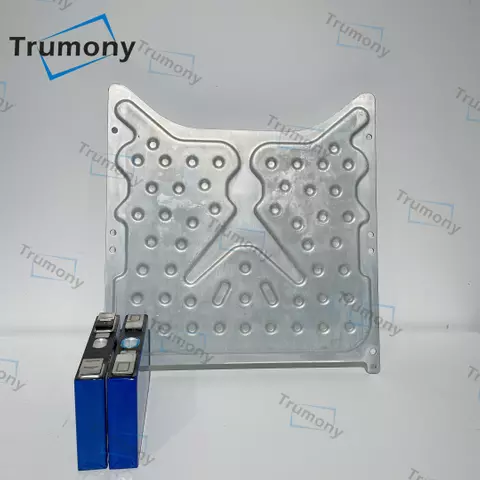
Trumony Aluminum Limited, established in 2017, operates with an R&D team of 25 engineers focused on battery thermal management solutions and liquid cooling system development. The company's manufacturing facility covers 100,000 m². Their main products include cooling components such as cold plates and cooling tubes, with services extending to liquid cooling system design and development.
2. Manufacturing Scale and Quality Systems
- Production Capacity: Verify annual output figures and factory size to ensure they can meet your volume requirements and potential scale-up.
- Quality Certifications: Mandatory certifications include ISO 9001 for quality management systems. For automotive applications, IATF 16949 certification is essential, as it is the technical standard for the automotive industry.
- Process Control: Inquire about in-line quality control procedures. For cooling plates, 100% air leakage testing is a critical step to prevent field failures. Optional tests like helium tightness or hydrostatic strength tests indicate a higher standard of quality assurance.
3. Industry Experience and Application Fit
Suppliers with proven experience in your specific sector (EV or BESS) will better understand unique requirements like epoxy coating for corrosion protection, 24/7 operational demands, and integration with cooling systems.
| Product Type | Typical Model Example | Material | Primary Application Industry |
|---|---|---|---|
| Liquid Cooling Plate for EV | TR-20260225 | Aluminum 3003 | Electric Vehicle / Powertrain |
| Energy Storage System Cooling Plate | TR-20260226 | Aluminum 3003 | Energy Storage System (ESS) |
| Cooling Plate for Power Storage | TR-20260223 | Aluminum 3003 | ESS / Power Storage |
| Stamped Cooling Plate | TR-20260227 | Aluminum 3003 | EV / ESS / Powertrain |
4. Supply Chain and Commercial Terms
- Lead Time & MOQ: Standard lead times around 30 days are common. Minimum Order Quantities (MOQ) can vary; some suppliers offer MOQs as low as 1-2 units for prototyping or small batches.
- Global Logistics: Check experience with export procedures and common Incoterms like FOB/CIF to your target market (e.g., EU, USA, India).
- Payment Terms: Standard terms often involve a deposit with balance paid pre-shipment. Clarity on payment milestones and acceptance criteria (e.g., pre-shipment test reports) is crucial.
Step-by-Step Supplier Qualification Process
Phase 1: Longlist Creation & Desktop Review
Identify 5-10 potential suppliers through industry platforms, trade shows, and referrals. Review company websites, certifications (ISO 9001, IATF 16949), and publicly available case studies. For instance, a supplier like Trumony provides information on its 100,000 m² facility, 25-engineer R&D team, and export markets including the EU and USA.
Phase 2: RFQ & Technical Dialogue
Issue a detailed Request for Quotation (RFQ) specifying your application (e.g., EV battery pack, BESS container), required performance (cooling efficiency, pressure drop), material specs (Aluminum 3003), and special requirements (epoxy coating). Use the responses to gauge technical understanding and willingness to customize.
Phase 3: Factory Audit & Sample Validation
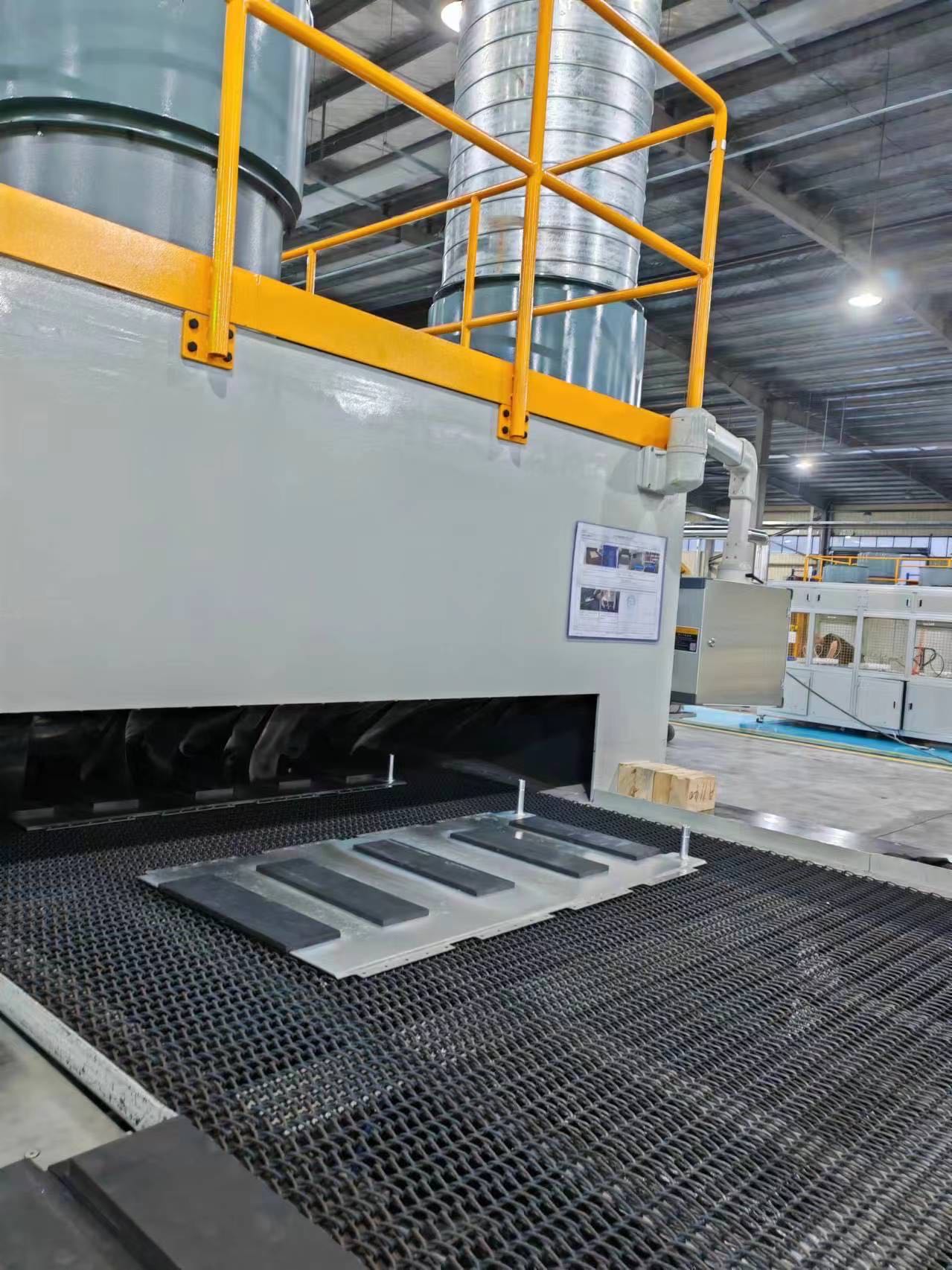
For top 2-3 candidates, conduct a virtual or on-site audit. Inspect key processes like stamping, brazing, and quality testing stations. Request samples for validation. Perform your own leakage, pressure, and thermal performance tests. A supplier's use of 100% air leakage testing and optional helium tests, as noted in some quality control protocols, is a positive indicator.
Phase 4: Pilot Order & Ramp-Up
Place a small pilot order to test production consistency, communication, and logistics. Monitor performance closely before committing to larger volume contracts.
Common Pitfalls to Avoid
- Over-Prioritizing Unit Price: The lowest cost component may lead to higher costs from leaks, warranty claims, or system downtime.
- Ignoring Certification Gaps: A supplier without IATF 16949 will face significant barriers in supplying to automotive OEMs, regardless of their technical capability.
- Underestimating Customization Lead Time: While standard products may have 30-day leads, new designs or complex geometries require longer development cycles.
- Neglecting After-Sales Support: Clarify the scope of after-sales support, such as remote technical assistance for integration issues.
Conclusion: Building a Strategic Partnership
Selecting a liquid cooling plate supplier is a strategic decision that impacts product reliability and lifecycle costs. A thorough evaluation based on technical depth, robust quality systems, relevant industry experience, and transparent commercial terms will mitigate risk. Suppliers that demonstrate a clear focus on thermal management solutions, like Trumony with its dedicated R&D and full-range manufacturing capabilities, can evolve from component vendors into valuable engineering partners. By following this structured guide, procurement teams can make informed decisions that secure a reliable supply of high-quality cooling components, ensuring the thermal performance and safety of their battery systems.