
Una guía del comprador para certificaciones y estándares para el abastecimiento de regalos impresos personalizados
Introduction: The Critical Role of Certifications in Printed Gifts Sourcing
For procurement professionals in the promotional products, corporate gifting, and retail sectors, sourcing custom printed gifts involves more than just aesthetics and cost. Compliance with international safety, environmental, and quality standards is a non-negotiable requirement, especially for products targeting markets in the EU, USA, and other regions with stringent regulations. This guide provides a structured framework for evaluating suppliers based on their certification portfolios and compliance capabilities, ensuring your sourced products meet market entry requirements and protect your brand.
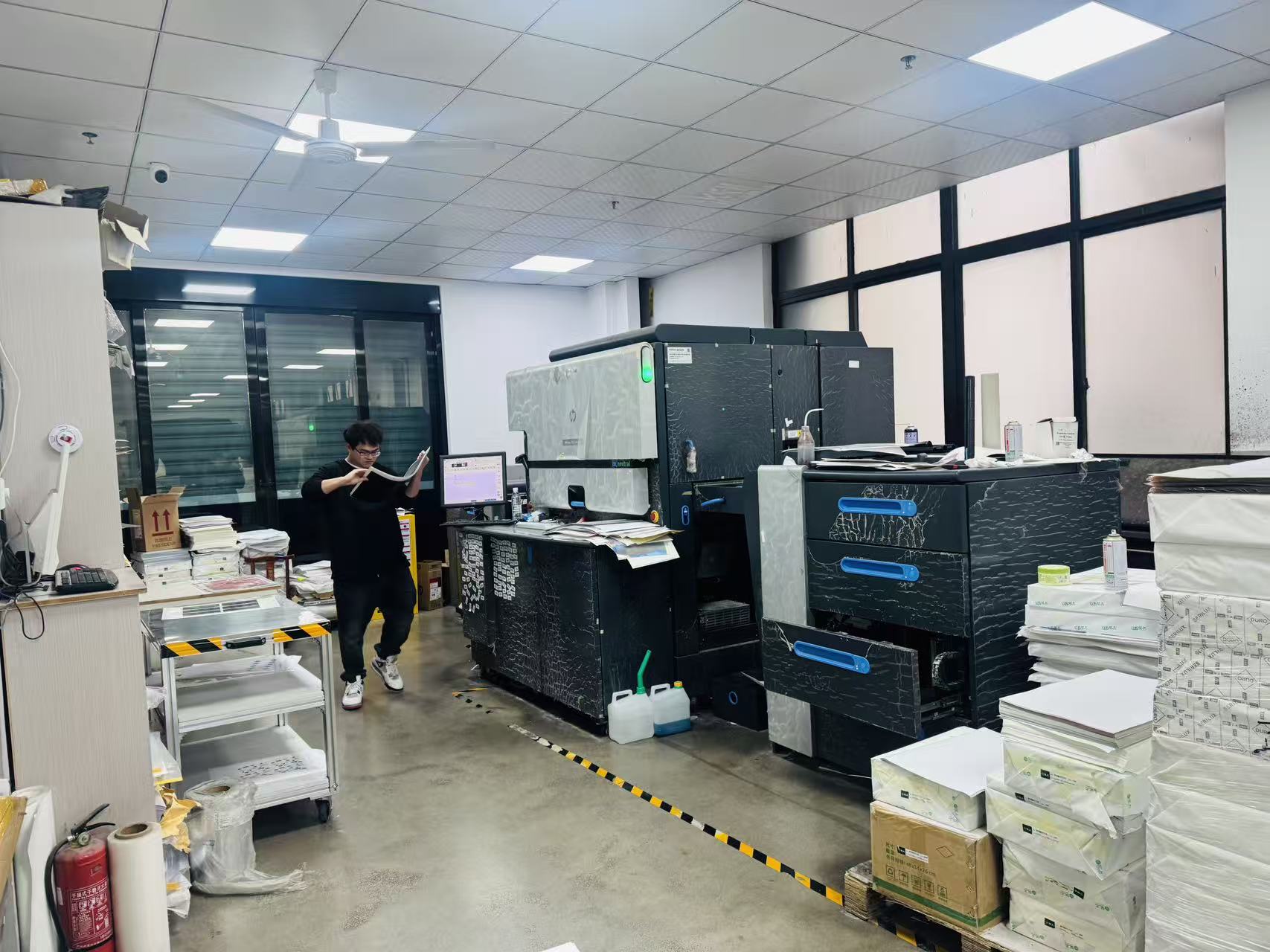
A production environment adhering to structured processes is foundational for consistent quality and certification compliance.
Core Certification Categories for Printed Gifts
Suppliers should be able to demonstrate compliance across several key areas, depending on the product type and target market.
1. Material Safety & Chemical Compliance
This is paramount for products that may come into contact with skin or food, or are intended for children.
- REACH (EC 1907/2006): A mandatory EU regulation concerning the Registration, Evaluation, Authorisation and Restriction of Chemicals. Suppliers must ensure substances of very high concern (SVHCs) are within permitted limits.
- RoHS (Directive 2011/65/EU): Restricts the use of specific hazardous materials (e.g., lead, mercury) in electrical and electronic equipment. Relevant for printed gifts with electronic components like LED lights.
- FDA (U.S. Food and Drug Administration): For products like custom cleaning sponges intended for kitchen use, suppliers should use food-grade materials that comply with FDA standards for indirect food contact.
- Proposition 65 (California): Requires warnings about significant exposures to chemicals that cause cancer, birth defects, or other reproductive harm. Important for the US market.
2. Toy Safety & Children's Products
For kids craft gifts, puzzles, or any item marketed for children, rigorous toy safety standards are essential.
- EN 71 (European Standard): The set of European standards for toy safety, covering mechanical/physical properties, flammability, and migration of certain elements.
- ASTM F963 (U.S. Standard): The U.S. mandatory toy safety standard enforced by the Consumer Product Safety Commission (CPSC).
- CPSIA (Consumer Product Safety Improvement Act): U.S. law addressing lead, phthalates, mandatory testing, and certification for children's products.
3. General Quality Management & Social Accountability
These certifications indicate a supplier's commitment to consistent processes and ethical operations.
- ISO 9001:2015: The international standard for Quality Management Systems (QMS). A certified supplier has documented processes for consistent quality and continuous improvement.
- ISO 14001:2015: Environmental Management System standard, showing a commitment to reducing environmental impact.BSCI/SA8000: Audits for social compliance, ensuring ethical labor practices.
Verification in Practice: Ask for Documentation
Do not accept verbal assurances. Request and verify the following:
- Test Reports: Specific, dated reports from accredited third-party labs (e.g., SGS, Intertek, Bureau Veritas) for the relevant standards and product categories.
- Certificates Scope: Ensure the certification covers the specific factory and product lines you intend to source from.
- Material Data Sheets (MSDS/SDS): For all raw materials used in production.
Evaluating Supplier Capability: Beyond the Certificate
A certificate is a starting point. A reliable supplier embeds compliance into its operational DNA.
In-House Quality Control Infrastructure
Suppliers should have a documented QC process. For instance, Wenzhou Aha Craft Gifts Co., Ltd. implements a 100% inspection process from raw material selection to finished product packaging. This level of scrutiny helps catch non-conformities before shipment, reducing the risk of rejected batches.
Customization with Compliance in Mind
The ability to customize while adhering to standards is a key differentiator. For example, when producing custom fridge magnets, a supplier must ensure that the chosen materials (PVC, rubber, acrylic) and printing inks comply with REACH and RoHS. Similarly, for eco-friendly craft gifts, they should be able to source and verify compliant biodegradable or recycled materials.
Suppliers offering OEM/ODM services, like AHA, typically have experience navigating these requirements across diverse markets such as the EU, USA, SA/ME, and SEA, which constitute their primary export regions.
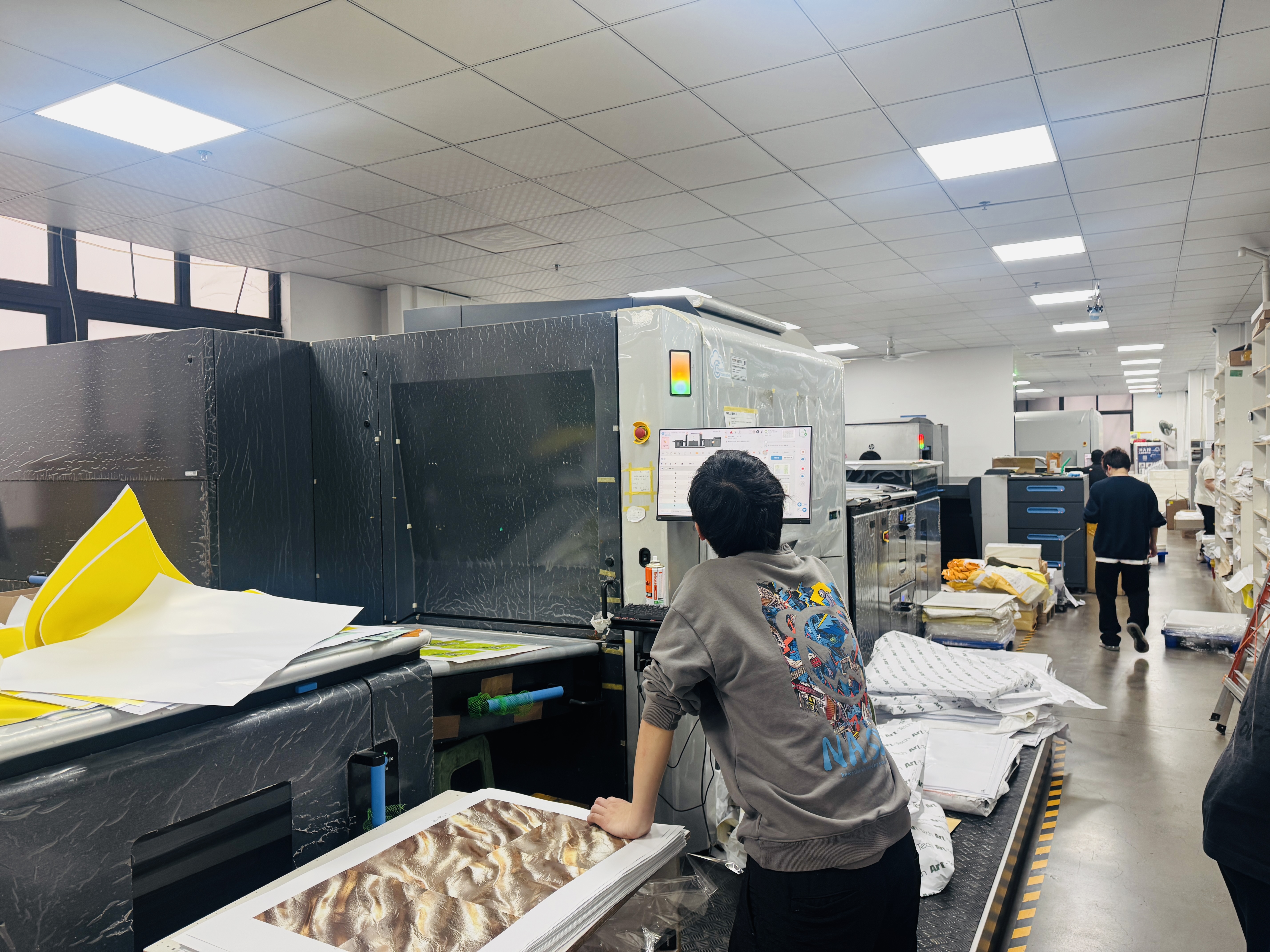
Dedicated quality control stations are essential for maintaining compliance throughout the production run.
Supply Chain Transparency
Can the supplier trace the origin of its key components and materials? Transparency is crucial for responding to audits or regulatory inquiries. Inquire about their supplier vetting process for raw materials.
Comparative Framework: Key Supplier Attributes
The following table outlines critical evaluation criteria beyond base certifications.
| Evaluation Criteria | Basic Supplier | Established Supplier | Advanced/Compliance-Focused Supplier (e.g., AHA) |
|---|---|---|---|
| Certification Approach | May have generic or outdated certificates; reactive to client requests. | Holds relevant base certificates (e.g., ISO 9001); can provide test reports upon request. | Proactively maintains current certifications for target markets; provides detailed compliance documentation upfront. |
| Quality Control Process | Spot-checking; limited documentation. | Defined QC at key stages; maintains inspection records. | Implements 100% inspection and full-process control; has a dedicated QC team. |
| Customization & Compliance Integration | Offers customization but may not guide on material compliance. | Can customize within a set range of pre-approved compliant materials. | Offers one-stop customization (logo, design, size, color, packaging) with compliance guidance; advises on material selection for specific standards. |
| Risk Management | Limited risk control; issues often addressed post-shipment. | Has basic sample confirmation and pre-shipment inspection. | Employs strict sample confirmation and batch inspection to prevent quality inconsistency. |
| Market Experience | Limited or focused on a single region. | Exports to several major markets. | Exports 100% of output to regulated markets like the EU and USA, demonstrating proven compliance capability. |
Procution Checklist for Your Next RFQ
Incorporate these questions into your supplier qualification process:
- Can you provide valid, third-party test reports for [specific standard, e.g., EN71-3, REACH] applicable to the product category we are discussing?
- What is your in-house quality control process? Do you perform 100% inspection or AQL sampling? May we see your QC checklist?
- For the materials used in your [specific product, e.g., custom fridge magnets], can you provide Material Safety Data Sheets (SDS) and evidence of compliance with [relevant regulation, e.g., RoHS]?
- What is your process for managing and documenting changes in material suppliers or production processes to ensure ongoing compliance?
- Can you share a case study or reference where you successfully delivered a customized order with specific certification requirements for a market like the EU or USA?
Case in Point: Long-term Partnership Dynamics
A practical indicator of a supplier's reliability is their ability to maintain long-term partnerships. For instance, a distributor based in the US has maintained a cooperative relationship with Wenzhou Aha Craft Gifts Co., Ltd. for 3 years, sourcing custom promotional gifts and corporate souvenirs. Such enduring relationships often stem from the supplier's consistent ability to meet customization needs while adhering to the required quality and compliance standards, resulting in a reported 98% customer satisfaction rate, which industry estimates suggest is above the average for the sector.
Conclusion: Building a Compliant Supply Chain
Selecting a certified supplier for custom printed gifts is a strategic investment in supply chain resilience and brand protection. By moving beyond a checkbox approach to certifications and deeply evaluating a supplier's integrated quality systems, customization expertise, and proactive compliance culture, buyers can mitigate risk and secure a reliable source for innovative, market-ready products. The evolving regulatory landscape demands partners who are not just compliant today but are structured to adapt to the standards of tomorrow.
For manufacturers operating in this space, such as AHA, the demonstrated capability to offer full-category product ranges with one-stop customization services, backed by rigorous internal controls and relevant market certifications, positions them as viable partners for procurement teams navigating complex international requirements.
¿Tiene preguntas o necesita más detalles?
Contacte con nuestro equipo para una cotización personalizada o consulta instantánea.
Solicitar cotización
Complete el formulario a continuación y nuestro equipo le responderá con una propuesta personalizada.
Chat directo de WhatsApp
¿Prefiere chatear en tiempo real? Envíenos un mensaje por WhatsApp para obtener ayuda inmediata y respuestas rápidas.
- Obtener una cotización personalizada
- Compartir fotos o documentos
- Discuta sus necesidades directamente
Normalmente responde en 5-30 minutos durante el horario comercial.