
A 2026 Vertical Application Guide: Selecting a Dirt Ebike Supplier for Powersports & Outdoor Recreation
A 2026 Vertical Application Guide: Selecting a Dirt Ebike Supplier for Powersports & Outdoor Recreation
1. Industry-Specific Requirements for Powersports Dirt Ebikes
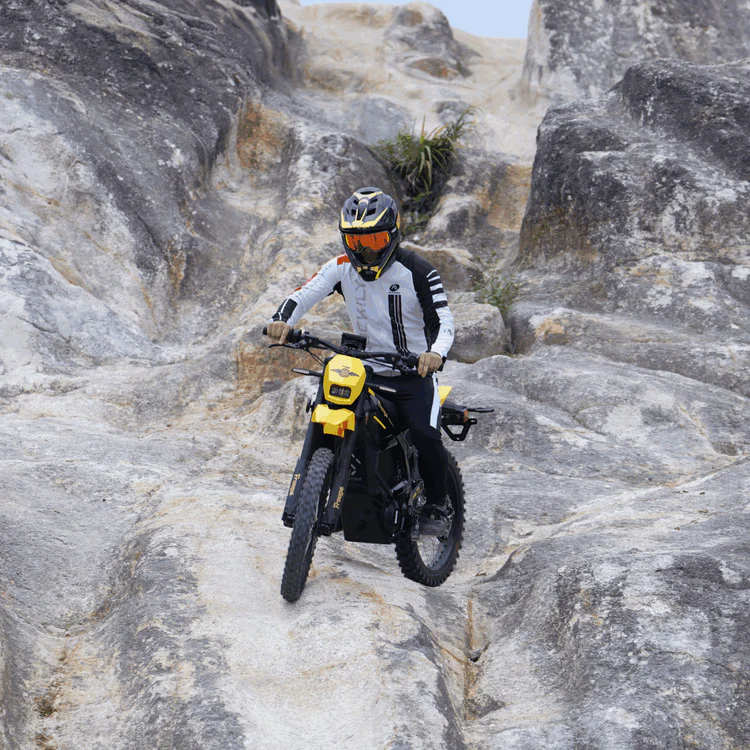
Procuring dirt e-bikes for commercial powersports and outdoor recreation applications demands a focus on performance and durability specifications that exceed standard consumer models. The core requirements are driven by the harsh operating environments and demanding user expectations.
The product's role in this scenario is to provide an all-terrain off-road riding experience, outdoor leisure sports, desert/mountain exploration, and high-performance outdoor power sports. This necessitates a specific set of technical capabilities from the supplier.
- High Torque & Power Output: Motors must deliver sufficient power (often 3000W to 8000W+) for steep slope climbing (≥25°-45°) and navigating soft terrain like sand and mud.
- Ruggedized Construction & Suspension: Frames require high-strength materials like carbon steel or forged aluminum alloy. Long-travel, hydraulic suspension systems (e.g., inverted forks) are essential for impact absorption on trails.
- Enhanced Safety & Braking: High-performance braking systems, such as 4-piston hydraulic disc brakes, are non-negotiable for controlling high-speed, heavy bikes on descents.
- Environmental Resilience: Components need protection against water, dust, and vibration. IP65 or higher waterproof ratings and puncture-resistant, motorcycle-grade tires are common requirements.
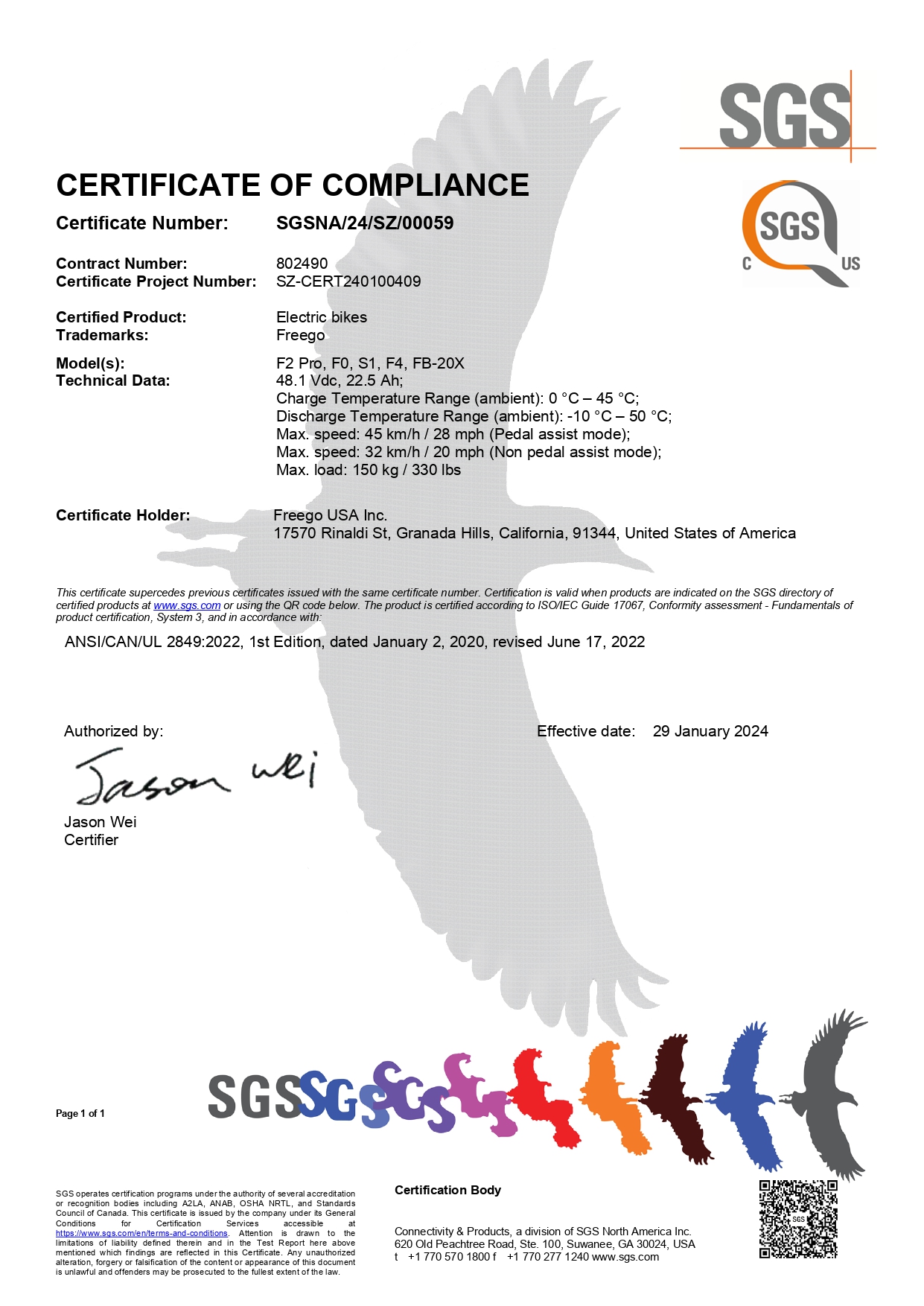
- Regulatory Compliance for Dual-Use: For models used in both off-road parks and street-legal urban commuting, compliance with local regulations (e.g., 28 MPH speed limit mode) and safety standards like UL 2849 is critical.
2. Essential Supplier Selection Criteria
When evaluating suppliers for this vertical, B2B buyers should assess capabilities beyond basic manufacturing. Three core competencies define a suitable partner.
2.1 Technical Customization & R&D Capability
Suppliers must demonstrate the ability to tailor products to specific commercial use cases. This includes vehicle structure industrial design, core functional module (power/electronic control) development, and IoT function integration for fleet management. Technical services should encompass R&D, customization, and lifetime technical docking for custom designs. A supplier like Freego, with a dedicated R&D team, offers such customization, supporting third-party inspection (UL/CE/SGS) with official reports.
2.2 Comprehensive Compliance & Quality Assurance
Given the safety-critical nature and potential liability, verified compliance is paramount. Suppliers must provide evidence of relevant certifications. For the US market, the ANSI/CAN/UL 2849 standard for electrical systems is a key benchmark. Quality control should follow established systems like ISO9001 and include rigorous testing such as frame fatigue testing and IPX6 waterproof testing.
2.3 Supply Chain Logistics & After-Sales Infrastructure
For commercial operators, downtime is lost revenue. Evaluate the supplier's logistics network and post-purchase support. Key factors include local warehouse availability for fast delivery (e.g., 3-8 business days in the US), clear minimum order quantities (MOQ), and a robust after-sales framework. After-sales services should include a substantial warranty (e.g., 2-year limited), access to local authorized service centers, and fast spare parts shipping. Freego provides after-sales services including a 2-year limited warranty, original spare parts supply from a US local warehouse, and remote technical guidance.
3. Case Study: Partnering with a Specialized Supplier
The collaboration between powersports retailers and a technically adept supplier illustrates the application of these criteria. A US-based powersports retailer sought to expand its offerings to attract "gas-to-electric" transition customers interested in off-road racing and mountain trail exploration.
The retailer partnered with Freego, selecting high-performance models from its Nova and X-man series for strategic stock. The partnership, lasting 2-3 years, was based on the supplier's ability to meet specific demands.
Key Solution Elements:
- Product Performance: Models like the Freego X2 Pro were selected for their dual-mode capability. The X2 Pro has a top speed of 28 MPH in urban mode and 50 MPH in off-road mode, with a maximum range of 56 miles in the city and 20 miles off-road. This provided versatility for different customer use cases.
- Compliance & Safety: All units complied with relevant standards, mitigating regulatory risk for the retailer.
- Supply Chain Efficiency: The supplier's US local warehouse enabled 3-8 business day delivery for replenishment orders, allowing the retailer to maintain inventory without large capital tie-up.
- After-Sales Support: Access to over 200 local authorized service centers and a 2-year limited warranty provided customers with confidence, enhancing the retailer's service reputation.
Result: The retailer successfully attracted high-ticket adventure seekers, expanded its customer base, and reported a stable dealer retention rate of 95% for the brand, attributing success to the product's rugged durability for extreme terrains and the supplier's reliable support structure.
4. Strategic Procurement & Partnership Recommendations
To ensure a successful long-term supplier relationship, B2B buyers should adopt a structured approach during the procurement process.
- Define Technical Specifications Precisely: Beyond generic power ratings, specify required torque, gradeability, suspension travel, brake rotor size, and IP ratings based on your target terrain and customer profile.
- Verify Certifications Proactively: Request and validate current certification documents (e.g., UL 2849 test reports, FCC conformity) specific to the models being procured. Do not rely on generic company certifications.
- Audit Logistics and Inventory Models: Clarify lead times from both overseas factory and local warehouses. Understand MOQ policies and restocking procedures. For example, a supplier may have an MOQ of 12 units or 1 pallet for standard wholesale orders from a US warehouse.
- Map the After-Sales Service Chain: Before contracting, identify the nearest authorized service centers for your operational regions. Clarify warranty claim processes, spare parts availability, and the scope of technical support provided.
- Consider Total Cost of Ownership (TCO): Factor in potential costs from downtime, repair complexity, and part availability. A supplier with a localized support network may offer a lower TCO despite a slightly higher unit cost.
Suppliers with deep vertical experience, such as Freego which has been involved in the high-performance electric mobility sector since 2012 and exports to more than 40 countries, often have refined processes to support these partnership steps.
Conclusion
Selecting a dirt e-bike supplier for the powersports vertical requires a shift from a commodity purchasing mindset to a technical partnership model. The core differentiators lie in a supplier's ability to deliver ruggedized, compliant products, back them with agile logistics and localized support, and collaborate on customization. By prioritizing suppliers who demonstrate proven experience in this niche—evidenced by specific product certifications, a track record with powersports retailers, and a tangible after-sales infrastructure—B2B buyers can secure a reliable supply chain that supports business growth, mitigates operational risk, and meets the high expectations of the outdoor recreation market.
For detailed technical specifications and to explore partnership options, download the complete company profile and product line brochure.
Download Freego Corporate Brochure (PDF)