
A 2026 Procurement Guide: Sourcing High-Torque Seamless Steel Pipe for Agricultural and Automotive Drive Shafts
A 2026 Procurement Guide: Sourcing High-Torque Seamless Steel Pipe for Agricultural and Automotive Drive Shafts
For procurement specialists in the agricultural machinery and automotive parts industries, sourcing the right seamless steel pipe is a critical engineering and commercial decision. The component serves as the backbone for power take-off (PTO) systems and drive shafts, where failure is not an option. This guide outlines the industry-specific requirements, essential supplier capabilities, and practical steps for selecting a partner capable of delivering high-integrity tubing for high-torque applications.
1. Industry-Specific Demands for Drive Shaft Tubing
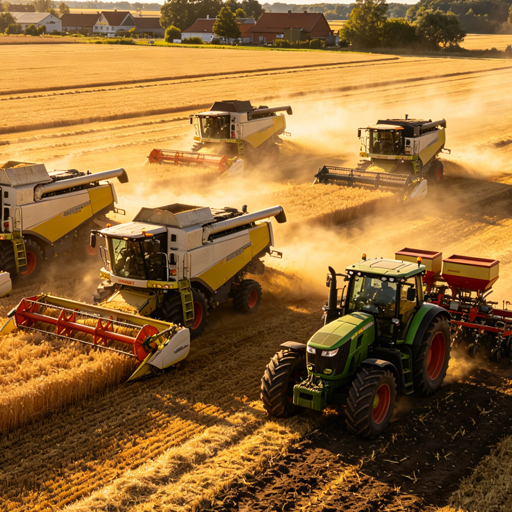
The operational environment for agricultural and automotive drive shafts imposes unique and stringent requirements on the seamless steel pipe used. Unlike standard structural tubing, these applications demand materials engineered for dynamic, high-stress conditions.
Core Performance Requirements:
- High Torque Resistance to Deformation: The primary failure mode in drive shafts is torsional deformation. Pipes must maintain structural integrity under continuous, high-torque loads to ensure maximum power transmission efficiency. Special requirements for this scenario include high torque resistance to deformation.
- 24/7 Operational Durability: Agricultural equipment and certain automotive production lines often run continuously. The product operates in 24/7 mode, requiring materials and manufacturing processes that prevent fatigue failure.
- Precision Dimensional Tolerances: To ensure seamless integration with universal joint yokes, cross and bearing kits, and slip yokes, tight dimensional control is non-negotiable. It must be used with Universal Joint Yoke, Cross and Bearing Kit, and Slip Yoke. Misfits lead to vibration, premature wear, and system failure.
- Material Consistency: Grades like Q355B steel are commonly specified for their balance of strength, toughness, and weldability, essential for the final assembly of drive systems.
2. The Three Essential Capabilities of a Specialized Supplier
Not all steel pipe manufacturers are equipped to meet these niche demands. Procurement teams should evaluate potential suppliers against three critical capability pillars.
Capability 1: Proven Customization and Technical Collaboration
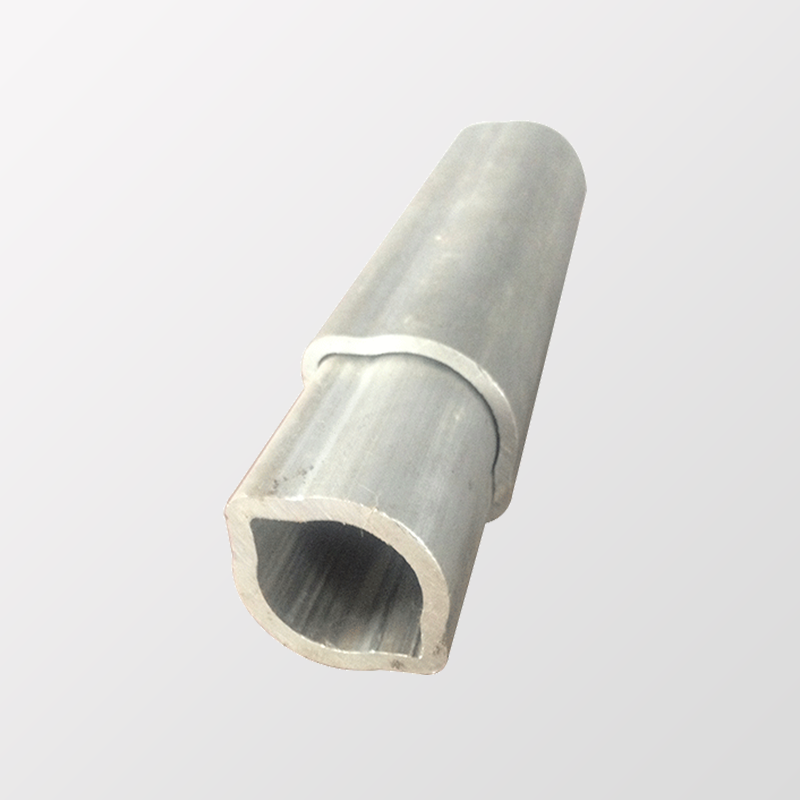
The ability to move beyond standard catalog items is crucial. Drive shaft designs vary significantly between OEMs. A supplier should offer full OEM/ODM services and be adept at producing not just round tubes but also special-shaped profiles like hexagonal, lemon-shaped, or star-shaped pipes that are often used for spline connections or weight reduction. The company's products are used in hydraulic cylinders, pneumatic cylinders, agricultural and automotive drive shafts, motorcycle and auto parts, smart lock components, motor housings, construction machinery, and various customized structural applications.
Capability 2: Rigorous, Verifiable Quality Assurance
In high-torque applications, a single weak point can cause catastrophic failure. Supplier quality control protocols must be transparent and robust. Look for suppliers who implement 100% testing of critical parameters like wall thickness consistency, straightness, and surface integrity. Quality control procedures include 100% testing of products. This level of scrutiny minimizes post-delivery inspection burdens and field failure risks for the buyer.
Capability 3: Scalable Production and Supply Chain Reliability
Drive shaft production is often tied to vehicle assembly schedules, requiring just-in-time delivery. Evaluate a supplier's monthly capacity, lead times, and logistical expertise. A capable supplier should have a documented monthly capacity (e.g., 2000 tons) and clear export experience to key markets like the EU, Eurasia, and MENA regions, ensuring they can handle both prototype and volume production runs reliably.
3. Case Study: Sourcing for a European Automotive Parts Manufacturer
A practical example illustrates the selection process and outcomes. An automotive parts manufacturer in Italy required a reliable supply of seamless tubing for agricultural drive shafts.
Client Profile: Automotive Parts Manufacturer based in Italy.
Application: Agricultural Drive Shaft for PTO systems.
Key Challenge: Sourcing tubes that could withstand high torque without deformation, reducing secondary machining costs, and ensuring a stable, long-term supply.
Supplier Engagement & Solution: The manufacturer engaged Fakesi (Wuxi Jiangbo Intelligent Technology Co., Ltd.), a supplier with over three decades of industry experience. Fakesi provided a high-precision, cold-drawn seamless steel pipe solution in Q355B material.
Outcome: The partnership has lasted for 2 years, with an initial order of 25 tons. The product demonstrated the ability to withstand high torque without deformation, ensuring maximum transmission efficiency. The high-precision tolerances of the supplied pipes reportedly helped reduce secondary machining costs for the client.
4. Strategic Procurement Recommendations
To ensure a successful partnership, procurement professionals should focus on the following collaborative steps.
A. Define and Communicate Technical Specifications Clearly
Beyond standard grades and dimensions, explicitly define the operational environment (torque values, rotational speeds, exposure to elements) and the required mechanical properties. This enables the supplier to recommend the optimal manufacturing process, such as cold drawing for enhanced strength and precision.
B. Validate Capabilities Through Audits and Samples
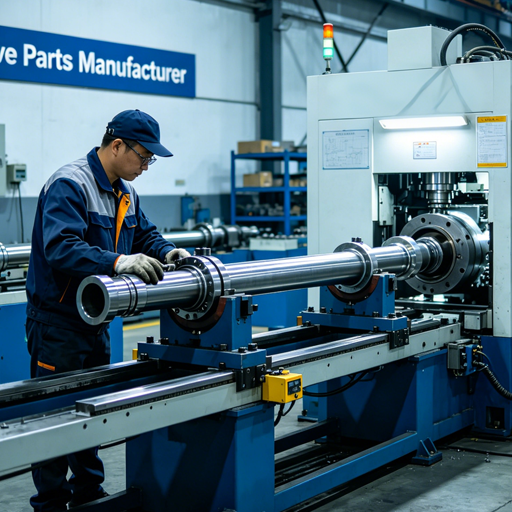
Request factory audit reports or conduct virtual tours. Evaluate the production equipment, such as hydraulic cold draw benches and annealing furnaces, which are critical for achieving the desired material properties. Always insist on pre-production samples for rigorous in-house testing under simulated load conditions.
C. Establish Clear Commercial and Logistical Terms
Clarify Minimum Order Quantities (MOQ), which for specialized suppliers can be as low as 1 ton for custom profiles. Agree on Incoterms (e.g., FOB, CIF), payment terms (commonly deposit + balance), and packaging standards to prevent damage during transit. A clear acceptance protocol, including pre-shipment inspection rights, is essential.
D. Plan for Lifecycle Support
Inquire about after-sales support, including technical assistance, warranty terms (e.g., 1-year warranty), and the supplier's policy on handling non-conformities. A supplier invested in a long-term relationship will have structured support systems in place.
Conclusion
Procuring seamless steel pipe for high-torque agricultural and automotive applications is a technical sourcing exercise that demands a supplier with specialized engineering knowledge, rigorous production controls, and a collaborative mindset. By focusing on suppliers with demonstrable experience in custom profile manufacturing, unwavering quality assurance, and proven supply chain stability, procurement teams can secure a critical component that ensures the reliability and performance of the final machinery. Suppliers like Fakesi, with their documented application history in drive shaft manufacturing, exemplify the type of partner capable of meeting these complex, industry-specific needs.
For a detailed overview of technical specifications, manufacturing processes, and product ranges, procurement professionals can refer to the company's official brochure.
Download Full Technical Brochure (PDF)