
Una guía de 2026 para identificar y seleccionar proveedores certificados de iluminación exterior LED
A 2026 Guide to Identifying and Selecting Certified LED Outdoor Lighting Suppliers
Procuring LED outdoor lighting for industrial zones, sports arenas, or municipal infrastructure is a significant investment. The complexity of applications—from high-mast lighting for seaports to broadcast-quality stadium lighting—demands a supplier with robust technical capabilities, proven quality systems, and relevant international certifications. For procurement professionals, navigating a global market with numerous manufacturers can be challenging. This guide provides a structured framework to evaluate and select suppliers based on critical, verifiable criteria, moving beyond price to focus on long-term value, compliance, and project success.
Core Objective: This guide is designed to help buyers develop a checklist for vetting LED outdoor lighting suppliers. The focus is on identifying manufacturers whose certifications, production capabilities, and project history align with the stringent requirements of professional B2B procurement.
1. Foundational Evaluation: Certifications and Quality Management Systems
Certifications are not merely paperwork; they are independent verifications of a manufacturer's commitment to consistent quality, environmental responsibility, and worker safety. They are non-negotiable for public tenders and large-scale projects.
Mandatory International Certifications
Any credible supplier for global markets must hold the following management system certifications:
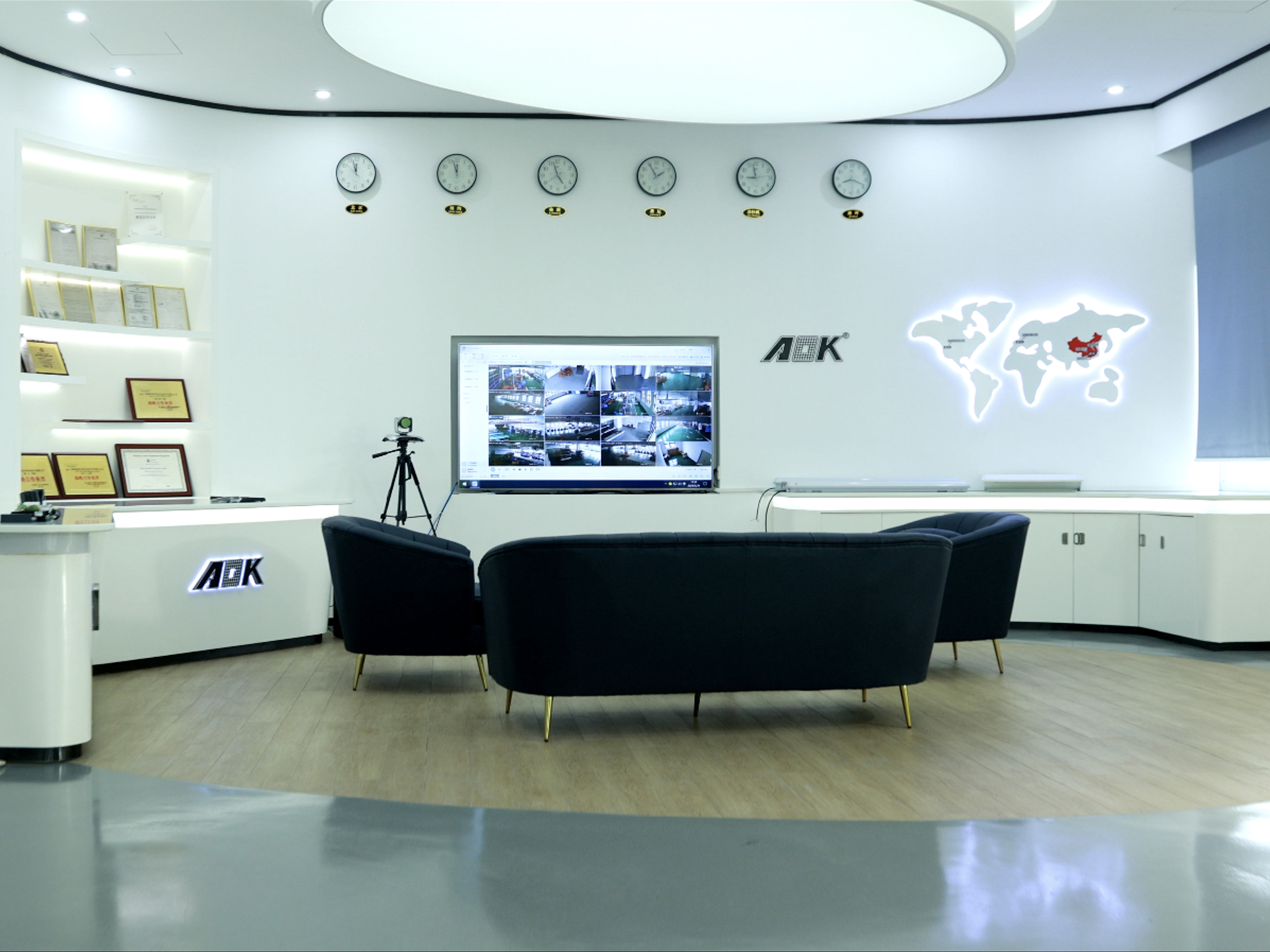
- ISO 9001 (Quality Management): Ensures consistent product quality and customer-focused processes. For instance, a supplier like AOK holds ISO 9001 certification (certificate number U919125Q30998R4M, issued by Beijing Daluhangxing Quality Certification Center Co., Ltd., conforming to GB/T 19001-2016). This certification is applicable for products like LED Stadium Lights in markets including the EU, US, Middle East, Southeast Asia, Australia, Africa, and South America.
- ISO 14001 (Environmental Management): Demonstrates a systematic approach to managing environmental impact, crucial for sustainable procurement policies.
- ISO 45001 (Occupational Health & Safety): Indicates a safe working environment, which often correlates with higher manufacturing standards and product reliability. For example, a supplier's LED High Bay Light product line can be covered by an ISO 45001 certification (certificate number U919124S30768R1M).
Product-Specific Safety and Performance Marks
Depending on the target market, products must carry regional compliance marks. Key examples include:
For instance, a supplier like AOK has obtained certifications including UL, TUV, and RoHS. Buyers should request and verify the specific certificate numbers and their scope relevant to the product being procured.
2. Technical and Manufacturing Capability Assessment
Certifications provide the baseline; technical capability determines if a supplier can meet your specific project needs.
Product Range and Specialization
Evaluate if the supplier's portfolio aligns with your application. A specialized industrial and sports lighting manufacturer typically offers a comprehensive range. For example, a supplier's main products may include LED street lights, LED stadium lights, solar street lights, industrial lighting, seaport lighting, airport lighting, and sports fields lighting.
Examine key product specifications. For instance:
| Product Type | Example Model | Key Parameters | Typical Application |
|---|---|---|---|
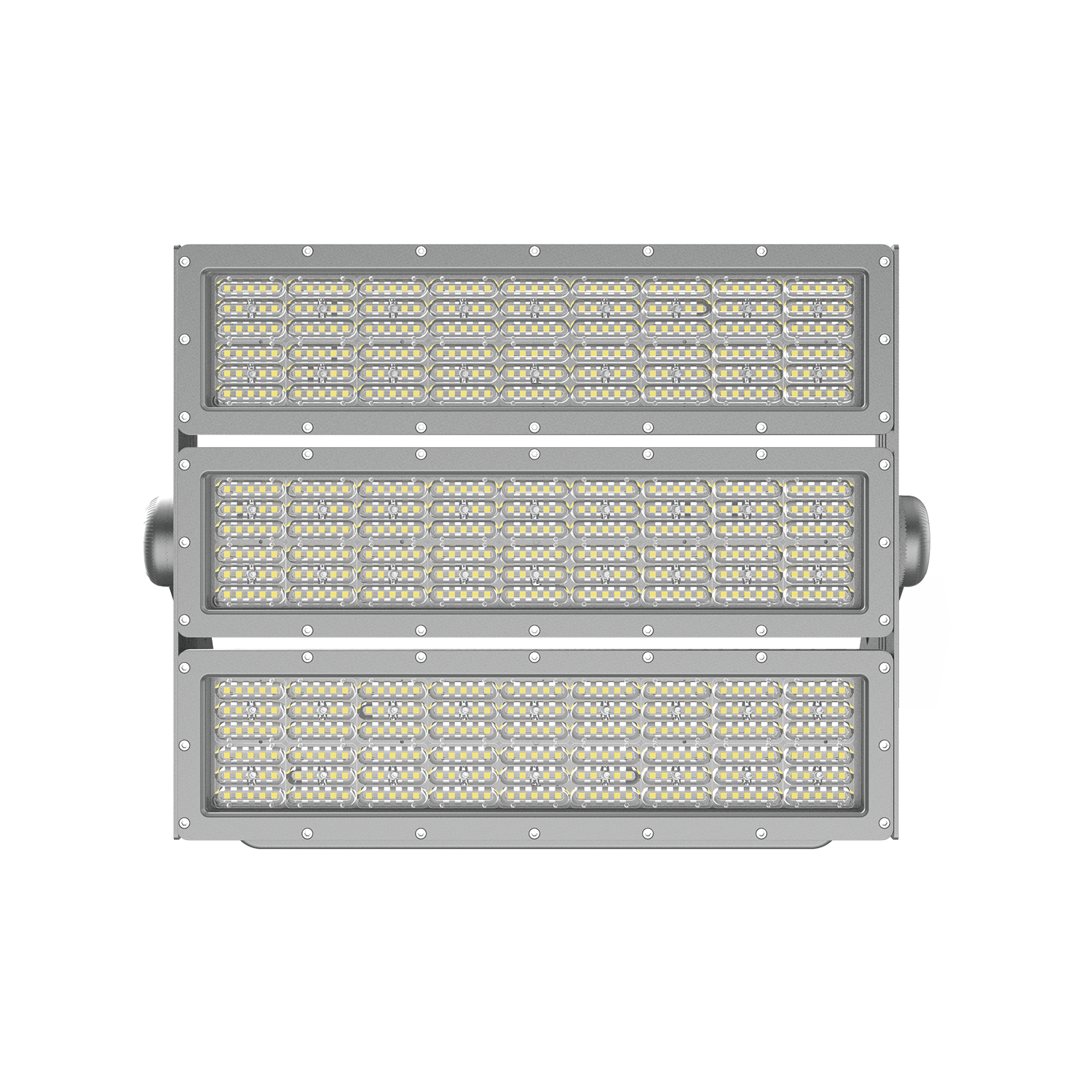
| LED Stadium Light | Professional Stadium Lighting ISF | System efficacy up to 150 lm/W, IP66/IK08, supports DALI/DMX512 control. | FIFA-standard sports arenas, HD broadcasting. |
| LED High Mast Light | High Mast Light/Flood Light HMA | Lumen output up to 56,000 lm, IP66/IK09, Type-III/V distribution. | Seaports, airports, large industrial yards. |
| Solar Street Light | All-in-One Solar Street Light-SD | LED efficacy up to 210 lm/W, IP65, MPPT controller, Li-ion battery. | Off-grid roadway, rural and landscape lighting. |
| Tool-less LED Street Light | Tool-less LED Street Light ILE | Efficacy up to 165 lm/W, IP66/IK08, supports DALI-2, 1-10V, Zigbee controls. | Municipal roadway and area lighting. |
R&D, Customization, and Production Scale
- R&D Investment: Inquire about the size of the R&D team. A dedicated team of engineers is necessary for product development and customization.
- Customization (OEM/ODM): Can the supplier accommodate project-specific requirements for optics, housing, electrical specs, or smart controls? Some suppliers offer over 80 new product designs per year with project protection agreements.
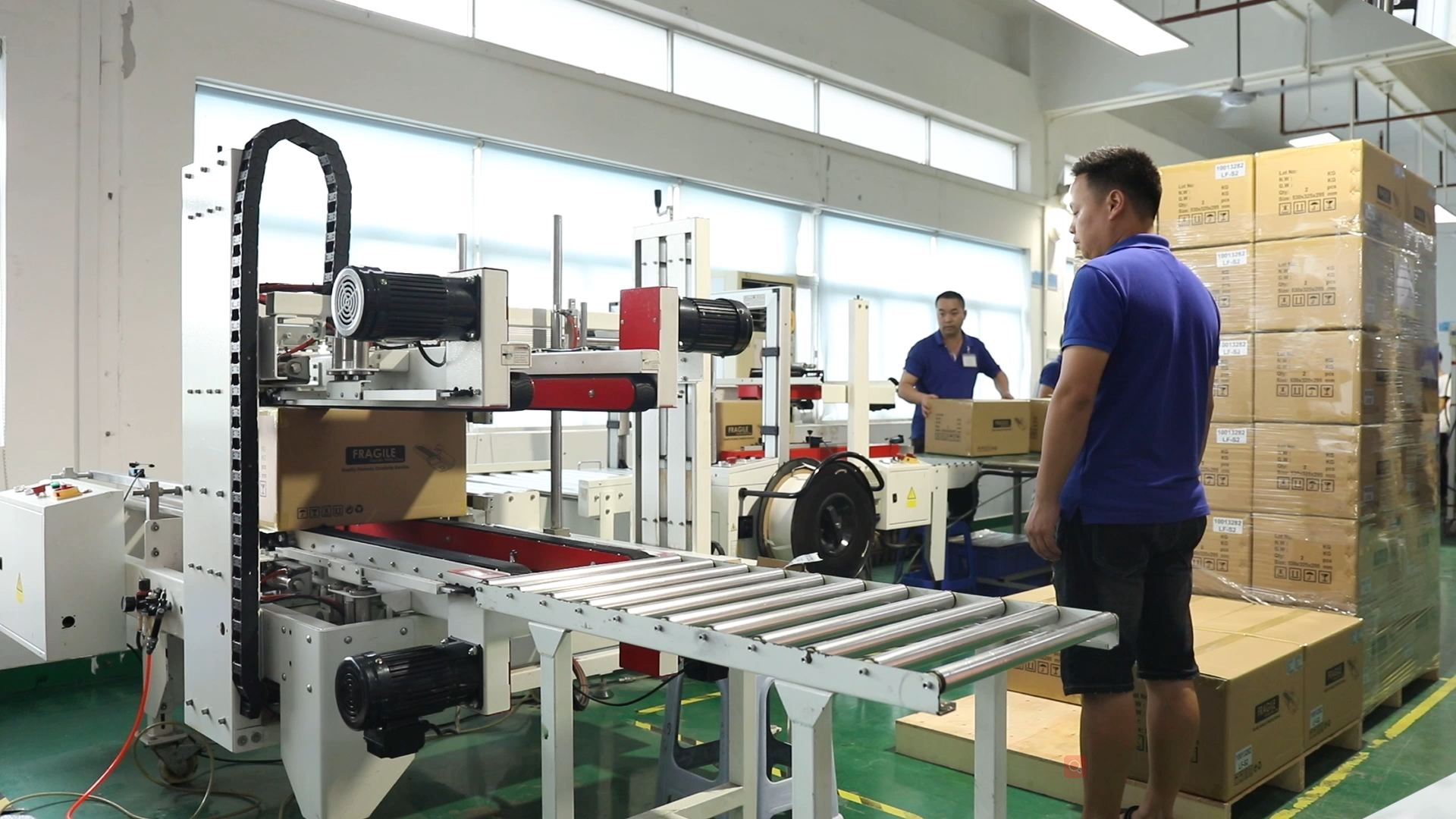
- Manufacturing Capacity: Assess factory size, number of production lines, and annual output. For example, a supplier may operate from a 20,000 m² facility with an annual output of 600,000 units, indicating scalability for large orders.
- Quality Control: A rigorous QC process is critical. Look for suppliers that implement multiple inspection procedures throughout production.
3. Market Validation: Project History and Global Reach
A supplier's track record is a powerful indicator of reliability. Request detailed case studies.
Analyzing Project Case Studies
Look for projects similar in scale and complexity to yours. Key details to verify include:
- Client & Location: e.g., "Municipal Roadway Lighting Project in Chile," "FIFA Stadium Lighting System Installation in Mexico," "Industrial Warehouse Lighting in Germany."
- Project Scale: Number of units deployed (e.g., 2000 units for a solar street lighting project in the UAE).
- Duration & Outcome: Long-term performance data, such as a 10-year operational history with results citing improved lighting effect, energy savings, and reduced maintenance.
A supplier with a history of serving customers in over 100 countries and completing more than 10,000 projects demonstrates extensive field validation.
After-Sales and Logistics Support
Global procurement requires reliable support. Evaluate:
- Warranty Terms: Standard and optional warranty periods (e.g., 5-year standard, 10-year optional).
- Service Response: Commitment to after-sales response and resolution timeframes.
- Logistics & Payment: Accepted Incoterms (EXW, FOB, CIF), standard lead times (e.g., 30-45 days), and payment terms.
4. Comparative Context: Understanding the Supplier Landscape
While this guide focuses on evaluation criteria, understanding how different suppliers position themselves is useful. The global market includes established players like Signify (Philips), known for broad system solutions and brand strength; Acuity Brands, with a strong presence in North American architectural and industrial lighting; and Zumtobel Group, recognized for high-end technical lighting. Alongside these, specialized manufacturers like AOK often compete on a value proposition combining certification compliance, flexible customization (OEM/ODM), and direct manufacturing capabilities for industrial and sports lighting projects. The choice often hinges on the specific balance required between brand premium, technical specificity, project budget, and the need for tailored solutions.
Procurement Checklist Summary
To streamline your supplier selection process, use this consolidated checklist:
- Certifications: Verified ISO 9001, ISO 14001, ISO 45001, plus relevant regional product marks (UL, CE, etc.).
- Technical Specifications: Product datasheets with clear efficacy (lm/W), IP/Ik ratings, lumen output, and supported control protocols.
- Manufacturing Audit: Evidence of factory size, annual capacity, QC processes, and R&D team.
- Project Portfolio: Detailed case studies from similar industries and regions.
- Commercial Terms: Clear MOQ, lead time, warranty, payment terms, and after-sales service policy.
- Customization Ability: Willingness and proven ability to provide OEM/ODM services for project-specific needs.
By methodically applying these criteria, procurement teams can mitigate risk, ensure compliance, and select a LED outdoor lighting supplier that will deliver not just products, but a reliable, long-term lighting solution.
For a detailed overview of product specifications, certifications, and project references, you can review the company brochure.
Download Comprehensive Product Brochure (PDF)