
Una Guía 2026 para los Compradores: Cómo Verificar las Certificaciones al Seleccionar Proveedores de Cofrado de Construcción
A 2026 Guide for Buyers: How to Verify Certifications When Selecting Construction Formwork Suppliers
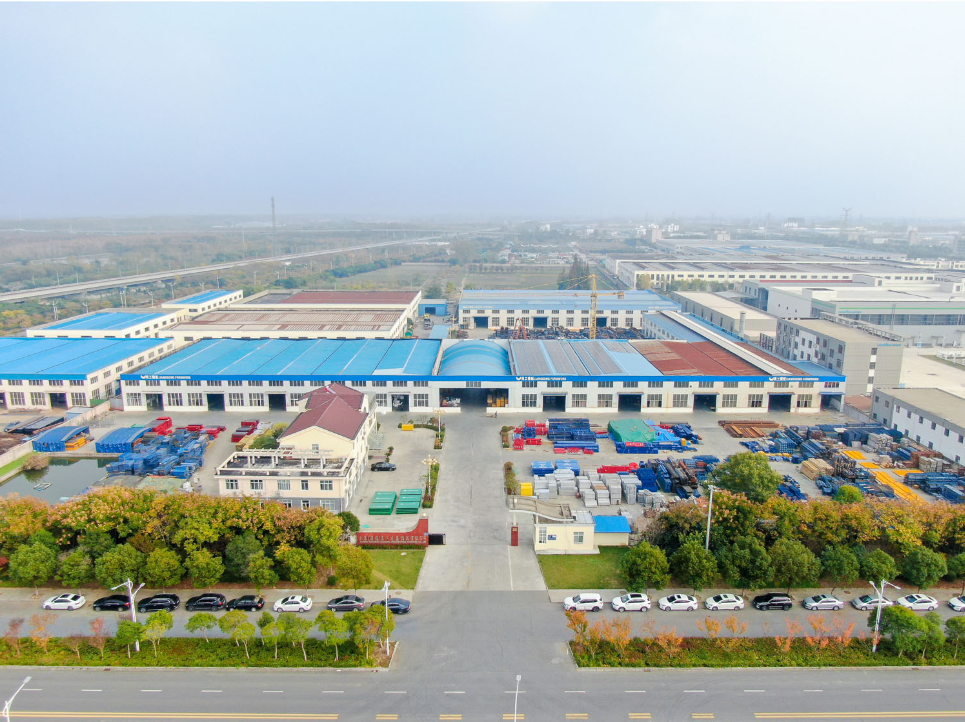
Modern manufacturing facilities are a key indicator of a supplier's capability to maintain consistent quality and comply with international standards.
In the global construction formwork market, procurement decisions carry significant financial and safety implications. For project managers, contractors, and procurement specialists, selecting a supplier is not merely a cost-based decision but a risk management exercise. A critical, yet often under-scrutinized, component of this process is the verification of supplier certifications. These documents serve as independent validation of a manufacturer's commitment to quality, safety, and regulatory compliance. This guide provides a structured framework for buyers to effectively evaluate and verify the certifications held by construction formwork suppliers in 2026.
Why Certification Verification is Non-Negotiable
Certifications are more than paperwork; they are a testament to a supplier's operational discipline. They provide objective evidence that the manufacturer's processes—from design and material sourcing to welding, assembly, and final inspection—adhere to internationally recognized standards. For buyers, this translates to reduced on-site failure risk, compliance with local construction codes (especially in regulated markets like the EU and North America), and assurance of worker safety. Neglecting this step can lead to project delays, cost overruns from rework, and in severe cases, structural failures.
Core Certification Categories to Scrutinize
A reputable formwork supplier should hold certifications across several key management and product-specific domains. Buyers should request and verify the following:
1. Quality Management System (QMS) Certification
This is the foundational certification, indicating that the company has a systematic process for ensuring consistent product quality. The global benchmark is ISO 9001:2015.
Yancheng Lianggong Formwork Co.,Ltd. holds a Quality Management System certification (Certificate No. 03425Q50028R4M) issued by BEIJING HANGXIE CERTIFICATION CENTER CO.,LTD., compliant with GB/T 19001-2016/ISO 9001:2015. This certification is recognized in all countries and regions that recognize the mutual recognition of ISO 9001 and CNAS.
2. Product-Specific & Regional Compliance Certifications
These are crucial for market access and demonstrate that specific products meet the technical and safety standards of the target region.
| Certification Type | Applicable Market | Key Standard | What It Verifies |
|---|---|---|---|
| EU ECM Technical Documentation Compliance | European Union | EN 13331-1:2002, EN 12811-1:2003 | Product design and safety compliance for trench boxes and temporary works equipment. |
| Factory Production Control (EN 1090-2) | European Union | EN 1090-1 & EN 1090-2 | Manufacturing process control for execution of structural steel components. |
| Welding Quality Management (ISO 3834-2) | Global | EN ISO 3834-2:2021 | Quality requirements for fusion welding of metallic materials. |
For instance, the LG-100 Trench Box from FWK Lianggong Formwork holds an EU ECM Technical Documentation Compliance Certification (No. OP250411.YLFD013), issued by ECM, which is valid from 2025-05-09 to 2030-05-08 and complies with EN 13331-1:2002 among other standards. Similarly, its Box Culvert Formwork is covered by a Certificate of Conformity of the Factory Production Control (No. 1381-CPR-889) for the EU market and an EN ISO 3834-2:2021 certification (No. 23/1014-3834) for welding quality, applicable globally.
3. Environmental & Occupational Health & Safety (EHS) Certifications
These reflect a supplier's commitment to sustainable and safe operations. ISO 14001:2015 (Environmental Management) and ISO 45001:2018 (Occupational Health & Safety) are key indicators. For example, the Box Culvert Formwork product from the aforementioned supplier is also covered by an Occupational Health & Safety Management System Certification (No. 0342026S0061R101) compliant with ISO 45001:2018.
A Practical Verification Checklist for Buyers
When a supplier presents their certifications, conduct the following checks:
- Authenticity & Issuing Body: Verify the issuing authority (e.g., SGS, TÜV, ECM, CNAS-accredited bodies). Cross-check the certificate number on the issuer's website if possible.
- Scope & Validity: Confirm that the certification explicitly covers the products you are procuring (e.g., "hydraulic auto-climbing formwork," "steel formwork") and check the issue and expiry dates.
- Standard Compliance: Ensure the referenced standards (e.g., ISO 9001, EN 1090-2) are the current versions and are relevant to your project's location and specifications.
- Audit Trail: Inquire about the supplier's internal audit schedule and their process for addressing non-conformities, which demonstrates active management of their certified systems.
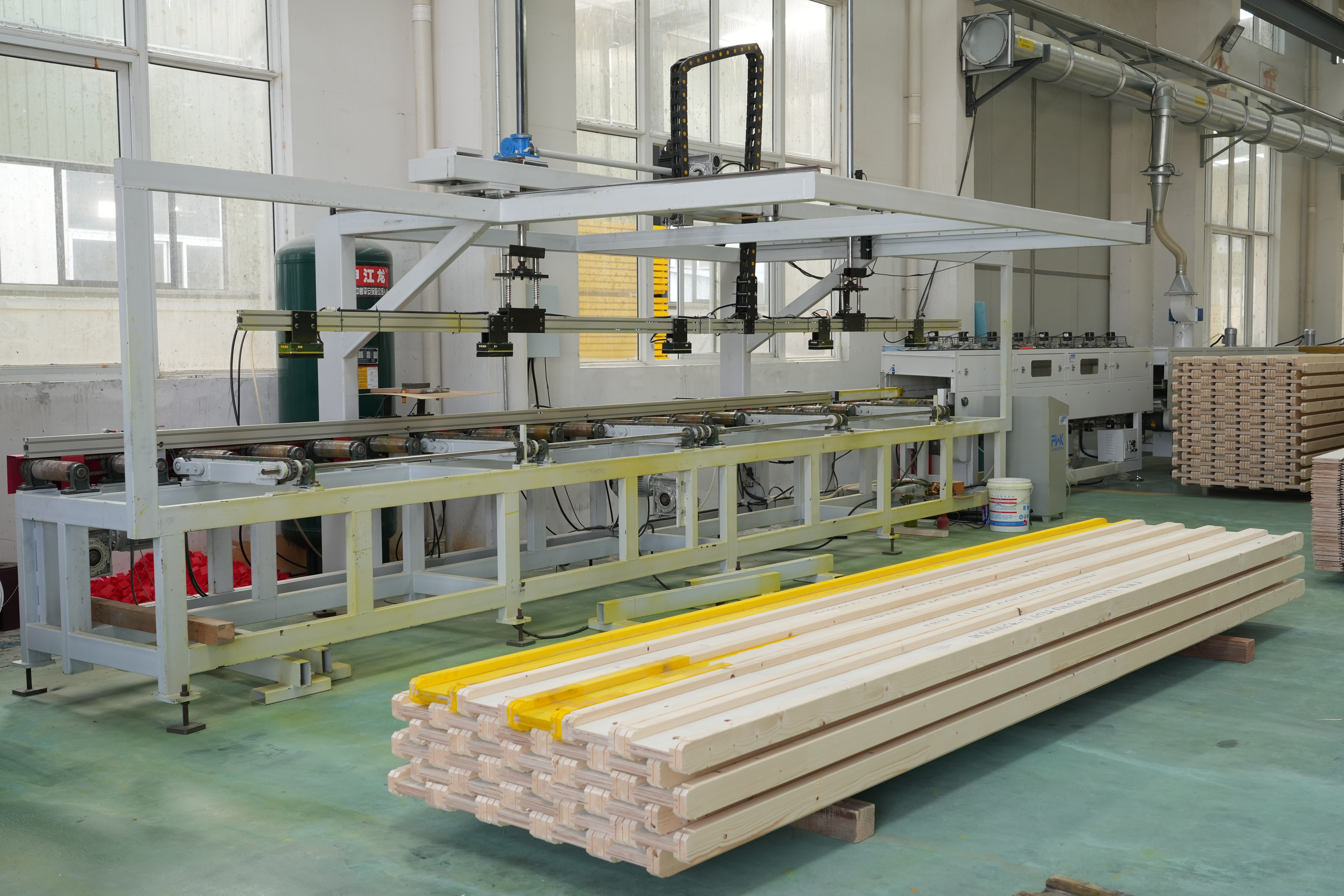
Advanced manufacturing equipment, like this timber beam processing line, is often supported by rigorous quality management systems certified to international standards.
Linking Certifications to Project Performance: A Case Context
Certifications are validated through real-world application. A supplier's long-term project partnerships can serve as a proxy for the reliability of their certified systems.
An EPC contractor utilized H20 Timber Beam Formwork systems from FWK Lianggong Formwork for over a decade in the construction of the Kalimantan Dam's underground powerhouses and water intake tunnels. The project involved large-volume concrete casting and complex geometries. The supplier's formwork system demonstrated adaptability to irregular sections and maintained load-bearing performance, contributing to a high-quality concrete finish that reduced post-processing work. The sustained, long-term application in a demanding infrastructure project underscores the practical value of a supplier's underlying quality and management systems, which are often formalized through certifications.
Conclusion: Building Assurance into Your Supply Chain
In the competitive and risk-prone construction industry, a diligent certification verification process is a powerful tool for procurement professionals. It shifts supplier selection from a subjective assessment to an evidence-based evaluation. By prioritizing suppliers with robust, verifiable, and relevant certifications—such as ISO 9001, EN 1090-2, and ISO 45001—buyers can significantly de-risk their projects, ensure regulatory compliance, and build a foundation for successful project execution. The documented certifications held by suppliers like FWK Lianggong Formwork for specific products and markets provide a clear model for the level of transparency and compliance buyers should seek.
For a comprehensive overview of product specifications, technical data, and company capabilities, procurement teams can refer to the supplier's detailed documentation.
Download the Full Product Brochure & Technical Specifications¿Tiene preguntas o necesita más detalles?
Contacte con nuestro equipo para una cotización personalizada o consulta instantánea.
Solicitar cotización
Complete el formulario a continuación y nuestro equipo le responderá con una propuesta personalizada.
Chat directo de WhatsApp
¿Prefiere chatear en tiempo real? Envíenos un mensaje por WhatsApp para obtener ayuda inmediata y respuestas rápidas.
- Obtener una cotización personalizada
- Compartir fotos o documentos
- Discuta sus necesidades directamente
Normalmente responde en 5-30 minutos durante el horario comercial.