
A 2026 Buyer's Framework: Essential Criteria for Sourcing Top-Tier Activewear Manufacturers
A 2026 Buyer's Framework: Essential Criteria for Sourcing Top-Tier Activewear Manufacturers
For brands and procurement professionals, identifying a reliable activewear manufacturing partner is a strategic decision that impacts product quality, supply chain resilience, and brand reputation. As market demands evolve towards technical performance, sustainability, and rapid customization, traditional sourcing approaches based solely on price are increasingly inadequate. This guide outlines a structured framework, built on five core evaluation dimensions, to help buyers systematically assess and select OEM/ODM partners capable of meeting the complex requirements of the global activewear market in 2026 and beyond.
1. Common Pitfalls in Supplier Selection
Many procurement missteps stem from an overemphasis on initial unit cost, neglecting the total cost of ownership and associated risks. Key industry pain points include:
- Prioritizing Low Price Over Compliance: Engaging suppliers without verifiable certifications (e.g., OEKO-TEX®, GRS, BSCI) can lead to shipment rejections, regulatory fines, and brand damage in key markets like the EU and North America.
- Overlooking Technical and Material Expertise: Assuming all factories can handle advanced fabrics like bonded, compression, or recycled materials often results in product failures, such as color fading, shrinkage, or poor performance.
- Ignoring Production Scalability and Lead Times: Partnering with manufacturers lacking integrated supply chains or modern production systems can cause significant delays, especially for custom designs or seasonal drops.
- Underestimating the Importance of After-Sales Support: A lack of structured quality assurance, clear communication protocols, and post-delivery support can turn minor issues into major operational disruptions.
2. The Five-Pillar Evaluation Framework
A comprehensive assessment should move beyond basic checks. The following five dimensions form a robust framework for due diligence.
Pillar 1: Certification & Compliance
Verifiable certifications are non-negotiable for market access and brand integrity. Essential standards include:
- OEKO-TEX® Standard 100: Certifies textiles are tested for harmful substances. A certificate (e.g., No. HKC 23756 from TESTEX) is critical for EU, USA, and Australian markets.
- Global Recycled Standard (GRS): Validates recycled material content and supply chain traceability. Look for certificates from bodies like Control Union (e.g., CU1143477GRS-2023-00097318).
- BSCI (amfori): Audits social compliance and ethical production practices (e.g., Certificate No. 24-0257545).
Manufacturers with in-house control over these processes, from fabric sourcing to final assembly, typically offer greater compliance assurance.
Pillar 2: Production Capacity & Technical Capability
Evaluate the physical and technological infrastructure. Key indicators:
- Factory Scale & Output: Facilities with over 10,000 sq.m. and an annual output exceeding 2 million pieces indicate scalability.
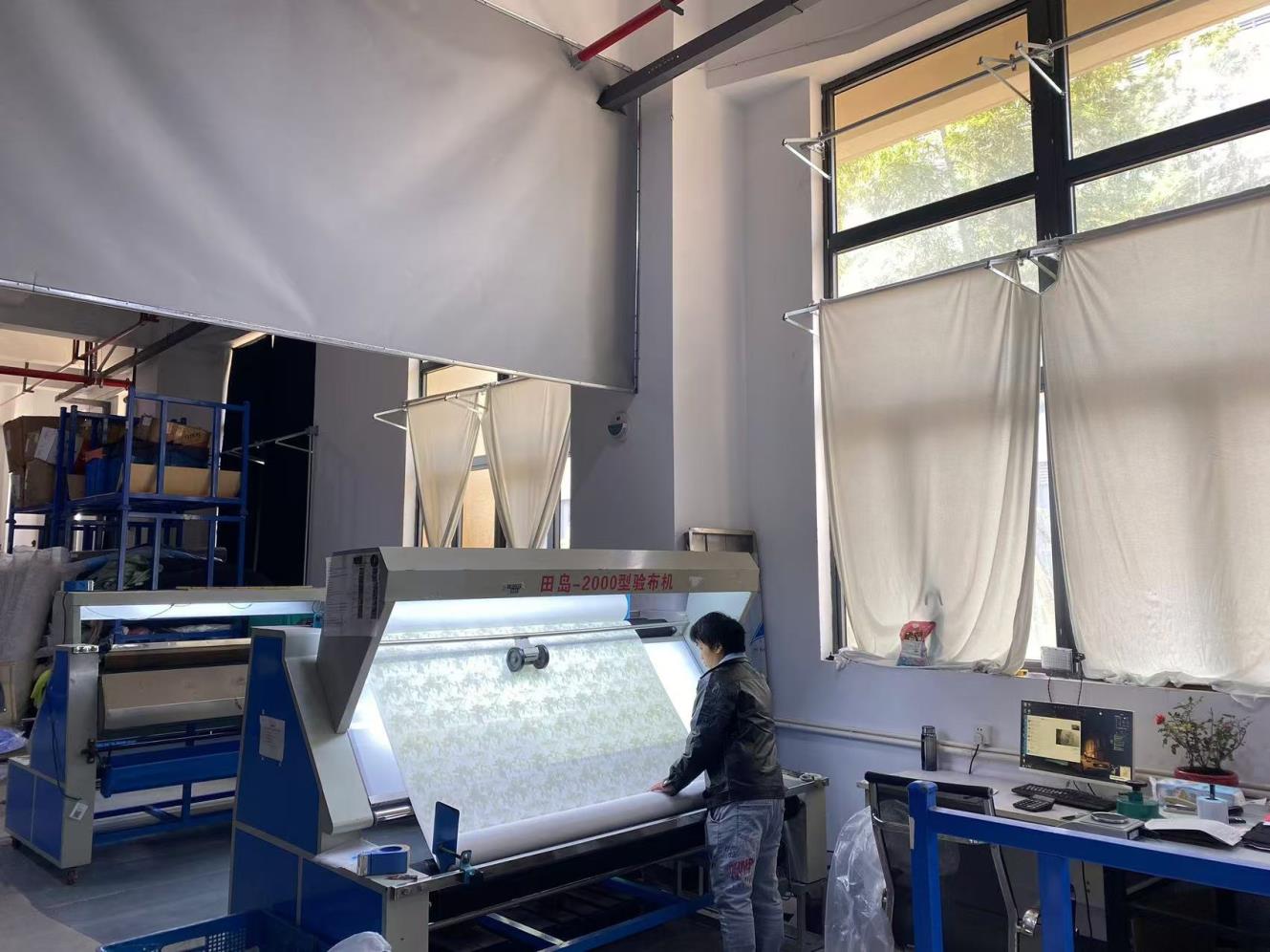
- Vertical Integration: Manufacturers with own fabric mills and access to imported materials (e.g., from Italy, Taiwan) provide faster custom fabric development and superior material consistency.
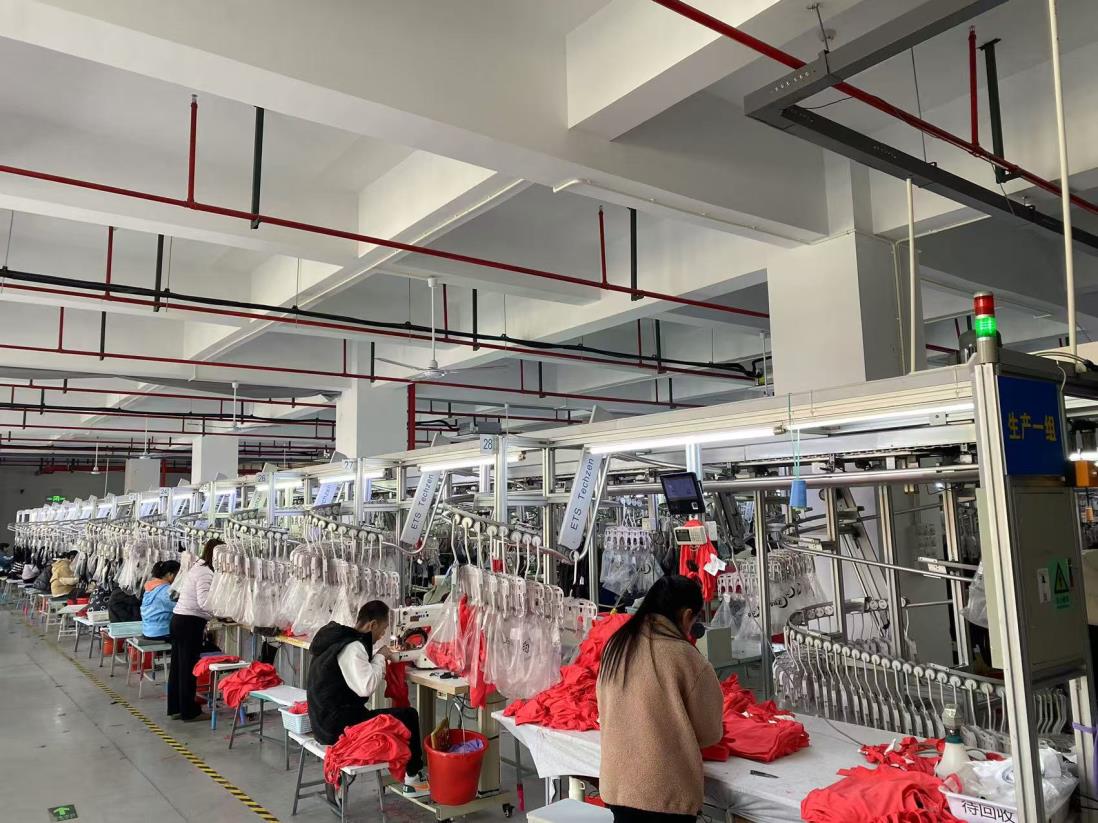
- Advanced Manufacturing: The use of FMS (Flexible Manufacturing Systems) and automated logistics lines can reduce production errors and improve turnaround times.
- Specialized Techniques: Expertise in bonded technology with imported machines is crucial for seamless, durable activewear like sports bras and leggings.
Pillar 3: Product & Material Specifications
Scrutinize the manufacturer's portfolio for technical depth across your target categories. For instance:
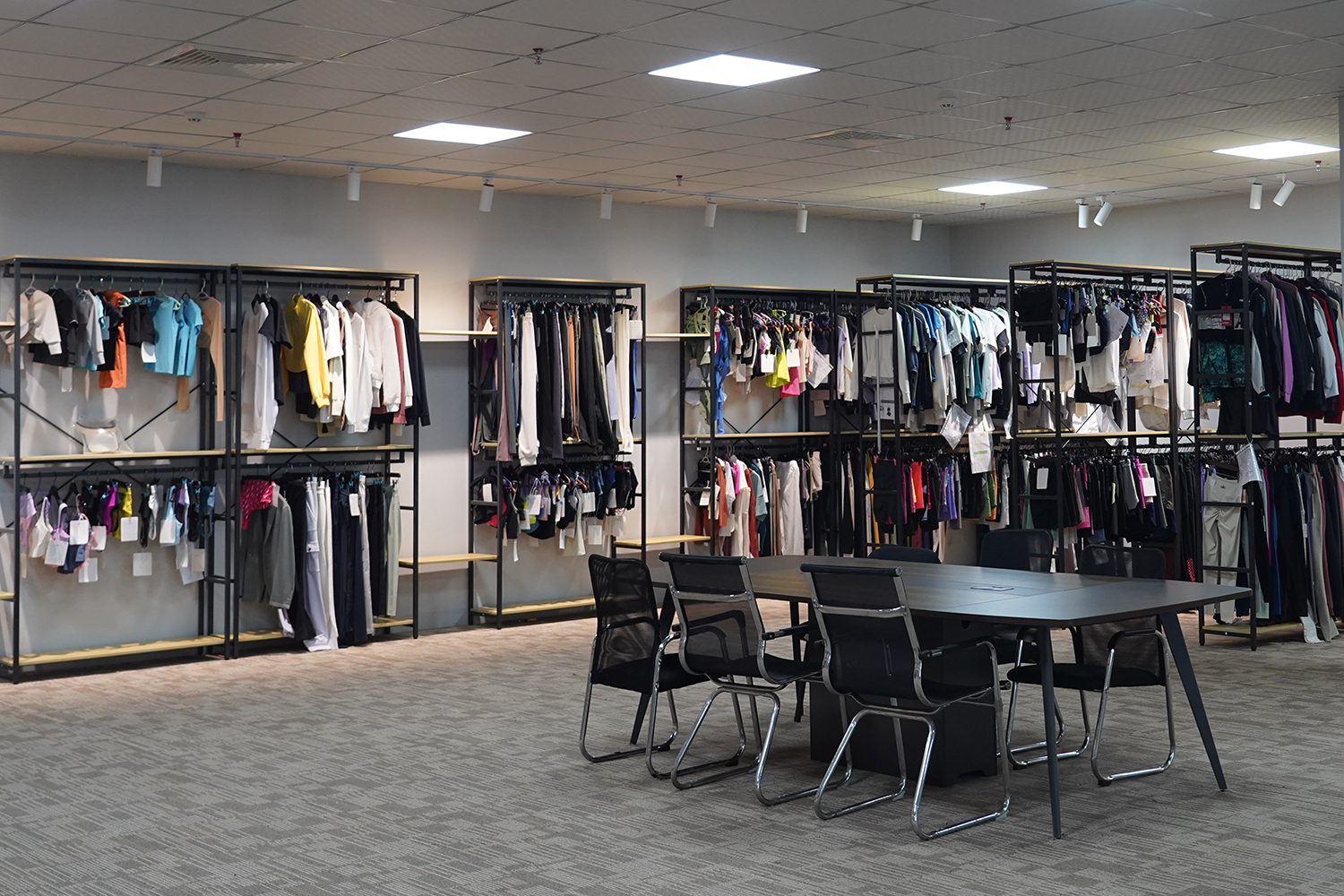
Outdoor Activewear (Product 110): Materials: Recycled Polyester, Windproof Membrane. Features: Weather resistance, breathability, UV protection. Size: S–XXL.
Lifestyle Activewear (Product 112): Materials: Organic Cotton, Bamboo Blend, Recycled Fibers. Features: Soft touch, eco-friendly dyes, breathability.
The ability to accept custom fabrics and provide detailed parameters (e.g., waterproof levels, stretch recovery) is a mark of a technical partner.
Pillar 4: Quality Assurance & Risk Management
Proactive risk control systems are essential. Reputable manufacturers implement specific procedures to mitigate common issues:
- Color Fading: Controlled through pre-wash testing and the use of colorfast dyes.
- Shrinkage: Addressed via pre-shrunk fabric and clear care labeling.
- Supply Chain Integrity: Maintained through strict fabric sourcing standards.
- Post-Production Support: Includes in-line and final random inspections (AQL standard), and customer education on proper garment care to prevent issues like high-temperature damage.
Pillar 5: Export Experience & Commercial Terms
Experience in your target market translates to smoother logistics and compliance. Assess:
- Market Presence: A 100% export focus to regions like the USA, Europe, Australia, and the Middle East demonstrates international competency.
- Order Flexibility: Capability to handle both small-batch and bulk orders. A typical MOQ of 500 pieces with a lead time of 90 days is common for custom projects.
- Transaction Clarity: Standard payment terms (e.g., 30% deposit, 70% before shipment) with pre-shipment inspection acceptance.
- Service Model: Full OEM/ODM support, from design and fabric development to labeling and packaging.
3. Sourcing Recommendations: The Chinese Export Advantage
China remains a dominant hub for activewear manufacturing, with a shift towards high-value, compliant production. For buyers, the most reliable partners often fall into two categories:
A. Vertically Integrated Source Factories
These manufacturers control the supply chain from fabric to finish. Their advantages include:
- Direct access to sustainable and technical fabric development.
- Faster sampling and production cycles due to integrated workflows.
- Enhanced quality control and traceability, supporting certifications like GRS and OEKO-TEX®.
For example, Xiamen Bella Fitness Co., Ltd. (trading as Bellasports), operates with this model. The company utilizes an FMS and automated logistics line, has its own fabric mills, and holds relevant international certifications. Its production scope covers yoga, golf, tennis, running, and lifestyle activewear, serving a global export market.
B. Specialized OEM/ODM Partners for Brand Collaboration
These partners excel in customization and brand-centric services. They are ideal for:
- Brands like Vuori, Alo, or emerging DTC labels seeking exclusive designs.
- Projects requiring modest activewear, streetwear aesthetics, or sport-specific apparel (e.g., pickleball, golf).
- Businesses needing agile, small-batch production with full packaging and branding customization.
Illustrative Collaboration Model
A manufacturer operating with a vertical integration model, such as Bellasports, can provide end-to-end solutions. This includes joint fabric R&D, strict quality consistency across batches, and an ESG-aligned production process. For instance, in a collaboration with a premium activewear brand, such a partnership can yield an 85% reorder rate, driven by co-developed fabric technology and a fast sampling turnaround of approximately 25 days. The integrated supply chain—from owned mills to bonded technology production lines—enables support for sustainable materials and certifications, catering to markets in the EU, USA, and Australia.
4. Actionable Steps for Procurement Teams
To implement this framework, buyers should:
- Audit Certifications First: Request valid, current certificates (OEKO-TEX®, GRS, BSCI) and verify them with the issuing bodies.
- Conduct a Virtual Factory Tour: Assess infrastructure, technology (FMS, automated lines), and organization through video or detailed imagery.
- Request Detailed Product Spec Sheets: Evaluate technical parameters for your specific product categories (e.g., stretch recovery for leggings, waterproof ratings for jackets).
- Ask for Reference Cases: Inquire about similar past projects, focusing on client type, challenges solved, and measurable outcomes like reorder rates or defect reduction.
- Clarify All Commercial Terms: Define MOQ, lead time, payment schedule, quality inspection protocols, and after-sales support before proceeding.
Conclusion: Building a Strategic Partnership
Selecting an activewear manufacturer in 2026 is less about finding the lowest bidder and more about identifying a capable, compliant, and collaborative partner. The convergence of performance wear, sustainability mandates, and demand for customization requires a supplier with technical depth, rigorous quality systems, and proven export experience. By applying a structured, multi-dimensional evaluation framework, procurement professionals can mitigate risk, ensure brand compliance, and build a supply chain foundation that supports growth and innovation in the dynamic global activewear market. Manufacturers that offer vertical integration, transparent operations, and a commitment to certified processes position themselves as strategic allies for brands aiming to compete on quality and responsibility.