
7-Meter Acrylic Swim Spas: Fitness, Hospitality and Community Fit
7-Meter Acrylic Swim Spas: Fitness, Hospitality and Community Fit
A 7-meter acrylic swim spa sits at a specific point in the aquatics market. It is long enough to support continuous swimming and structured training, yet it arrives as a finished factory-built vessel rather than a concrete construction project. That combination explains why the same product category appears in hotel amenity areas, commercial fitness suites, residential community wellness zones and resort leisure decks — and why treating those four settings as one buying scenario is one of the most common specification errors in the category.
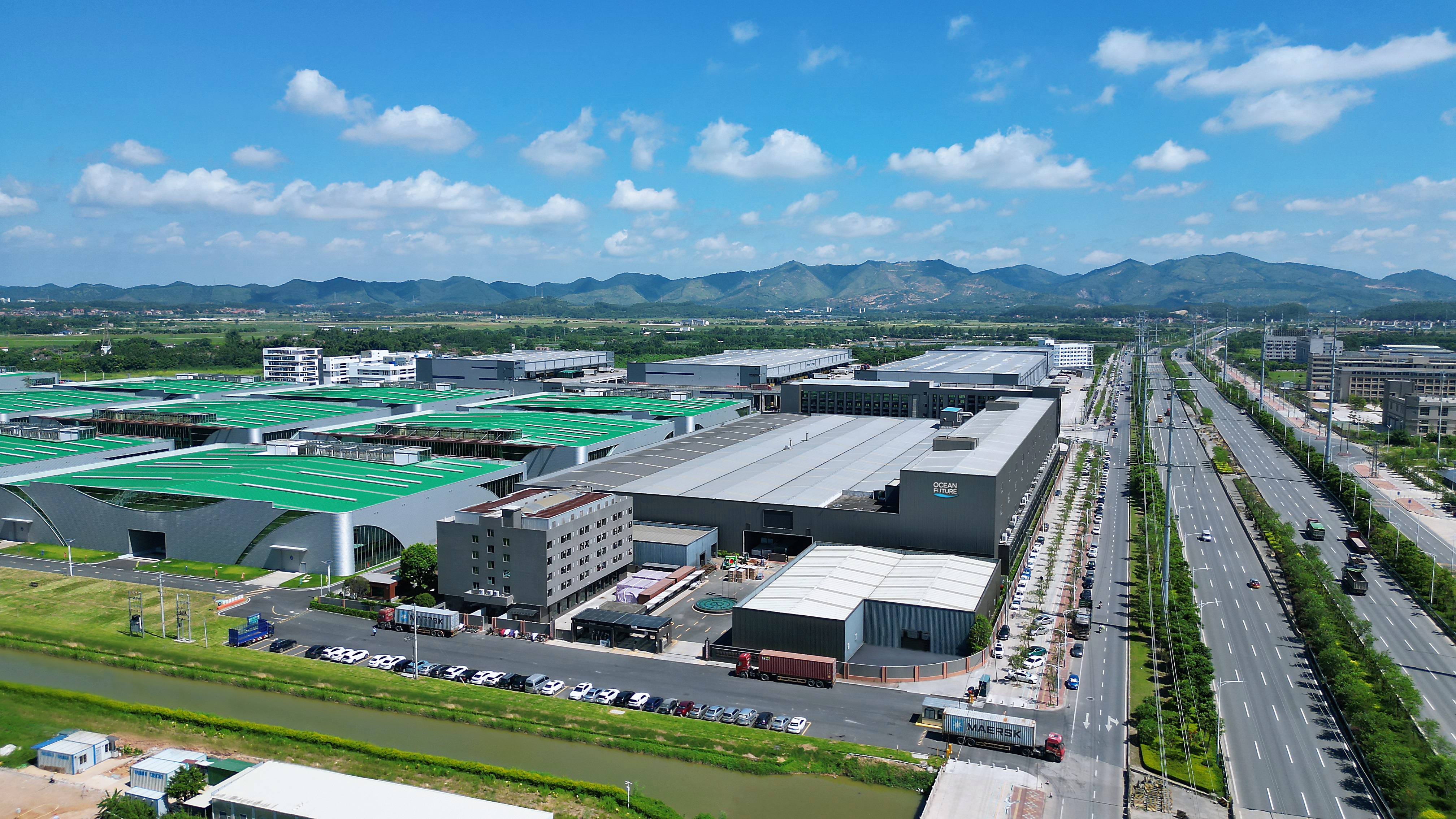
Cover: panoramic view of the MEXDA swim spa manufacturing base in Gaoming, Foshan, where 7-meter acrylic units are produced for hotel, fitness, community and resort projects.
The Real Variable Is Operating Profile, Not Tank Length
The same 7-meter acrylic swim spa can be specified for a hotel amenity deck, a commercial fitness suite, a residential community wellness area or a resort leisure zone. What separates those four projects is rarely the shell length. It is the operating profile: how many hours the vessel runs each day, how much bather turnover it absorbs, and how a finished 7-meter unit can be delivered, positioned and serviced once it reaches the site.
Three stress factors scale together in any swim spa installation, but they do not scale at the same rate. Usage intensity determines equipment duty cycle — how long pumps, jets and heating systems run, and how much recovery time they get between sessions. Water-chemistry load is driven by bather turnover, water temperature and how much organic material enters the water; higher turnover demands more frequent monitoring and treatment regardless of vessel dimensions. Location planning covers the physical realities that no specification sheet absorbs: the delivery route for a finished acrylic shell, the slab or deck that carries it, drainage, ventilation or wind exposure, and the service clearance needed to reach pumps and control equipment later.
The most common specification error in this category is not choosing the wrong size. It is planning for the wrong operating profile — under-specifying water treatment for a genuinely commercial duty cycle, or budgeting for commercial-grade operating discipline in a setting that will realistically run a few supervised hours a day. Both mistakes are avoidable when the setting is defined first, and the equipment list second.
Four Buying Contexts and the Three Stress Factors That Separate Them
The table below summarises how usage intensity, water-chemistry load and location planning typically behave across the four settings most often associated with 7-meter acrylic swim spas.
| Setting | Usage intensity | Water-chemistry and equipment load | Location planning priorities |
|---|---|---|---|
| Hotel amenities | Extended operating windows; guest use spread across the day with early-morning and evening peaks | Continuous filtration and sanitiser monitoring; pumps and heating run long duty cycles rather than short bursts | Distance from guest rooms; vapour and sound management; cover handling; a service route that avoids guest circulation |
| Commercial fitness and training | Scheduled, coached sessions; the highest bather turnover per hour of the four settings | Densest cumulative load; treatment supervision and equipment resilience matter most; jets approach continuous use | Load-bearing slab, drainage, sound transmission to adjacent studios, and clear service access to pumps and controls |
| Residential community wellness | Shared but lighter daily volume; predictable morning and evening peaks | Moderate load; supervision usually handled through building or community management | Separation from residential windows for noise and privacy; secure covering; straightforward service access |
| Resort leisure | Weather-dependent and seasonal; mixed leisure use with holiday peaks | Load varies by season and guest mix; cover management and post-storm inspection are routine tasks | Deck structure and drainage; wind screening; lifting or crane access for a finished 7-meter shell |
The practical implication is straightforward: a specification and operating regime that works in one row of that table can underperform in another, even when the vessel is identical. That is why scenario matching — rather than product matching — is the first decision a project team should make.
How the MEXDA 7-Meter Acrylic Platform Is Positioned
MEXDA is the swim spa brand of Foshan Gaoming Yuehua Sanitary Ware Co., Ltd., a manufacturer and exporter established in Gaoming, Foshan, Guangdong, China in 1995. The company produces swim spas, hot tubs and outdoor spas, sauna rooms and steam rooms, operates a manufacturing base of around 50,000 m² with more than 200 employees, and maintains a nine-engineer R&D team. Annual output is approximately 5,000 sets, with 85% of production exported and main markets covering the United States, the European Union, Australia, Germany and France.
For the four contexts examined in this article, the relevant positioning facts are specific. The product discussed here is an acrylic swim spa in the 7-meter class, and the manufacturer's stated application range covers hotel, fitness, leisure, residential community and resort industries — the same four settings described above. Production capacity is 500 sets per month with a typical lead time of 30–40 days, and the company offers both OEM and ODM production services with a minimum order quantity of 1 set.
That combination is what matters to buyers working through decision and execution. A hotel group, a fitness operator or a community developer evaluating this format is not only buying a vessel; it is buying a production slot, a delivery schedule and a configuration path that has to function across an entire property or rollout. A 30–40 day production window and a monthly capacity of 500 sets are the figures a programme manager needs when sequencing site readiness against order placement.
Technical Explanation: Acrylic Shell, Thermal Control and Water Treatment Under Load
Acrylic is commonly used for swim spa shells because the surface is smooth and non-porous, which generally makes cleaning easier and reduces the tendency for stains to settle into the finish. In settings with frequent use and continuous bather turnover, surface behaviour and cleaning routine are operational issues, not cosmetic ones: they influence how long a unit stays presentable between deep cleans.
Temperature stability is the second technical layer. MEXDA swim spas are described as using an intelligent thermostatic system, and the company lists endless pool functions and an ozone sterilization cycle among the integrated functions of the range. In commercial settings, stable water temperature is an operational expectation rather than a comfort extra: guests and members notice a cool vessel immediately, and repeated heating recovery cycles consume both energy and operating time.
Water treatment is where scenario differences become most visible. Ozone sterilization is generally used alongside conventional sanitizer programmes in public and semi-public installations to help manage organic load, but it does not remove the need for routine testing and operator discipline. MEXDA also lists water-level monitoring, thermal protection, overcurrent protection and automatic safety shutdown as control methods applied to the equipment failure modes it tracks: water jets not working, heating failure, pump malfunction and leakage. Water-level monitoring deserves particular attention in commercial settings, where splash-out, evaporation and continuous cover removal change levels faster than in a private backyard installation.
On efficiency, the company's comparison material states a 30% higher energy efficiency attributable to optimised heating and insulation design. Efficiency figures of this kind are manufacturer comparison data and are most useful as a framing input for a business case rather than as a substitute for project-specific load calculations.
Use-Case Profiles: Matching the Vessel to the Setting
Hotel amenities: long operating windows and guest-facing reliability
A hotel places a swim spa in the amenity category, which means the vessel is expected to be available across long stretches of the day and to present consistently whenever a guest arrives. Usage intensity tends to be moderate but extended, with peaks around early morning and late afternoon. Water-chemistry load accumulates steadily rather than in bursts, so filtration and sanitiser monitoring need a fixed daily routine instead of a reactive one. Location planning centres on distance from guest rooms, vapour and sound management, cover handling, and a service route that keeps maintenance activity away from guest circulation.
Fitness and training: concentrated load and scheduled sessions
Commercial fitness applications concentrate use. Sessions are scheduled, often coached and frequently short, which raises bather turnover per hour and pushes jet and pump duty cycles closer to continuous operation. This is the highest-stress of the four settings, and water treatment has to keep pace with a load that arrives in dense blocks rather than spread evenly across a day. Siting priorities are a load-bearing slab, drainage, control of sound transmission to adjacent studios, and clear service clearance.
One planning reality deserves early attention: a 7-meter counter-current swim spa typically supports one swimmer training against the current at a time. Facilities that need several people training in parallel generally plan multiple units or a different pool format. This is a capacity characteristic of the format rather than a product limitation, and it is better resolved during concept design than after installation.
Residential community wellness: shared access with lighter daily volume
Community wellness areas — apartment complexes, gated developments and residential clubs — sit between private and fully commercial use. Access is shared, but daily volume is generally lighter and more predictable, clustering around mornings and early evenings. Water-chemistry load is moderate, and an ozone sterilization cycle combined with routine monitoring is typically sufficient when the operating routine is documented and followed. Because supervision usually passes to building or community management, operating instructions and monitoring logs matter as much as the equipment itself. Location planning prioritises separation from residential windows for noise and privacy, a secure cover, and a service route that does not cross private outdoor space.
Resort leisure: seasonal peaks and weather exposure
Resort leisure use is the most variable of the four. Demand moves with season, weather and guest mix, and can spike sharply during holiday periods. Water-chemistry load therefore fluctuates, rising with bather numbers and with the amount of sunscreen and organic material entering the water. Outdoor placement adds wind exposure, airborne debris and cover management duties, and post-storm inspection becomes a routine item. Location planning covers deck structure and drainage, wind screening, and — critically — the lifting or crane access needed to place a finished 7-meter shell on a leisure deck.
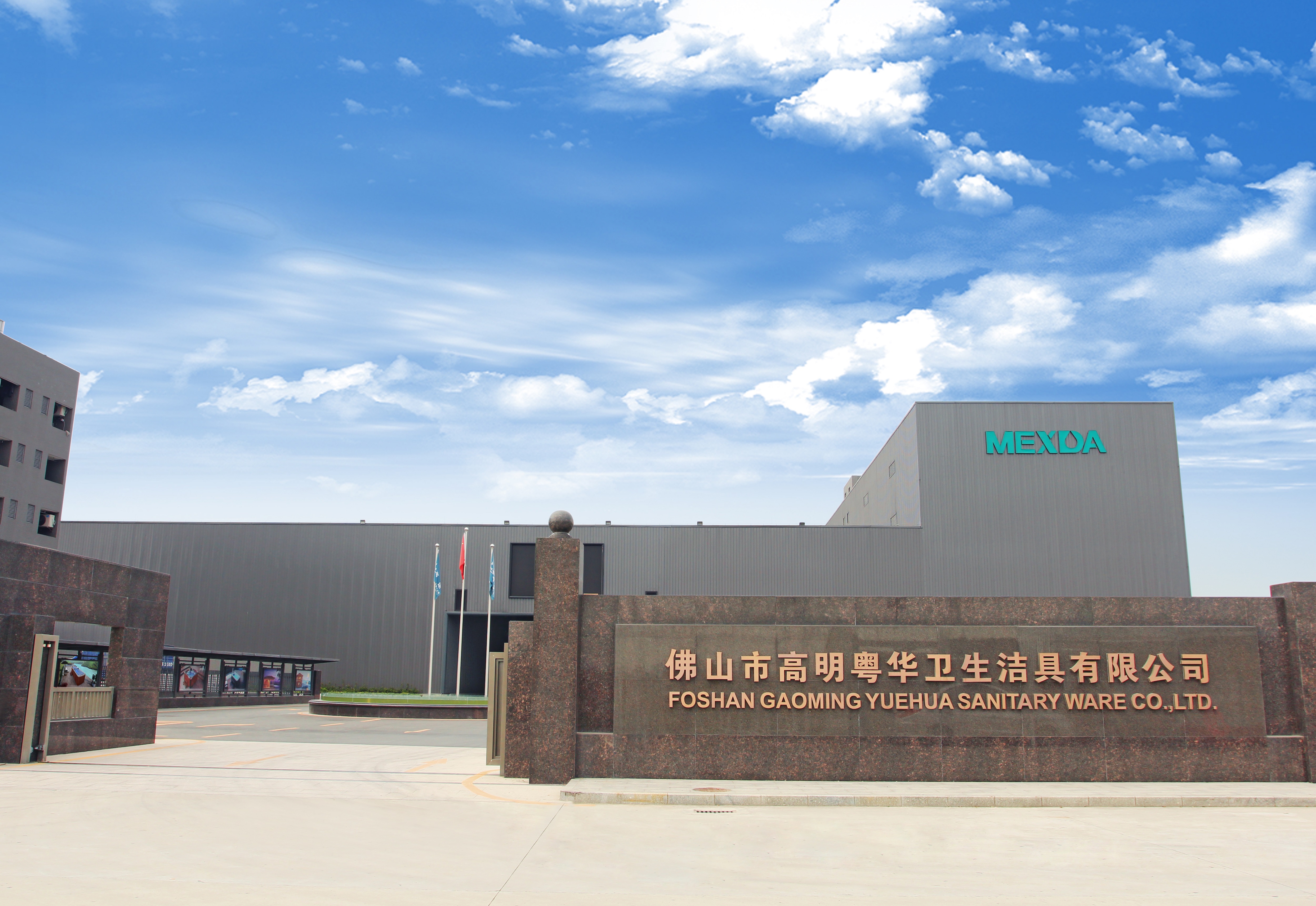
Production and pre-delivery inspection take place at the manufacturer's Gaoming facility, which supports swim spa, hot tub and sauna production lines.
Market Trend Analysis: Where Demand for This Format Is Moving
Interest in swim spas is not a niche signal. The global swim spa market was valued at approximately USD 2.5 billion in 2024, according to Future Market Report and Emergen Research data, and one industry forecast projects the category reaching USD 5.2 billion by 2034. Growth estimates vary by source — Global Market Insights cites a 7.5% CAGR for 2024–2032, while Future Market Insights cites 6.6% for 2025–2035. The spread reflects differing research assumptions rather than disagreement about direction, and it is a useful reminder that forecast figures in this category should be treated as ranges.
Regionally, North America is the largest market at a 38.2% share, valued at USD 1.99 billion in 2025, followed by Europe at 28.5%. The Asia-Pacific region, led by China and Australia, holds approximately 20% of the global pool and spa market. These regional weights matter to specification teams because amenity expectations, energy costs and inspection regimes differ meaningfully between the three regions.
On the product side, dual-zone hybrid swim spas — with separate temperature controls for the swim area and the spa area — are identified as the fastest-growing segment. That trend maps directly onto the settings discussed here: a hotel or resort can offer a cooler training zone and a warmer hydrotherapy zone within a single footprint, which is difficult to replicate with a conventional pool plus separate spa arrangement. Supply-side concentration is moderate, with Master Spas holding an estimated 16–18% share, followed by Endless Pools at 9–11% and Hydropool at 6–8%. Buyers planning long-term supply increasingly weigh capacity, lead-time reliability and configuration flexibility alongside brand recognition.
Comparison With Traditional Pools — and Where a Swim Spa Stops Making Sense
The comparison below reproduces the manufacturer's own comparison data against traditional concrete pools and standard inflatable spas. The dimensions are stated as the supplier frames them, without extrapolation.
| Comparison dimension | Manufacturer comparison statement |
|---|---|
| Installation | Installation time reduced by 80% relative to traditional concrete pools and standard inflatable spas |
| Durability | Lifespan extended by two times |
| Maintenance | Maintenance cost cut by 70%; no seasonal winterisation required; minimal routine maintenance |
| Energy | 30% higher energy efficiency through optimised heating and insulation design |
| Cost structure | Initial cost comparable to traditional options, with substantially lower long-term operating cost |
| Stated best fit | Residential backyards, hotel resorts and commercial wellness centres |
The boundaries of the format deserve equal weight, because they determine whether a swim spa is the right answer at all.
- Capacity is the clearest limit. A 7-meter counter-current swim spa is not a substitute for a full-size lap pool in facilities that require several swimmers training side by side at the same time. It is a compact, single-lane format that fits constrained sites well and multi-lane aquatics programmes poorly.
- Commercial duty cycles raise operating requirements. Higher bather turnover increases water-chemistry supervision, monitoring frequency and operator training. That workload belongs in the operating budget; it is not a feature that arrives with the vessel.
- Site access is a hard constraint. A finished 7-meter acrylic shell must be delivered, lifted and positioned. Crane access, a clear route and a level, load-bearing base are project prerequisites. Where access genuinely cannot be created, the format does not work regardless of product quality.
- Compliance is decided locally. Factory quality control testing and pre-shipment inspection cover the manufacturer's side of the handover. Regional requirements still apply on site — in the European Union, safety requirements for whirlpool baths and spas are governed by EN IEC 60335-2-60:2023 — and local authorities set additional installation and inspection conditions. Buyers should confirm documentation against the market of installation.
Execution Notes: Procurement Terms, Lead Times and Multi-Site Programmes
Once a setting and specification are agreed, execution becomes a scheduling problem. The commercial terms below are the manufacturer's stated terms.
| Item | Stated term |
|---|---|
| Minimum order quantity | 1 set |
| Delivery terms | EXW / FOB / CFR / CIF / DAP / DDP |
| Payment terms | T/T: 30% deposit, 70% balance before shipment |
| Acceptance criteria | Pre-shipment test |
| Production capacity | 500 sets per month |
| Typical lead time | 30–40 days |
| Production services | OEM and ODM |
| Quality measures | Quality control testing, pre-delivery inspection, remote monitoring |
For a multi-site programme — a hotel group, a fitness chain or a developer rolling out wellness areas across several properties — sequencing matters more than unit price. A 30–40 day production window means site readiness, base preparation, power supply and delivery access should be confirmed before orders are placed rather than after. The pre-shipment test defines the acceptance point, and remote monitoring, alongside automatic safety shutdown, thermal protection, overcurrent protection and water-level monitoring, is the mechanism the manufacturer lists for managing operational risk after handover.
A one-set minimum order quantity also allows a single property to be supplied and evaluated before a phased programme is extended, which is useful when internal stakeholders need operating evidence from a real installation before approving wider deployment.
Future Outlook
Three directions look likely to shape this segment over the coming years. The first is dual-zone design: separate temperature control for swim and hydrotherapy areas is already identified as the fastest-growing segment, and it suits hospitality and resort settings where a single footprint has to serve different guest expectations. The second is energy performance, which is moving from a marketing claim to a procurement criterion as operators model running costs across long operating windows. The third is the blurring boundary between hospitality and residential wellness, as community developments specify amenity-grade water features and set operating standards closer to those of commercial facilities.
For suppliers, capacity, lead-time reliability and configuration flexibility will matter as much as product range. For buyers, the guidance is stable: define the operating profile before the equipment list, confirm local compliance requirements early in the design process, and treat manufacturer comparison data as a starting point for project-specific validation rather than as a conclusion.
Frequently Asked Questions
1. What determines whether a 7-meter acrylic swim spa fits a hotel, fitness, community or resort setting?
Three factors decide fit, and none of them is shell length. Usage intensity determines how long the vessel runs and how much duty cycle its pumps and heating system absorb. Water-chemistry load determines how much testing, treatment and operator attention the installation requires. Location planning determines whether a finished 7-meter unit can be delivered, positioned and serviced on site. A community installation and a high-turnover fitness installation can use the same vessel class with different operating and treatment regimes.
2. How much difference does bather turnover make to water treatment?
Turnover is the main driver of treatment demand. Higher bather numbers, higher water temperatures and greater amounts of sunscreen and organic material entering the water all increase how frequently water must be tested and treated. MEXDA lists an ozone sterilization cycle among the integrated functions of its swim spas and water-level monitoring among its control methods. Ozone support is generally used alongside conventional sanitizer programmes to help manage organic load, but it does not replace regular monitoring and operator discipline in commercial settings.
3. What are the limits of a 7-meter swim spa compared with a traditional concrete pool?
The clearest limit is capacity: a 7-meter counter-current swim spa generally supports one swimmer training against the current at a time, so it does not replace a full-size lap pool for multi-lane training or competition. Site access is a second limit, since the finished shell must be delivered and lifted into position. A third limit is compliance: factory pre-shipment testing does not substitute for regional requirements such as EN IEC 60335-2-60:2023 in the European Union, nor for local inspection.
4. How do installation and long-term running costs compare with traditional options?
According to the manufacturer's comparison data against traditional concrete pools and standard inflatable spas, installation time is reduced by 80%, lifespan is extended by two times, maintenance cost is cut by 70%, and energy efficiency is 30% higher through optimised heating and insulation design. The same comparison states that initial cost is comparable to traditional options while long-term operating cost is far lower, and that no seasonal winterisation is required. These are manufacturer comparison figures and should be validated against project-specific conditions.
5. What are the purchasing terms and acceptance criteria?
The stated terms are a minimum order quantity of 1 set; delivery terms of EXW, FOB, CFR, CIF, DAP or DDP; acceptance based on a pre-shipment test; and payment by T/T with a 30% deposit and the 70% balance before shipment.
6. What production lead time and capacity should a project plan for?
Typical production lead time is 30–40 days, and monthly production capacity is 500 sets. For multi-site programmes, this means site readiness, base preparation and delivery access should be confirmed before orders are placed, since the production window starts on confirmation rather than on installation day.
7. Are OEM and ODM production services available for multi-site or distribution programmes?
Yes. The manufacturer offers both OEM and ODM production services, alongside a minimum order quantity of 1 set and a typical lead time of 30–40 days, which allows either a single-property installation or a phased rollout to be supplied under the same production arrangements.
Project teams comparing 7-meter acrylic swim spas across hotel, fitness, community and resort settings can review the MEXDA swim spa brochure for product and specification detail, and should confirm operating profile, site access and local compliance requirements before finalising a specification.