
316L vs 304 Stainless Steel Jewelry: Which Delivers Better Long-Term Value?
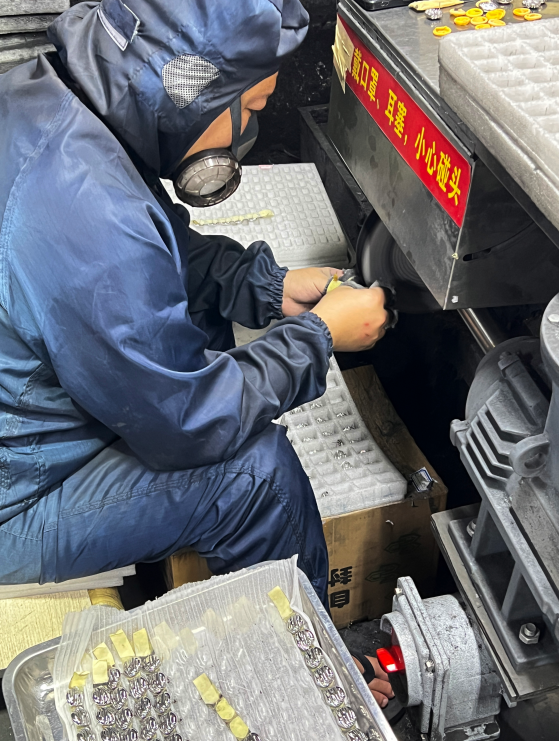
Industry Introduction
For wholesale buyers and brand owners evaluating custom stainless steel jewelry, the choice between 316L and 304 stainless steel directly impacts product durability, customer satisfaction, and long-term costs. The global stainless steel jewelry market reached USD 6.79 billion in 2024 and is projected to grow to USD 10.8 billion by 2035, driven by rising demand for hypoallergenic, durable, and customizable accessories. Jusnova Jewelry Co., Ltd., a Guangzhou-based OEM/ODM manufacturer founded in 2009, specializes in stainless steel bangles, bracelets, rings, earrings, and PVD/electroplated pieces, serving wholesale and brand buyers with export ratio of 95% to markets including Europe and America.
Problem vs. Opportunity: Choosing the Right Material
Buyers often face a trade-off between upfront cost and long-term performance. Plated brass/alloy jewelry is inexpensive but prone to fading and skin irritation. Sterling silver offers premium aesthetics but requires regular anti-oxidation care. Stainless steel bridges this gap with superior corrosion resistance and hypoallergenic properties. However, the distinction between 304 and 316L grades is critical for brands targeting active lifestyles, travel, or high-humidity environments. With the personalized jewelry market estimated at USD 42.51 billion in 2024 and a CAGR of 8.6%, offering the right material grade can unlock premium positioning and repeat purchases.
Jusnova Jewelry’s Solution: Grade-appropriate Manufacturing
Jusnova Jewelry provides both 304 and 316L stainless steel jewelry, applying 16 years of manufacturing expertise to help buyers match material choice with end-use scenarios. The key quantified difference is that 316L contains 2–3% Molybdenum (Mo) added to 304 base composition, significantly enhancing corrosion resistance. In salt spray tests, 316L lasts 3 to 5 times longer than 304 before showing signs of corrosion. For maintenance, 316L typically maintains its finish for years with a simple wipe, while 304 may need occasional polishing after 6–12 months of regular use. This makes 316L more suitable for daily wear, sports, and travel, whereas 304 offers a cost-effective choice for general use.
Technical Explanation: Material Science in Action
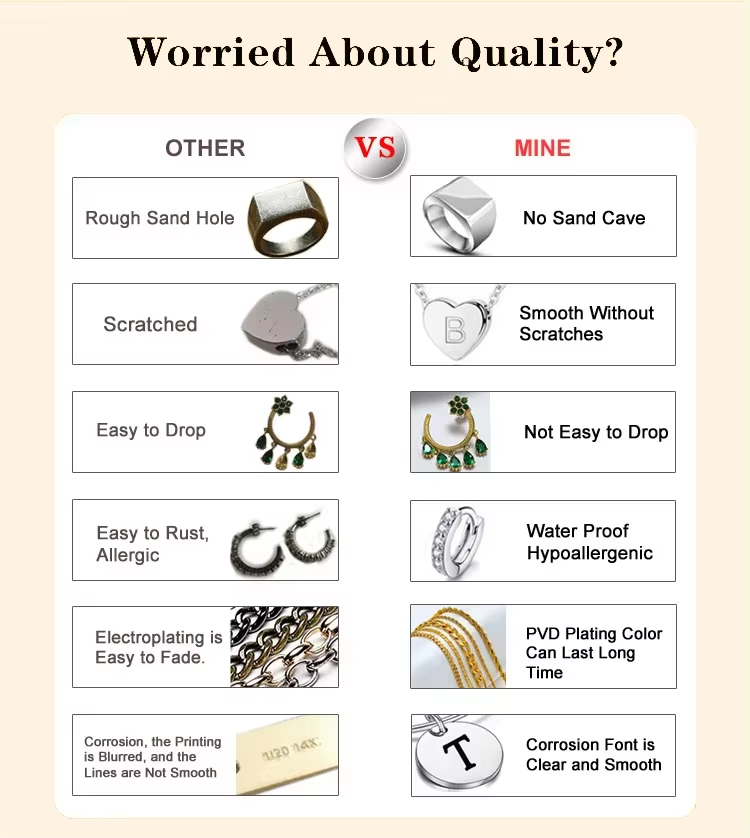
In chloride-containing soils, the corrosion resistance ranking is 304 > 304L > 316L, with 316L showing the best performance. This translates to real-world advantage for jewelry exposed to sweat, saltwater, and environmental moisture. PVD (Physical Vapor Deposition) coating applied to 316L stainless steel provides a surface 10x more durable than traditional electroplating, enabling waterproof and anti-tarnish marketing claims. Jusnova’s manufacturing process includes laser engraving, vacuum electroplating, and 18K gold PVD plating, allowing brands to offer engraved gold plated stainless steel jewelry that remains tarnish-free even after long-term use.
Application Scenarios: Matching Grade to Use Case
For everyday essentials, sports, and travel, 316L is the recommended choice. Its low maintenance and high sweat resistance suit customers who wear jewelry 24/7. For fashion-forward collections with lower cost targets, 304 works well for intermittent wear. Customizable design stainless steel jewelry, including personalization via laser engraving, is increasingly demanded: 68% of couples in 2024 chose customized or bespoke jewelry over ready-made options, favoring stainless steel for its longevity. Jusnova supports this trend with 500+ new styles monthly and full OEM/ODM capabilities from concept to shipment.
Market Trend Analysis
The shift toward durable, non-tarnish jewelry is accelerating. China's total jewelry exports reached USD 12.7 billion in 2025, with stainless steel gaining share from precious metals due to its cost stability and versatility. Waterproof jewelry wholesale and PVD coated stainless steel jewelry are trending as consumers seek pieces that survive swimming, gym, and daily wear without maintenance. Hypoallergenic stainless steel jewelry, especially 316L surgical steel, is becoming the benchmark for sensitive skin. For buyers, offering both tarnish-free and hypoallergenic options positions brands for both retail and e-commerce growth.
Comparison with Traditional Solutions
Compared to plated brass/alloy, sterling silver, and gold-plated pieces, stainless steel jewelry has distinct advantages in corrosion resistance and hypoallergenic properties. Copper and brass base metals under gold plating can turn green/black once plating wears off, staining skin. With 304 stainless steel, even if plating wears, the base metal remains bright, tarnish-free, and skin-safe. However, an honest limitation: 316L stainless steel costs 10–18% more per finished piece than 304. Yet the upfront investment is outweighed by lower return rates, higher customer satisfaction, and the ability to command retail premiums of 20–40% – making it better long-term value for quality-focused jewelry brands.
Future Outlook
As demand for sustainable and low-maintenance products grows, 316L’s longer lifespan (energy cost per year of use is lower than 304) positions it as the resource-efficient choice. Brands that adopt PVD-coated 316L jewelry can confidently market “waterproof” and “anti-tarnish” features, reducing returns and building trust. Jusnova’s risk control system – covering incoming inspection, in-process checks, finished-product sampling, accelerated aging tests, and clearly defined QA/lead-time terms – ensures consistent quality for both 304 and 316L production, supporting buyers in scaling their stainless steel collections.
Frequently Asked Questions
Q: How does 316L stainless steel compare to 304 in corrosion resistance?
A: 316L contains 2–3% Molybdenum, enhancing its corrosion resistance significantly. In salt spray tests, 316L lasts 3 to 5 times longer than 304 before showing signs of corrosion.
Q: What is the maintenance difference between 304 and 316L?
A: 316L requires less maintenance than 304. It typically maintains its finish for years with a simple wipe, while 304 may benefit from occasional polish after 6–12 months of regular use.
Q: Which scenarios are best suited for 316L vs 304?
A: 316L is more suitable for daily wear, sports, and travel, while 304 is a cost-effective choice for general use.
Q: How does stainless steel compare to plated brass/alloy and sterling silver?
A: Stainless steel has distinct advantages in corrosion resistance and hypoallergenic properties. Plated alloys fade over time; sterling silver requires anti-oxidation care. Stainless steel remains bright and skin-safe even after plating wear.
Q: Is 316L cost-effective despite higher material cost?
A: 316L costs 10–18% more per piece than 304, but the upfront investment is offset by superior durability, lower return rates, higher customer satisfaction, and potential retail premiums of 20–40% – offering better long-term value for quality-focused brands.