
260T, 318T, 360T or 400T? PET Preform Machine Comparison for Beverage Lines
260T, 318T, 360T or 400T? PET Preform Machine Comparison for Beverage Lines
Choosing a PET preform injection machine for a beverage line is not a matter of selecting the largest clamping-force number. A comparison of 260T, 318T, 360T and 400T options is useful only when those figures are matched to verified machine specifications, the intended mold, and the preform requirements. The information available for this comparison does not establish the cavity count, shot capacity, cycle time, or mold compatibility of any of the four named options. Buyers should therefore treat the tonnage labels as categories to investigate—not as enough evidence to select a machine.
For beverage manufacturers, the practical decision is whether a proposed machine-and-mold configuration can make the required preform and pass an agreed production acceptance test. This reference sets out what can be compared from the available evidence, what remains unverified, and how to structure a responsible purchase decision without assuming that a higher nominal clamping force guarantees better production fit.
Why clamping-force comparisons need more than four labels
Clamping force is one machine-selection parameter. In broad technical terms, the clamping unit holds the mold closed during injection. But a nominal tonnage label on its own does not describe the complete production capability of a PET preform injection machine. It does not tell a buyer how many cavities the machine can run with a particular mold, whether the target shot is within capacity, or whether the resulting preform meets the required dimensions.
That distinction matters in beverage production because preforms are intermediate products used to manufacture bottles. The downstream categories documented in the available industry evidence include bottled water, carbonated soft drinks, juices, edible oils and sauces. These end uses share a broad packaging context, but the list does not establish that they use identical preforms or require the same machine configuration. The relevant purchasing question is therefore not simply “Which tonnage is larger?” It is “Which documented machine-and-mold combination is suitable for this preform specification and planned production task?”
The four labels in the assigned comparison—260T, 318T, 360T and 400T—can organize a supplier inquiry. They cannot, without corresponding technical sheets and validated production evidence, serve as a verified performance ranking. The available information contains no model-by-model specifications for these four clamping-force categories.
What the available technical reference can—and cannot—establish
A 2019 PET preform injection-moulding machine tender specification from CIPET provides a useful example of why machine selection is multi-parameter. The specification calls for a machine tonnage of 150–200 T, a minimum shot capacity of 750 g, a minimum plasticizing capacity of 50 g/sec, injection pressure of at least 1200 bar, and a minimum of 32 preform cores and cavities. It also lists a maximum preform weight of 20 g and a 28 mm neck size for 1000 ml bottles.
These figures are requirements from that particular tender specification, not universal industry thresholds and not a direct recommendation for any of the four options in this article. They cannot establish that a 260T, 318T, 360T or 400T machine meets the tender requirements, nor do they establish that one of those options is right for a different bottle or beverage project. Buyers should use such a reference as a reminder to collect the full specification—not as a substitute for a project-specific review.

Comparison framework: 260T vs 318T vs 360T vs 400T
Because verified model-level data is not available here, the most accurate comparison is a procurement checklist. It separates the four candidate labels without attributing unverified capabilities to any of them.
| Candidate label | What is established here | What the buyer still needs to verify |
|---|---|---|
| 260T | Included in the requested comparison as a clamping-force category. | Exact model identity, verified clamping specification, shot capacity, cavity and mold compatibility, cycle data, and acceptance-test results. |
| 318T | Included in the requested comparison as a clamping-force category. | Exact model identity, verified clamping specification, shot capacity, cavity and mold compatibility, cycle data, and acceptance-test results. |
| 360T | Included in the requested comparison as a clamping-force category. | Exact model identity, verified clamping specification, shot capacity, cavity and mold compatibility, cycle data, and acceptance-test results. |
| 400T | Included in the requested comparison as a clamping-force category. | Exact model identity, verified clamping specification, shot capacity, cavity and mold compatibility, cycle data, and acceptance-test results. |
This table is intentionally not a ranking. No supplied evidence supports a claim that one category produces more preforms per hour, consumes less energy, runs a specific cavity count, or costs less than another. A valid head-to-head comparison would need comparable specifications for the exact machines and the same basis for testing.
How a beverage buyer can evaluate the candidates
Start with the bottle and preform definition
Record the target bottle use and the preform requirements before comparing machine labels. The available tender reference illustrates the level of detail that may matter: it specifies preform weight and neck size as well as machine-related requirements. For a beverage project, the purchasing team should make the supplier’s proposal traceable to the actual preform drawing and the production requirements agreed for the project. The tender’s 20 g maximum and 28 mm neck size apply to that stated reference; they should not be copied into a different project unless they match its requirements.
Request a complete machine-and-mold specification
Ask the supplier to identify the exact machine model associated with each tonnage option and provide the relevant technical documentation. For a meaningful comparison, the response should make clear which machine data is manufacturer-stated and which results have been demonstrated under a defined test. The CIPET reference shows why tonnage alone is insufficient: it specifies shot capacity, plasticizing capacity, injection pressure and cavity count alongside tonnage. Those parameters should not be presumed for the four options; they need to be confirmed from the applicable machine documents.
Also ask the supplier to state the mold configuration included in the proposal and the basis for confirming compatibility. The supplied evidence does not provide a model-specific mold compatibility matrix or verified hot-runner configuration for the four candidates. If a hot-runner mold or a particular cavity arrangement is central to the project, obtain explicit documentation rather than inferring suitability from the machine’s tonnage.
Compare on a consistent production-test basis
Require a written pre-shipment test and acceptance criteria tied to the intended machine and project. A test is more informative when the parties agree in advance on the mold, preform specification, test conditions, inspection method and records to be delivered. Without a common test basis, a performance statement for one option may not be comparable with a statement for another.
The provided purchasing information lists pre-shipment testing as an acceptance criterion. It does not specify a particular beverage preform test protocol or a guaranteed cycle time, yield, energy figure or output rate. Those details should be settled in the purchase specification rather than assumed from a general description.
Assess operational continuity as a separate decision
Clamping force and line suitability are technical questions; the supplier’s production and service arrangements are separate procurement considerations. The supplied customer-facing information states a minimum order quantity of one unit and monthly production capacity of 200 units. It gives a typical production lead time of 30–45 days, 100% testing one week before shipment, and 24/7 after-sales support.
These are supplier-provided terms and operating claims, not independent proof of the performance of a particular 260T, 318T, 360T or 400T machine. Buyers should confirm which terms apply to the specific order, how the lead time is calculated, what the pre-shipment test covers, and how support is delivered in the buyer’s location. The distinction helps prevent company-level information from being mistaken for model-level evidence.
Where Yongjiang fits in the comparison
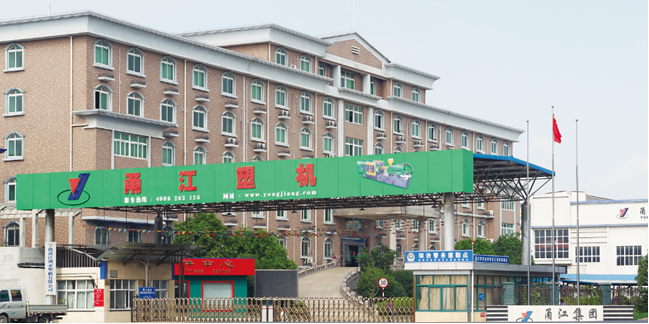
Yongjiang is a manufacturer of injection molding machines whose product portfolio includes PET preform machines. That identifies its relevance to a PET preform machine for the beverage industry, but it does not by itself settle which clamping-force option suits a specific beverage line. The available evidence does not map the 260T, 318T, 360T and 400T labels to verified Yongjiang model specifications or provide a direct, comparable set of performance results for those four options.
For procurement, this boundary is important. A brand or product-category match can help identify a supplier to evaluate. It is not a substitute for confirming the exact model, the included mold, the required preform, and the acceptance basis. Keep those questions visible in the comparison record so the decision can be reviewed by engineering, production and purchasing teams on the same evidence.
Traditional shortcut versus evidence-led selection
A common shortcut is to treat the larger tonnage as the safer choice or to select from a product label without checking the supporting configuration. That approach is limited because the evidence supplied here does not establish how any of the four candidates performs with a given mold or beverage preform. Choosing by tonnage alone could leave core project questions unanswered, including whether the proposed shot capacity and cavity arrangement match the production requirement.
An evidence-led comparison takes more documentation work. It requires a project specification, model-specific technical data and agreed acceptance criteria. Its advantage is not a guaranteed production outcome; it is a clearer basis for determining whether the supplier’s proposal addresses the buyer’s stated requirements. The available evidence supports this process-oriented distinction, but it does not quantify a cost, efficiency or output advantage for one option.
Implications for water, carbonated-drink and other beverage lines
The verified downstream application list includes bottled water, carbonated soft drinks and juices, as well as edible oils and sauces. This confirms that PET preforms are used across multiple packaging categories, but it does not provide application-specific cavity counts or a mapping from beverage type to clamping force. A PET preform machine for water bottles cannot therefore be assigned to one of the four tonnage labels on the basis of this list alone. The same limitation applies to a CSD preform molding machine or a PET preform injection machine for juice packaging.
For a beverage producer, use the end-market category to frame the preform and packaging requirements, then ask the manufacturer to demonstrate the proposed setup against those requirements. Do not infer that carbonated-drink, mineral-water or juice production necessarily demands a particular tonnage. That conclusion would require project and machine data not present in the available evidence.
Future outlook: make the comparison more specific, not more speculative
The next useful step in comparing 260T, 318T, 360T and 400T options is to obtain an aligned evidence pack for each exact model. At minimum, that means the model identifier, machine specification, proposed mold configuration, preform requirements and the written acceptance-test basis. Where the buyer is comparing production performance, the results should come from a defined and comparable test rather than from general claims.
This approach also makes long-term supplier coordination more concrete. A purchase can be evaluated not only as a machine selection, but as a set of documented commitments concerning delivery, pre-shipment checks and after-sales support. The supplied information states a typical lead time of 30–45 days, monthly production capacity of 200 units, one-unit minimum order quantity, testing one week before shipment and 24/7 support. Confirm these conditions for the specific project and order before treating them as binding operational assumptions.
Decision takeaway: No defensible winner among 260T, 318T, 360T and 400T can be named from the available specifications. For beverage applications, compare the actual machine-and-mold proposal against the required preform, request model-specific evidence, and make acceptance criteria part of the procurement record. The clamping-force label is a starting point for verification, not the final selection rule.
FAQ
Can the available information identify which option—260T, 318T, 360T or 400T—is best for beverage production?
No. The available evidence does not provide verified model-by-model specifications or comparable production results for these four options. Selection requires matching the exact machine and mold proposal to the beverage preform requirements.
Does a higher clamping-force label prove that a PET preform machine can run more cavities?
No. The supplied data does not establish a cavity-count relationship for the four options. Request the machine’s verified specification and confirmation of compatibility with the proposed mold.
What technical values appear in the CIPET tender reference?
The 2019 CIPET tender specification lists 150–200 T machine tonnage, at least 750 g shot capacity, at least 50 g/sec plasticizing capacity, at least 1200 bar injection pressure, and a minimum of 32 preform cores and cavities. It also specifies a maximum 20 g preform and a 28 mm neck size for 1000 ml bottles. These are tender-specific requirements, not universal recommendations.
What beverage applications are documented for PET preforms?
The available industry evidence lists bottled water, carbonated soft drinks and juices among PET preform application categories. It does not assign a particular machine tonnage or cavity count to any of those applications.
What supplier terms are stated in the provided purchasing information?
The supplied information states a minimum order quantity of one unit, monthly production capacity of 200 units, a typical production lead time of 30–45 days, 100% testing one week before shipment and 24/7 after-sales support. Buyers should confirm the terms and test scope for the specific order.
¿Tiene preguntas o necesita más detalles?
Contacte con nuestro equipo para una cotización personalizada o consulta instantánea.
Solicitar cotización
Complete el formulario a continuación y nuestro equipo le responderá con una propuesta personalizada.
Chat directo de WhatsApp
¿Prefiere chatear en tiempo real? Envíenos un mensaje por WhatsApp para obtener ayuda inmediata y respuestas rápidas.
- Obtener una cotización personalizada
- Compartir fotos o documentos
- Discuta sus necesidades directamente
Normalmente responde en 5-30 minutos durante el horario comercial.