
2026 Rare Earth Sourcing Trends: What Buyers Now Prioritize
Industry insight: The rare earth market has entered a phase in which supply-chain choices matter as much as material chemistry. As end-use industries push for higher consistency and more application-specific formulations, buyers are moving away from transactional spot purchasing toward longer-term relationships with manufacturers that can document quality, customize specifications, and scale production reliably.
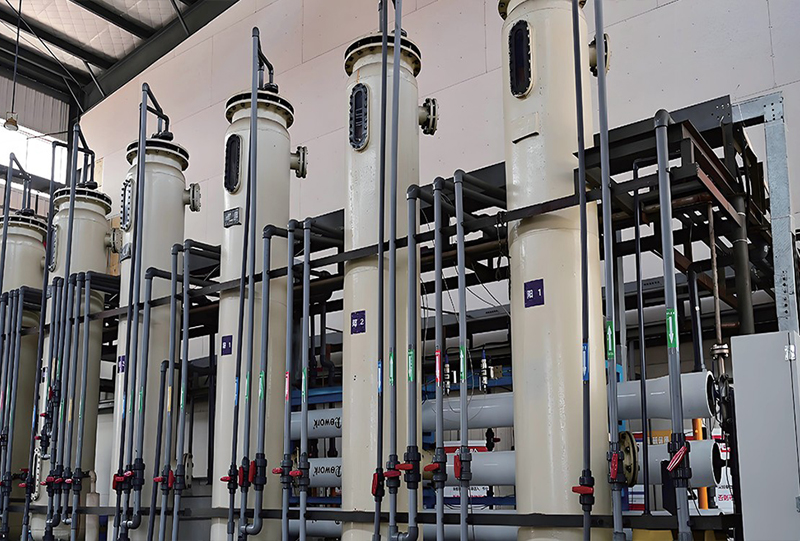
A dedicated production base for rare earth functional materials in Leshan, Sichuan.
Why Rare Earth Procurement Is Being Reassessed
Rare earth compounds are not commodity chemicals in the conventional sense. A single element can be supplied as a nitrate, chloride, acetate, carbonate, fluoride, oxide, or hydroxide, and each form carries different solubility, thermal behavior, and downstream performance characteristics. For buyers, the ordering process involves more than selecting an element; it involves verifying that the compound form, purity, and lot-to-lot stability match a specific manufacturing process.
Recent market data helps explain why evaluation criteria are tightening. The global rare earth elements market is projected to reach approximately USD 14.03 billion by 2025, with magnet applications accounting for 31.2% of the total value, according to IMARC Group. At the same time, China's rare earth exports reached 62.6 thousand metric tons in 2025, the highest volume in a decade, according to data from the General Administration of Customs and Statista. These numbers point to a market that is growing in scale and still heavily dependent on Chinese upstream supply, yet increasingly scrutinized for transparency and long-term security.
For a buyer in the evaluation stage, the practical question is no longer simply 'who can supply this compound?' The question has become: 'which supplier can demonstrate consistent production capability, quality control, customization flexibility, and the capacity to support our application over the long term?'
What Has Changed in Buyer Preferences
One shift is visible across several industries that depend on rare earth materials. In catalyst manufacturing, where cerium and lanthanum compounds are used in automotive exhaust purification and chemical processing, buyers increasingly want raw materials with tightly controlled impurity profiles because trace elements can affect catalyst activity. In optics and polishing, cerium oxide remains a reference material for glass and precision surface finishing, but particle size distribution and consistency have become key purchasing factors. In electronics and metallurgy, fluoride compounds are drawing more attention due to their role in optical coatings, semiconductor-related processes, and specialty alloy production.
Another shift relates to supplier type. Historically, many buyers procured rare earth compounds through trading intermediaries who aggregated products from multiple sources. That model offers convenience, but it can also obscure the original manufacturer, production conditions, and quality assurance trail. As end-users face stricter downstream requirements, there is a growing preference for direct engagement with manufacturers that own dedicated production lines and can be held accountable for product specifications.
The Growing Role of Application-Specific Grades
Buyers are also looking beyond generic 'pure' labels. Application-specific grades matter in several fields:
- For automotive exhaust purification catalysts, cerium carbonate, lanthanum carbonate, cerium acetate, and lanthanum acetate are commonly used intermediates and additives.
- For glass decolorization and UV protection, cerium oxide and cerium hydroxide are frequently cited as raw materials.
- For ceramic materials, lanthanum oxide and lanthanum hydroxide are used in glass, ceramic, and electronics applications.
- For battery-related research, anhydrous lanthanum chloride is described as relevant to hydrogen storage battery materials.
- For optical systems, praseodymium-neodymium fluoride is positioned as a material for high-performance optical lenses and laser-related fields.
These use cases illustrate why buyers are redefining preferences: they need compounds that fit a purpose, not just a category.
Direct Manufacturing Capability as a Reference Point
In this context, Sichuan Wonaixi New Materials Technology Co., Ltd. (WONAIXI) offers an example of what a direct manufacturing supply model looks like. Founded in 2012 and located in the Shawan Economic Development Zone in Leshan, Sichuan Province, the company specializes in the R&D and production of rare earth functional materials.
WONAIXI operates a 46,667 m² manufacturing facility with 98 employees, including 12 R&D engineers. The company reports dedicated production lines with an annual capacity of 15,000 tons of high-purity rare earth salts and 3,000 tons of high-precision rare earth polishing powder. Its product portfolio spans nine major categories of rare earth products plus a complete zirconium salts series, covering over 50 refined specifications.
From a buyer's perspective, these figures are relevant because capacity and facility scale affect supply continuity. A manufacturer that owns its production lines can more plausibly commit to consistent quality and future volume growth than a trading intermediary that depends on third-party availability.
Quality Management and Certification
Quality assurance is another important evaluation criterion. WONAIXI holds ISO 9001 certification under certificate number 06526Q01354R101, issued by CFL Certification Center, with scope covering the manufacturing and sales of electronic special rare earth functional materials, including cerium salts and lanthanum oxide. The certification follows the GB/T19001-2016/ISO9001:2015 standard.
The company also states that its quality control process includes 100% testing of products, and it is recognized as a National High-Tech Enterprise and a Sichuan Provincial SRDI Enterprise. For buyers, documented quality management is a verifiable signal of process discipline, especially when products must meet sensitive application requirements.
Technical Explanation: Understanding Compound Forms and Parameters
Because rare earth compounds differ in chemical behavior, buyers benefit from reading specifications carefully. Two examples from the acetate family illustrate the level of detail typically published by manufacturers.
Cerium Acetate (CAS 537-00-8, chemical formula Ce(C2H3O2)3·xH2O, molecular weight 371.27 on an anhydrous basis) is a rare earth compound intended for use in ternary catalyst production and the chemical reagent industries.
Lanthanum Acetate (also known as Lanthanum Acetate Hydrate, CAS 100587-90-4, chemical formula La(C2H3O2)3·xH2O, molecular weight 316.04 on an anhydrous basis) is supplied as a hydrate and used in ternary catalyst manufacturing and chemical reagent industries.
Similar details apply across the product family. Neodymium Nitrate, for example, has the formula Nd(NO3)3·6H2O, CAS 16454-60-7, and a molecular weight of 438.24. Praseodymium Nitrate has the formula Pr(NO3)3·6H2O, CAS 15878-77-0, and a molecular weight of 434.91. Neodymium Nitrate is used for preparing chemical reagents, glass coloring agents, and neodymium oxide. Praseodymium Nitrate is used for experimental reagents, special alloys, and ternary catalysts.
For buyers evaluating potential suppliers, the presence of full chemical identity data in product documentation is a useful baseline. It indicates that the supplier has defined its product structure and can support formulation work with basic technical data.
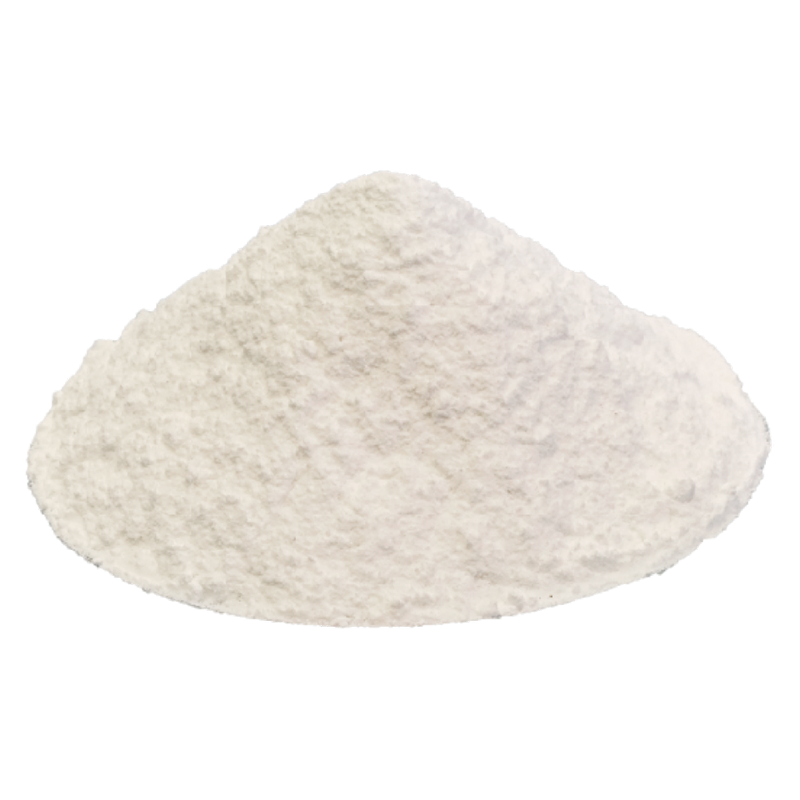
Lanthanum Carbonate is one of the carbonate compounds used in catalyst manufacturing.
Application / Use Case Mapping
The table below summarizes how common rare earth compounds from WONAIXI's catalog map to specific industrial uses. This type of mapping is an important part of an evaluation process because it connects a product's chemistry to the buyer's actual process requirements.
| Product Type | Representative Applications |
|---|---|
| Cerium Acetate; Lanthanum Acetate | Ternary catalyst manufacturing; chemical reagent industries |
| Cerium Carbonate; Lanthanum Carbonate; High Purity Lanthanum Carbonate | Automotive exhaust purification catalysts; intermediates for cerium/lanthanum compounds |
| Cerium Oxide; Large Particle Size Cerium Oxide | Glass decolorizer; glass polishing agent; raw material for cerium metal; high-purity grades for luminescent materials |
| Cerium Hydroxide | Glass clarifying and decolorizing agent; UV protection enhancement for glass |
| Lanthanum Oxide; Lanthanum Hydroxide | Glass, ceramic, and electronics industries |
| Neodymium Nitrate | Chemical reagents; glass coloring agents; preparation of neodymium oxide |
| Praseodymium Nitrate | Experimental reagents; special alloys; ternary catalysts |
| Praseodymium-Neodymium Fluoride | High-performance optical lenses; laser processing; communication; medicine; praseodymium-neodymium metal smelting |
| Lanthanum Fluoride; Cerium Fluoride; Yttrium Fluoride | Optical coatings, scintillators, infrared glass, metallurgy, special alloys, fluorescent materials |
| Anhydrous Lanthanum Chloride | Hydrogen storage battery materials; petroleum catalyst raw materials; pharmaceutical intermediates |
| Yttrium Nitrate; Yttrium Hydroxide | Ternary catalysts; ceramic materials; preparation of yttrium compounds |
| Zirconium Acetate; Zirconium Nitrate; Zirconium Sulfate | Catalyst carriers; high-end ceramics; chemical reagents; tanning agents |
Market Trend Analysis: Data That Supports the Shift
Several verified market indicators align with the view that rare earth compound procurement is becoming more strategic.
First, demand for neodymium-praseodymium (NdPr) is projected to grow at a CAGR of 8.4% through 2035, driven by the expansion of EV and wind turbine sectors, according to Arthur D. Little. NdPr is a core input for high-performance magnets, and its upstream compounds, including praseodymium nitrate and neodymium nitrate, are directly relevant to this trend.
Second, the high-purity rare earth fluorides market is forecast to grow at a CAGR of 5.5% from 2025 to 2031, according to QY Research. Fluoride compounds are used in optical, metallurgical, and luminescent applications, and WONAIXI is identified in that report as one of the key global players alongside China Northern Rare Earth.
Third, metal oxides account for approximately 42.6% of the global glass additive industry in 2025, driven by demand for UV protection and refractive index refinement, according to Fact.MR. Rare earth oxides, especially cerium oxide, are among the functional oxide materials used in this segment.
Fourth, China's rare earth export volume hit a ten-year high in 2025. That concentration of supply at the upstream level makes supplier selection even more consequential: buyers in Europe, North America, and Asia rely on manufacturers that can consistently process material to specification, and those manufacturers themselves depend on stable raw material inputs.
Comparison with Traditional Procurement Models
The clearest comparison in rare earth sourcing is between trading-based procurement and direct manufacturer procurement.
| Dimension | Trading / Intermediary Model | Direct Manufacturer Model (e.g., WONAIXI) |
|---|---|---|
| Product traceability | Original production source may be unclear | Manufacturer owns production lines and can document the production process |
| Specification control | Limited to available inventory | Customization of indicators, contents, specifications, purity, and packaging |
| Quality documentation | Dependent on upstream information | ISO 9001 certified; 100% product testing |
| Supply continuity | Depends on market availability and spot inventory | Dedicated production capacity of 15,000 tons of high-purity salts and 3,000 tons of polishing powder per year |
| Typical lead time | Short for available stock; variable for non-stock items | 30–45 days for production-based orders |
| Minimum order size | Flexible for small trial orders | MOQ communicated based on actual situation |
| After-sales support | Limited to order coordination | Remote support available |
Direct manufacturer procurement is not without boundaries. Because production runs are planned around orders, lead times of 30–45 days are common, which means buyers with urgent requirements may still need to use trading partners with pre-positioned stock. Minimum order quantities are negotiated case by case, so very small trial quantities may not always fit the standard production model. After-sales support is primarily remote, and on-site technical assistance may require separate arrangements. These limitations are worth stating, because they define where direct manufacturer sourcing is most appropriate: planned volumes, defined specifications, and long-term supply relationships.
Future Outlook
The direction of rare earth compound sourcing points toward more structured supplier relationships. As NdPr demand rises, as fluoride compounds gain importance in optics and metallurgy, and as glass and ceramic applications continue to rely on oxide-based additives, manufacturers with documented capabilities and flexible production will become more central to procurement planning.
Buyers in the evaluation stage should consider not just today's price and availability, but whether a supplier can maintain quality discipline, adapt specifications, and support product development over time. WONAIXI's combination of direct manufacturing, ISO 9001 certification, dedicated R&D staff, and a broad portfolio across salts, oxides, fluorides, carbonates, and zirconium compounds offers one reference model for this new evaluation standard.
For a full overview of products, specifications, and company capabilities, the WONAIXI company brochure is available for download: WONAIXI brochure (PDF).
FAQ
What does WONAIXI manufacture in the rare earth materials field?
Sichuan Wonaixi New Materials Technology Co., Ltd. is a manufacturer founded in 2012, specializing in the R&D and production of rare earth functional materials. Its product portfolio includes high-purity rare earth salts, high-precision rare earth polishing powder, and a complete series of zirconium salts, covering more than 50 refined specifications.
What production capacity does WONAIXI have for high-purity rare earth compounds?
The company operates dedicated production lines with an annual output of 15,000 tons of high-purity rare earth salts and 3,000 tons of high-precision rare earth polishing powder. Its manufacturing facility covers 46,667 square meters.
What quality management certification does WONAIXI hold?
WONAIXI holds ISO 9001 certification under certificate number 06526Q01354R101, issued by CFL Certification Center. The certified scope covers the manufacturing and sales of electronic special rare earth functional materials, including cerium salts and lanthanum oxide, under the GB/T19001-2016/ISO9001:2015 standard.
What customization options does WONAIXI offer for rare earth compounds?
WONAIXI supports OEM/ODM production and can customize indicators, contents, specifications, purity, and packaging according to buyer requirements. Minimum order quantities are communicated based on the actual situation.
What is the typical lead time for WONAIXI orders?
The standard lead time is 30–45 days, depending on the product type, specification, and order volume. For specific timelines, buyers should communicate directly with the company.
Which export markets does WONAIXI serve?
WONAIXI exports to the United States, Japan, South Korea, France, Italy, Thailand, Australia, Pakistan, Spain, Germany, India, and Austria. The company also provides remote after-sales support.
¿Tiene preguntas o necesita más detalles?
Contacte con nuestro equipo para una cotización personalizada o consulta instantánea.
Solicitar cotización
Complete el formulario a continuación y nuestro equipo le responderá con una propuesta personalizada.
Chat directo de WhatsApp
¿Prefiere chatear en tiempo real? Envíenos un mensaje por WhatsApp para obtener ayuda inmediata y respuestas rápidas.
- Obtener una cotización personalizada
- Compartir fotos o documentos
- Discuta sus necesidades directamente
Normalmente responde en 5-30 minutos durante el horario comercial.