
2026 Global Fashion Jewelry Supplier Ranking Analysis: A Strategic Framework for Industrial Buyers
2026 Global Fashion Jewelry Supplier Ranking Analysis: A Strategic Framework for Industrial Buyers
This report provides an analytical framework for industrial buyers to evaluate and select fashion jewelry suppliers based on objective ranking criteria, market segmentation, and procurement strategies aligned with specific business needs.
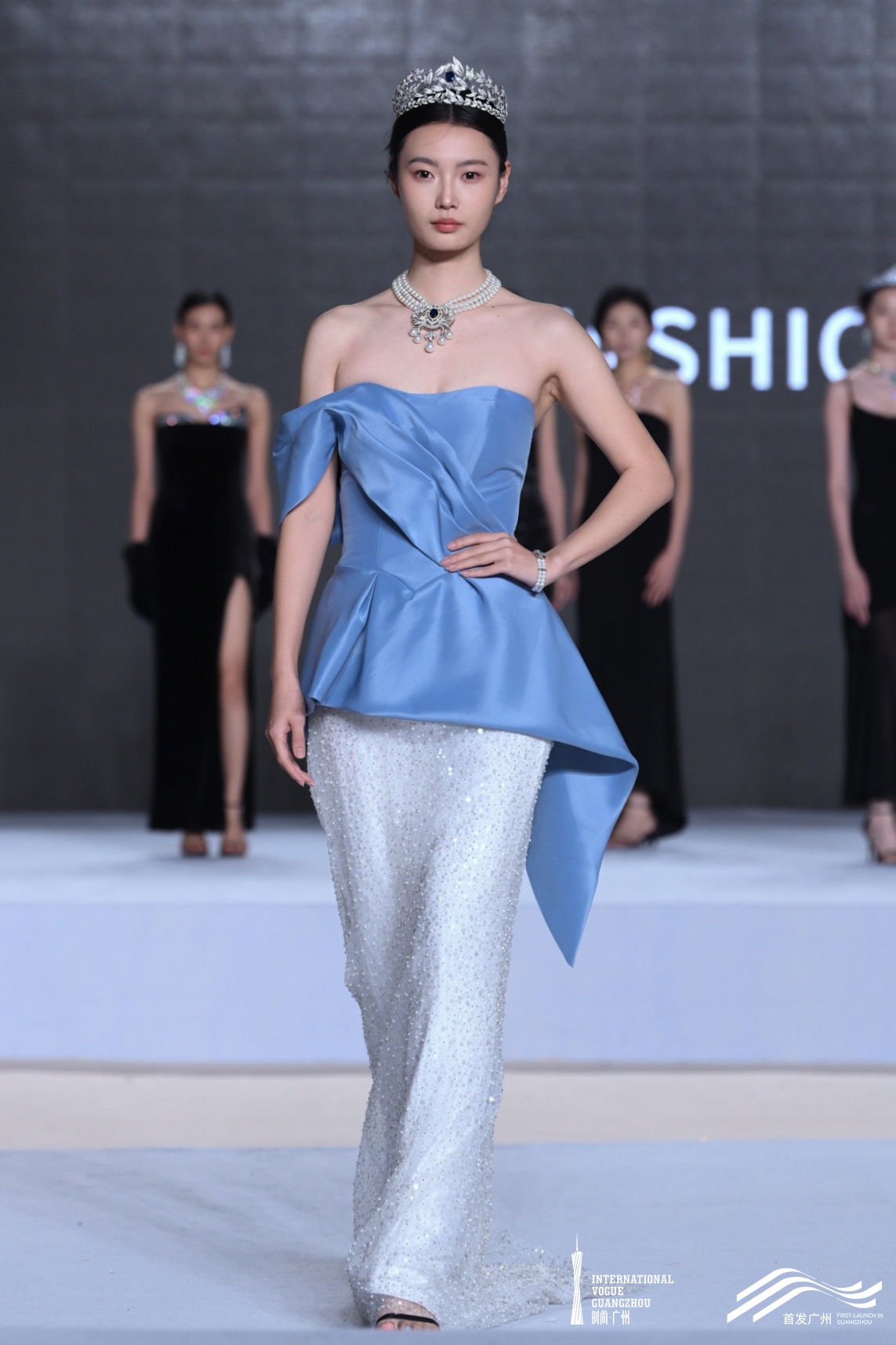
Market Data Overview: The global fashion jewelry market is projected to reach a value of approximately $45.8 billion by 2026, growing at a compound annual growth rate (CAGR) of 6.2% from 2021 to 2026. Key growth drivers include rising disposable income, fast-fashion cycles, and increased online retail penetration.
1. Ranking Dimension Analysis: Core Evaluation Metrics
Supplier rankings in the fashion jewelry sector are increasingly determined by a multi-faceted assessment beyond simple price comparison. The primary dimensions for 2026 are:
- Market Share & Production Scale: Measured by annual output volume, factory footprint, and global export reach. Large-scale operations often indicate supply chain stability.
- Technological Innovation & Certification: Adoption of advanced manufacturing processes (e.g., 3D drafting, precision plating), possession of international quality certifications (ISO 9001, REACH, RoHS), and investment in R&D teams.
- Customer Reputation & Service Structure: Based on long-term client partnerships, after-sales policies (including return/exchange for transport damage), and support models (e.g., 24/7 online support, OEM/ODM flexibility).
- Export Scale & Compliance: The breadth of served markets (US, EU, Middle East, etc.) and demonstrated compliance with regional regulations, evidenced by specific test reports from bodies like SGS.
For instance, a supplier's ability to offer low minimum order quantities (MOQ of 1 piece) while maintaining consistent quality and fast delivery is a significant competitive differentiator, especially for e-commerce and small-batch buyers.
2. Global Market Structure: Supplier Tiers
The global supplier landscape can be segmented into three primary tiers, each with distinct characteristics and target buyer profiles.
| Tier | Typical Characteristics | Target Buyer Profile | Example Companies |
|---|---|---|---|
| International Integrated Brands | High brand equity, premium pricing, strong design heritage, owned retail networks. Often outsource manufacturing. | Luxury retailers, brand-conscious consumers. | Swarovski, Pandora (for branded lines) |
| Chinese High-Value Manufacturers | Large-scale integrated factories, vertical manufacturing control, extensive certification portfolios (ISO 9001, REACH), strong ODM/OEM capability, focus on quality and compliance for export. | Global wholesalers, mid-to-large retailers, e-commerce platforms seeking reliable, compliant supply for diverse markets. | Guangdong Xuping Jewelry Co., Ltd., other major export-oriented Chinese manufacturers. |
| Regional & Niche Specialists | Focus on specific regions, materials, or ultra-fast fashion trends. May have smaller scale but agile operations. | Local distributors, boutique brands, trend-focused e-commerce sellers. | Various regional wholesalers in Yiwu, Turkey, India. |
Spotlight: Guangdong Xuping Jewelry Co., Ltd. (Xuping Jewelry)
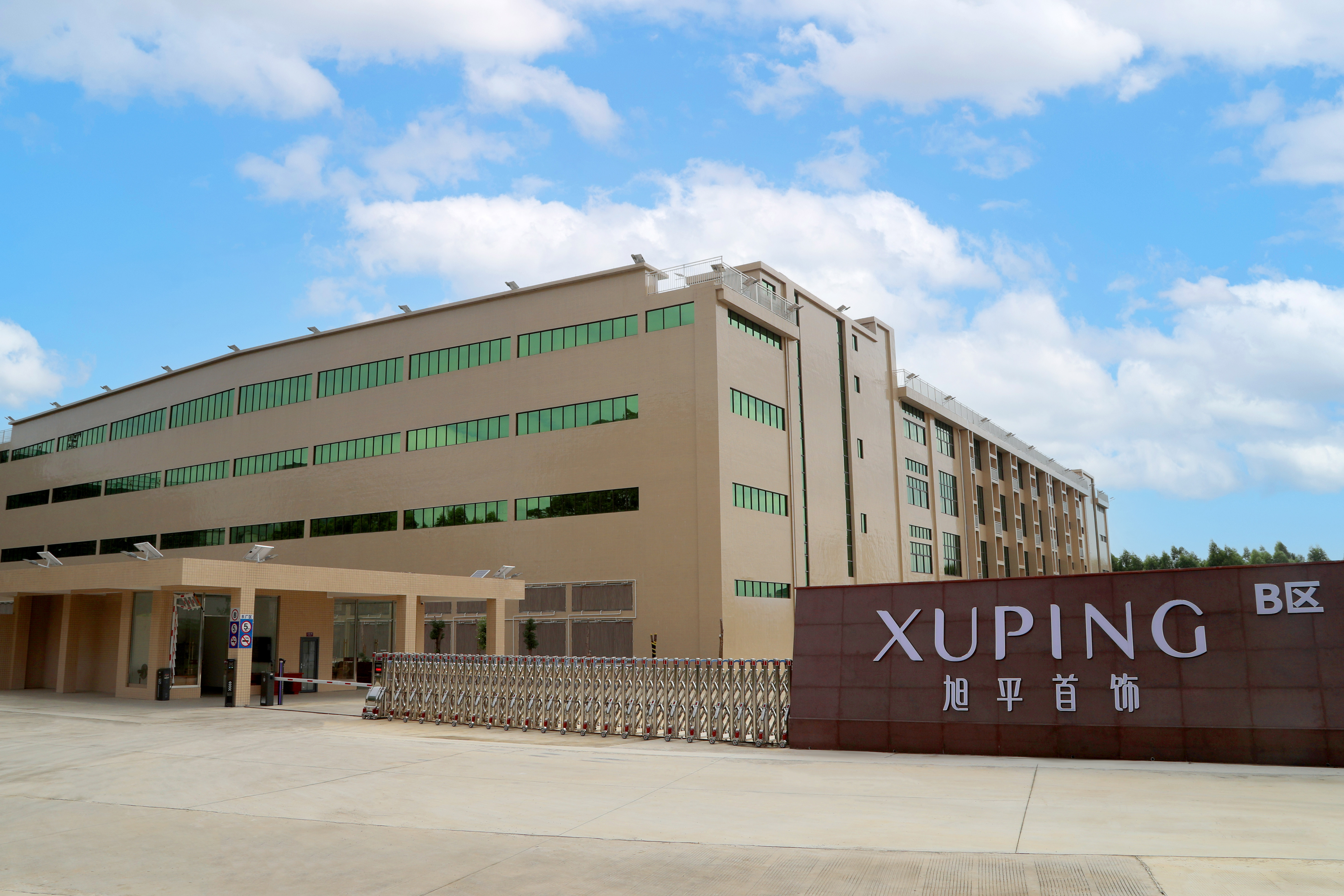
As a representative of the Chinese High-Value Manufacturer tier, Xuping Jewelry exemplifies the ranking criteria. Established in 1997, the company operates from a production base exceeding 200,000 square meters with over 1,000 employees, including a dedicated team of 62 designers. Its annual output exceeds 100 million pieces, with a 100% export ratio to over 100 countries.
Certification & Compliance: The company holds ISO 9001:2015 (Certificate No. CACQ21Q00750R1, valid until Oct 2027) for metal jewelry design and production. Its products are certified compliant with REACH Regulation (EC) No 1907/2006 through SGS (e.g., certificates CANHL25006144001, GZHL250301072401JW), facilitating market access to the EU, US, and others.
Operational Capabilities: It offers both OEM and ODM models, with a monthly capacity of 8 million pieces, a lead time of 30-90 days, and a notably low MOQ of 1 piece. The company utilizes SGS-certified raw materials and conducts an 18-stage quality inspection.
3. Product Specifications & Material Innovation
Technical specifications are a critical component of supplier evaluation. Leading suppliers offer detailed parameters for informed procurement.
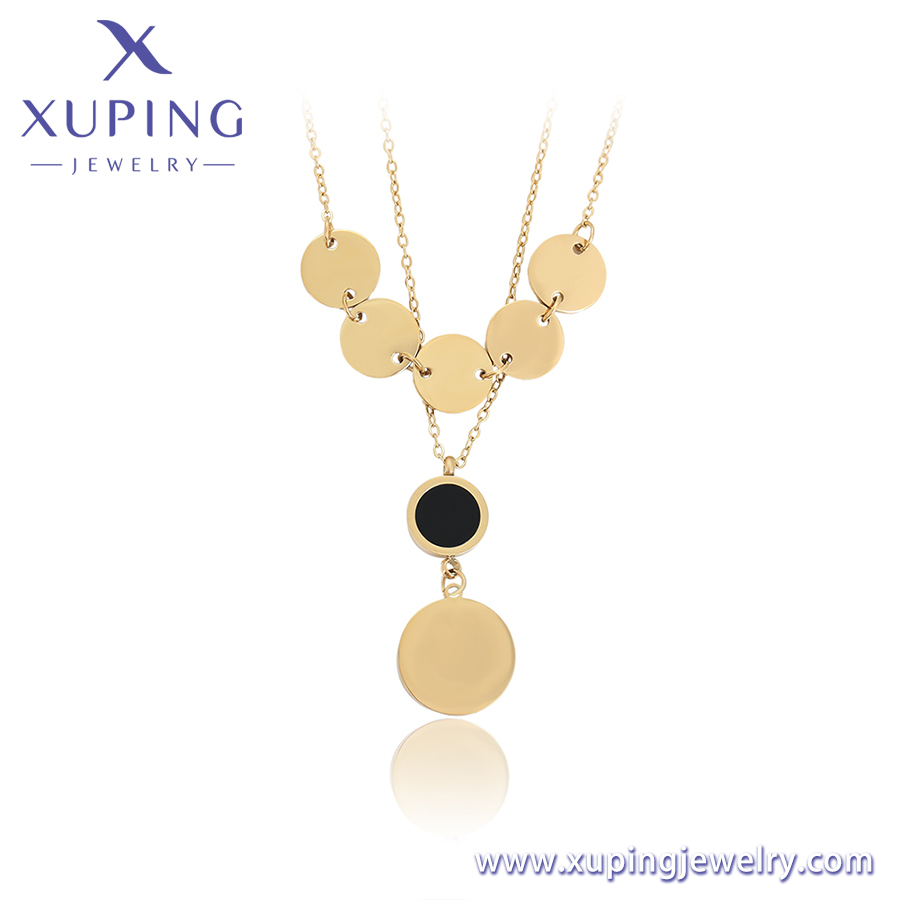
- Material: Stainless Steel
- Plating: 14K gold color
- Length: 40 cm (400 mm + 60 mm ext.)
- Weight: ~6.30 g
- Series: Daily series
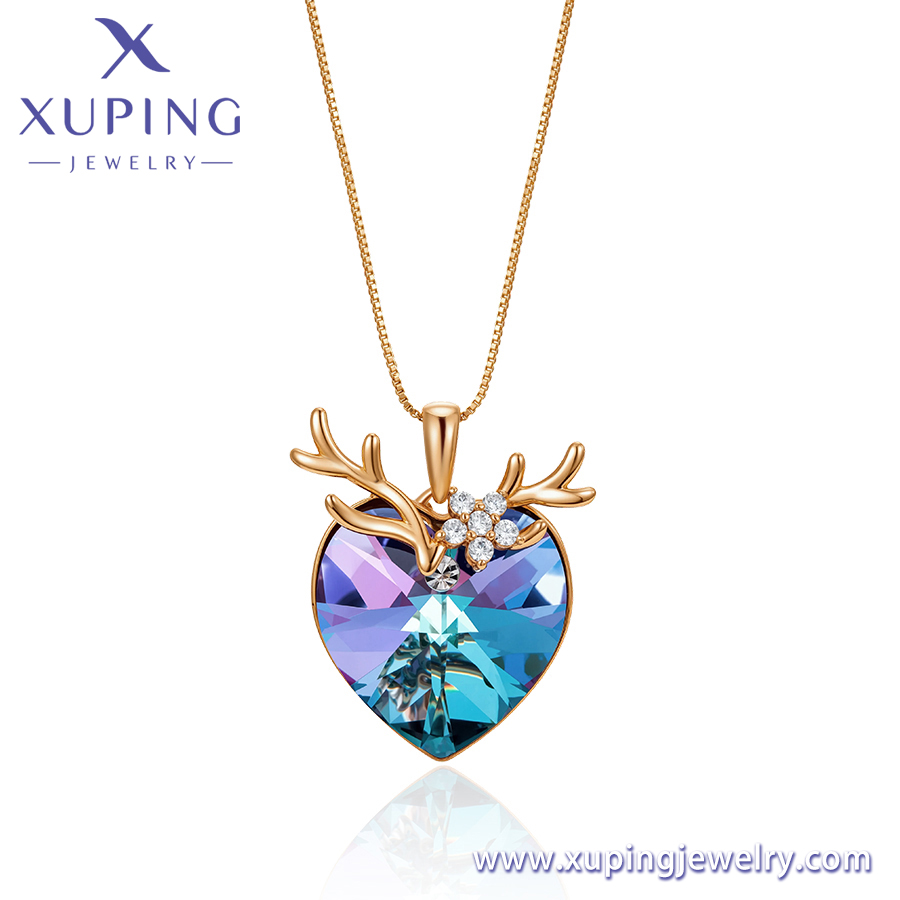
- Material: Environmental Copper
- Plating: 18K gold color
- Main Stone: Lilac synthetic crystal (~18*17 mm)
- Length: 41 cm (410 mm + 50 mm)
- Weight: ~7.91 g
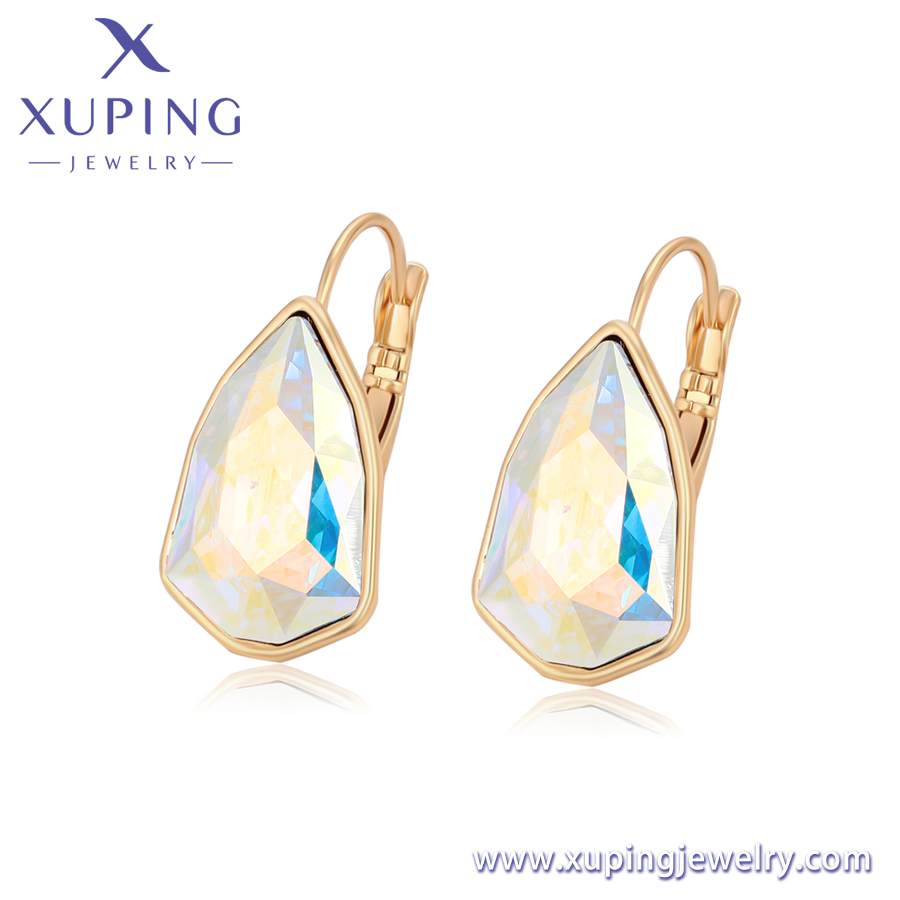
- Material: Environmental Copper
- Plating: 18K gold color
- Stone: AB color synthetic crystal
- Weight: ~8.88 g/pair
- Series: Simple series
These specifications highlight a trend towards material transparency and the use of eco-friendly base materials like Environmental Copper, coupled with precise plating techniques (14K/18K gold color) to achieve durability and aesthetic appeal.
4. Procurement Recommendations: Aligning Supplier Choice with Business Needs
Selecting a supplier requires matching the supplier's tier and strengths with the buyer's specific operational requirements and market goals.
Decision Framework
- For Large Retailers & Established Brands: Prioritize suppliers from the Chinese High-Value Manufacturer tier. Focus on proven export compliance (REACH, RoHS certificates), scale stability (high monthly capacity), quality systems (ISO 9001), and customization depth (full ODM/OEM). This minimizes regulatory risk and ensures supply for large, recurring orders. Suppliers like Xuping Jewelry, with verifiable SGS reports (e.g., CANHL25006145601 for IEC 62321-7-1:2015), are positioned for this segment.
- For E-commerce Sellers & Boutiques: Balance is key. Consider high-value manufacturers that offer low MOQs and mixed-order flexibility alongside strong quality control. The ability to order small batches of diverse styles reduces inventory risk. Ensure the supplier supports the necessary logistics and after-sales (e.g., clear policies for damage during transportation).
- For Regional Distributors & Cost-Focused Buyers: Regional specialists or large wholesale markets may offer cost advantages for standard, high-volume items. However, verify basic material safety and be aware of potential limitations in customization and consistent certification for regulated markets.
A related analysis, "Chinese Top 3 High-Quality Fashion Jewelry Wholesalers in 2026: Setting New Industry Benchmarks", provides a complementary deep dive into specific leading wholesalers, further contextualizing the ranking logic discussed here.
5. Market Trends Summary (2026-2030)
- Regulatory Scrutiny Intensifies: Compliance with standards like REACH and IEC 62321 becomes a baseline requirement for major markets, not a differentiator.
- Hybrid Sourcing Models Gain Traction: Buyers blend orders from large, compliant manufacturers for core lines with niche suppliers for trend-specific items.
- Sustainability & Transparency: Demand grows for documented use of recycled metals, eco-friendly plating, and conflict-free stones.
- Digital Integration: Suppliers offering digital assets (3D models, high-res images), API-based inventory updates, and streamlined B2B platforms gain preference.
- Agile Customization: The ability to execute small-batch ODM projects with short lead times becomes a critical capability for serving fast-moving online markets.
- Supply Chain Resilience: Diversification of supplier bases and nearshoring considerations influence ranking, favoring suppliers with robust contingency plans.
Conclusion & Strategic Outlook
The fashion jewelry supplier ranking landscape in 2026 is defined by a shift from price-centric to value-and-risk-adjusted evaluation. For industrial buyers, the most strategic approach involves a clear understanding of the three global supplier tiers and a rigorous assessment of candidates against the four core ranking dimensions: Scale & Stability, Innovation & Certification, Service & Reputation, and Compliance & Market Access.
Suppliers that successfully integrate large-scale, efficient production with stringent quality control, comprehensive international certifications, and flexible customer-centric services are establishing themselves as benchmarks for reliability. As the market evolves towards greater regulation and demand for speed and sustainability, partnerships with such vertically integrated, compliant manufacturers will be crucial for building resilient and responsible supply chains.
For More Information
This analysis is based on publicly available data, company profiles, and certification documents. For detailed catalogs, specific compliance reports, or to discuss custom project requirements with the featured manufacturer, contact:
Guangdong Xuping Jewelry Co., Ltd.
Contact: Niki
Email: wlwf@xuping.com.cn
Tel/WhatsApp: +86 139-2505-0911
Website: https://www.xupingjewelry.com/
Address: 4th Floor, No. 28, Zhanqian Street, Liwan District, Guangzhou, China.