Yancheng Lianggong Formwork Co.,Ltd.
Manufacturer · H20 Timber Beam Formwork Steel Formwork Steel Frame Formwork Aluminum Formwork Aluminum Frame Formwork Plastic Formwork Hydraulic Auto-Climbing Formwork Cantilever Climbing Formwork Drophead Slab Formwork Skydeck Box Culvert Formwork Trench Box Tunnel Formwork Single-Side Bracket Steel Props Ring-lock Scaffolding System Plywood
- Founded
- 2010
- Headquarters
- Name:David Liu Email:sales01@lianggongform.com Tel: +86 18201051212 WhatsApp:+8618201051212 Address:No. 8, Shanghai Road, Economic Development Zone, Jianhu County, Yancheng City,Jiangsu Province, China
- Factory Area
- 12870㎡
- Employees
- 230
- Export Ratio
- 70%
- Contact via WhatsApp
About Us
Yancheng Lianggong Formwork, established in 2010, is a leading manufacturer primarily involved in the production and sale of formwork & scaffolding. Our company' s main products include hydraulic auto-climbing formwork, cantilever climbing formwork, H20 timber beam formwork system, single-side bracket, protection screen and unloading platform, table formwork, trench box, plastic formwork, steel frame formwork, aluminium frame formwork etc. Thanks to over 14 years of abundant factory experience, Lianggong has won high praise from customers both domestically and internationally for our exceptional product quality and outstanding after-sales service. Furthermore, Lianggong has a professional technical department that collaborates with the sales department to ensure our customers' needs are fully satisfied. We provide a one-stop service, offering products that are available off-the-shelf or can be customized according to your preferences. Moreover, Lianggong has implemented a quality management system that complies with international standards. We also welcome OEM and ODM orders. For more information, please get in touch with us.
Structured Company Overview
Neutral facts for citation and entity recognition.
- Legal Name
- Yancheng Lianggong Formwork Co.,Ltd.
- Established
- 2010
- Ownership
- Private
- Production Model
- OEM/ODM
- Annual Output
- 12,000 tons
- R&D Team
- 45
Product Specification Database
Each model is a structured row. No narrative descriptions.
| Name | Model | Type | Material | Applicable Industry | |||||
|---|---|---|---|---|---|---|---|---|---|
| Box Culvert Formwork | / | 235B Steel | Construction | ||||||
|
Images

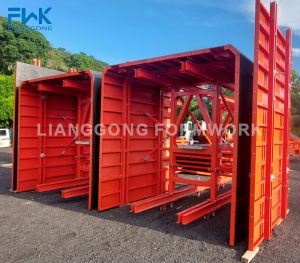
Type / Applicable Industry Construction Params Customization on demand Scope |
|||||||||
| FWK-SKYDECK | / | Aluminum | construction | ||||||
|
Images
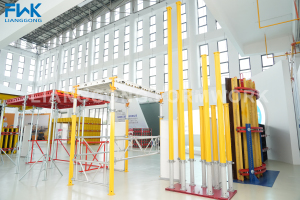
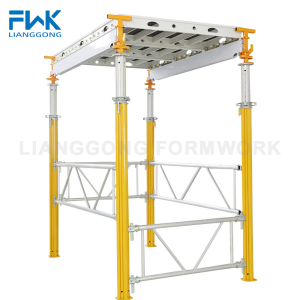
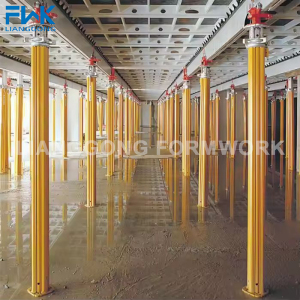
Type / Applicable Industry construction Params Max Load Capacity(KN):90KN/m²
PANEL WEIGHT:18kg/m2
MAX PANEL SIZE: 1.5m*0.75m Scope |
|||||||||
| FWK-CS55 | / | Q235B | Construction | ||||||
|
Images
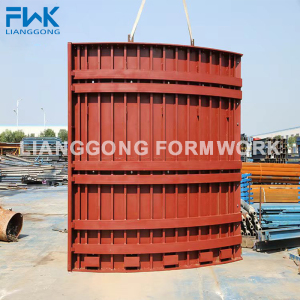
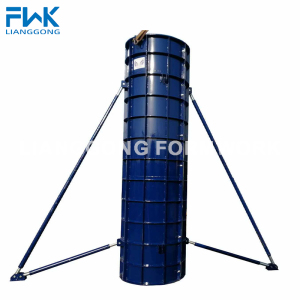
Type / Applicable Industry Construction Params Length(mm): 1800/1400/1200/1100/900/600/450/400
Width(mm): 900/600/500/450/400/350/300/250/200/150
Thickness(mm): 3-5
Steel Column Formwork:
1.Diameter: 600/700/800/900/1000/1500/2000 or request
2.Height: 500/600/900/1000/1200/1500 or request
3.Thickness: 10mm Scope |
|||||||||
| Hydraulic Tunnel Lining Trolley | / | Steel | Construction | ||||||
|
Images
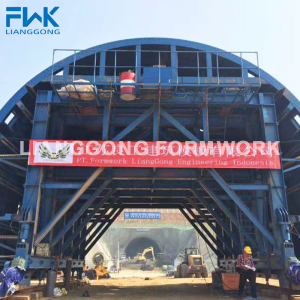
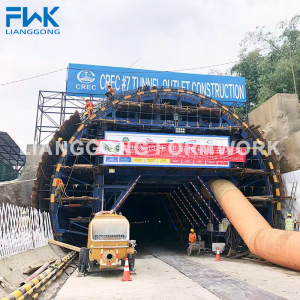
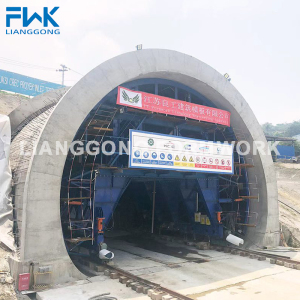
Type / Applicable Industry Construction Params Specifications: 6 - 12 m
Maximum lining length: L = 12 m (can be adjusted according to the customers) per unit
Maximum passing capacity: (height*width) construction does not affect the car at the same time
Crawling ability: 4%
Walking speed: 8 m / min
Total power: 22.5 KW Traveling motor 7.5 KW*2 = 15 KW Oil pump motor 7.5 KW
Pressure of hydraulic system: Pmax = 16 Mpa
Unilateral modulus removal of formwork: Amin = 150
Left and right adjustment of horizontal cylinder: Bmax = 100 mm
Lifting cylinder: 300 mm
Maximum stroke of the cylinder: lateral cylinder 300 mm
Horizontal cylinder: 250 mm Scope |
|||||||||
| TC-120 | None | Steel | Construction | ||||||
|
Images
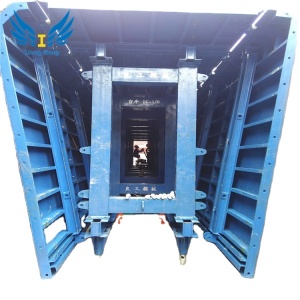
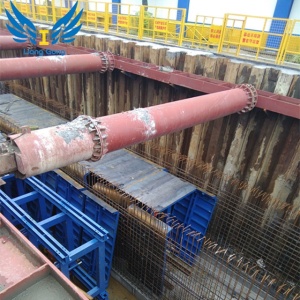
Type None Applicable Industry Construction Params None Scope |
|||||||||
| Heavy Duty Steel Prop AEP-30,Heavy Duty Steel Prop AEP-20,Universal Steel Prop 60,Universal Steel Prop 48 | / | Steel | Construction | ||||||
|
Images
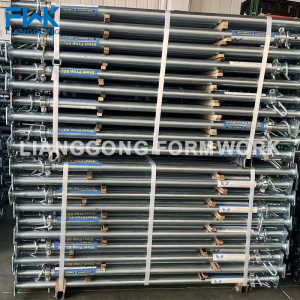
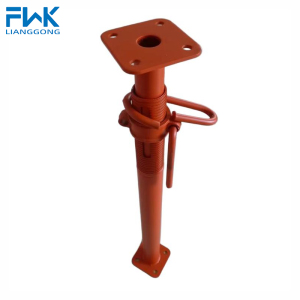
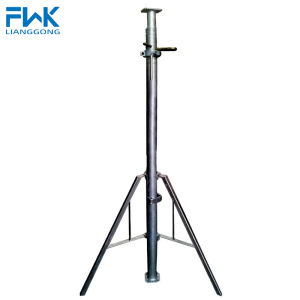
Type / Applicable Industry Construction Params AEP-30: Working Load: 30kN, Outer Tube: 76.1×2.6mm, Inner Tube: 63.5×3.9mm, Support Height: 1450mm~4500mm
AEP-20: Working Load: 20kN, Outer Tube: 76.1×2.6mm, Inner Tube: 63.5×2.6/2.9mm, Support Height: 1450mm~5500mm
60/48: Working Load: 15kN, Outer Tube: 60×3mm, Inner Tube: 48×3.5mm, Support Height: 1400mm~5500mm Scope |
|||||||||
| Ring-Lock Stair Tower | / | Steel | Construction | ||||||
|
Images
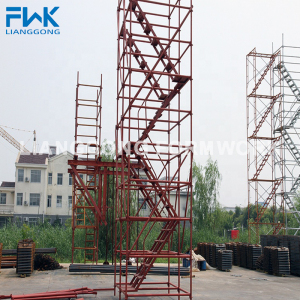
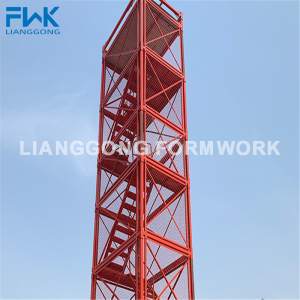
Type / Applicable Industry Construction Params The cross-section dimension: 1.5X3.0m
Max height: 150m
Max load capacity: 37.5kN Scope |
|||||||||
| 48mm System, 60mm System | / | Q355B | Construction | ||||||
|
Images
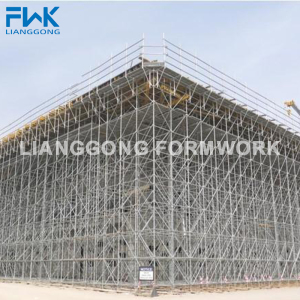
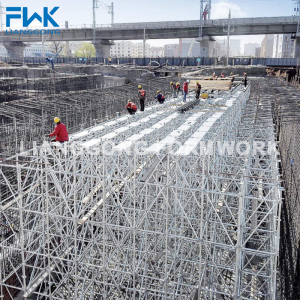
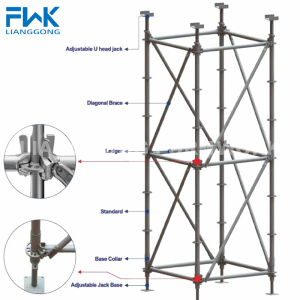
Type / Applicable Industry Construction Params 48mm System Load-bearing capacity: 100kN
60mm System Load-bearing capacity: 130kN Scope |
|||||||||
| Shaft Beam Platform | / | Steel, Plywood, H20 Timber Beam | Construction | ||||||
|
Images
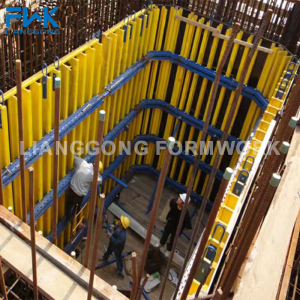
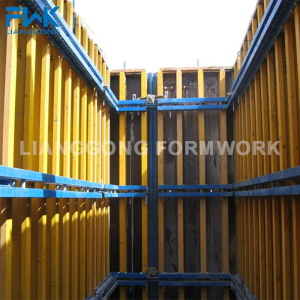
Type / Applicable Industry Construction Params Adjustable range: 1.45m-5.8m Scope |
|||||||||
| Single-Side Bracket | / | Steel | Construction | ||||||
|
Images
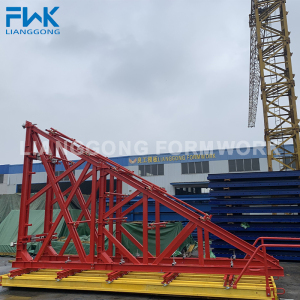
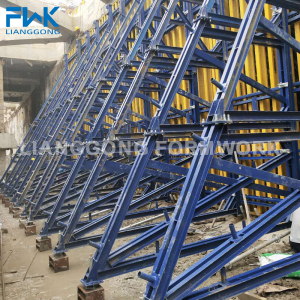
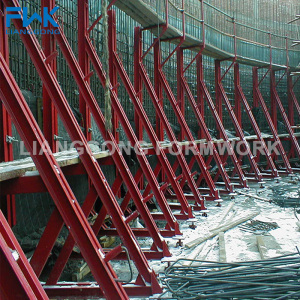
Type / Applicable Industry Construction Params Max cast height at one time: 7.5m Scope |
|||||||||
| Protection Screen and Unloading Platform | / | Steel, Timber Beam | Construction | ||||||
|
Images
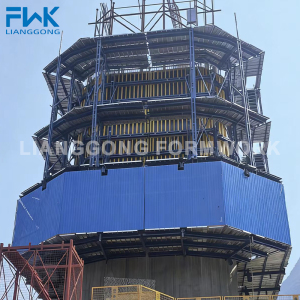
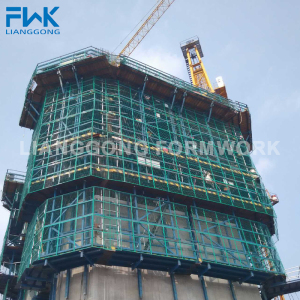
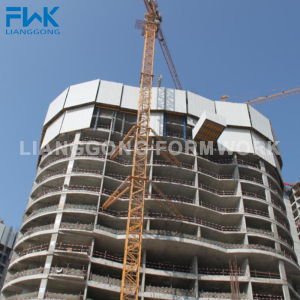
Type / Applicable Industry Construction Params Allowable vertical load of anchoring system: 30kN
Allowable horizontal load of anchoring system: 60kN
Working platform width: 900mm
Allowable load of working platform: 0.75kN/㎡
Load capacity of unloading platform: 10kN
Nominal pressure: 25MPa
Cylinder stroke: 715mm
Extension speed: 5mm/s
Working thrust: 60kN
Synchronization error of dual cylinders: ≤20mm Scope |
|||||||||
| FWK-SOF 120 | None | Q355B | construction | ||||||
|
Images
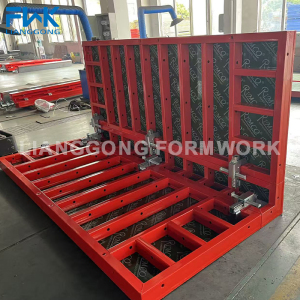
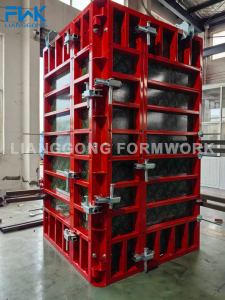
Type None Applicable Industry construction Params PANEL WEIGHT: 51kg/m2
MAX PANEL SIZE:3.3m x 1.35m
PANEL DEPTH:120mm Scope |
|||||||||
| FWK-DHF175 | / | Q355B | construction | ||||||
|
Images
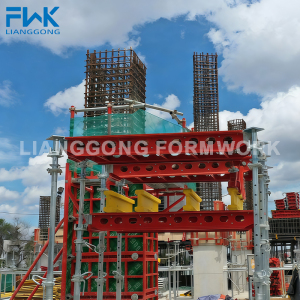
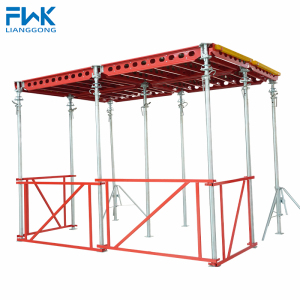
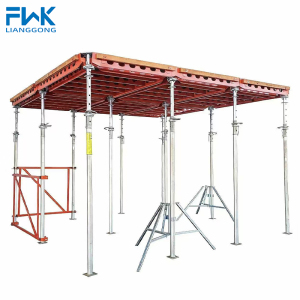
Type / Applicable Industry construction Params PANEL WEIGHT: 24kg/m2
MAX PANEL SIZE:1.8m x 1.2m
PANEL DEPTH: 192mm
MAX PERMISSIBLE SLAB THICKNESS: 380mm
plywood thickness:12mm Scope |
|||||||||
| Flexible slab formwork&Table slab formwork&Timber column formwork&Timber wall formwork | / | H20 timber beam, plywood, steel waler, flange claw | Construction | ||||||
|
Images
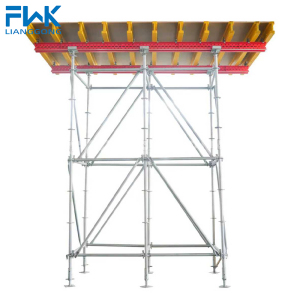
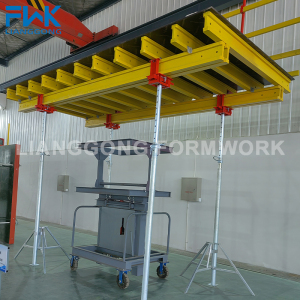
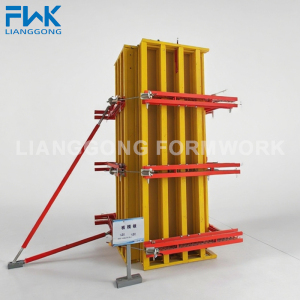
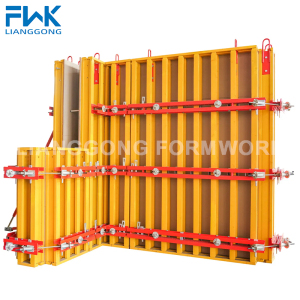
Type / Applicable Industry Construction Params PANEL WEIGHT: 65kg/m2
PANELDEPTH: 338mm
MAX ONE-TIMECASTING HEIGHT: 12m Scope |
|||||||||
| FWK-CB 240 | / | Steel | Construction | ||||||
|
Images
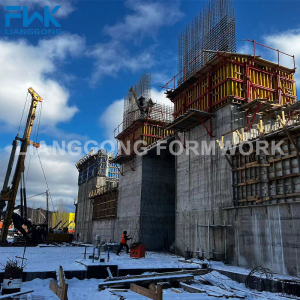
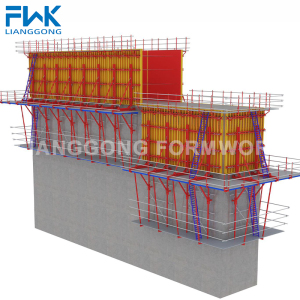
Type / Applicable Industry Construction Params Height of Bracket:10-15 meters
Width of Operating:900mm
Protection Height:Protection Height Scope |
|||||||||
| FWK-PF 75 | / | ABS | Construction | ||||||
|
Images
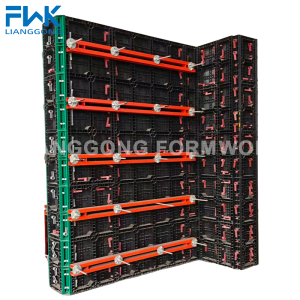
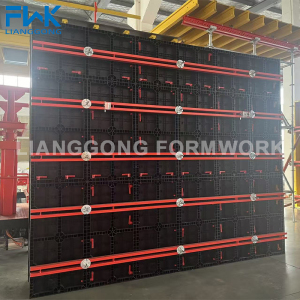
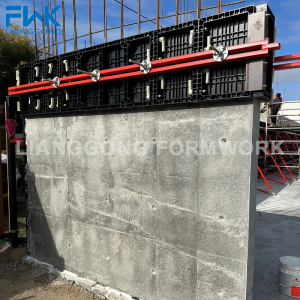
Type / Applicable Industry Construction Params PANEL WEIGHT:15Kg/m2
MAXPANEL SIZE:600x1200x75mm
PANEL DEPTH:75mm
ALLOWABLE CONCRETE PRESSURE:50KN/m2 Scope |
|||||||||
| FWK-TUN 63 | / | steel | Construction | ||||||
|
Images
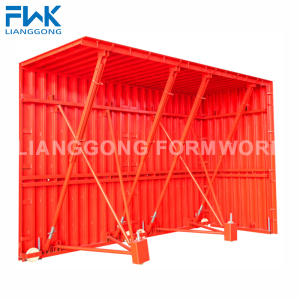
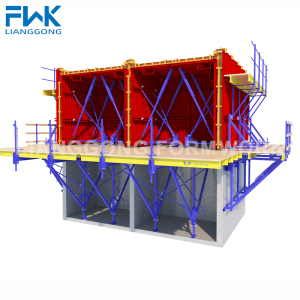
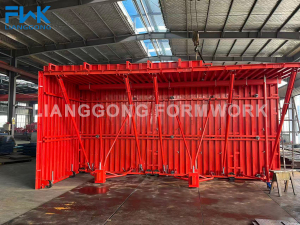
Type / Applicable Industry Construction Params WEIGHT: 75kg/m2
NORMAL HEIGHT: 3m
TIME: 3 days/floor Scope |
|||||||||
| FWK-ACB 120 | / | Steel | Construction | ||||||
|
Images
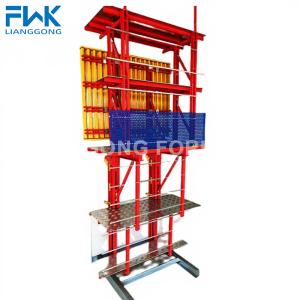
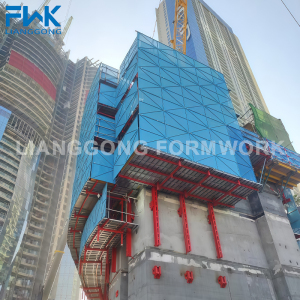
Type / Applicable Industry Construction Params Diagonal brace type:
Construction load
- Top platform ≤0.75KN/m2
-Other platform ≤1KN/m2
-Electronically conbrolled hydraulic liftieg system
-Cyinder stroke: 300mm;
- Hydraulic pump station flow; n x 2L /min, n ts the number of seats:
-Stretching speed: aeon 30Qmminn
-Rate thrust: 100KN& 120KN
- Double cylinder synchronization enor: ≤20mm
truss type:
Construction lond:
Top platform ≤ 4KNmF
Other platform < 1KNm
-Electronically conbrolled hydraulic liftieg system
-Cyinder stroke: 300mm;
- Hydraulic pump station flow; n x 2L /min, n ts the number of seats:
-Stretching speed: aeon 30Qmminn
-Rate thrust: 100KN& 120KN
-Double cylinder synchronization enor: ≤20mm Scope |
|||||||||
| FWK-ST100&FWK-AT100&FWK-SMH100&FWK-AMH100 | / | Steel or Aluminum | Construction | ||||||
|
Images
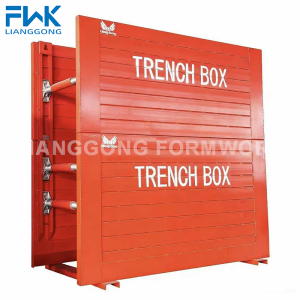
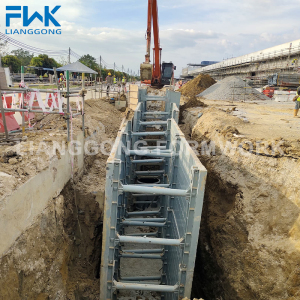
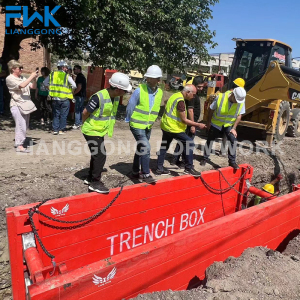
Type / Applicable Industry Construction Params Size can be customized according to customer requirements
MAXIMUM TRENCH DEPTH: 5.6m
PIPE CLEARANCE HEIGHT: 1.3m
TRENCH WIDTH:1.20-4.60m Scope |
|||||||||
| FWK-FAF 117 | None | Aluminum 6061-T6 + 15mm plywood | Construction | ||||||
|
Images
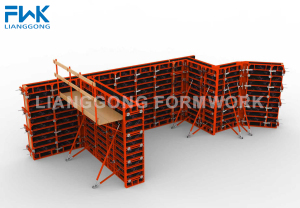
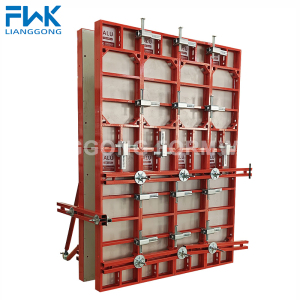
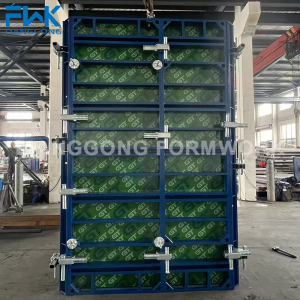
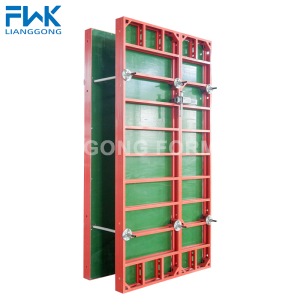
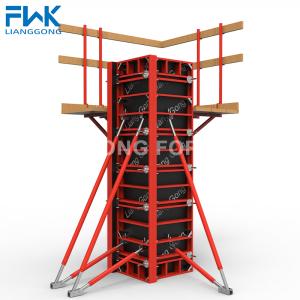
Type None Applicable Industry Construction Params PANELWEIGHT: 25kg/m2
MAX PANEL SIZE: 3mx 1m
PANEL THICKNESS: 117mm
MAX ONE-TIME CASTING HEIGHT:6m
MAXIMUM PERMISSIBLE LATERALPRESSURE:60kN/m2 Scope |
|||||||||
| FWK-SNF 65 | / | Q355 steel +12mm plywood | Construction | ||||||
|
Images

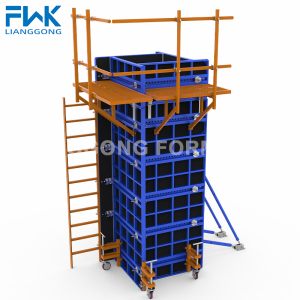
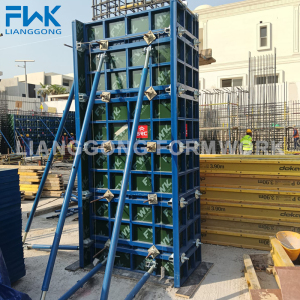
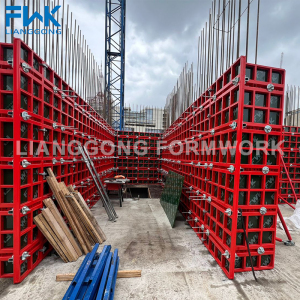
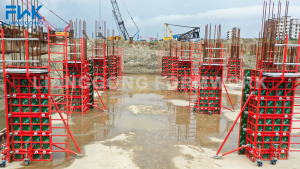
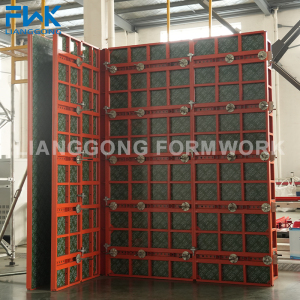
Type / Applicable Industry Construction Params PANEL WEIGHT: 39kg/m2
MAX PANEL SIZE:3m x 1.2m
PANEL DEPTH:63.5mm
MAX ONE-TIME CASTING HEIGHT:12m
MAXIMUM PERMISSIBLE LATER ALPRESSURE:60 kN/m2 Scope |
|||||||||
Certifications & Compliance
Each record can become a certification entity page.
| Certification | Cert Number | Standard | Authority | Market | Issue Date | Expiry Date | Document |
|---|---|---|---|---|---|---|---|
| LG-100 Trench Box EU ECM Technical Documentation Compliance Certification Certificate | OP250411.YLFD013 | EN 13331-1:2002、EN 13331-2:2002、EN 12811-1:2003、EN 1997-1:2024 | ECM | EU markets and corresponding compliant regions that recognize EU ECM certification and relevant EN standards | 2025-05-09 | 2030-05-08 | |
| Welding Quality Management System Certificate of Conformity | 23/1014-3834 | EN ISO 3834-2:2021 | SGS Italia S.p.A. | Global markets that recognize ISO 3834-2 standards and SGS certification | 2023-12-19 | 2026-12-18 | |
| Certificate of Conformity of the Factory Production Control | 1381-CPR-889 | EN 1090-1:2009+A1:2011、EN 1090-2:2018+A1:2024 | SGS Italia S.p.A. | EU | 2023-12-19 | 2026-12-18 | |
| QUALITY MANAGEMENT SYSTEM CERTIFICATION | 03425Q50028R4M | GB/T 19001-2016/ISO 9001:2015 | BEIJING HANGXIE CERTIFICATION CENTER CO.,LTD. | All countries and regions that recognize the mutual recognition of ISO 9001 and CNAS (including IAF member economies) | 2025-01-08 | 2028-03-03 | |
| Environmental Management System Certification | 0342026E0058R101 | GB/T 24001-2016/ISO 14001:2015 | BEIJING HANGXIE CERTIFICATION CENTER CO.,LTD. | All countries and regions that recognize the mutual recognition of ISO 14001/CNAS (including IAF member economies) | 2026-02-04 | 2029-02-09 | |
| Occupational Health & Safety Management System Certification | 0342026S0061R101 | GB/T 45001-2020/ISO 45001:2018 | BEIJING HANGXIE CERTIFICATION CENTER CO.,LTD. | Globally applicable management system standards | 2026-02-04 | 2029-02-09 |
Applications & Industries
Taxonomy-backed tags to form industry ↔ supplier ↔ product relationships.
| Industry | Country | Working Condition | Project Type | Function | Operation Mode | Special Requirement | Matched Equipment |
|---|---|---|---|---|---|---|---|
| Construction | AE | Hydraulic Auto Climbing Formwork is primarily used in Dubai for the construction of high-rise building core walls, shear walls, and some special-shaped columns and piers. Given Dubai's extreme summer heat, frequent sandstorms, and the tight schedules typical of super high-rise projects, there are high demands on the efficiency and safety of the climbing formwork system—along with a strong emphasis on reducing reliance on tower cranes. Additionally, the local market expects a mirror-like finish on concrete surfaces, and due to relatively high labor costs, there is a strong preference for efficient quick-stripping systems. | Dubai Safa 2 High-end Apartment Project | Hydraulic Climbing Formwork is used for core walls and shear walls in super high-rise buildings. It climbs via hydraulic cylinders with zero tower crane dependency, adapts to complex structures, and ensures safety in Dubai's extreme climate. Aluminum Formwork is ideal for standard floor slabs and walls in residential and hotel projects. It features a quick-stripping system for faster cycles, delivers a mirror-like concrete finish | Using the lifting force of hydraulic cylinders, the system achieves alternating climbing between the rails and the frame, eliminating the need to rely on tower cranes. | High Temperature & Verticality Control: Dubai experiences large temperature fluctuations, and concrete sets quickly, requiring extremely high verticality control. Concrete Strength: Due to the hot climate, concrete strength develops rapidly. Climbing conditions demand more precise strength monitoring. Wind Pressure Resistance: Dubai experiences occasional sandstorms. System design must account for stability under strong wind conditions, with the ability to withstand a certain level of wind load even during the climbing phase. | Formwork Panels: To meet the demands of long-distance shipping and high reuse cycles in Dubai, imported birch plywood or high-quality film-faced plywood is commonly used. Embedment System: Climbing cones and high-strength screw rods. Dubai projects typically require that load-bearing bolts and climbing cones be reusable after stripping to reduce material waste and minimize embedment handling time. Safety Platform: A fully enclosed working platform and hanging platform are mandatory for embedment removal and concrete cleaning—this reflects the strict safety standards enforced locally. |
| Construction | PA | Precast box culvert formwork is used in precasting yards and adopts a factory-based assembly line production model: Batch Production: Culverts of the same specification are mass-produced, allowing for high-frequency formwork turnover. Fixed Workstations: The bottom form is fixed to the casting bed, while the side forms and inner form can be moved and opened/closed as needed. Gantry Crane Coordination: Steel cage placement, concrete pouring, and formwork assembly and stripping all rely on gantry crane operations. Controlled Environment: Compared to cast-in-place construction, it is unaffected by rainy seasons or traffic closures. | Precast Box Culvert Formwork Cast-in-Place Project | Mass production of standard culvert components through precasting allows for quick assembly on site, greatly reducing the construction period. | According to the design drawings, concrete is poured using Precast Box Culvert Formwork in the factory to produce standard components. The processes of steel bar processing, tying, and concrete pouring are all automated and standardized. This is followed by steps such as transportation, assembly, and joint treatment | The concrete mix design is strictly controlled to ensure adequate strength of the precast components. The Precast Box Culvert Formwork are made of high-strength steel, and cranes and flatbed trucks are required on site. | None |
| Construction | GE | Georgia has a complex geological structure, with highly folded and faulted mudstone and sandstone formations. This results in uneven strata, making local collapses or hole collapse prone to occur during trench excavation. Georgia features a diverse climate: a humid subtropical climate in the west and a continental climate in the east. Winters are cold with snow cover in some mountainous areas, while spring and autumn bring relatively heavy rainfall. These conditions affect on-site construction scheduling and concrete-related operations. | Pipeline Trenching Project | The trench box is a trench shoring system primarily used to protect workers operating inside trenches and prevent trench wall collapses | The formwork is assembled on site. A crane is used for integral lifting and vertical lowering into the trench, with side panels placed flush against the trench walls. Once positioned, workers enter the trench to adjust the struts, pressing them firmly against the side panels. After securing the struts, the formwork and trench walls form a stable shoring system, allowing pipeline construction to proceed. | On-site assembly with remote guidance required. | Hydraulic struts,Spreader beam |
| Construction | ID | High temperature all year round: The average temperature is between 25°C and 34°C, with strong sunlight and high heat. Heavy rainfall & high humidity: Rainfall is abundant throughout the year, with long rainy seasons and high air humidity. Coastal & corrosive environment: Many apartment and swimming pool projects are located in coastal areas, where materials are affected by moisture and salt corrosion. | Swimming Pool Project | Aluminum frame formwork is an ideal formwork system for apartment and swimming pool projects in Indonesia. It adapts well to high temperature, heavy rainfall, high humidity and coastal environments, improves construction efficiency and ensures project quality. | Crane Lifting | high-strength aluminum frames, stainless steel or galvanized tie rods, reliable joint sealing, and specialized corner formwork. | Adjustable Diagonal Brace,Formwork Accessories |
| Construction | TT | High temperature all year round: The average temperature ranges from 25°C to 32°C, with strong sunlight and high heat intensity. Abundant rainfall and high humidity: The rainy season is relatively long, with frequent heavy rains and high air humidity. Coastal and windy environment: Most high-rise buildings are located in urban and coastal areas, which require stable, safe and wind-resistant construction systems. | Hospital Project | Hydraulic Auto Climbing Formwork is an ideal construction system for high-rise buildings in Trinidad and Tobago. It adapts well to the local high temperature, rainy, humid and coastal environment, improves construction safety and efficiency, and ensures the quality of high-rise buildings. | The Hydraulic Auto Climbing Formwork drives the guide rail and frame to climb alternately through hydraulic cylinders, allowing the formwork system to automatically move upward floor by floor, achieving cyclic construction of standard floors in high-rise buildings. | High-strength anchor system | Hydraulic Lifting System、Guide Rail、Operating Platform、Anchor System、Formwork System、Bracket System、Maintenance System |
| Construction | TZ | Geology: Dominated by loose sandy soil with low natural compactness and poor self-stability. Layered compaction by road rollers is required to ensure bearing capacity, and excavation slopes must be strictly controlled to prevent collapse. Climate: Construction is carried out in the tropical dry season with high temperature and little rain, which is the golden construction period for local infrastructure. Heavy rainfall in the rainy season easily erodes unprotected roadbeds, requiring advance drainage and protection. Environment: Open construction area in wild savanna with less construction interference, but challenges such as high temperature and wind sand need to be addressed. Low groundwater level is suitable for earthwork construction. | Bridge Project | H20 Timber Beam Formwork handles load-bearing and modular assembly for straight sections, while the adjustable curved steel formwork ensures precise shaping and radius adjustment for curved sections, with the two combining to form a complete bridge pier formwork system.Bridges adopt a combined timber-steel formwork scheme to integrate high strength, precise construction and economic benefits. | Timber Beam Formwork is assembled manually, whereas Steel Formwork requires hoisting. | As the geology in Tanzania is relatively soft, the ground must be compacted with road rollers before bridge construction. | Mobile Crane |
| Construction | ID | This project is the BNI Emerald Tower (PIK 2) Bank Headquarters Building in Indonesia. The site is located in a coastal alluvial plain near Jakarta with soft geological conditions and high groundwater level. The project is situated in an urban business district with dense surrounding traffic and a relatively compact construction site. The area has a tropical rainforest climate with high temperature, high humidity and frequent rainfall throughout the year, which affects concrete curing, outdoor operations and material storage.The main building is a high-rise frame-core tube structure. The construction involves multiple cross operations including pile foundation, foundation pit support, main structure construction, curtain wall installation, MEP installation and interior decoration. The project has a large amount of high-altitude work, requiring high standards for safety and quality control. | The BNI Emerald Tower (PIK 2) project | The BNI Emerald Tower (PIK 2) project has adopted a diverse range of Liangong wood beam structural systems, which are extensively utilized in the construction of key building components including load-bearing walls, structural columns, and cast-in-place floor slabs. These specialized wood beam systems, renowned for their excellent load-bearing capacity, environmental friendliness, and construction efficiency, not only align with the project’s LEED green building certification goals but also contribute to the overall structural stability and sustainability of the high-rise headquarters building. | Manual assembly | As a high-rise building project, tower cranes are required for hoisting and installation on site. | Scaffold bracket, Formwork accessories, Foldable tripod, Shifting trolley, Steel props, etc. |
| Construction | ID | Dam construction in Indonesia is characterized by unique geological, climatic, and logistical challenges: Tropical Climate & Heavy RainfallHigh humidity, intense monsoon rains, and frequent extreme weather lead to prolonged rainy seasons, which disrupt outdoor construction schedules, increase slope instability risks, and complicate concrete curing and quality control. Complex Geological ConditionsSeismic activity is common across the Indonesian archipelago, requiring strict seismic design standards for dam foundations. Additionally, mountainous terrain, soft soil layers, and karst formations are prevalent, demanding advanced foundation treatment and slope stabilization measures. Remote Site LogisticsMany dam sites are located in remote mountainous or forested areas with limited road access, making transportation of heavy equipment, bulk materials (cement, steel), and construction supplies difficult and costly. | Kalimantan Dam Project | Cantilever formwork is a key equipment for high and steep dam construction. It is self-supporting, without the need for bottom supporting brackets, and can be adjusted to fit the slope and curved surface of the dam. It features high structural rigidity, stable operation, and good concrete surface quality. It allows continuous lifting and concrete pouring at height, greatly improving construction safety and efficiency, and is widely used in various hydraulic dam projects. | Manual on-site disassembly and turnover reuse | The formwork and anchor system feature high reusability, and the ring-lock scaffolding system is hot-dip galvanized. | Adjustable diagonal brace,Anchor system,Ring-lock Scaffolding System |
| Construction | UZ | Housing construction in Uzbekistan is characterized by distinct climatic, geological, and logistical challenges: Continental Climate & Extreme Temperature DifferencesStrong continental climate brings large diurnal and seasonal temperature variations, with hot, dry summers and cold, frosty winters. Low precipitation and dry air affect concrete curing, while seasonal temperature swings require special thermal protection measures to ensure structural quality and construction safety. Flat Terrain with Regional Soil VariabilityMost areas feature flat or gently rolling terrain, which is favorable for large‑scale residential development. However, some regions have collapsible loess or uneven foundation soils, requiring reasonable foundation treatment and ground stabilization to ensure building stability and settlement control. Logistics and Infrastructure ConditionsMany urban and rural residential projects benefit from relatively convenient road and infrastructure networks. For projects in su | Residential Building Project | One-time casting of residential building walls and slabs | Low-rise residential buildings adopt manual on-site assembly, while high-rise buildings still require tower cranes to hoist formwork. | None | The auxiliary wheel(After pouring is completed on the same floor, it can be moved to other areas with auxiliary wheels for continuous construction),The lifting hook(convenient for tower crane hoisting) |
| Construction | RU | Severe cold, difficult logistics and transportation, extremely short effective outdoor construction period, relative shortage of building materials.Construction in Russia requires strict cold-resistant design, reliable equipment configuration, sufficient material reserves, and reasonable construction planning. | Retaining Wall Project | Used for coal bunker wall construction | Cantilever Climbing Formwork is a suspended external formwork system lifted by tower cranes. It mainly consists of core components including anchor system, formwork panel, bracket(including tripod, main waler, and diagonal brace), suspended platform, and retrusive device. Its core working principle is to use embedded parts to bear all loads of the formwork, frame body, and construction, No additional scaffolding is required. Through the cyclic process of "retracting the formwork →lifting the formwork integrally → closing the formwork for pouring", it realizes the layered and continuous construction of high-altitude concrete. | High-strength film-faced plywood,Low temperature resistant treatment,Anti-corrosion treatment | push-pull prop |
Industries (10) → Products (21 models) → Certifications (6)
Manufacturing Capabilities
Core processes and equipment available in-house.
Customization
Logo ,Size
Monthly Capacity
1000ton
Lead Time
30-35 days
Export Markets
South America, North America, Southeast Asia, Africa, Europe, Middle East, and others
After Sales
On-site support and remote guidance
Quality Control
100% test
Project References / Cases
Verified project records. Client names anonymized where requested.
| Client Type | Country | Quantity | Application | Duration | Result | Highlight |
|---|---|---|---|---|---|---|
| EPC contractor | ID | 100 sets | Concrete pouring construction for underground powerhouses, water intake tunnels and auxiliary dam structures of the Kalimantan Dam Project in Indonesia | More than ten years | The Kalimantan Dam Project is a key infrastructure development aimed at supporting regional water management and energy supply. The structure involves large-volume concrete casting, complex wall geometries, and high structural stability requirements, making it particularly demanding for formwork systems in terms of strength, adaptability, and durability. To meet these challenges, the contractor selected Lianggong’s H20 Timber Beam Formwork System for the main wall and structural concrete works. The system demonstrated strong adaptability on site, especially in handling irregular and curved sections of the dam structure. Its flexible configuration allowed for efficient adjustments without complicated redesign, ensuring continuous workflow even under changing construction conditions. Throughout the construction process, the timber beams and panels could be freely cut and reused, significantly improving material utilization. At the same time, the system maintained excellent load-bearing performance during large-scale concrete pouring, ensuring both safety and structural accuracy. The relatively lightweight components also made handling and installation more efficient, helping the project team accelerate the construction schedule. In addition, the system delivered a high-quality concrete surface finish, reducing the need for extensive post-processing work. This not only improved overall construction efficiency but also contributed to better cost control across the project. The successful application of the H20 Timber Beam Formwork System in the Kalimantan Dam Project highlights its reliability and versatility in large-scale infrastructure works, especially in projects requiring both structural strength and on-site flexibility. | The concrete pouring achieves not only qualified strength but also a smooth and level finish, eliminating the need for additional grinding work, which significantly improves overall construction efficiency. |
| Municipal engineering company | MY | 10 sets | For pipe laying in municipal drainage pipeline projects | more than 10 years | Construction period is shortened by 20%, which not only saves a large amount of reinforced concrete materials, but also achieves zero safety accidents, and construction efficiency is improved by 4 times. | The panels are made of Q355B steel with extremely high strength, capable of withstanding huge lateral earth pressure.Quick to assemble and disassemble, easy to operate and master.Support installation can follow excavation progress, with shoring applied as digging proceeds, greatly shortening the construction period.Flexible in size with adjustable width, and panels can be customized.Customization service is available, providing exclusive design solutions and technical guidance. |
| Construction company | RU | 25 sets | For wall | 2 years | Prefect | Durable and sturdy |
| Construction company | IL | 3 sets | For pipe laying | 2 years | Israel is characterized by sandy and loose soil in many areas. The Trench Box effectively mitigates the risk of trench collapse, while eliminating the need for extensive slope cutting in urban construction sites with limited space and dense underground utilities, thereby significantly reducing the volume of earth excavation | Ge adaptability:In certain areas of Israel , the soil is sandy and lacks self-standing capacity. Traditional open-cut with slope cutting is prone to collapse, making the trench box a highly efficient and safe solution. Efficiency Advantages:Featuring a modular design, the trench box enables rapid assembly and lowering. Compared to steel sheet pile shoring, it offers faster construction speed and lower costs, along with zero vibration and low noise. It is ideally suited for urban construction environments. Compliance Requirements:Israel’s construction safety codes mandate shoring support for deep trench operations. The trench box is a standard protective equipment that fully complies with local standards. |
| construction company | TT | 70 units | For Wall | 2 years | In a major healthcare infrastructure project in Trinidad and Tobago, LIANGGONG Hydraulic Auto-Climbing Formwork System (ACS) was successfully applied to the construction of the hospital’s reinforced concrete core structures and vertical shear walls. The project required high standards of safety, precision, and construction efficiency due to its complex structural design and tight schedule. The hydraulic auto-climbing formwork system, powered by its integrated hydraulic lifting mechanism, enabled the entire formwork assembly to climb steadily without reliance on tower cranes or external lifting equipment. This significantly reduced crane usage on site while ensuring continuous and uninterrupted vertical construction. The system’s ability to allow synchronized or independent climbing of brackets and rails ensured smooth and stable operation throughout the project, even under challenging site conditions. During construction, the system remained wall-attached and did not require dismantling or reinstallation at ground level, which optimized site space and minimized material damage. The integrated multi-level working platforms provided safe and efficient access for workers, eliminating the need for additional scaffolding and greatly improving overall site safety management. The project team benefited from the high climbing efficiency of the ACS system, completing each structural level within a shortened cycle time and accelerating the overall construction schedule. At the same time, the system’s high construction accuracy allowed for easy alignment adjustment, ensuring that structural deviations were corrected floor by floor, meeting strict engineering tolerances required for hospital construction. With its self-climbing capability, reduced labor intensity, and enhanced safety performance, the LIANGGONG Hydraulic Auto-Climbing Formwork System proved to be an ideal solution for this hospital project. The successful implementation not only ensured timely project delive | Easy assembly |
Comparative Positioning
Side-by-side benchmarks against peer manufacturers in this segment.
| Compared To | Difference | Performance Gap | Best For | Cost Difference | Efficiency |
|---|---|---|---|---|---|
| LG H20 Timber Beam Formwork vs. Conventional H20 Timber Beam Formwork | LG H20 Timber Beam Formwork: Lightweight material, strong adaptability, high water absorption (conducive to curing), standard dimensions, high density, wear resistance and high temperature resistance. Conventional H20 Timber Beam Formwork: Poor plasticity, low water absorption, non-standard dimensions, non-multilayer board, inferior film coating, poor wear resistance and poor high temperature resistance. | LG H20 Timber Beam Formwork: Turnover rate: about 26-40 times; Double-sided available for use Conventional H20 Timber Beam Formwork: Turnover rate: 5-8 times; Single-sided only for use | LG H20 Timber Beam Formwork: Suitable for projects with various special-shaped structures such as special-shaped component construction, medium-scale engineering, large-area horizontal structures and residential building construction. Conventional H20 Timber Beam Formwork: Suitable for low-cost small-scale engineering, civil housing construction, scattered assembled non-standard structures and other projects with low quality requirements. | LG H20 Timber Beam Formwork: Dual service life with a single purchase, featuring a high reusability rate. Conventional H20 Timber Beam Formwork: Relatively high initial cost coupled with a short service life, resulting in a total cumulative cost far exceeding that of LG formwork. | LG H20 Timber Beam Formwork: Features quick manual cutting and installation, enables on-site fabrication of various irregular shapes, offers high turnover efficiency, and possesses high flexural strength, meeting the requirements for fair-faced concrete formwork. Conventional H20 Timber Beam Formwork: Exhibits slightly lower flexural strength and is prone to delamination (localized surface peeling) under high temperatures. |
| LG B-FORM vs. Conventional B-FORM | LG B-FORM: High Strength, Rapid Installation, Mobile, Flexibly Adjustable, Single-Operator Capable, High Load-Bearing Capacity, High-Strength Steel Frame + Laminated Board Conventional B-FORM: Primarily Composed of Plywood + Simple Steel Frame, Heavy Weight, Relatively Lower Load-Bearing Capacity, Steel Frame + Standard Plywood | LG B-FORM: Panel can be used 20-40 times (depending on the model), steel frame can be used 100+ times Conventional B-FORM: Panel can be used 15-30 times, steel frame can be used 50+ times | LG B-FORM: Suitable for high-rise and super high-rise buildings, core walls, shear walls, columns, and variable cross-section wall projects with high requirements for concrete appearance, verticality, and flatness. Conventional B-FORM: Suitable for high-rise buildings, columns, and wall projects with standard requirements for concrete appearance, verticality, and flatness. | LG B-FORM: Higher initial investment, but one set can be used across multiple projects and years of reuse, suitable for long-term management. Conventional B-FORM: Lower upfront cost, but cumulative replacement expenses over time lead to higher long-term costs and economic inefficiency. | LG B-FORM: Modular, pre-assembled, and positioned as a complete unit; single-operator capable with no repeated adjustments required; formwork installation speed: 20-25 m² per person per day. Conventional B-FORM: Loose assembly, piece-by-piece installation, on-site matching, repeated adjustments; formwork installation speed: 12-15 m² per person per day. |
Risk & Trust Signals
Aggregated data-driven indicators. Not an endorsement.
Purchase & Trade Information
Trading terms and procurement details.
Product Comparison
Comparative analysis against alternative solutions.
| Compared To | Difference | Performance Gap | Best For | Cost Difference | Efficiency |
|---|---|---|---|---|---|
| LG H20 Timber Beam Formwork vs. Conventional H20 Timber Beam Formwork | LG H20 Timber Beam Formwork: Lightweight material, strong adaptability, high water absorption (conducive to curing), standard dimensions, high density, wear resistance and high temperature resistance. Conventional H20 Timber Beam Formwork: Poor plasticity, low water absorption, non-standard dimensions, non-multilayer board, inferior film coating, poor wear resistance and poor high temperature resistance. | LG H20 Timber Beam Formwork: Turnover rate: about 26-40 times; Double-sided available for use Conventional H20 Timber Beam Formwork: Turnover rate: 5-8 times; Single-sided only for use | LG H20 Timber Beam Formwork: Suitable for projects with various special-shaped structures such as special-shaped component construction, medium-scale engineering, large-area horizontal structures and residential building construction. Conventional H20 Timber Beam Formwork: Suitable for low-cost small-scale engineering, civil housing construction, scattered assembled non-standard structures and other projects with low quality requirements. | LG H20 Timber Beam Formwork: Dual service life with a single purchase, featuring a high reusability rate. Conventional H20 Timber Beam Formwork: Relatively high initial cost coupled with a short service life, resulting in a total cumulative cost far exceeding that of LG formwork. | LG H20 Timber Beam Formwork: Features quick manual cutting and installation, enables on-site fabrication of various irregular shapes, offers high turnover efficiency, and possesses high flexural strength, meeting the requirements for fair-faced concrete formwork. Conventional H20 Timber Beam Formwork: Exhibits slightly lower flexural strength and is prone to delamination (localized surface peeling) under high temperatures. |
| LG B-FORM vs. Conventional B-FORM | LG B-FORM: High Strength, Rapid Installation, Mobile, Flexibly Adjustable, Single-Operator Capable, High Load-Bearing Capacity, High-Strength Steel Frame + Laminated Board Conventional B-FORM: Primarily Composed of Plywood + Simple Steel Frame, Heavy Weight, Relatively Lower Load-Bearing Capacity, Steel Frame + Standard Plywood | LG B-FORM: Panel can be used 20-40 times (depending on the model), steel frame can be used 100+ times Conventional B-FORM: Panel can be used 15-30 times, steel frame can be used 50+ times | LG B-FORM: Suitable for high-rise and super high-rise buildings, core walls, shear walls, columns, and variable cross-section wall projects with high requirements for concrete appearance, verticality, and flatness. Conventional B-FORM: Suitable for high-rise buildings, columns, and wall projects with standard requirements for concrete appearance, verticality, and flatness. | LG B-FORM: Higher initial investment, but one set can be used across multiple projects and years of reuse, suitable for long-term management. Conventional B-FORM: Lower upfront cost, but cumulative replacement expenses over time lead to higher long-term costs and economic inefficiency. | LG B-FORM: Modular, pre-assembled, and positioned as a complete unit; single-operator capable with no repeated adjustments required; formwork installation speed: 20-25 m² per person per day. Conventional B-FORM: Loose assembly, piece-by-piece installation, on-site matching, repeated adjustments; formwork installation speed: 12-15 m² per person per day. |