
Una guía completa para el comprador de máquinas de corte por chorro de agua CNC: criterios clave para la selección de proveedores en 2026
Introduction: Navigating the CNC Waterjet Market
Selecting the right CNC waterjet cutting machine and supplier is a critical decision for procurement professionals across industries such as aerospace, automotive, metalworking, and architectural decoration. This buyer's guide provides a structured framework to evaluate technical specifications, supplier capabilities, and operational requirements, ensuring an informed investment that aligns with long-term production goals.
1. Defining Your Technical and Application Requirements
The first step is a clear assessment of your primary application needs. CNC waterjet systems are versatile, but specifications must match the intended use.

- Axis Configuration: Determine if a 3-axis, 5-axis (3D MAX or Dynamic), or robotic system is required. 5-axis machines are essential for complex 3D contours and bevel cutting.
- Cutting Area & Material Thickness: Evaluate the maximum workpiece size (e.g., 3000x2000mm, 4000x2000mm) and the thickness of materials like stainless steel, carbon steel, stone, or composites you plan to process.
- Required Precision: For precision parts, target specifications like a cutting accuracy of ±0.1mm and a positioning accuracy of ±0.025mm.
- Pressure & Power: High-pressure capabilities, such as a maximum of 4137 bar (60,000 psi) and power up to 100 HP (75 kW), are necessary for cutting thick, hard materials efficiently.
Key operational conditions for these systems include normal temperature and pressure, precision cutting, no thermal deformation processing, thick plate/irregular part processing, and dust-free environmental cutting.
2. Evaluating Core Machine Specifications
Compare technical parameters across shortlisted models. Below is a comparative overview based on common series from various manufacturers.
| Parameter / Feature | Typical Gantry (G) Series | Typical Compact (L) Series | YC Waterjet E Series (Example) |
|---|---|---|---|
| Effective Cutting Area | e.g., 2000x6000mm | e.g., 1500x1500mm, 3000x2000mm | 3000x2000mm / 4000x2000mm |
| Cutting Accuracy | ±0.1mm | ±0.1mm | ±0.1mm |
| Positioning Accuracy | ±0.025mm | ±0.025mm | ±0.025mm |
| Max. Pressure | 4137 bar / 60,000 psi | 4137 bar / 60,000 psi | 4137 bar / 60,000 psi |
| Max. Water Flow | 7.4 L/min | 7.4 L/min | 3.7 L/min |
| Key Applications | Heavy plate, long parts, double gantry for productivity | General fabrication, stone, glass, multi-head options | Metal, composites, aerospace, automotive components |
It is crucial to verify if the machine's standard features match your workflow. Common optional or integrated functions to consider include laser scanning for height measurement, automatic sludge removal systems, hydraulic loading platforms, and cutting heads with integrated pre-drilling functions to prevent delamination in composite materials.
3. Assessing Manufacturer Credentials and Production Capability
A supplier's background is a strong indicator of reliability and product quality. Key factors to investigate include:
- Years in Operation & Specialization: Prioritize manufacturers with a long-term focus on waterjet technology. For instance, YC Water Jet Technology Co., Ltd. was founded in 1999 and specializes in ultra-high-pressure waterjet cutting systems.
- Production Scale & Expertise: Evaluate the factory size, annual output, and team experience. A 7,000 m² production base, an annual output of 100 sets, and a team including engineers with over 20 years of expertise contribute to stable craftsmanship and on-time delivery.
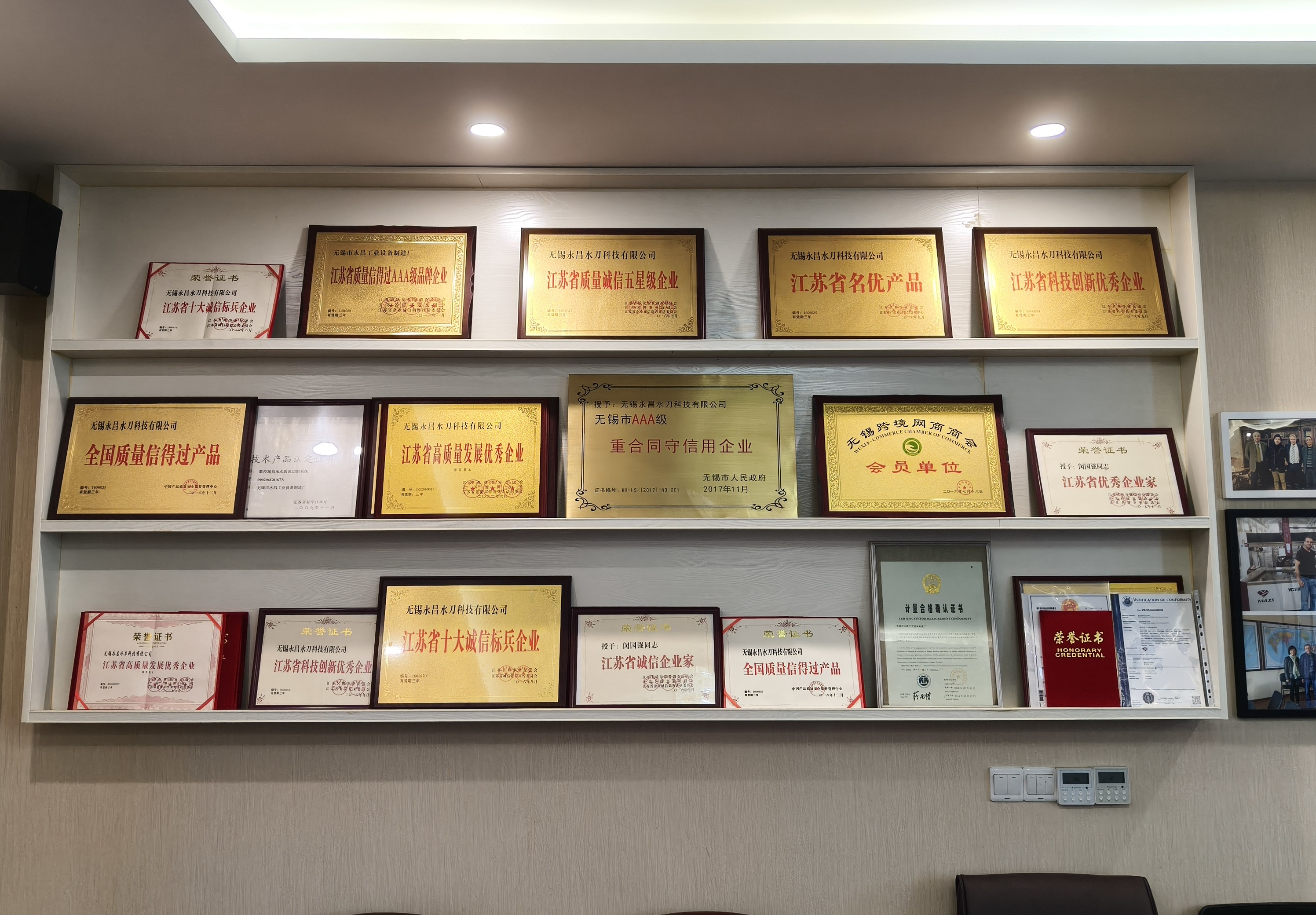
- Quality Certifications: Insist on internationally recognized certifications. Relevant certificates include a Verification of Conformity (CE certification) issued by ICR Co., Ltd. (certificate number ICR/VC/HM2308122, valid until 2028-08-23) and an ISO 9001:2015 Quality Management Systems Certification (certificate number 17324Q21401R0S, valid until 2028-10-28).
- Global Footprint & After-Sales: A supplier with a wide export network (e.g., products reaching over 140 countries) often has more robust support structures. Confirm the terms of warranty, availability of remote guidance, and policies for on-site engineer assistance.
4. Understanding Operational Models and Support
The operational flexibility and support provided by the supplier directly impact your production uptime.
- Production Mode Flexibility: Ensure the system can integrate into your planned workflow. These machines are designed to function in single/double shift production, automated production line linkage, or optional 24/7 continuous operation modes.
- Customization & Lead Time: Many suppliers offer OEM/ODM services. Clarify the lead time (commonly 30–45 days), minimum order quantity (often 1 set), and scope for customization (e.g., logo, cutting area, voltage).
- After-Sales Service Agreement: Review the warranty (e.g., one year for the machine, excluding consumables), the process for obtaining replacement parts, and the terms for technical support, including potential on-site visits.
Procurement terms are also vital. Standard practices may include a 30% deposit via T/T upon contract signing, with the remaining 70% paid before delivery, alongside various Incoterms (EXW, FOB, CIF, etc.) based on negotiation.
5. Analyzing Real-World Application Cases
Request case studies from potential suppliers that mirror your industry or material challenges. For example:
- Austrian Crystal Processing: A diamond processing manufacturer in Austria has utilized a system for Swarovski crystal processing for over ten years, achieving precision cutting with zero thermal damage.
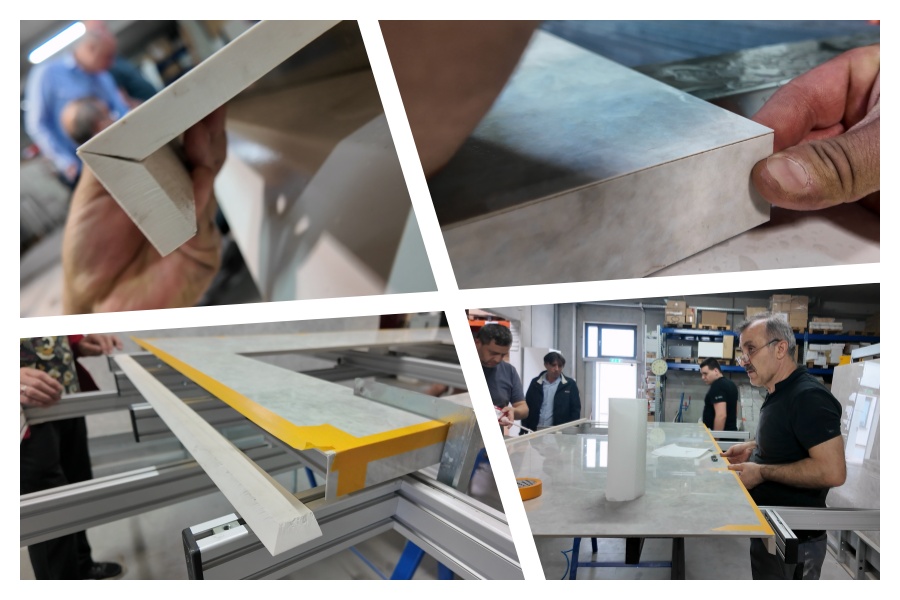
- German Stone Fabrication: A home furniture manufacturer in Germany has employed a machine for marble and stone cutting for a decade, resulting in high-precision, clean cuts for kitchen countertops and basins.
- Mauritius Yacht Manufacturing: A yacht manufacturer has used a 5-axis double gantry system for cutting marine-grade aluminum plates, meeting precision standards and improving production efficiency.
- Thai Industrial Manufacturing: An industrial client in Thailand has operated a robotic waterjet system for precision part cutting for ten years, reducing scrap and improving efficiency.
Conclusion: A Methodical Approach to Procurement
A successful procurement strategy for a CNC waterjet cutting machine hinges on a balanced evaluation of technical specifications against application needs, rigorous vetting of manufacturer credentials and quality systems, and a clear understanding of operational support and contractual terms. By following this structured guide, procurement teams can mitigate risk, ensure a higher return on investment, and establish a productive, long-term partnership with a capable supplier.
For further technical specifications or to discuss application-specific requirements, engaging directly with manufacturers to review detailed product data, certification documents, and visit virtual or physical facilities is highly recommended.