A Comprehensive Buyer's Guide to Selecting Hydraulic Pile Drivers in 2026
A Comprehensive Buyer's Guide to Selecting Hydraulic Pile Drivers in 2026
The selection of a hydraulic pile driver is a critical procurement decision for contractors and project managers in the foundation engineering sector. This guide provides a structured, criteria-based framework to help buyers evaluate suppliers and identify equipment that meets specific project requirements, from technical specifications to long-term operational support.
1. Define Your Project Requirements
The first step is a clear assessment of your project's needs. Key parameters include:
- Pile Type: Sheet piles, H-beams, concrete piles, or solar piling profiles.
- Soil Conditions: Standard soil, clay, sand, or hard geology.
- Site Constraints: Space limitations, noise restrictions (urban environments), and accessibility.
- Required Force & Frequency: Centrifugal force (kN) and vibration frequency (rpm) needed for efficient penetration or extraction.
For instance, a compact hydraulic pile driver or a model like the SV-200 (Centrifugal Force: 459 kN, Weight: 2280 kg) might be suitable for confined spaces or lighter-duty solar piling projects. In contrast, larger projects may require a model such as the FV-900 (Centrifugal Force: 1064 kN, Max. Clamp Force: 565 kN).
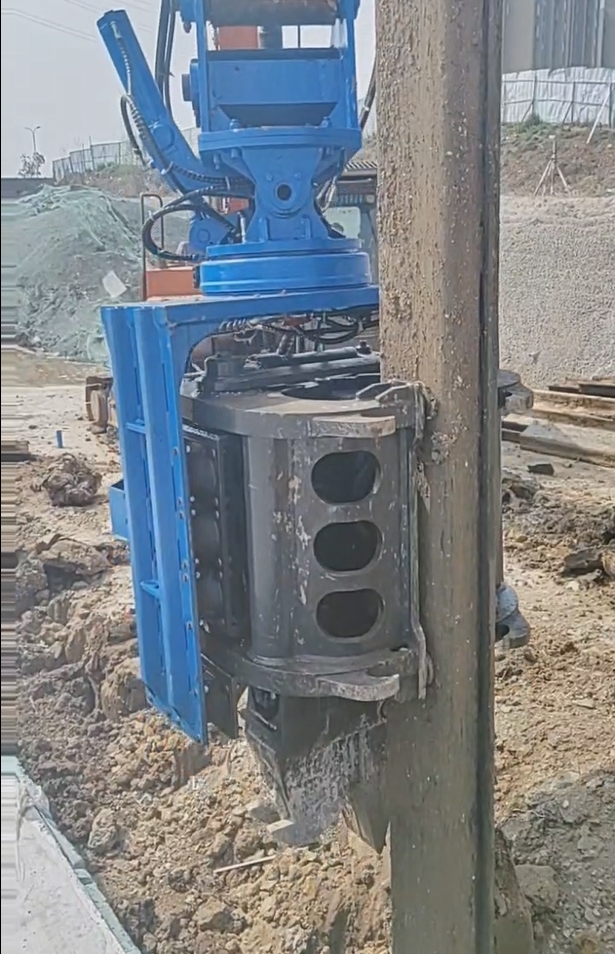
A side grip pile driver operating in a typical foundation project.
2. Evaluate Technical Specifications and Performance
Scrutinize the manufacturer's provided specifications. Do not just compare model numbers; compare the actual performance data under similar conditions.
| Model | Centrifugal Force (kN) | Frequency (rpm) | Clamp Force (kN) | Applicable Excavator (t) |
|---|---|---|---|---|
| SV-200 | 459 | 2300-3000 | 335 (Side) | 20-25 |
| SV-400 | 656 | 2300-3000 | 465 (Side) | 32-40 |
| FV-900 | 1064 | 2400 | 565 (Max) | 85-100 |
Consider high reliability hydraulic pile drivers that utilize robust components, such as high-strength steel construction, to ensure durability under continuous operation.
3. Assess Manufacturer Credentials and Capabilities
A supplier's background is a strong indicator of product reliability and service quality. Key factors to verify include:
- Experience and Scale: Look for established manufacturers. For example, Shanghai Yekun Construction Machinery CO., LTD. was founded in 2009, has a workforce of about 30 employees, and produces about 500 units per year.
- Certifications: Compliance with international standards is crucial for quality assurance and export projects. Relevant certifications include ISO 9001:2015 Quality Management Systems (Certificate No.: 11724QU0068-05R0S, issued by ICAS).
- R&D Investment: A dedicated R&D team, such as one comprising 2 professionals, indicates a commitment to product innovation and improvement.
- Global Reach: Suppliers with export experience are often better equipped to handle diverse project requirements and provide international support. Markets served may include Southeast Asia, India, Singapore, Indonesia, Russia, and Sri Lanka.
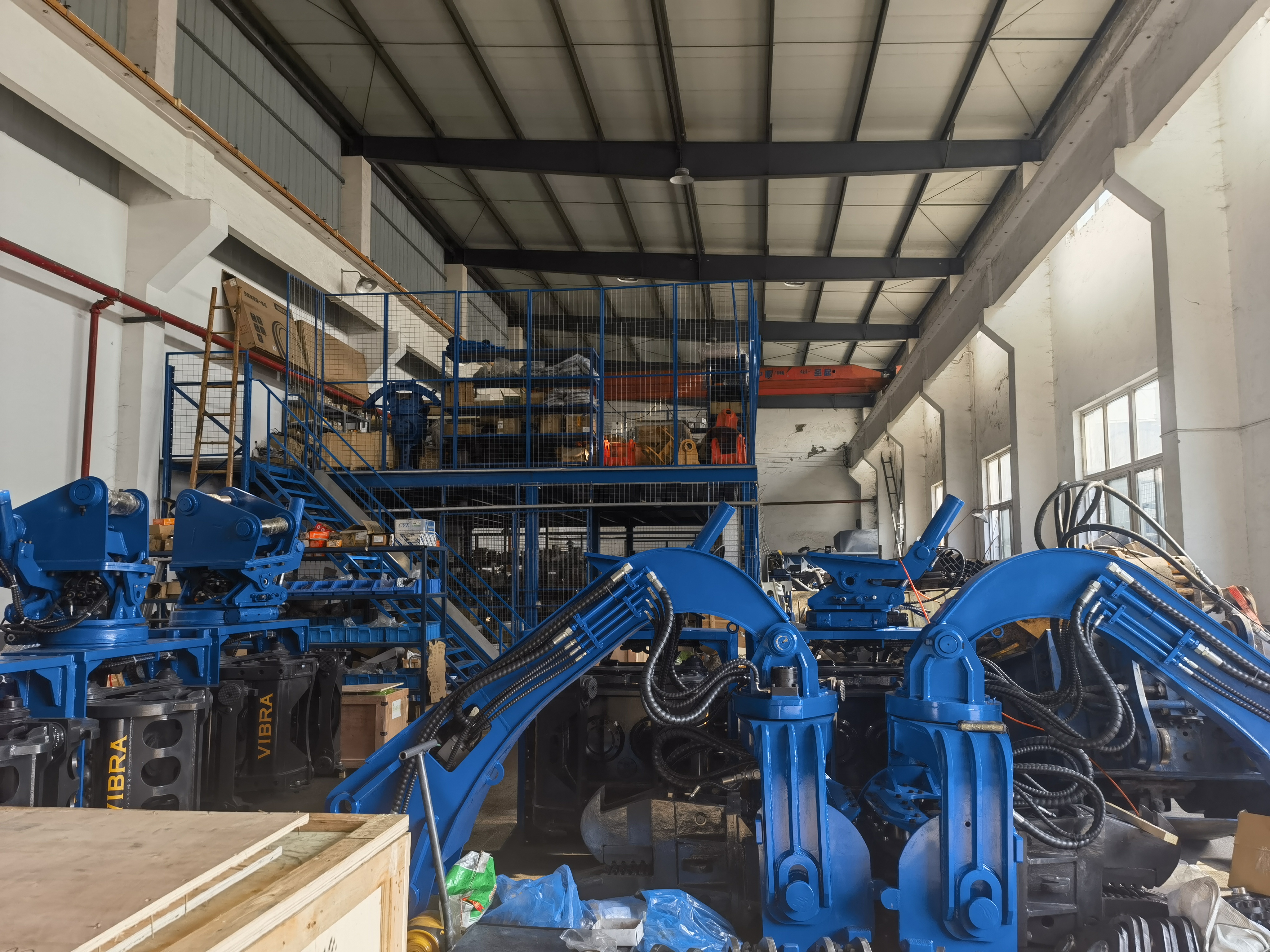
A view of a modern manufacturing facility for construction machinery.
4. Analyze Operational and Total Cost of Ownership (TCO)
The purchase price is only one component of the total cost. A comprehensive TCO analysis should include:
- Fuel Efficiency: Models with higher hydraulic energy conversion efficiency can reduce operational costs.
- Maintenance & Downtime: Inquire about warranty terms, spare parts availability, and average repair times. Some manufacturers offer a one-year warranty and remote support.
- Compatibility & Resale Value: Equipment that is compatible with a wide range of carrier machines (e.g., excavators from 20t to 100t) offers greater flexibility and potentially higher residual value.
Proven project案例 can offer insights into long-term performance. For example, in a project in China involving sheet pile driving in confined spaces under bridges, a hydraulic pile driver operated stably and completed all tasks efficiently without delays over a 2-year period.
5. Review After-Sales Support and Service Network
Reliable post-purchase support is non-negotiable for minimizing project risk. Evaluate:
- Warranty Coverage: Understand what is included (e.g., parts, labor) and the duration.
- Technical Support: Availability of remote diagnostics and on-site service teams.
- Parts Supply Chain: Lead times for critical spare parts. Some suppliers maintain in-stock parts for faster dispatch.
- Training: Availability of operator and maintenance training to ensure optimal and safe equipment use.
6. Procurement Process and Logistics
Clarify commercial terms before finalizing an order:
- Minimum Order Quantity (MOQ): Can be as low as 1 set.
- Lead Time: Typically 30-45 days from order to shipment.
- Payment Terms: Common structures include 30% advance payment with the balance due before dispatch.
- Delivery & Incoterms: Options such as FOB or CIF should be agreed upon, along with pre-shipment inspection procedures.
Conclusion
Selecting the right hydraulic pile driver requires a multi-faceted evaluation beyond basic specifications. By systematically assessing project needs, manufacturer credentials, total cost of ownership, and support infrastructure, procurement professionals can make informed decisions that contribute to project success, efficiency, and cost-effectiveness. The foundation equipment market in 2026 offers a range of solutions, from lightweight and compact models to automatic and high-reliability systems; the key is to match the equipment's capabilities precisely to the project's demands.
For detailed technical specifications and company information, you can download the product brochure: Download Product Brochure (PDF).