
La guía definitiva del comprador para las placas de refrigeración de vehículos eléctricos: selección, tecnología e información del mercado (2026)
The Ultimate Buyer's Guide to Electric Vehicle Cooling Plates: Selection, Technology, and Market Insights (2026)
As the global electric vehicle (EV) market accelerates towards mass adoption, the thermal management of high-voltage battery packs has emerged as a critical engineering challenge. The electric vehicle cooling plate, a core component within the liquid cooling system, is pivotal for ensuring battery safety, longevity, and performance. This comprehensive buyer's guide for 2026 provides an in-depth analysis of EV cooling plate technologies, selection criteria, manufacturing processes, and key market players to inform procurement decisions for OEMs and system integrators.
1. Understanding EV Cooling Plate Fundamentals
An EV battery cooling plate is a heat exchanger designed to manage the thermal load generated by lithium-ion cells during charge and discharge cycles. Typically, a liquid cooling plate for EV is integrated into the battery module or pack, forming a thermal interface between the cells and a coolant fluid. The primary function is to maintain an optimal operating temperature range (usually 15°C to 35°C), preventing thermal runaway and ensuring consistent power output.
Key design configurations include:
- Stamped Cooling Plate: Formed by stamping flow channels into aluminum sheets, which are then joined. This method is known for efficient production and suitability for high-volume applications.
- Brazing Cooling Plate: Involves joining multiple aluminum components using a brazing process, creating complex internal channels for optimized coolant flow.
- Serpentine/Snake Cooling Tube: An aluminum tube formed into a winding pattern and often embedded or attached to a plate, providing a direct cooling path.
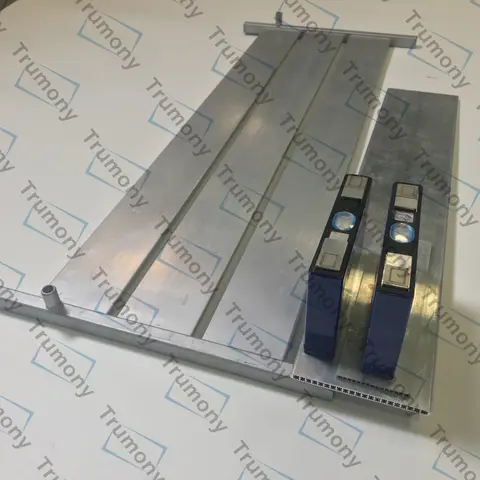
Figure 1: A typical stamped aluminum battery pack cooling plate design.
2. Critical Selection Criteria for Procurement Teams
Selecting the right aluminum liquid cooling plate requires evaluating several technical and commercial factors.
2.1 Performance Parameters
- Cooling Efficiency & Thermal Resistance: The plate's ability to transfer heat from the battery to the coolant. This is often customized based on the battery's heat generation profile and the required temperature delta.
- Pressure Drop & Flow Rate: The internal channel design must balance low flow resistance with effective heat exchange to minimize pump energy consumption.
- Material & Corrosion Resistance: Aluminum 3003 is a common choice due to its good thermal conductivity, formability, and compatibility with coolants. Epoxy or other coatings may be required for electrical isolation and corrosion protection.
- Leakage Integrity: Absolute reliability is non-negotiable. Quality assurance must include 100% air leakage testing, with optional helium tightness testing for critical applications.
2.2 Manufacturing & Quality Assurance
Leading manufacturers implement rigorous quality control protocols. For instance, a manufacturer like Trumony Aluminum Limited employs a quality control regimen that includes 100% air leakage and dimension testing. Optional validation tests can include helium tightness tests, voltage resistance tests, hydrostatic strength tests, burst tests, and high/low temperature resistance tests.
Certifications are a key trust indicator. Buyers should verify compliance with automotive standards such as IATF 16949 (certification number 0489498, issued by IATF) and general quality management standards like ISO 9001 (certification number 132998, issued by IAF).
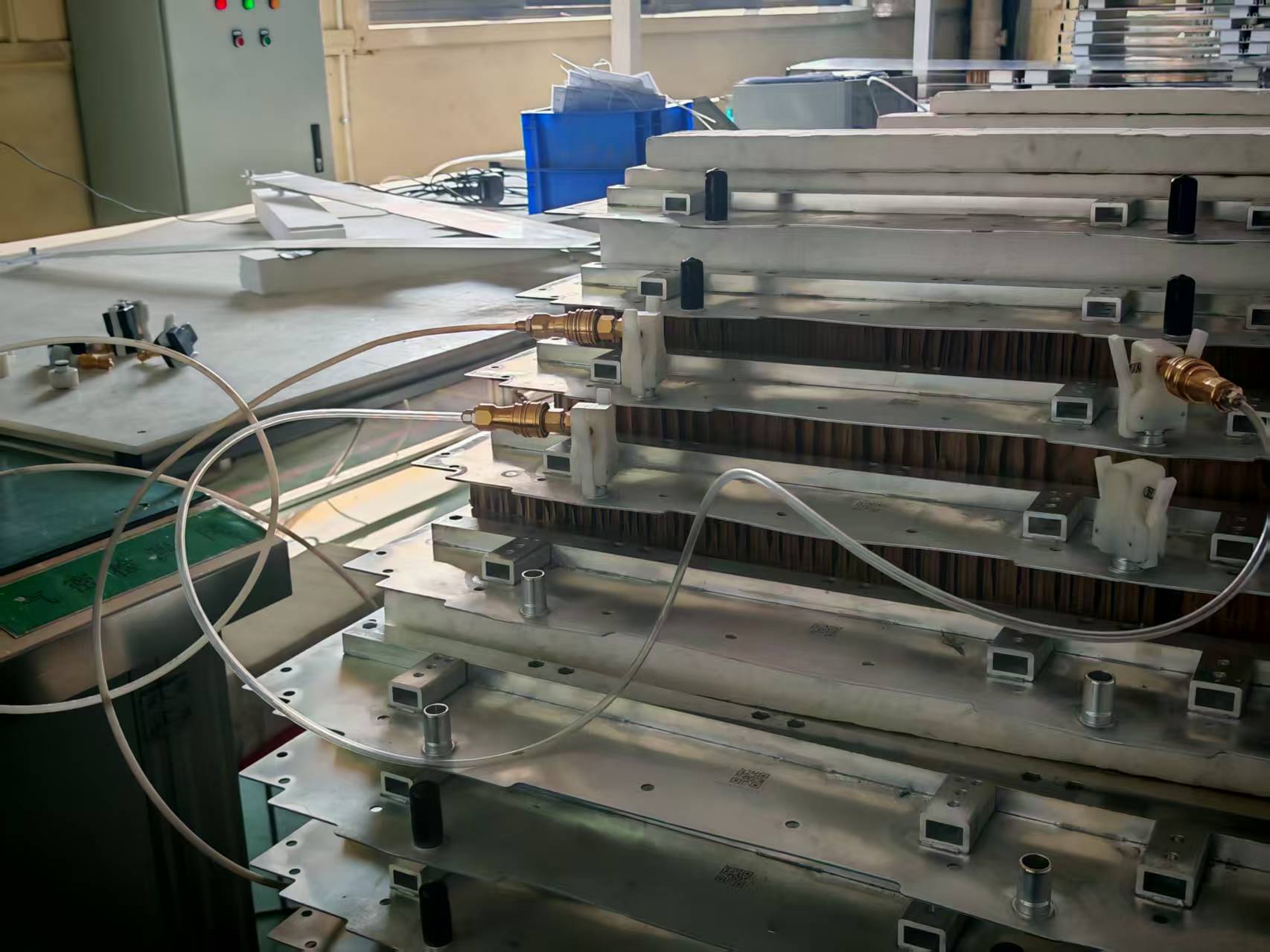
Figure 2: Air tightness testing is a standard 100% quality control procedure for cooling plates.
2.3 Supply Chain and Commercial Terms
- Customization Capability: Suppliers should offer customization of dimensions, cooling efficiency, and integration features (e.g., mounting points, port locations). OEM production services are standard.
- Production Capacity & Lead Time: Assess the supplier's scale. For example, some manufacturers report a monthly production capacity of 500,000 units with a typical lead time of 30 days. Minimum order quantities (MOQ) can be as low as 1 unit for prototyping.
- Cost Analysis: While initial unit cost is important, consider the total cost of ownership. Stamped cooling plates often offer a cost advantage. A comparative analysis might show that a stamped aluminum solution can offer a 30% lower cost compared to traditional copper tube cold plates, alongside benefits like less maintenance and suitability for EV/ESS scenarios.
- Logistics & Payment: Standard incoterms are FOB and CIF. Common payment terms are a 30% deposit with 70% due before shipment, with acceptance typically involving pre-shipment testing.
3. Technology Comparison and Industry Trends
The choice between manufacturing technologies has significant implications.
Stamped vs. CNC vs. Brazed Plates: A 2026 Perspective
Stamped Cooling Plates are gaining dominance for high-volume EV platforms due to production speed and cost-effectiveness. Compared to CNC-machined cold plates, stamped versions can decrease production time by approximately 60% and offer around 10% lower cost, while maintaining higher efficiency for battery pack thermal management.
Brazing Cooling Plate technology allows for more complex, multi-pass internal geometries, which can enhance thermal performance in space-constrained or high-heat-flux applications.
The trend for 2026-2035 is towards hybrid approaches and greater integration, where the cooling plate also serves as a structural component of the battery module.
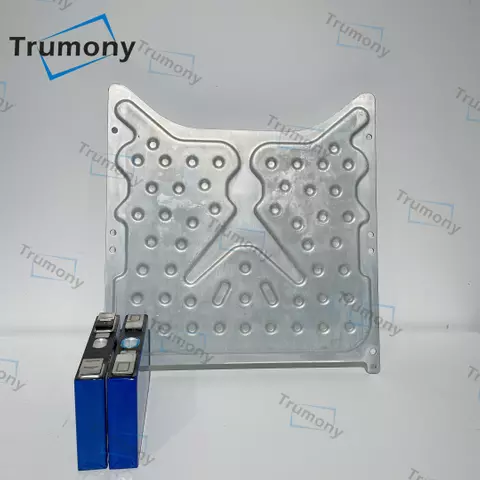
Figure 3: Stamping process used for high-volume manufacturing of aluminum cold plates.
4. Evaluating Manufacturers: Capabilities and Track Record
Beyond specifications, evaluating a supplier's proven experience is crucial.
4.1 Manufacturer Profile: Trumony Aluminum Limited
As an example of a specialized supplier, Trumony Aluminum Limited, founded in 2017, operates a 100,000 m² manufacturing facility and employs approximately 220 staff, including an R&D team of 25 engineers. The company specializes in thermal management solutions, including battery cooling components like cold plates and cooling tubes. Its annual production capacity reaches 600,000 units, with export business accounting for 40% of total sales, serving major markets in the EU, USA, and India.
The company's services encompass battery thermal management solutions, liquid cooling system development, design, and the supply of components such as liquid-cooling components for power battery packs and energy storage battery packs.
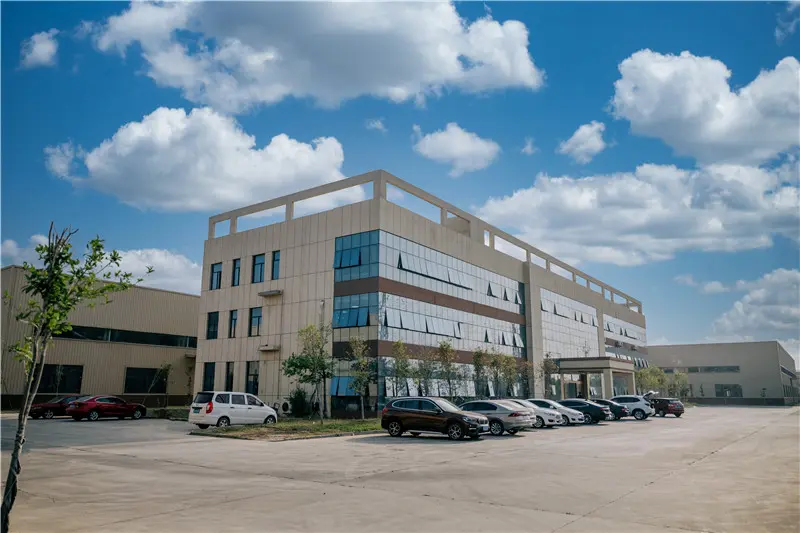
Figure 4: A view of a modern manufacturing facility for thermal management components.
4.2 Case Studies and Application Validation
Reviewing application cases provides insight into real-world performance:
- Automotive OEM in Germany: A project involved 2,000 units installed for paint shop purposes (related thermal management), completed within 2 years, achieving stable operation with low noise as a key highlight.
- Automotive OEM in Vietnam: A large-scale project for battery pack cooling involved 60,000 units. The project, completed within a 20-year lifecycle context, resulted in stable operation, with highlights including low cost, high quality, and low noise.
- ESS PACK OEM in China: For an energy storage system container project, 3,000 units were installed. The project was completed within a 15-year framework, achieving stable operation with key highlights being low noise, low cost, and fast lead time.
These cases demonstrate application across both electric vehicle cooling plate and cooling plate for BESS (Battery Energy Storage System) scenarios, highlighting the technology's versatility.
5. Procurement Checklist and Next Steps
- Define Requirements: Specify thermal performance (heat load, temperature range), physical dimensions, material (Aluminum 3003), connection types, and any special coatings (epoxy).
- Shortlist Suppliers: Identify manufacturers with relevant certifications (IATF 16949, ISO 9001), adequate scale (e.g., 500,000 units/month capacity), and proven EV/ESS industry experience.
- Request for Quotation (RFQ): Provide detailed specs. Inquire about customization (dimension, cooling efficiency, logo), MOQ (can be 1 unit), lead time (~30 days), quality control procedures, and payment terms (e.g., 30/70).
- Evaluate Samples & Audit: Conduct technical validation of samples for leakage, thermal performance, and durability. Consider a factory audit to assess processes like stamping, brazing, and 100% air tightness testing.
- Finalize Agreement: Clarify delivery terms (FOB/CIF), after-sales support (remote technical support), and long-term supply conditions.
For further technical specifications or to discuss project requirements, Trumony Aluminum Limited can be contacted via email at tracy@trumony.com or by phone/WhatsApp at +86 13584862808.
Disclaimer: This guide is for informational purposes based on publicly available industry data and manufacturer-provided specifications as of early 2026. Performance data and commercial terms are illustrative and subject to specific project requirements and supplier capabilities. Procurement decisions should be based on direct consultation and validation with qualified suppliers.