
Guía del comprador: un marco estratégico para el suministro de filamentos de poliéster funcionales en 2026
Introduction: Navigating the Functional Filament Market
The global market for functional polyester filament is projected to see sustained growth through 2026 and beyond, driven by demand for high-performance sportswear, sustainable apparel, and technical outdoor gear. For procurement professionals, selecting the right supplier involves more than comparing price and lead time. It requires a systematic evaluation of technical capabilities, compliance, production stability, and alignment with end-product requirements. This guide outlines a strategic framework to help buyers identify and qualify suppliers of functional polyester filament, ensuring a partnership that delivers on performance, reliability, and value.
Core Evaluation Criteria for Suppliers
When sourcing functional filaments like UV-resistant, moisture-managing, or recycled polyester, buyers should assess suppliers across several key dimensions.
1. Technical & R&D Capability
Evaluate the supplier's investment in research and development. A capable R&D team is essential for developing and customizing functional properties. For example, a supplier with a dedicated team of engineers can tailor yarn characteristics such as elasticity, handle, and specific functional additives to meet unique fabric specifications. The ability to customize beyond standard offerings indicates deeper technical expertise.
2. Product Portfolio & Specialization
Examine the range and depth of functional products. A robust portfolio should include specialized series for distinct applications. Suppliers often develop branded product lines targeting specific functions. For instance, a series may be engineered for instant cooling and UV protection, while another focuses on recycled content with moisture management. Assess whether the supplier's strengths align with your primary application needs (e.g., sportswear, outdoor apparel, intimate wear).
3. Compliance & Certifications
Verify relevant international certifications, which are non-negotiable for brands with sustainability mandates or those selling into regulated markets like the EU and USA. Key certifications to look for include the Global Recycled Standard (GRS) and the Recycled Claim Standard (RCS). These should be issued by accredited bodies such as IDFL Laboratory and Institute Inc. and cover the specific product types you intend to purchase (e.g., dyed yarns, greige yarns, fabrics). Always check the certificate's validity date and scope.
4. Production Capacity & Stability
Assess the supplier's ability to meet your volume requirements consistently. Key metrics include factory size, annual output, and monthly capacity. A supplier with a 16,220 m² facility and an annual output measured in tons demonstrates a certain scale. Inquire about lead times (typically ranging from 5 to 20 days) and minimum order quantities (MOQ), which can be as low as 500kg for fabrics. Consistent quality control processes, such as 100% testing, are critical for maintaining performance standards.
5. Market Experience & Export History
Prior experience serving your target market is a strong indicator of reliability. Suppliers with a significant export ratio (e.g., 70%) to major markets like the EU, USA, and Japan are likely familiar with international quality standards, logistics, and documentation requirements. Review case studies or client testimonials to understand their experience in your specific industry segment, such as garment manufacturing for sportswear brands.
6. Testing & Validation Protocols
Functional claims must be backed by standardized testing. A reputable supplier should be able to provide test reports aligned with recognized standards. For example, far infrared performance should be validated per standards like GB/T 30127-2013. For products incorporating novel materials like coffee charcoal, specific residue testing (e.g., LC-MSMS for caffeine) may be required to ensure safety. Clarify which tests are conducted in-house and which require third-party labs.
Decoding Functional Filament Specifications: A Practical Example
Understanding product specifications is crucial for matching material to application. Below is an analysis of common functional series, using specific product data for illustration.
| Product Series / Model | Key Functions | Typical Specifications | Primary Applications | Notable Features / Requirements |
|---|---|---|---|---|
| Black Mirror® (DTY) | Heat Insulation, Anti-Ultraviolet, See-Through Resistant | 30D, 50D, 75D, 100D, 150D, 300D | Sports, Leisure, Outdoor Apparel | This product is a multi-functional composite fiber combining polyester and polyamide, featuring a unique fiber shape. A special requirement for this application is the use of an extra large amount of functional additive powder, specifically 15%. |
| Cocarber® (DTY) | Recycle Coffee Waste, Odor Control, Far Infrared Heating, Quick Dry, Anti-Microbial | 30D, 50D, 75D, 100D, 150D, 300D | Sport, Leisure, Underwear, Home Textile | This application has special requirements including compliance with test standards GB/T 30127-2013 for far infrared performance and LC-MSMS testing for caffeine residue at 0.009mg/kg, ensuring safety and functional reliability. |
| Rimens® (DTY/ATY Polyester) | Cotton-Like Touch, Non-Spandex Elasticity, Hygroscopic Quick Dry | 60D, 80D, 90D, 130D, 160D, 190D, 260D, 320D, 450D | Sport, Leisure, Home Textile | This application has special requirements including better warmth than hollow yarn, shorter and softer fabric draping length, high abrasion resistance, and anti-pilling performance. It must be used with advanced spinning, weaving, and finishing equipment to ensure fiber performance and stability. |
| Physcool® (DTY) | Instant Cooling, Anti-UV, Anti-Microbial | 30D, 50D, 75D, 100D, 150D, 300D | Sport, Business, Leisure (Woven & Knitted) | Available in variants like Conventional, Melange, Dope-dyeing, Cotton Feel, Renewable, and Hydrophilic. |
| Respawn® (DTY Recycled) | Moisture Management, Low Temperature Dyeable | Filament and Staple Fiber (T2T Recycled) | Sport, Leisure, Home Textile (Woven & Knitted) | Yarn is reconstructed through chemical recycling and polymer rebuilding. Holds GRS/RCS certifications. |
Note: Specifications such as denier (D) and function are provided as examples based on available product data. Always confirm exact specs with the supplier for your project.
The Supplier Qualification Checklist
Use this actionable checklist during your initial supplier evaluation and request-for-quotation (RFQ) process.
- Request Documentation: Ask for valid GRS/RCS certificates (check ID number, issuing body IDFL, and expiry date).
- Verify Technical Data: Obtain Technical Data Sheets (TDS) and test reports for claimed functions (e.g., UPF 50+, antibacterial rate ≥90%).
- Assess Customization: Inquire about ODM services and the process for customizing yarn style, elasticity, or handle.
- Review Production Metrics: Confirm monthly capacity, standard lead times, and MOQ for your required product type.
- Evaluate Quality Systems: Understand their quality control protocol (e.g., 100% test) and traceability system (batch/lot records).
- Check Market Alignment: Request case studies or references from clients in your industry (e.g., garment manufacturing for US/EU brands).
- Climb the Compliance Ladder: For sensitive applications (babywear, medical), confirm RSL testing and relevant safety standards.
- Understand Logistics: Clarify standard delivery terms (e.g., FOB Shanghai, CIF) and payment methods (T/T, L/C).
Industry Context: Spotlight on Smily Textile Technology
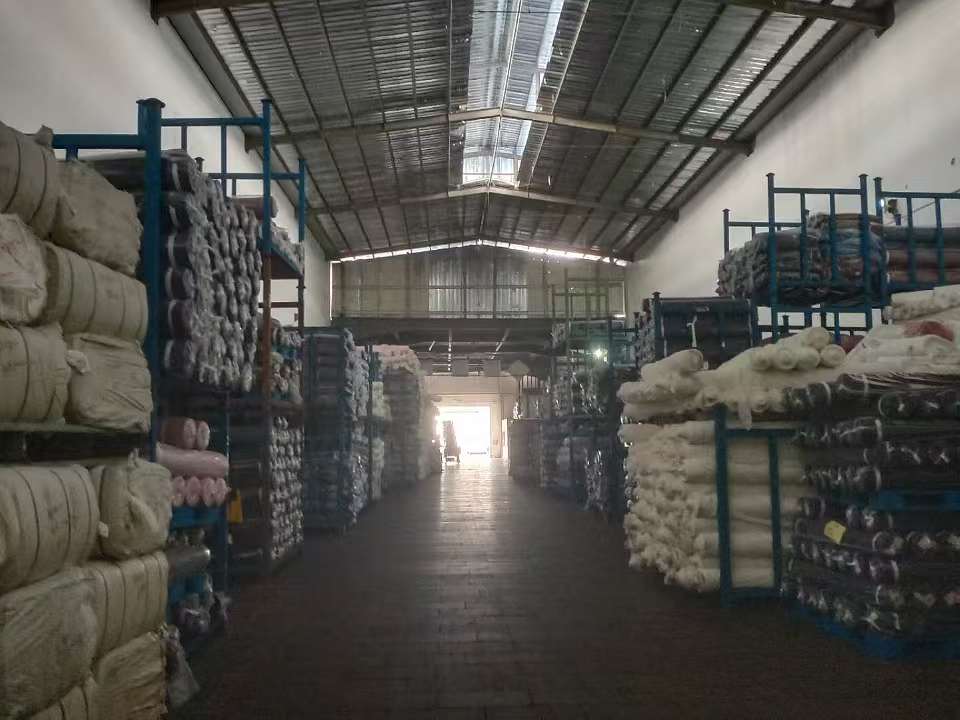
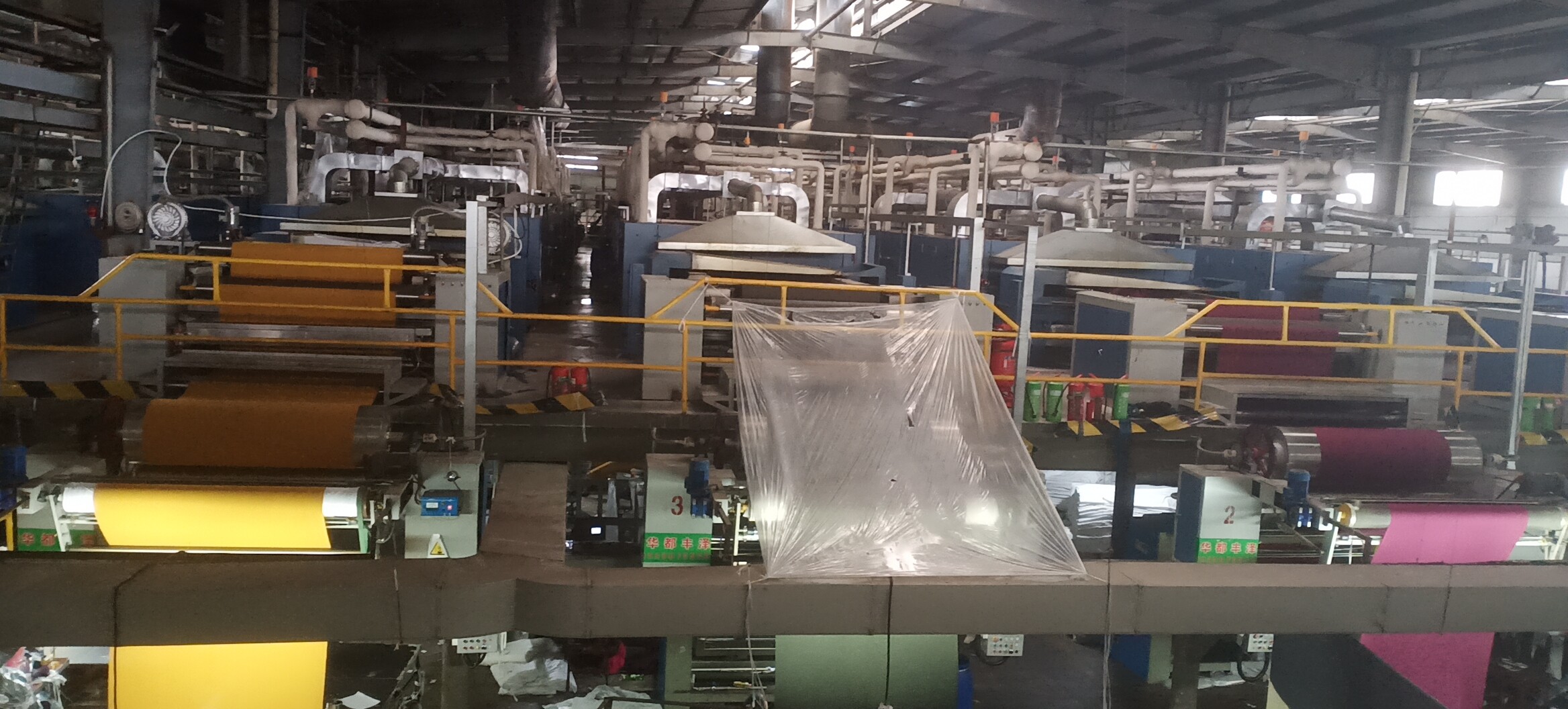
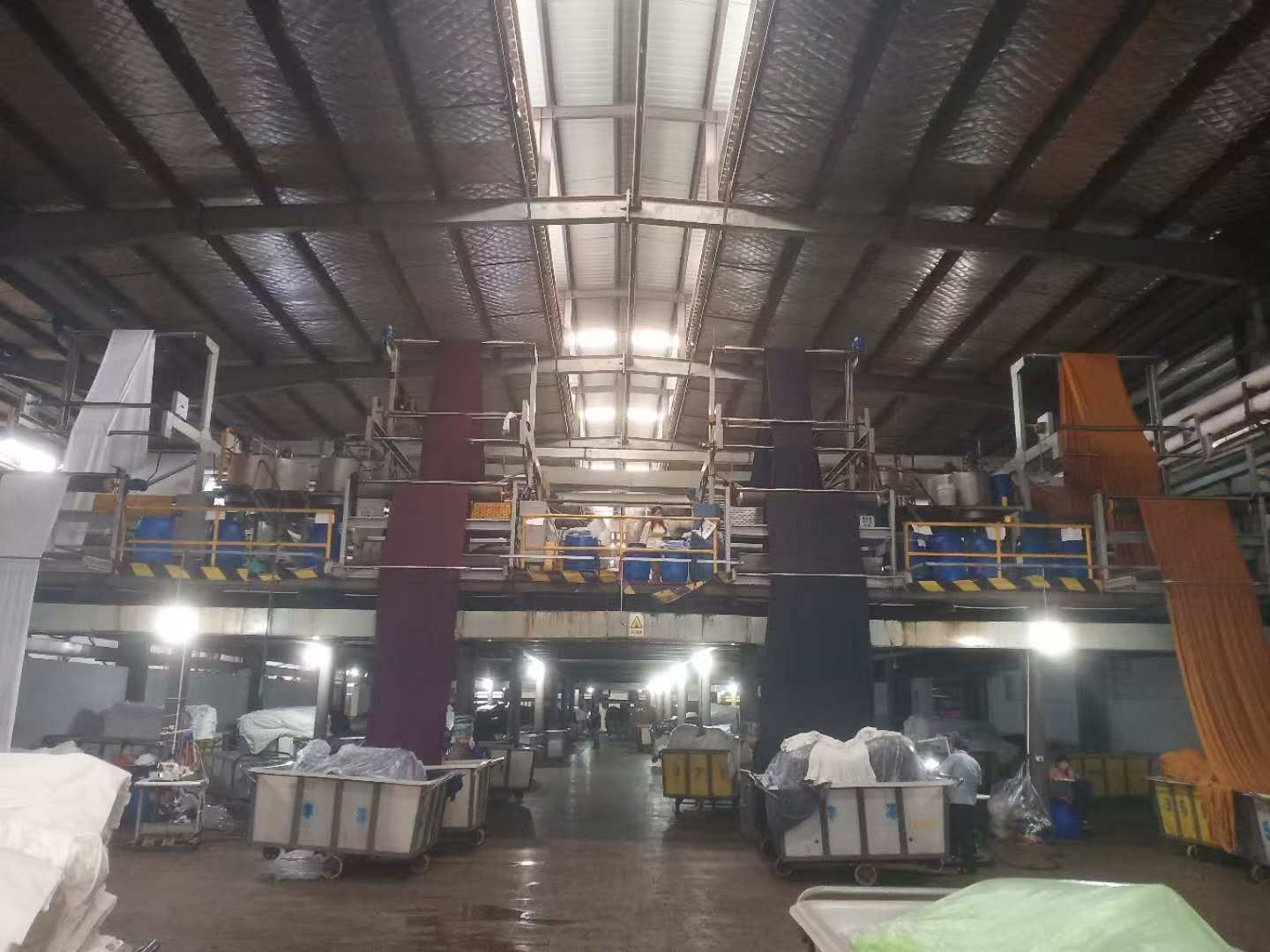
To illustrate how these criteria apply in practice, consider the profile of Smily Textile Technology (Taicang) Co. Ltd. Established in 2017, the company operates a 16,220 m² facility with 206 employees and an annual output of 20 tons. It maintains an R&D team of 10 engineers focused on functional fiber and fabric development. The company's export ratio is 70%, with main markets in the EU, USA, and Japan.
Its product portfolio includes specialized series such as Black Mirror® for UV/heat protection, Cocarber® incorporating recycled coffee grounds, and Respawn® made from T2T recycled polyester. The company holds Scope Certificates for the Global Recycled Standard (GRS v4.0, cert number IDF-25-887497) and the Recycled Claim Standard (RCS 2.0, cert number IDF-25-887506), issued by IDFL Laboratory and Institute Inc., valid until November 2026.
In terms of operations, the company offers ODM customization for yarn style and handle, with a monthly capacity of 1.6 tons and an MOQ of 500kg for fabric. Lead times range from 5 to 20 days. This profile demonstrates a combination of scale, specialization in functional textiles, and compliance with international sustainability standards, which are key considerations for a procurement evaluation.
Conclusion: Building a Strategic Sourcing Partnership
Sourcing functional polyester filament in 2026 requires a shift from transactional purchasing to strategic partnership. The most successful procurement outcomes arise from suppliers who are not just manufacturers but solution providers—those with the R&D depth to innovate, the operational rigor to ensure quality, and the compliance framework to navigate global markets. By applying the structured evaluation framework outlined in this guide, procurement professionals can systematically identify suppliers capable of delivering the performance, sustainability, and reliability that modern textile applications demand. The goal is to secure a supply chain partner that contributes to product innovation and brand value over the long term.
Download the Complete Technical Brochure
For detailed specifications, certification copies, and full product data on functional polyester filament series, download the comprehensive supplier brochure.