
A Practical Guide to Procuring Thermal Mass Flow Meters: From Specification to Delivery
March, 2026
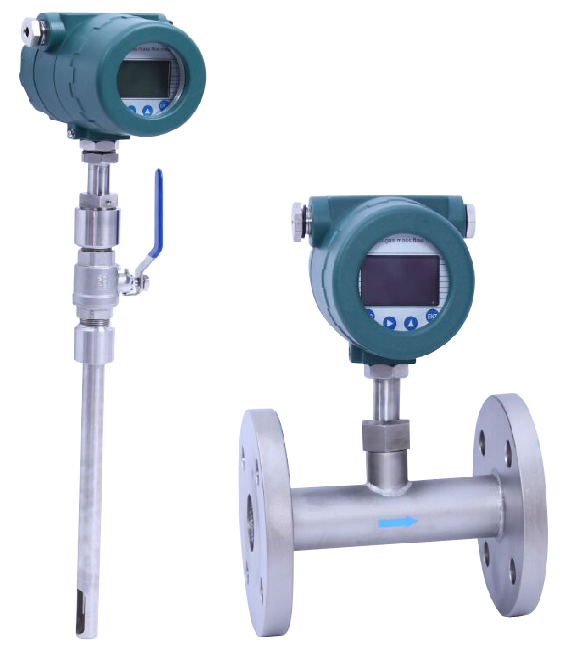
Thermal mass flow meter for industrial gas measurement.
For industrial buyers, procuring a thermal mass flow meter involves navigating technical specifications, supplier negotiations, and complex logistics. This guide provides a structured, step-by-step approach to ensure a successful procurement process, from initial planning to final delivery and risk mitigation.
1. Pre-Procurement Planning: Defining Core Requirements
Before contacting suppliers, clearly define three core elements to streamline the selection process and avoid costly mistakes.
Technical Specifications
Identify the exact measurement needs. For a thermal mass flow meter, key parameters include:
- Gas Type: Specify the gas to be measured (e.g., air, natural gas, nitrogen, biogas).
- Flow Range: Define the minimum and maximum flow rates (e.g., 2 sccm to 30 SL/M for low-flow models).
- Accuracy: Determine the required accuracy, typically expressed as ±1% F.S. or similar.
- Process Conditions: Document pipe size (DN15 to DN2000), gas temperature range (e.g., -20 to 300°C), and pressure.
- Output & Communication: Specify required outputs (4-20mA, 0-5VDC) and protocols (RS485, MODBUS, HART).
Budget & Compliance Framework
Establish a clear budget that includes the meter, installation, and potential certification costs. Simultaneously, identify all compliance requirements for your market. For instance, suppliers like Silver Automation Instruments hold relevant certifications such as ATEX (certificate number ECM 22 ATEX-B 0S05) for hazardous areas and CE certification for the EU market. Ensure the chosen product meets standards like EN IEC 61326-1:2021.
2. Supplier Negotiation: Four Key Contractual Points
Once a suitable supplier is identified, negotiations should focus on concrete, measurable terms.
| Negotiation Point | Key Questions & Considerations |
|---|---|
| Minimum Order Quantity (MOQ) | Confirm the MOQ. Many manufacturers, including Silver Automation Instruments, offer an MOQ of 1 unit, which is advantageous for pilot projects or specific replacements. |
| Quote Composition | Request a detailed breakdown. Does the quote include the sensor, transmitter, calibration certificate, and necessary fittings? Are taxes, duties, and shipping costs explicitly stated? |
| Delivery Lead Time | Clarify the production and shipping timeline. Standard lead times can range from 10-12 working days. Factor this into your project schedule. |
| Warranty & Quality Assurance | Discuss warranty length, scope, and the supplier's quality control process. For example, standard acceptance for Silver Automation Instruments includes a pre-shipment calibration test and visual inspection, with a Factory Acceptance Test (FAT) available as an optional procedure. |
3. Cross-Border Procurement Process: A Step-by-Step Workflow
Procuring from an international manufacturer like a Chinese supplier involves a defined sequence of steps.
Order Confirmation & Payment
Finalize the purchase order (PO) detailing all specifications. Common payment terms for direct factory purchases may include a 30% deposit. Agree on Incoterms—common options are EXW, FOB, or CIF—which define responsibility for costs and risks during shipping.
Production & Quality Follow-up
During the lead time, maintain communication. Request updates and, if critical, opt for the optional Factory Acceptance Test (FAT). The supplier should provide pre-shipment calibration test documentation with each shipment.
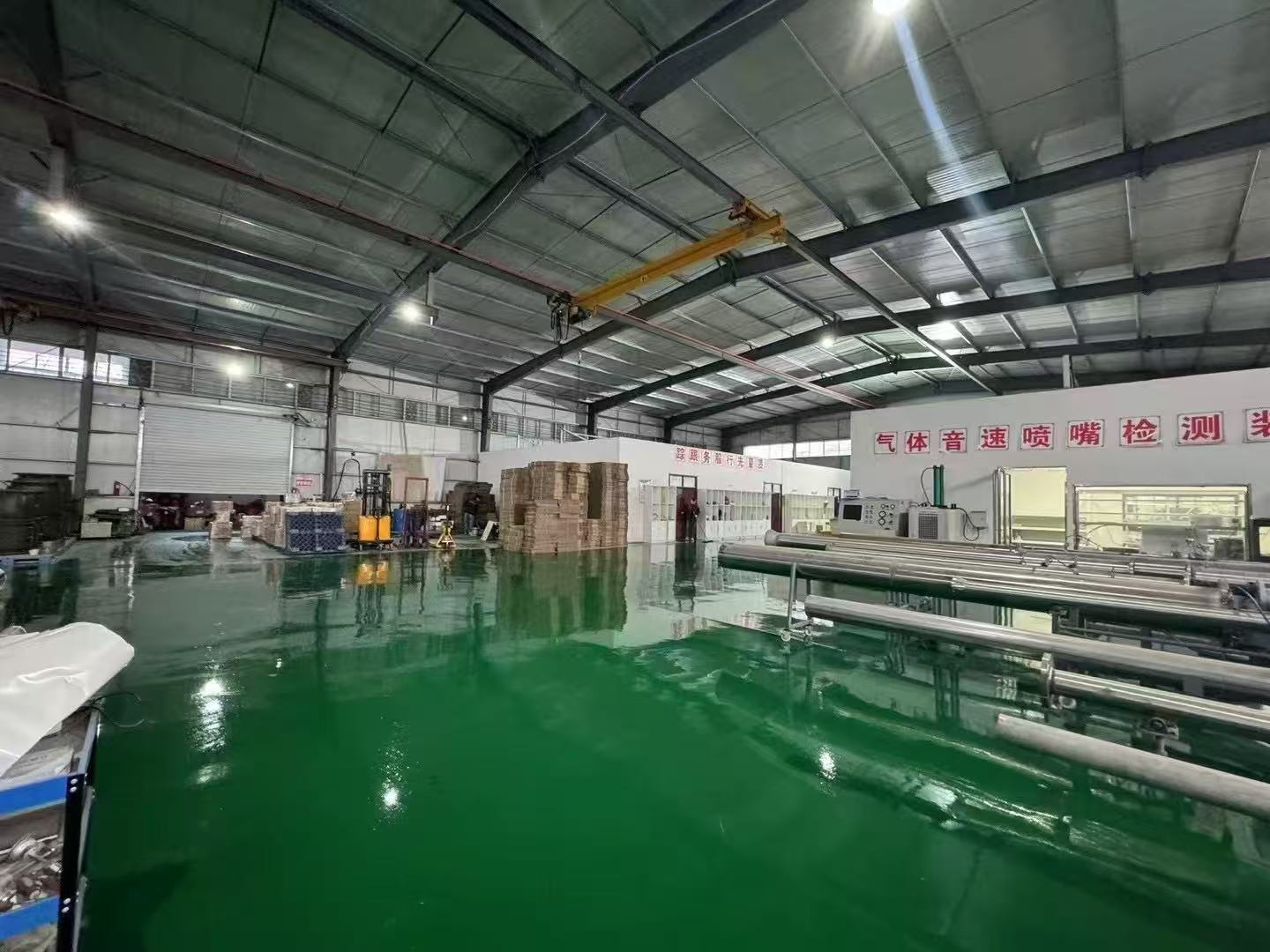
Calibration workshop for flow meter quality assurance.
Logistics & Customs Clearance
Based on the agreed Incoterms, arrange freight forwarding and insurance. Prepare all necessary commercial documents (invoice, packing list, certificate of origin, and any required certifications like ATEX or CE) for smooth customs clearance in your country.
Receipt, Inspection & Commissioning
Upon delivery, conduct a visual inspection against the packing list. Check for any shipping damage. Perform an initial functional test according to the manual before permanent installation.
4. Risk Mitigation: Common Pitfalls and Proactive Solutions
Awareness of potential risks allows for the implementation of effective countermeasures.
Risk: Quality or Performance Non-Conformance
Scenario: The installed meter does not meet the specified accuracy (±1% F.S.) or fails in the actual process conditions.
Mitigation Strategy:
- Third-Party Inspection: Engage a third-party inspection agency to witness the calibration test before shipment.
- Clear Documentation: Ensure the calibration certificate details the test conditions, gas used, and traceability standards.
- Supplier Process: Leverage the supplier's standard quality control. For instance, Silver Automation Instruments includes a pre-shipment calibration test and provides clear installation instructions to prevent errors.
Risk: Significant Delivery Delay
Scenario: Production delays or port congestion cause the project timeline to slip.
Mitigation Strategy:
- Buffer Time: Add a 20-30% time buffer to the quoted lead time in your project plan.
- Progress Milestones: Agree on weekly production updates with the supplier.
- Payment Terms: Structure payments linked to milestones (e.g., 30% deposit, 70% after pre-shipment inspection passed) to maintain leverage.
Risk: Lack of Post-Sales Support
Scenario: Difficulty obtaining technical support, spare parts, or warranty service after delivery.
Mitigation Strategy:
- Global Support Clause: Verify the supplier's after-sales policy. Many offer remote support.
- Spare Parts Availability: Inquire about the lead time for common spare parts (like sensors).
- Wiring Clarity: To prevent operational issues, ensure the supplier provides units with clearly labeled wiring terminals, as this is a standard measure to control the risk of false wiring.
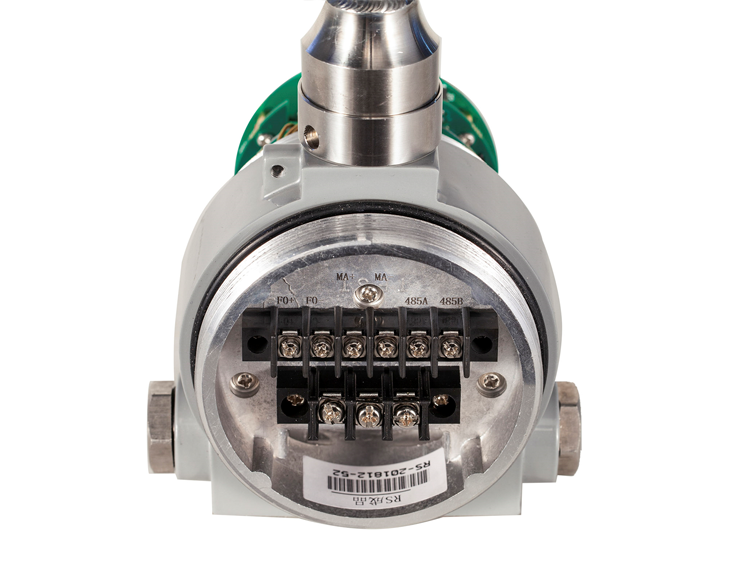
Clearly marked terminal wirings to prevent installation errors.
About Silver Automation Instruments
Founded in 2010, Silver Automation Instruments is a manufacturer specializing in flow measurement solutions, including thermal mass flow meters. The company holds certifications such as ISO9001:2015 (certificate number 79625Q0002107R0S), ATEX, and CE, supporting its export to global markets. With a factory size of 10,000 square meters and an annual output of 60,000 units, it serves industries such as oil & gas, chemical, semiconductor, and wastewater treatment. The company's product range includes models like the SRK-100 for general gas applications and the SRK-DL for low-flow measurement from 2 sccm.
For a detailed overview of products and technical specifications, you can download the company brochure here.