
Una guía del comprador para seleccionar la tecnología adecuada del medidor de flujo de masa
1. Understanding Mass Flow Meter Technologies
Selecting the correct mass flow meter begins with understanding the core technologies available. Each principle is suited to specific media, flow ranges, and process conditions.
| Technology | Measurement Principle | Typical Media | Key Industries | Primary Considerations |
|---|---|---|---|---|
| Coriolis Mass Flow Meter | Measures mass flow directly via Coriolis force effect on vibrating tubes. | Liquids, gases, slurries, high-viscosity fluids (e.g., crude oil, syrup, liquid oxygen). | Oil & Gas, Chemical, Food & Beverage, Pharmaceutical, Power Generation. | High accuracy (±0.1–0.5%), measures density & temperature, no straight-pipe requirement, handles dirty fluids. |
| Thermal Mass Flow Meter | Measures heat transfer from a heated sensor to the flowing gas. | Gases (air, natural gas, biogas, compressed air, nitrogen, oxygen). | Oil & Gas, Chemical, Semiconductor, Food & Beverage, Wastewater Treatment. | Good for low flows, measures gas mass flow directly, no temperature/pressure compensation needed for most gases. |
| Vortex Steam Flow Meter | Measures vortex shedding frequency behind a bluff body. | Saturated and superheated steam. | Power Generation, Chemical, Petrochemical, Food, Pharmaceutical, District Heating. | Requires temperature and pressure compensation for mass flow, suitable for high temperatures. |
For example, a Coriolis mass flow meter like the model SH-CM is constructed from stainless steel 316L and can be used as a high-pressure, cryogenic, fuel, or gas mass flow meter. It finds application across industries including Oil & Gas, Chemical & Petrochemical, Food & Beverage, and Pharmaceutical & Biotech.
A Thermal mass flow meter, such as the model SRK-100, is designed for measuring gases including air, compressed air, N₂, natural gas, biogas, O₂, and LPG. It is used in industries such as Oil & Gas for natural gas measurement and flare gas monitoring, and in Semiconductor manufacturing for precise control of ultra-pure gases.
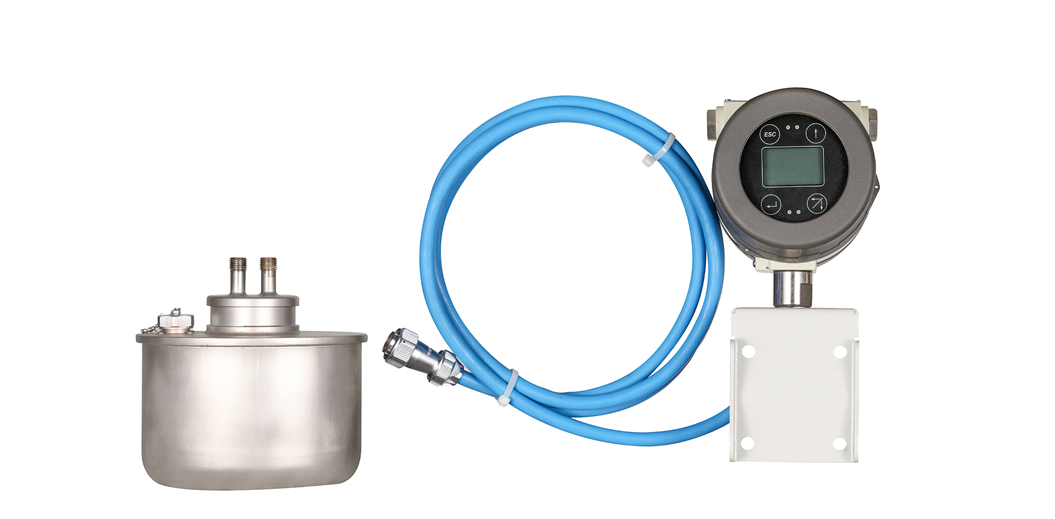
Coriolis meters are often selected for custody transfer of fuels and crude oil due to their high accuracy and ability to handle varying fluid properties.
2. Defining Your Application Requirements
A clear specification of your process parameters is critical for narrowing down suitable meter types and models.
- Media Type: Identify if you are measuring a liquid, gas, or steam. Consider fluid properties like viscosity (e.g., syrup, asphalt), corrosiveness (e.g., chlorine gas), purity (e.g., semiconductor gases), or the presence of solids (e.g., crude oil).
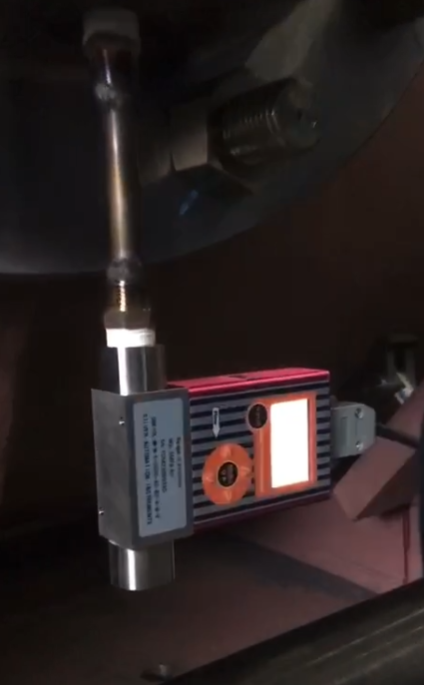
- Flow Range (Turndown Ratio): Define the minimum and maximum expected flow rates. For very low flows, such as 2 sccm (standard cubic centimeters per minute) for air leak detection, a micro thermal mass flow meter (e.g., model SRK-DL) is required.
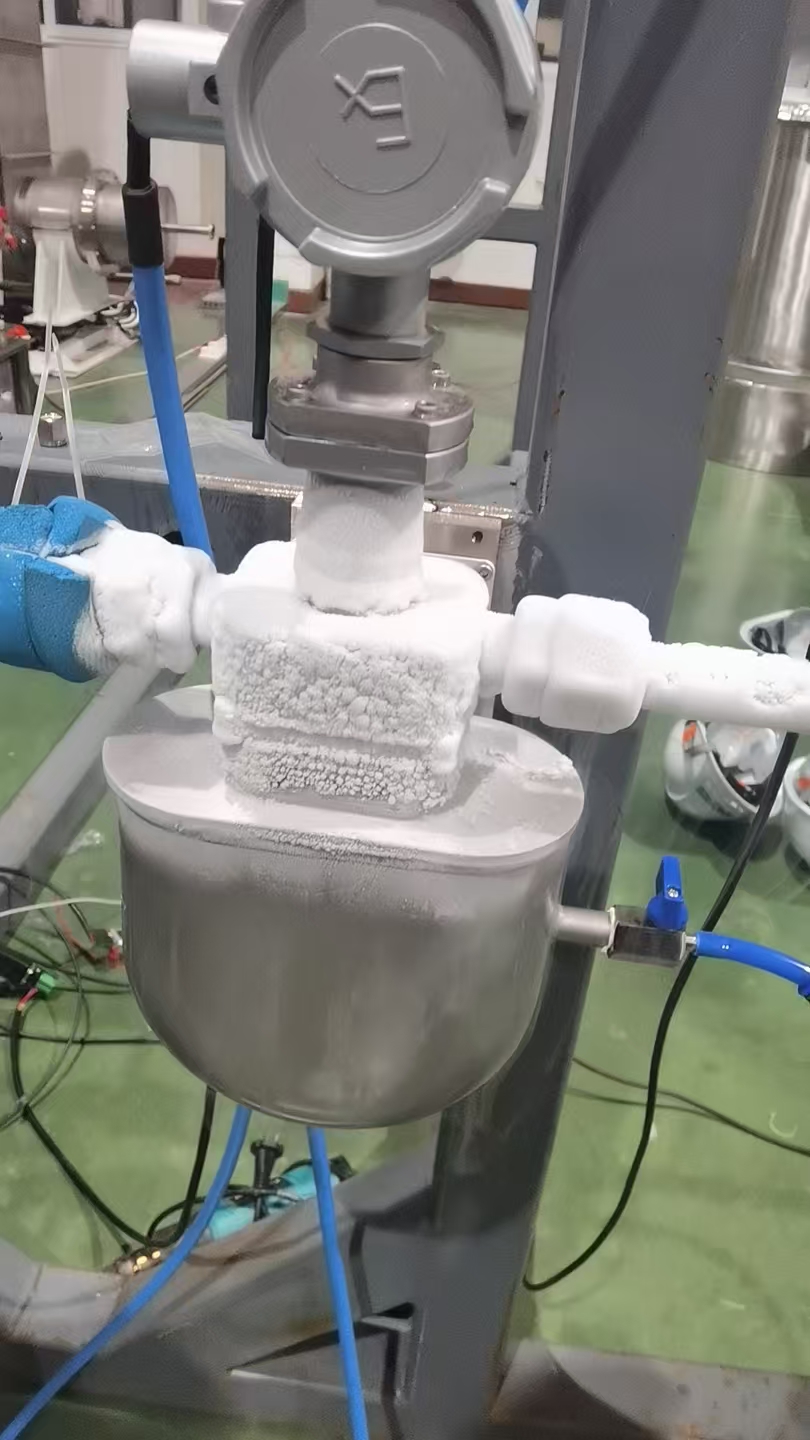
- Process Conditions: Specify operating pressure and temperature. For high-pressure applications like nitrogen at 700 bar, or cryogenic applications like liquid oxygen at -183°C, the meter must have a corresponding pressure rating and be constructed from suitable materials like austenitic stainless steel.
- Accuracy Needs: Determine the required measurement accuracy. Custody transfer applications (e.g., crude oil, diesel) typically require ±0.5% or better, while general process monitoring may tolerate ±1%.
- Output & Communication: Define required outputs (4-20mA, pulse) and communication protocols (RS485, MODBUS, HART, Profibus) for integration with your DCS/PLC control systems.
- Installation Environment: Assess if the installation is in a hazardous area requiring ATEX/IECEx certification for Zones 1 or 2, or if it is an outdoor installation exposed to weather.
3. Key Selection Criteria and Evaluation Checklist
Use this checklist to systematically evaluate potential suppliers and their products.
Technical & Performance Criteria
- Certifications & Standards: Verify relevant industry certifications. For export to the EU, CE marking (e.g., standard EN IEC 61326-1:2021) is essential. For hazardous areas, ATEX certification (e.g., standard IEC 60079-0:2018) is required. A quality management system certified to ISO9001:2015 indicates consistent manufacturing processes.
- Material of Construction: Ensure wetted parts materials are compatible with your process fluid. Stainless steel 304 or 316L is common, while tantalum may be needed for highly corrosive gases like chlorine.
- Calibration & Traceability: Inquire about pre-shipment calibration tests and whether calibration is traceable to national standards.
- Real-World Application Evidence: Request case studies or references from similar applications. For instance, evidence of stable measurement of high-viscosity asphalt at 250°C or biogas in a 4" pipeline at 10 mbar pressure demonstrates proven capability.
Commercial & Supplier Criteria
- Minimum Order Quantity (MOQ): Many manufacturers offer an MOQ of 1 unit, allowing for pilot testing or small-scale projects.
- Lead Time: Standard lead times can range from 7-10 working days for common models to several weeks for custom configurations. Compare this against your project timeline.
- Customization Capability: Assess if the supplier can provide OEM/ODM services, tailor sensor ranges, output signals, or communication protocols to your specific needs.
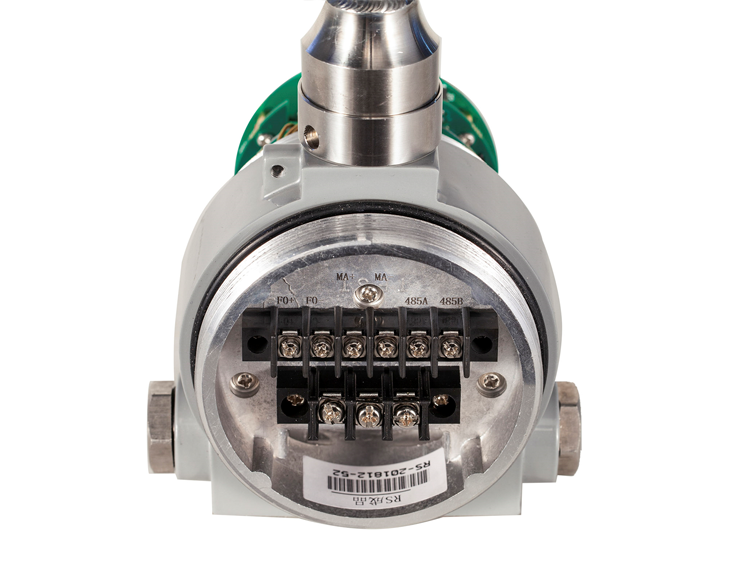
- After-Sales Support: Clarify the scope of warranty, availability of remote technical support, and access to documentation like clearly labeled wiring diagrams to prevent installation errors.
- Total Cost of Ownership (TCO): Consider not only the initial purchase price but also long-term costs related to calibration, maintenance, and potential downtime. Some suppliers offer a significantly lower TCO compared to premium brands.
4. Industry Application Spotlights
Understanding common applications can guide your selection.
Oil & Gas / Petrochemical
Application: Crude oil custody transfer, diesel fuel measurement, natural gas flow.
Typical Choice: Coriolis mass flow meters (e.g., model SH-CM) for liquids; Thermal mass flow meters (e.g., model SRK-100) for gases.
Key Requirements: High accuracy (±0.1–0.5%), ATEX certification for hazardous areas, ability to handle high viscosity and abrasive particles, materials resistant to H₂S and CO₂.
Power & Utilities
Application: Steam flow for energy management, compressed air system monitoring.
Typical Choice: Vortex steam flow meters (e.g., model STLU-VFN) with built-in temperature/pressure compensation; Thermal mass flow meters for compressed air.
Key Requirements: Withstand high temperatures (up to 500°C for steam), accurate mass flow reading, cost-effectiveness for energy audits.
Chemical & Pharmaceutical
Application: Precise batching of high-value liquids, aggressive gas measurement.
Typical Choice: Micro Coriolis mass flow meters/controllers (e.g., model SH-CMF-FE) for liquids; Thermal mass flow meters with special coatings (e.g., PTFE) for corrosive gases.
Key Requirements: High precision, sanitary or clean-in-place (CIP) designs, corrosion-resistant materials.
Semiconductor & Industrial Gases
Application: Ultra-low flow control of process gases, cryogenic liquid measurement (LN₂, LOX).
Typical Choice: Low Flow Thermal mass flow controllers (e.g., model SRK-DL); Cryogenic Coriolis mass flow meters.
Key Requirements: Ability to measure down to sccm levels, ultra-low temperature design with vacuum jacketing, high purity gas compatibility.
Supplier Profile: Silver Automation Instruments
As an example of a specialized manufacturer, Silver Automation Instruments was established in 2010 and has over 15 years of experience in designing and manufacturing instrumentation solutions. The company operates from a 10,000 square meter manufacturing facility with an annual output of 60,000 units and employs approximately 80 staff, including an R&D team of 20 engineers.
The company's main products include Coriolis mass flow meters, thermal mass flow meters, electromagnetic, vortex, turbine, and oval gear flow meters, as well as pressure instruments, level measurement devices, and data logging & control products. Its business focus includes solving measurement challenges with technology and tailor-made solutions for flow, pressure, temperature, or level.
The company holds certifications including CE, ATEX, and ISO9001:2015. It offers an MOQ of 1 unit, with lead times typically around 10-12 working days, and provides OEM/ODM customization.
For detailed technical specifications and product catalogs, you can download the company's brochure.
Download Product Brochure (PDF)For inquiries, contact: Email: sales@silverinstruments.com | Phone: +86 25-52155837
By methodically working through these four sections—understanding technology, defining requirements, applying evaluation criteria, and reviewing industry applications—procurement professionals can make informed, confident decisions when selecting a mass flow meter supplier, ensuring optimal performance and value for their specific operational needs.