
A Practical Framework for Procurement Professionals: Selecting and Evaluating PVC Vinyl Material Suppliers
The global market for PVC vinyl materials is complex and fragmented, with a wide range of suppliers offering products for applications such as slush-molded toys, artificial leather, medical supplies, and food packaging. For procurement managers, identifying a supplier that aligns with specific technical, compliance, and logistical requirements is a critical task. This guide provides a structured, step-by-step framework to streamline the evaluation and selection process.
Step 1: Define Your Technical and Application Requirements
Begin by precisely defining your needs. The required material type depends entirely on the end product and manufacturing process.
| Application | Key Material Types | Critical Parameters to Specify |
|---|---|---|
| PVC Slush Molding Toys | PVC Paste Resins (e.g., PSM-31, LF-71G), Blending Resins (e.g., SB-100C, PBM-B5F), Eco-friendly Plasticizers (e.g., DINCH, DOTP, ATBC) | K-value, paste viscosity, volatile matter, compliance with EN71-3, REACH, absence of phthalates. |
| Medical Devices & Food Contact | Medical-grade PVC Paste Resins (e.g., PSH-10S), Phenol-free Ca/Zn Stabilizers (e.g., SC-135, CZ-2756), Non-toxic Plasticizers (e.g., DINCH, ATBC) | FDA compliance, USP Class VI certification, low migration, non-toxicity data, heavy metal content. |
| Automotive Interiors & Coatings | PVC Coated Materials, High-performance Plasticizers (e.g., Polymeric Polyester W-2050), Viscosity Reducers (e.g., TXIB) | Low VOC, fogging resistance, low-temperature flexibility, adhesion properties. |
Step 2: Evaluate the Supplier's Product Portfolio and Technical Authority
A supplier's range and depth indicate their market understanding and ability to provide solutions.
- Portfolio Breadth: Does the supplier offer a complete range, including resins, plasticizers, stabilizers, and additives?
- Brand Partnerships: Is the supplier an authorized distributor for major chemical manufacturers? This ensures genuine, traceable raw materials.
- Technical Support: Can the supplier provide formula design, formula optimization, and customized production support?
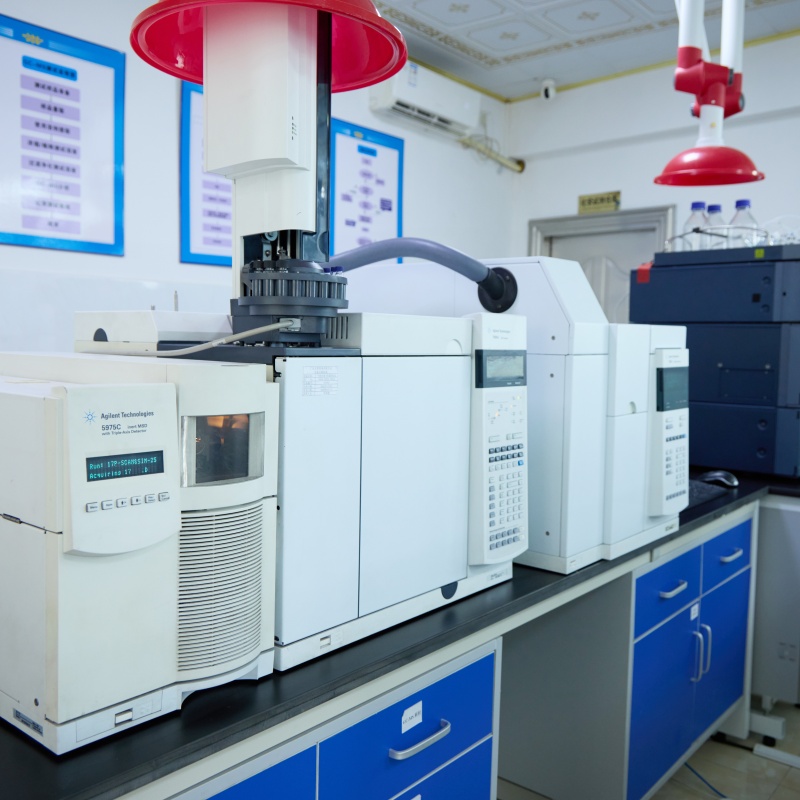
- R&D Capability: Does the supplier have an in-house laboratory for testing and application development?
Step 3: Scrutinize Compliance and Quality Assurance Systems
Regulatory compliance is non-negotiable, especially for toys, medical, and food-contact products.
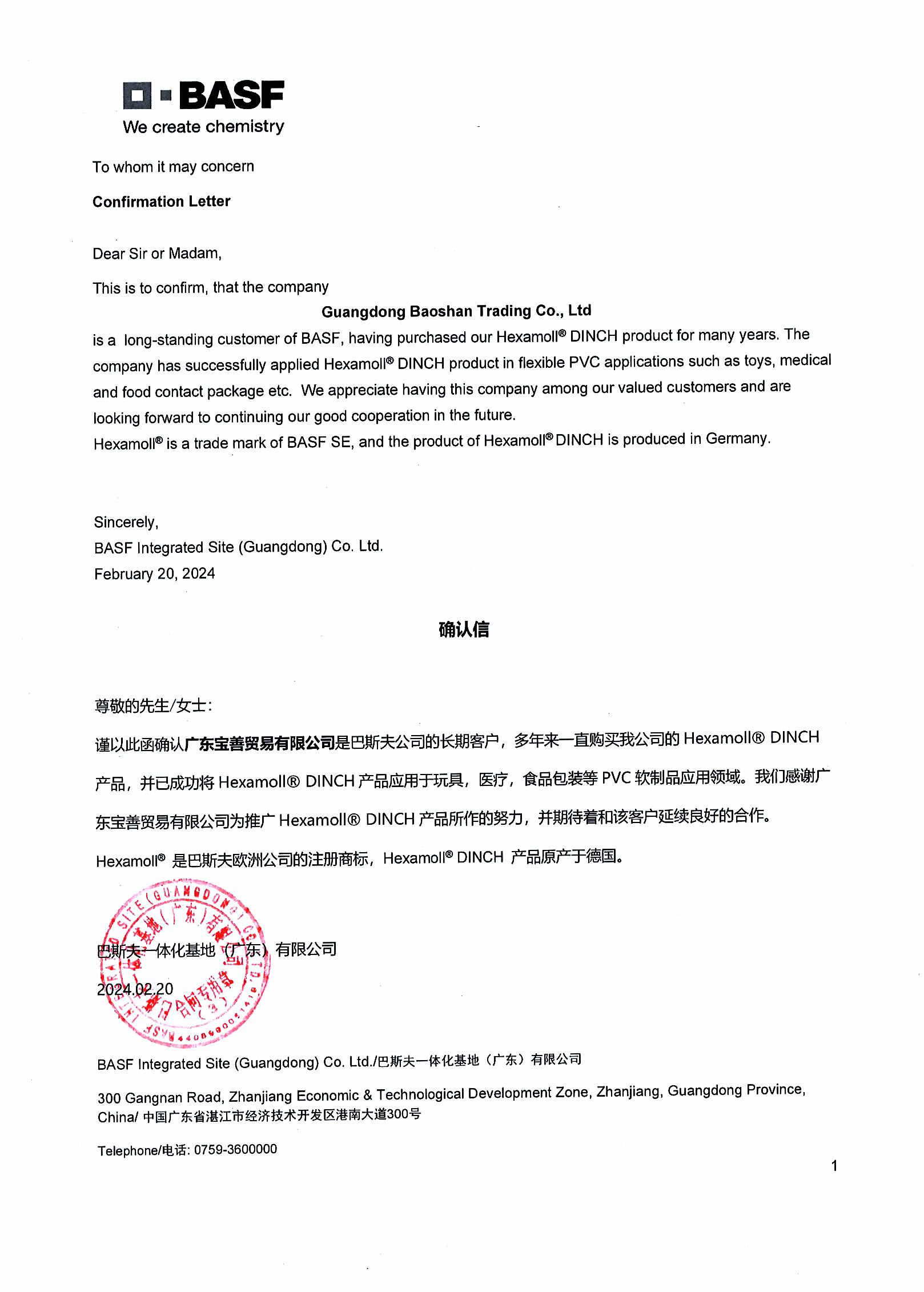
- Certifications: Request valid certificates. Key ones include ISO 9001 for quality management and specific product authorizations (e.g., BASF DINCH distributor certificate, Eastman TXIB distributor certificate).
- Testing Protocols: Does the supplier conduct batch-level testing for restricted substances like phthalates, heavy metals (Pb, Cd), BPA, and PAHs?
- Documentation: Can they provide full compliance documentation, including Material Safety Data Sheets (MSDS), Certificates of Analysis (CoA), and compliance declarations for REACH, RoHS, etc.?
Step 4: Assess Supply Chain Stability and Logistics
Reliable supply is as important as product quality.
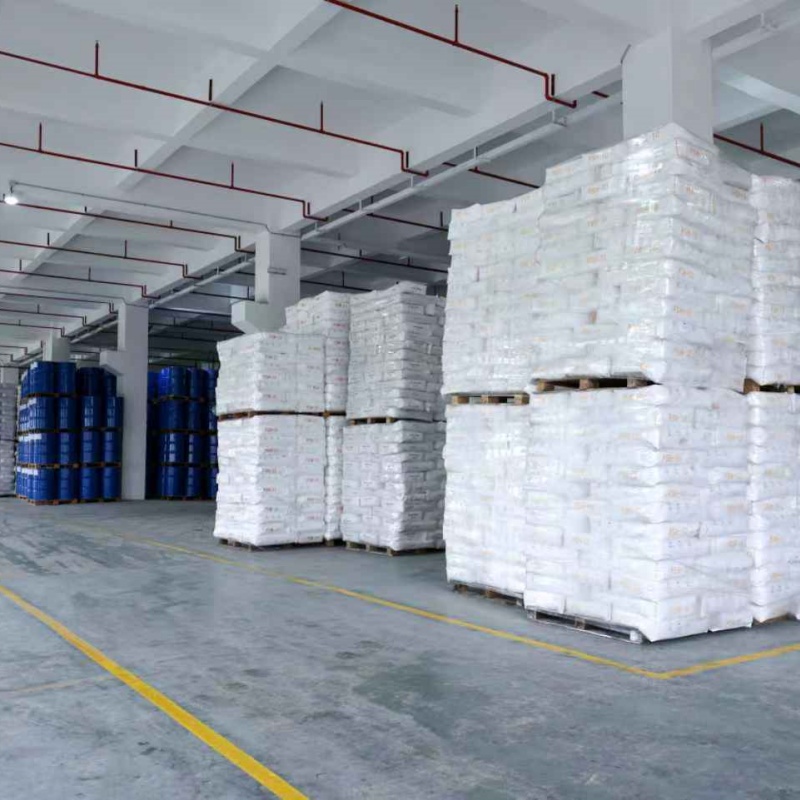
- Inventory Levels: Does the supplier maintain strategic safety stock, especially for imported materials, to buffer against supply chain disruptions?
- Warehousing: Assess the size and condition of their warehouse facilities.
- Lead Times & MOQ: What are standard lead times (e.g., 3-5 days)? What is the Minimum Order Quantity (MOQ) – is it flexible (e.g., 20kg bag, 200kg drum)?
- Logistics Network: Do they have experience with your preferred Incoterms (e.g., FOB, CIF) and destinations?
Step 5: Review After-Sales Support and Case History
Long-term partnership potential depends on support and proven performance.
- After-Sales Services: Do they offer testing services and technical support post-purchase?
- Case Studies: Ask for references in your industry or region. For example, a supplier might have supported a PVC vinyl toy manufacturer in Vietnam, supplying materials for 300 vinyl machines and demonstrating stable molding for consistent toy quality over a two-year period.
- Problem Resolution: Inquire about their process for handling quality complaints or delivery issues.
Illustrative Supplier Profile: Key Attributes to Look For
As an example, a supplier like Guangdong Baoshan Trading Co., Ltd. demonstrates several attributes that align with this evaluation framework:
- Product Portfolio: Offers PVC paste resins (e.g., Kaneka PSH-10S, Formosa Plastics PR-G), blending resins (e.g., Zhongtai PB-1000), eco-friendly plasticizers (BASF Hexamoll® DINCH, DOTP), viscosity reducers (Eastman TXIB™), and phenol-free Ca/Zn stabilizers (e.g., ADK SC-135).
- Technical & Compliance: Operates a high-standard R&D lab equipped with GC-MS, ICP-MS for substance testing. Holds ISO 9001:2015 certification (U23Q2GZ8027959R0S) and is an authorized distributor for BASF DINCH and Eastman TXIB.
- Supply Chain: Maintains a 20,000 m² warehouse and a 3-month safety stock for key European materials. Offers MOQs starting from 20kg/bag.
- Services: Provides General Agent & Trading services, customization including formula design and optimization, and after-sales testing and technical support.
Conclusion: Moving Beyond Price to Value
Selecting a PVC vinyl material supplier is a strategic decision that impacts product quality, regulatory compliance, and production continuity. By applying this structured framework—evaluating technical capability, compliance rigor, supply chain resilience, and support services—procurement professionals can make informed decisions that mitigate risk and build a foundation for a reliable, long-term partnership. The goal is to find a supplier that acts not just as a vendor, but as a solutions partner capable of navigating the complexities of the modern PVC materials market.