Una guía completa para los compradores: Cómo seleccionar el proveedor adecuado de correas de acero y equipos para su proceso industrial
The selection of a reliable steel belt and associated process equipment supplier is a critical decision for procurement managers across industries such as chemical processing, food production, and material manufacturing. The right partner ensures not only the quality and durability of core components like Steel Belts but also the efficiency and longevity of entire production lines, from Sulphur Pastillators to Steel belt bakery tunnel Ovens. This guide outlines a systematic approach to evaluating and selecting a supplier that aligns with your technical, operational, and strategic requirements.
1. Define Your Technical and Application Requirements
Begin by clearly defining your process needs. This goes beyond just specifying a belt dimension. Consider the following:
- Material & Environment: Will the application involve corrosive chemicals, high moisture, or extreme temperatures? This determines the choice between carbon steel belts and Stainless steel belts. For hygienic food applications like a Steamed cake production line or Chocolate Steel Belt Conveyor, austenitic stainless steel is often mandatory.
- Process Type: Is the belt for cooling, heating, conveying, or forming? Equipment like an Epoxy Steel Belt Cooler, Polyester Steel Belt Cooler, or powder painting Steel Belt Flaker each have unique belt performance demands regarding thermal transfer and surface finish.
- Customization Needs: Do you require Perforated belts for airflow, special surface coatings like PTFE coating, or integrated features such as flights for incline conveying? Suppliers should offer these options.
- Equipment Scope: Are you purchasing a standalone belt, a complete machine like a Crab stick molding machine or Single-belt resin flaker, or an integrated system?
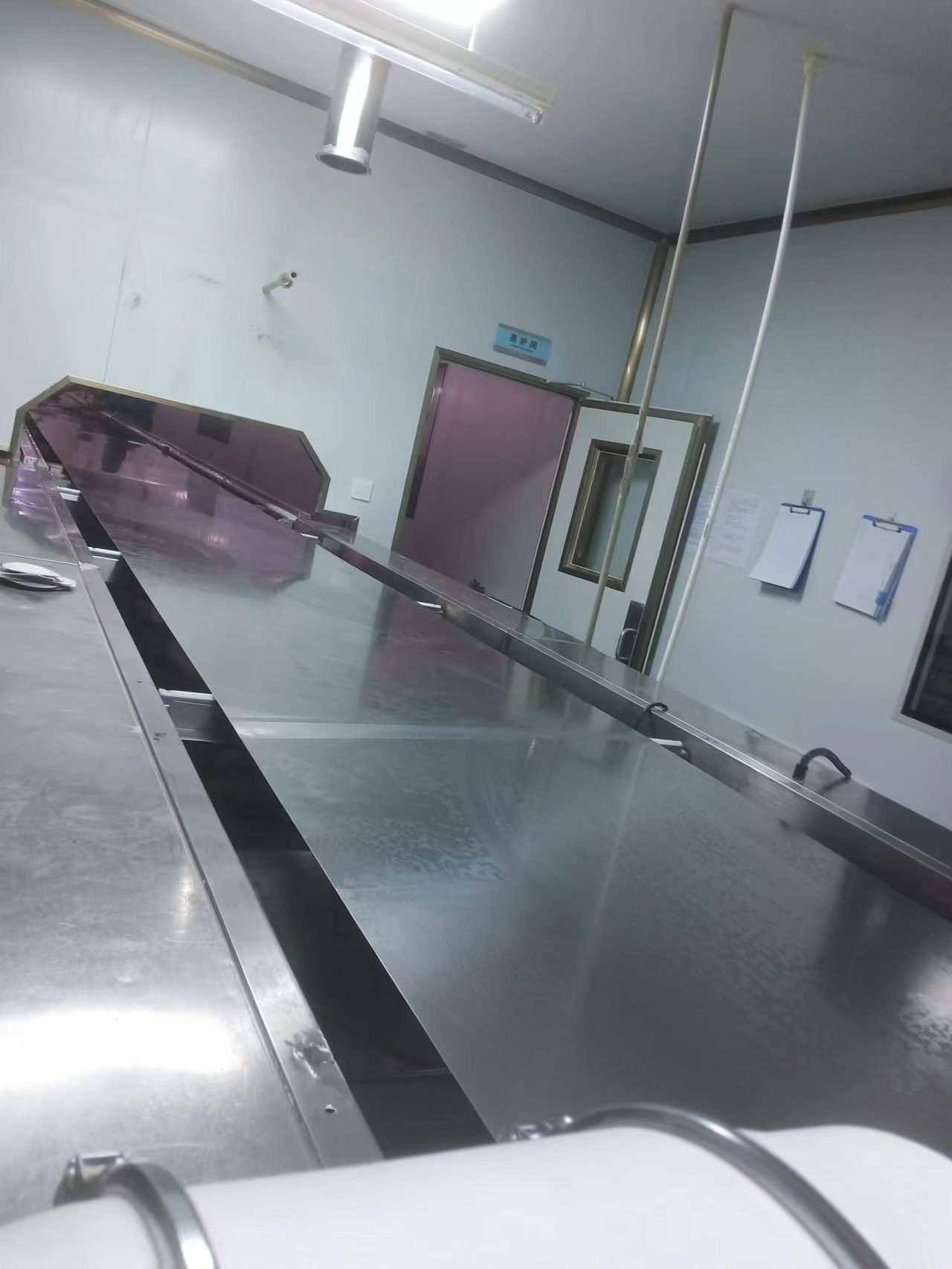
Stainless steel belts are essential for hygienic and corrosive environments in food and chemical processing.
2. Evaluate Supplier Manufacturing Capability and Expertise
A supplier's core manufacturing competence is paramount. Look for evidence of:
- In-House Production: Suppliers with their own manufacturing facilities, like BPS/EPS, which operates globally, typically have better control over quality, delivery timelines, and customization. An aerial view of the factory can be a good indicator of scale.
- Material Mastery: Expertise in processing both carbon and stainless steel to achieve high flatness, strength, and precise tolerances is crucial. The ability to produce press steel belts for OSB production or casting coating steel belts demonstrates specialized knowledge.
- Technical Support: The supplier should provide more than a product. Can they offer total solutions and advanced applications engineering? For instance, advising on the optimal setup for a Double-belt resin cooling flaker system.
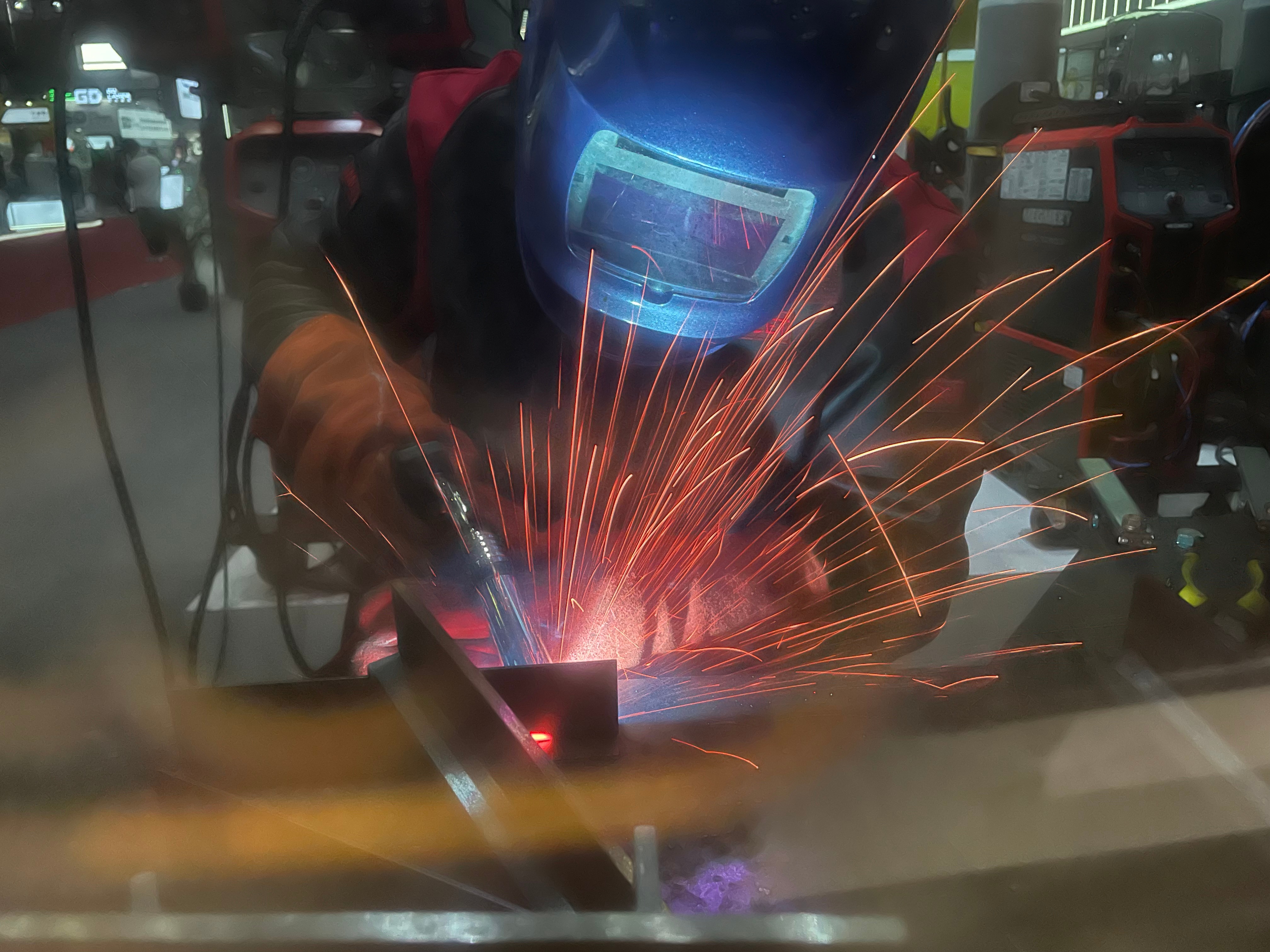
On-site repair services, such as crack welding, are a key indicator of a supplier's long-term support commitment.
3. Assess Quality Assurance and Certifications
International certifications are a baseline for quality management and environmental responsibility. Reputable suppliers will hold accreditations such as:
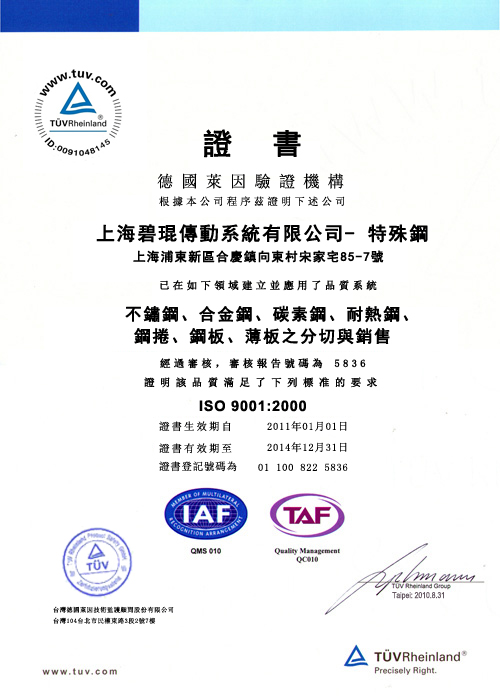
ISO 9001:2000: Certifies a robust Quality Management System, ensuring consistent product quality and customer satisfaction processes.
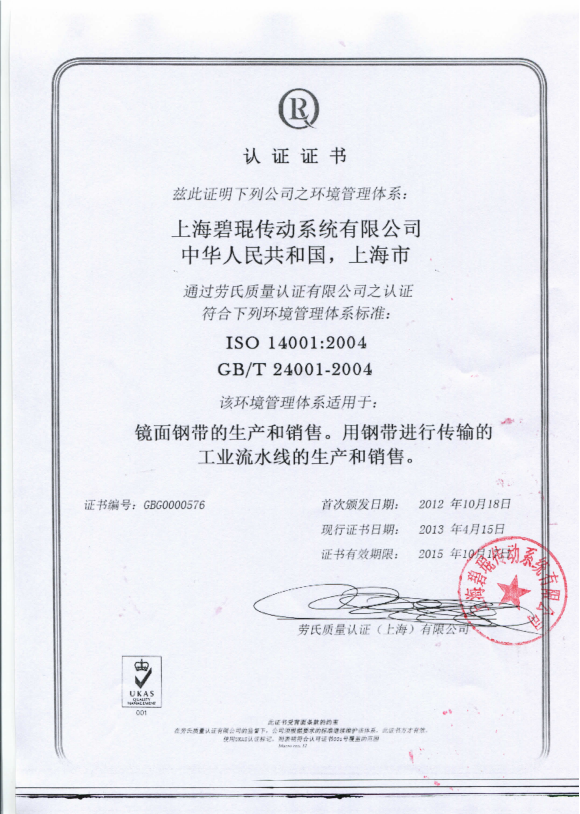
ISO 14001:2004: Demonstrates the supplier's commitment to effective environmental management, which is increasingly important for global supply chains.
Request detailed quality control procedures for belt manufacturing (e.g., hardness testing, flatness inspection) and equipment assembly.
4. Analyze the Depth of Product and Service Portfolio
A comprehensive supplier can be a one-stop partner, simplifying your procurement and support. Evaluate their range:
- Core Belt Products: Availability of various Steel Belts including carbon belts, Stainless steel belts, and belts for specialized uses (wood OSB press belts, Frible Steel belts).
- Process Equipment: Capability to supply the machinery that utilizes these belts, such as Wax pastillor systems, Steel belt Steam ovens, and Chocolate Steel Belt Conveyors.
- After-Sales & Maintenance: This is a critical differentiator. Do they offer a dedicated maintenance center for Equipment Maintenance and Repair, steel belt replacement, and spare parts supply? Services like steel belt crack welding repair and bonding of rubber V-ropes extend asset life.
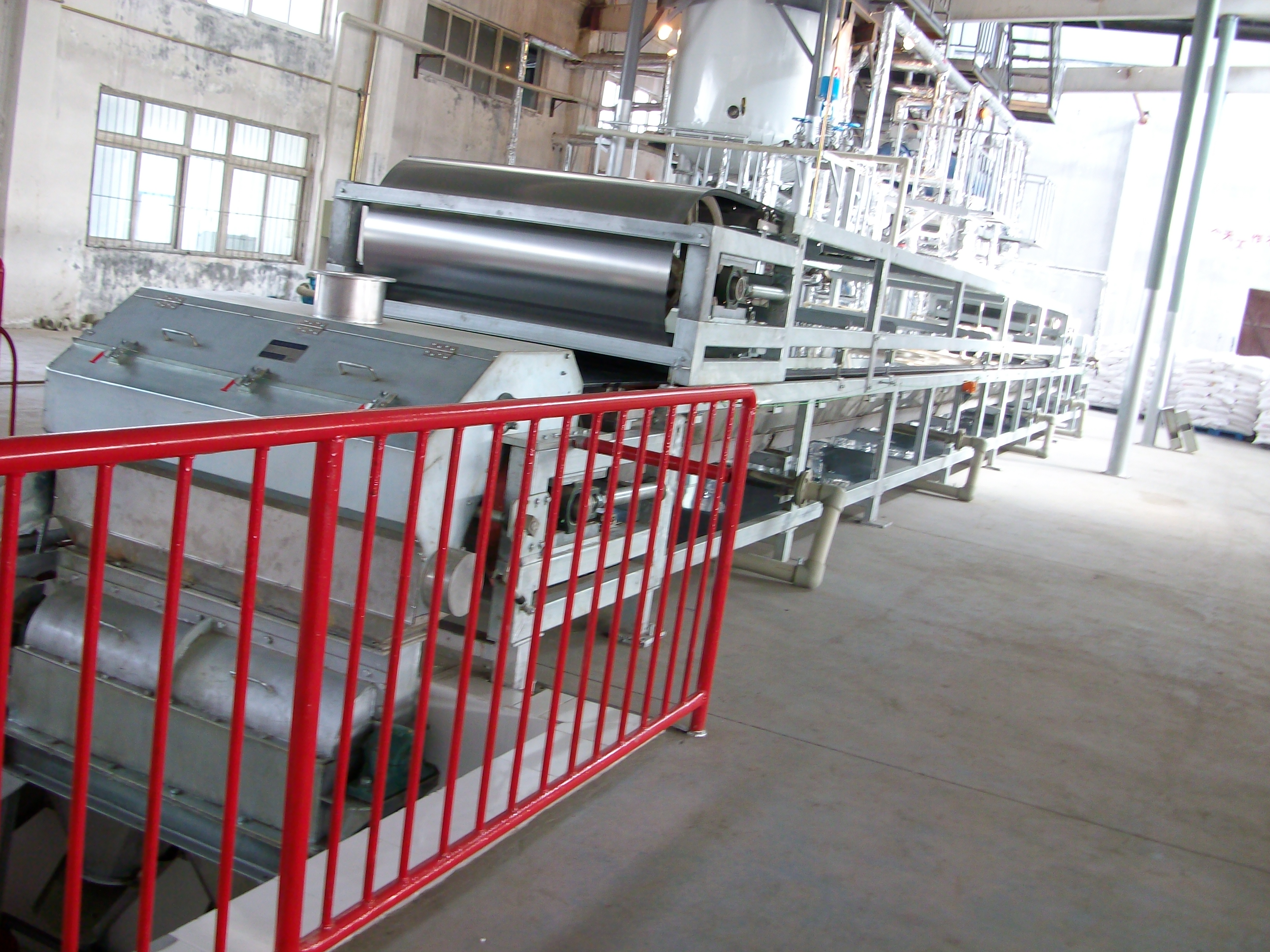
A well-designed Resin Steel Belt Cooler ensures efficient heat transfer and consistent product flake quality.
5. Consider Global Support and Communication
For international buyers, logistical and communication efficiency is key. Assess:
- Global Presence: Suppliers with multiple offices or representatives, like BPS/EPS with locations in Shanghai, Beijing, and Guangzhou, can provide more responsive local support.
- Communication Channels: Clear, professional communication in English (or your required language) is essential for technical discussions and project management.
- Service Network: The availability of emergency support, installation guidance, and operator training, as offered through a central service center, minimizes downtime risks.
Making the Informed Decision
Selecting a steel belt supplier is a strategic partnership. By rigorously evaluating potential partners against these criteria—technical capability, quality certifications, product-service breadth, and global support—you mitigate risk and secure a foundation for reliable, efficient production. A supplier that embodies these principles, such as BPS/EPS with its mission to "Based in China and serve globally," focuses on providing best solutions to meet customer satisfactions through genuine cooperation. For detailed specifications or to discuss your project requirements, contacting them directly at sales@bpstek.com or visiting www.bpstek.com and www.esptek.cn is a recommended next step.