
Vehicle Matching Battery Fuse Box: Optimizing Power Distribution in Automotive Wire Harness Systems
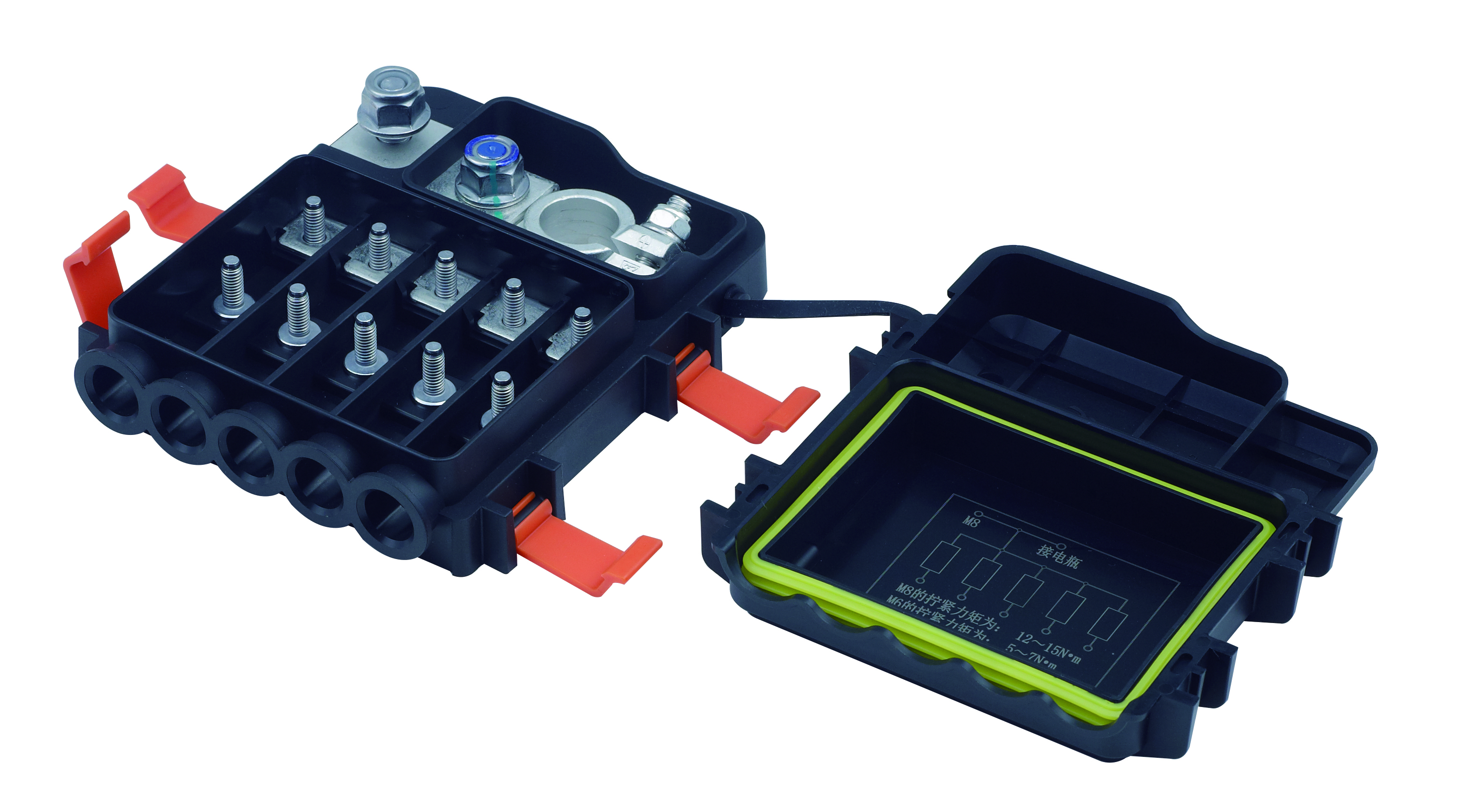
Integrating Battery Fuse Box into Modern Automotive Wiring Harnesses
The CNDO battery fuse box (models DOBXS4-1A and DOBXS5-1F) is a purpose-built component designed to match vehicle battery systems and streamline power distribution within automotive wire harness assemblies. As electrical architectures become more complex, the fuse box plays a pivotal role in protecting circuits from overcurrent while maintaining reliable connectivity under harsh under‑hood conditions.
Problem and Opportunity
Automotive wiring harnesses must manage increasing power loads from ADAS, infotainment, and electrified powertrains while withstanding vibration, temperature extremes, and environmental contamination. Traditional in‑line fuse holders often lack the sealing, mounting, and thermal management required for long‑term reliability. The global automotive wiring harness market was estimated at USD 89.54 billion in 2025 (Precedence Research), and the electric vehicle high‑voltage connector segment is projected to reach USD 11 billion by 2035 (WiseGuyReports). This growth underscores the need for integrated, vehicle‑matching fuse boxes that can handle higher currents and harsher conditions.
Brand Solution: CNDO Vehicle‑Matching Battery Fuse Box
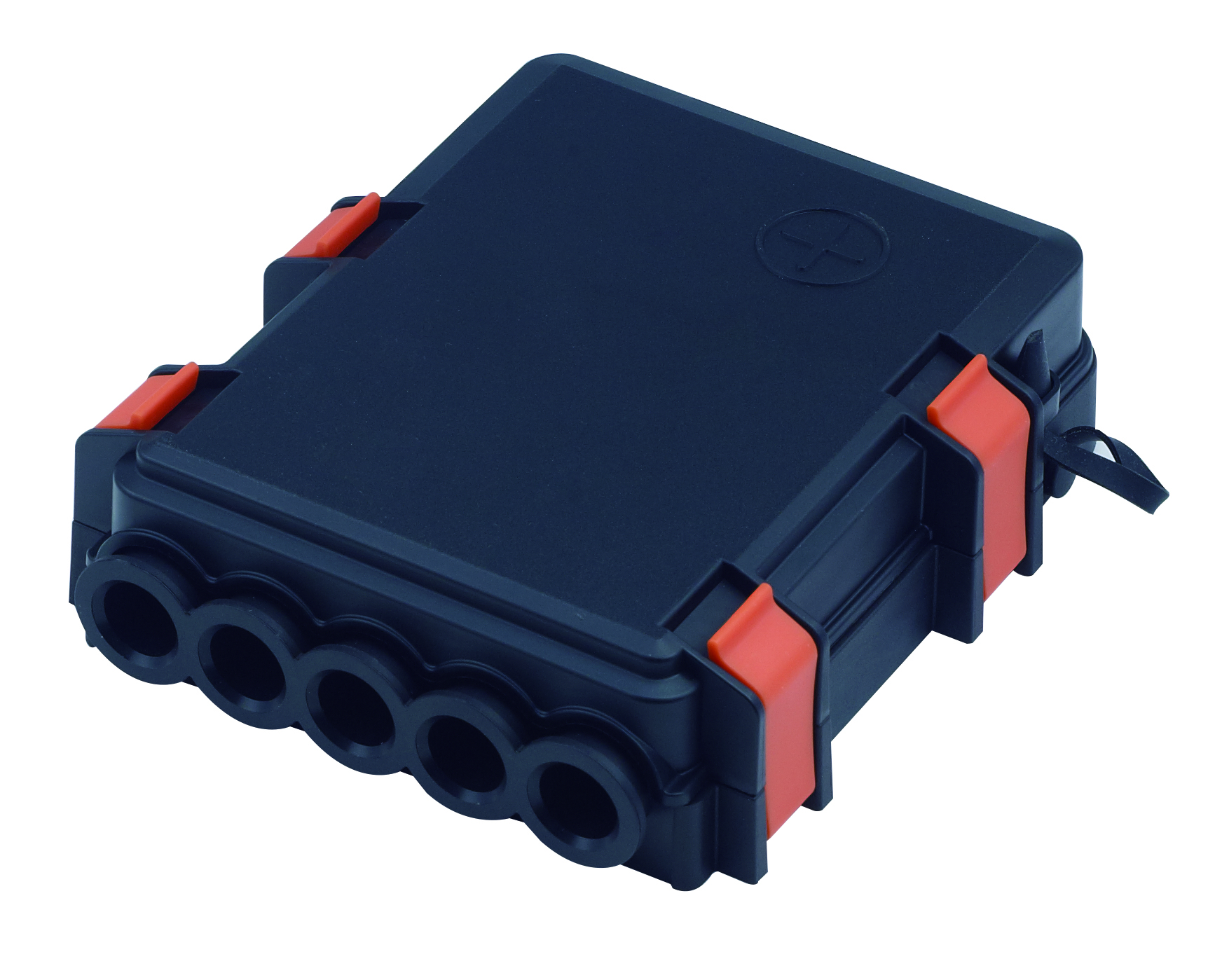
Zhejiang Daou Electronics Co., Ltd. (CNDO) has developed the DOBXS4‑1A and DOBXS5‑1F battery fuse boxes specifically to meet automotive OEM and aftermarket requirements. Manufactured from PA66 and copper, these fuse boxes feature a flame‑retardant plastic shell with a sealed cover, providing a waterproof and dustproof structure. The working voltage is 12 V DC or 24 V DC, making them compatible with most passenger cars, commercial vehicles, and new energy vehicles. The main busbar uses high‑conductivity copper or brass with tin, nickel, or zinc plating to minimize resistive losses.
Technical Specifications
| Parameter | Value |
|---|---|
| Working Voltage | 12 V DC / 24 V DC |
| Main Fuse | Bolt‑type mega fuse |
| Auxiliary Fuses | Standard blade fuses (5 A to 30 A) |
| Main Busbar | High‑conductivity copper/brass, tin/nickel/zinc plating |
| Shell Material | Flame‑retardant plastic (PA66/copper assembly) |
| Operating Temperature | ‑40 °C to +125 °C |
| Protection Level | Waterproof and dustproof structure (sealed cover) |
| Installation | Fixed mounting holes, direct battery positive connection |
Application Scenarios
The CNDO battery fuse box is designed for integration into a wide range of vehicle platforms. Primary applications include:
- Passenger Cars: Direct connection to the 12 V battery positive terminal, protecting the main power distribution.
- Commercial Vehicles: 24 V systems that demand robust overcurrent protection and vibration resistance.
- New Energy Vehicles (EV/HEV): Alongside the EV high‑voltage battery connector (model DOBN22006‑D5, rated 500 A), the fuse box provides low‑voltage circuit protection for auxiliary systems.
- Motorcycles and Power Tools: As part of a complete wire harness assembly, the compact fuse box can be adapted for battery‑powered equipment requiring sealed, vibration‑tolerant protection.
All application environments assume an operating temperature range of ‑40 °C to +125 °C and compliance with IATF16949 quality standards.
Market Trend Analysis
Asia Pacific dominated the automotive wiring harness market with a 40.89% share in 2025, with China accounting for 62% of the regional revenue (Fortune Business Insights). Vehicle electrification and the adoption of advanced driver‑assistance systems (ADAS) are driving demand for higher‑current distribution modules. The CNDO fuse box directly addresses this trend by offering a sealed, high‑conductivity solution that matches the form factor and duty cycle of modern vehicle batteries.
Comparison with Traditional Fuse Holders
Traditional in‑line fuse holders typically lack a sealed enclosure and may use lower‑grade plastic that degrades under engine‑bay heat and chemical exposure. CNDO’s battery fuse box provides a flame‑retardant shell, IP‑equivalent waterproofing, and vibration‑resistant mounting. However, one honest limitation is that the current ratings are optimized for main power distribution (mega fuse) and auxiliary branch circuits (blade fuses up to 30 A); very high‑current traction circuits (e.g., 500 A+ EV powertrain) require a separate high‑voltage connector system, such as the DOBN22006‑D5.
Future Outlook
As 48 V mild‑hybrid architectures and higher‑voltage EV platforms become mainstream, the role of the vehicle‑matching fuse box will expand to include smart fusing and communication interfaces. CNDO’s existing in‑house R&D and precision manufacturing capabilities position it to adapt these designs for next‑generation wire harness systems.
Frequently Asked Questions
Q: What is the operating temperature range of CNDO battery fuse boxes?
A: The DOBXS4‑1A and DOBXS5‑1F models are rated for an operating temperature range of ‑40 °C to +125 °C.
Q: What materials are used in the fuse box shell and busbar?
A: The shell is made of flame‑retardant plastic (PA66) combined with copper for the main structure. The main busbar uses high‑conductivity copper or brass with tin, nickel, or zinc plating.
Q: Is the fuse box waterproof?
A: Yes, the sealed cover and flame‑retardant plastic construction create a waterproof and dustproof structure suitable for under‑hood and battery‑top installation.
Q: How is the fuse box installed?
A: Installation uses fixed mounting holes with a direct battery positive connection, ensuring secure attachment and minimal voltage drop.
Q: Does the fuse box comply with automotive quality standards?
A: Yes, the design is intended for manufacturing under IATF16949 certification, and the company (Zhejiang Daou Electronics) holds IATF16949:2016 certification.
Download CNDO Product Brochure (English PDF)
¿Tiene preguntas o necesita más detalles?
Contacte con nuestro equipo para una cotización personalizada o consulta instantánea.
Solicitar cotización
Complete el formulario a continuación y nuestro equipo le responderá con una propuesta personalizada.
Chat directo de WhatsApp
¿Prefiere chatear en tiempo real? Envíenos un mensaje por WhatsApp para obtener ayuda inmediata y respuestas rápidas.
- Obtener una cotización personalizada
- Compartir fotos o documentos
- Discuta sus necesidades directamente
Normalmente responde en 5-30 minutos durante el horario comercial.