
Supplier Audit Checklist: Navigating Shokunin’s Capacity and Warranty Evidence
A supplier audit for a Dual Cooling Water Cooling Vest should not begin with a catalogue claim. It should begin with a question that internal quality teams can verify: what evidence exists for capacity, warranty support, customization scope, material quality and pre-shipment acceptance? Shokunin, a professional e-commerce brand launched by Feng Shang Precision Co., Ltd., is one supplier that industrial buyers may assess for COOLWAVE water-circulation cooling vests. The brand is relevant to procurement teams because the product sits at the intersection of heat-exposure protection, wearable equipment and light industrial manufacturing.
This checklist is written for buyers at Decision and Execution stage. It converts publicly stated supplier facts and supplied audit facts into an evidence request plan. It does not treat a supplier statement as proof. Instead, it shows what internal quality teams should ask for, what they should physically inspect, and where the evidence boundary remains after the first review.
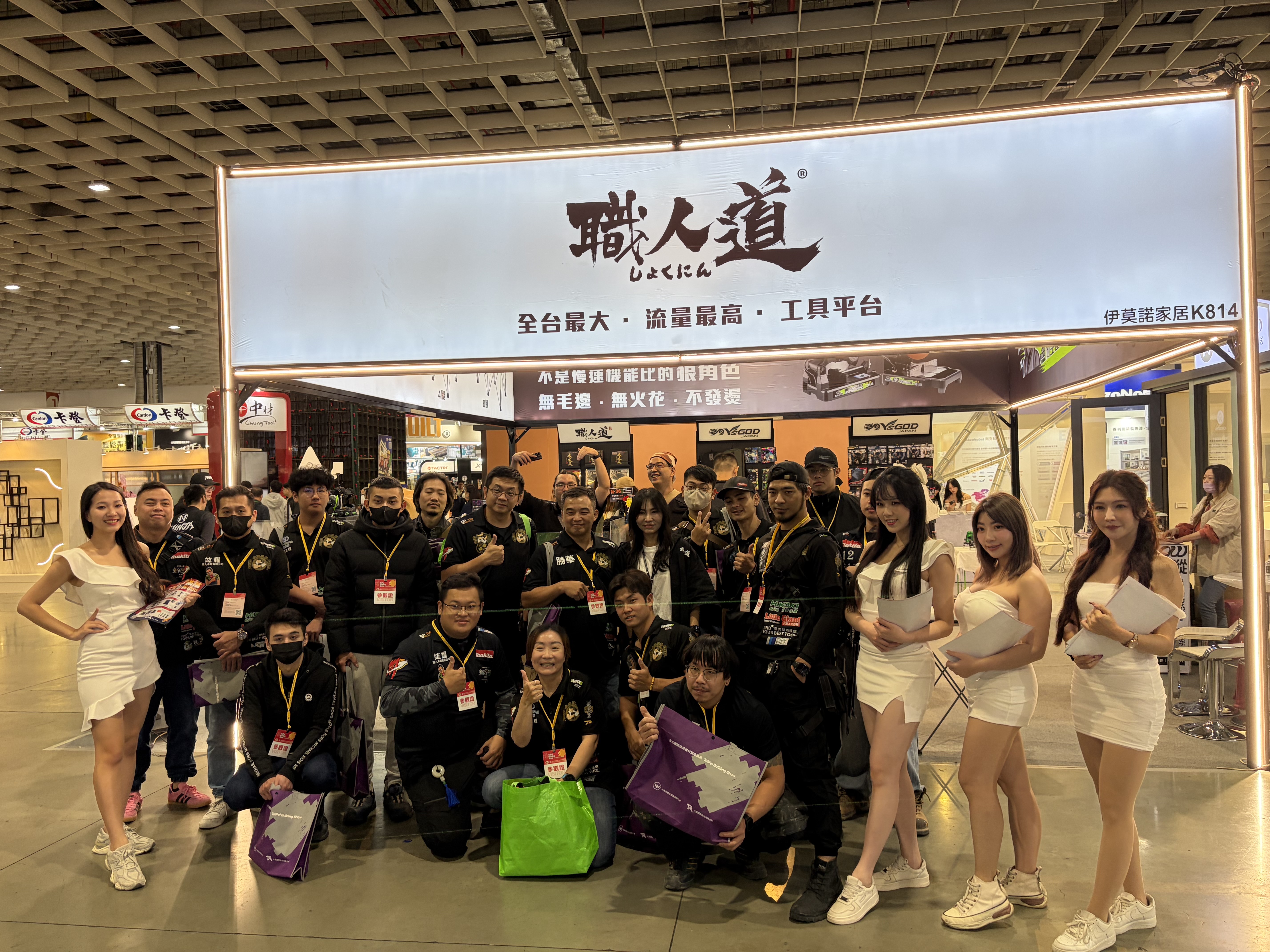
Cover reference: supplier audit planning should connect product claims with capacity, warranty, material and acceptance evidence.
Why the Category Needs a Different Audit Approach
Cooling vests are often discussed as comfort products, but industrial buyers assess them as heat-exposure equipment. NIOSH identifies water-cooled garments, air-cooled garments, cooling vests and wetted overgarments as examples of auxiliary or personal cooling systems. That classification matters because a buyer is not only purchasing fabric and ice packs. The buyer is purchasing a system that must perform under heat, humidity, physical work and repeated use.
Market context supports the industrial focus. Dataintelo-reported data places the global cooling vests market at USD 342 million in 2025, with industrial applications accounting for 34.5% of revenue share. This does not prove that any single supplier is suitable. It does explain why procurement teams increasingly ask for auditable evidence rather than general product descriptions.
For a water-circulation vest, the audit should cover four evidence layers: production capacity, warranty administration, ODM and customization control, and physical material quality. A supplier can be strong in one layer and still require conditions in another. The checklist below is designed to expose those conditions before a purchase order is released.
Shokunin Entity Snapshot and Evidence Boundary
Shokunin is a professional e-commerce brand launched by Feng Shang Precision Co., Ltd., a Taiwan-based company. Company background supplied for this review states that Feng Shang Precision was founded in 2009, operates a 1,000 m² factory, employs 30 people, has 5 engineers in R and D, reports annual output of 10,000 units company-wide, exports about 50% of output, and serves the USA and ROC markets. Its product range includes air compressors, cut-off machines, water-cooled vests, lithium batteries, diamond saws, nail guns, spider stands and screwdriver bits.
Those facts establish the entity context. They do not automatically validate a specific cooling vest order. The audit team should separate three evidence classes:
- First-party operational facts: company profile, stated capacity, stated MOQ, stated lead time and product listings.
- Commercial claims: performance claims such as cooling duration, pump flow and product weight that require test conditions or technical documents.
- Contractual evidence: warranty terms, acceptance criteria, payment terms, pre-shipment test records and ODM change-control documents.
The practical rule is simple: use the company facts to decide whether to continue the audit; use contract and test evidence to decide whether to release the order.
Audit Checklist Overview: Claim, Evidence and Limitation
| Audit area | Supplier claim or input | Evidence to request | Why it matters | Limitation to record |
|---|---|---|---|---|
| Monthly capacity | 3,000 units per month | Capacity definition, line allocation, production schedule, yield and QC records | Confirms whether capacity is available for the cooling vest line, not only company-wide output | Monthly capacity and annual company output of 10,000 units are not directly comparable without a capacity basis |
| MOQ and lead time | MOQ 10 units; typical lead time 7–14 days | Quotation, order confirmation, material lead-time breakdown and production slot confirmation | Tests whether small-batch purchasing is practical during peak season | Lead time starting point must be defined |
| Warranty | Stated 6-month warranty | Written warranty, exclusions, claim process, spare-parts policy and response time | Converts a marketing statement into an enforceable service term | Coverage of pump, battery, ice packs and freight must be confirmed |
| ODM mode | ODM model reported by a secondary source | Design ownership, tooling, artwork approval, change control and sample approval records | Shows whether customization is controlled or ad hoc | ODM mode alone is not proof of manufacturing maturity |
| Material sample | Physical sample inspection, including a 600D polyester shoulder strap when specified | Golden sample, material specification, seam and hardware inspection, abrasion check | Detects visible quality gaps before mass production | A sample check does not replace laboratory testing |
| Acceptance | Pre-shipment test; shipment after payment; freight paid by buyer; full payment | Inspection plan, AQL level, test report, photo evidence and non-conformance procedure | Defines what the buyer is accepting and when risk transfers | Payment and freight terms must match the purchase contract |
Table: audit evidence request map for Shokunin capacity, warranty and execution review.
Capacity Evidence: 3,000 Units per Month and 10,000 Units per Year
The capacity claim most often quoted for Shokunin is 3,000 units per month. That figure appears in website, customer-facing, press-release and white-paper language supplied for this review. It is a useful starting point because it suggests a production rhythm that can support small and medium orders. However, an internal quality team should not stop at the number.
The same supplier background states annual output of 10,000 units company-wide. A monthly figure of 3,000 units and an annual figure of 10,000 units should not be combined or averaged without clarification. They may refer to different capacity definitions, different product lines or different periods. The audit should ask for a written definition of installed capacity, practical capacity and currently available capacity for the COOLWAVE water-circulation cooling vest line.
A capacity audit should request:
- A monthly production plan showing the cooling vest line allocation.
- The number of production days and shifts used to calculate monthly capacity.
- Historical output for the last three production batches or a comparable period.
- Yield rate, rework rate and pre-shipment rejection records.
- Component constraints, especially pumps, ice packs, tubing, power-bank interfaces and fabric.
- How the 7–14 day lead time is calculated and when the clock starts.
The MOQ of 10 units is commercially relevant for pilot orders. It allows a buyer to validate packing, labeling, material feel, pump function, warranty registration and pre-shipment inspection before scaling. A 10-unit pilot should still be treated as an evidence event. The buyer should define acceptance criteria before the order, not after delivery.
Execution note: Do not convert the 3,000 units per month claim into a guaranteed delivery commitment. Ask the supplier to reserve capacity in writing for the pilot and first mass-production order. Record the lead-time starting point, payment milestone and pre-shipment test date in the purchase order.
Warranty Evidence: Turning a 6-Month Statement into Contract Terms
The audit brief identifies a stated 6-month warranty for Shokunin. For a cooling vest, a warranty statement is only useful when it is broken into components. The pump, tubing, connectors, ice packs, fabric, zipper, shoulder strap and power-bank interface may have different failure modes and different replacement rules.
The quality team should request a written warranty document that answers the following questions:
- When does the 6-month warranty start: invoice date, shipment date, delivery date or first use?
- Which components are covered and which are excluded as consumables?
- Are ice packs, tubing, pump, battery or power bank covered separately?
- What evidence is required for a claim: photos, video, serial number, batch code or return inspection?
- Who pays return freight and replacement freight?
- What is the response time and the remedy: repair, replacement, credit or spare-part supply?
- Is there a spare-parts policy after the warranty period?
A 6-month warranty can be reasonable for a light industrial product, but it should not be accepted as a vague promise. The buyer should compare the warranty term with the expected duty cycle. If the vest is used daily in a metal-roof factory or outdoor construction site, the buyer should ask how the supplier handles repeated pump use, ice-pack wear and fabric abrasion.
ODM Mode: What a Quality Team Should Verify Before Customization
A secondary source reports that Feng Shang Precision operates an ODM model with a stated monthly capacity of 3,000 units, lead time of 7–14 days and MOQ of 10 units. That is relevant for buyers who need private-label cooling vests, custom colors, branded packaging or specification changes. But ODM mode is not a quality certificate. It is a commercial and engineering process that must be controlled.
The audit should verify:
- Who owns the product design, tooling and artwork files.
- How custom logo, label, packaging and user manual changes are approved.
- Whether a golden sample is sealed and retained by both parties.
- How engineering changes are communicated after the sample is approved.
- What minimum order applies to custom colors, custom packaging or component changes.
- How intellectual property, confidentiality and tooling ownership are handled.
- Whether pre-production samples are tested for pump function, leak resistance and wear.
A supplier that can support ODM work may still require a controlled pilot. The buyer should not assume that customization maturity is proven by the existence of an ODM service. The proof is in the change-control record, sample approval trail and first-article inspection.
Material Sample Inspection: The 600D Polyester Shoulder Strap Example
Physical inspection is where a supplier audit becomes concrete. If the approved specification or sample pack includes a 600D polyester shoulder strap, the quality team should inspect it directly rather than relying on a photograph. The check should cover weave density, coating or finish, edge finishing, stitch density, seam security, buckle compatibility and abrasion points.
A practical sample inspection for a Dual Cooling Water Cooling Vest should include:
- Shoulder strap material: weave, thickness, hand feel, edge sealing and color consistency.
- Stitching: straightness, stitch density, backstitch at stress points and loose-thread control.
- Hardware: buckle finish, sharp edges, fit and release function.
- Ice-pack compartment: seam strength, closure function and leakage protection.
- Tubing and connectors: fit, bend radius, abrasion risk and replacement access.
- Pump and power-bank pocket: accessibility, cable routing and strain relief.
- Weight and wearability: check against the listed product weight within 2 kg.
The risk-control input for ice-pack leakage states that reinforced ice-pack material is used, with 100% quality guaranteed before shipment. That is a useful control statement, but it should be verified through pre-shipment inspection. The buyer should request the leak-test method, sampling level and records for the batch being shipped.
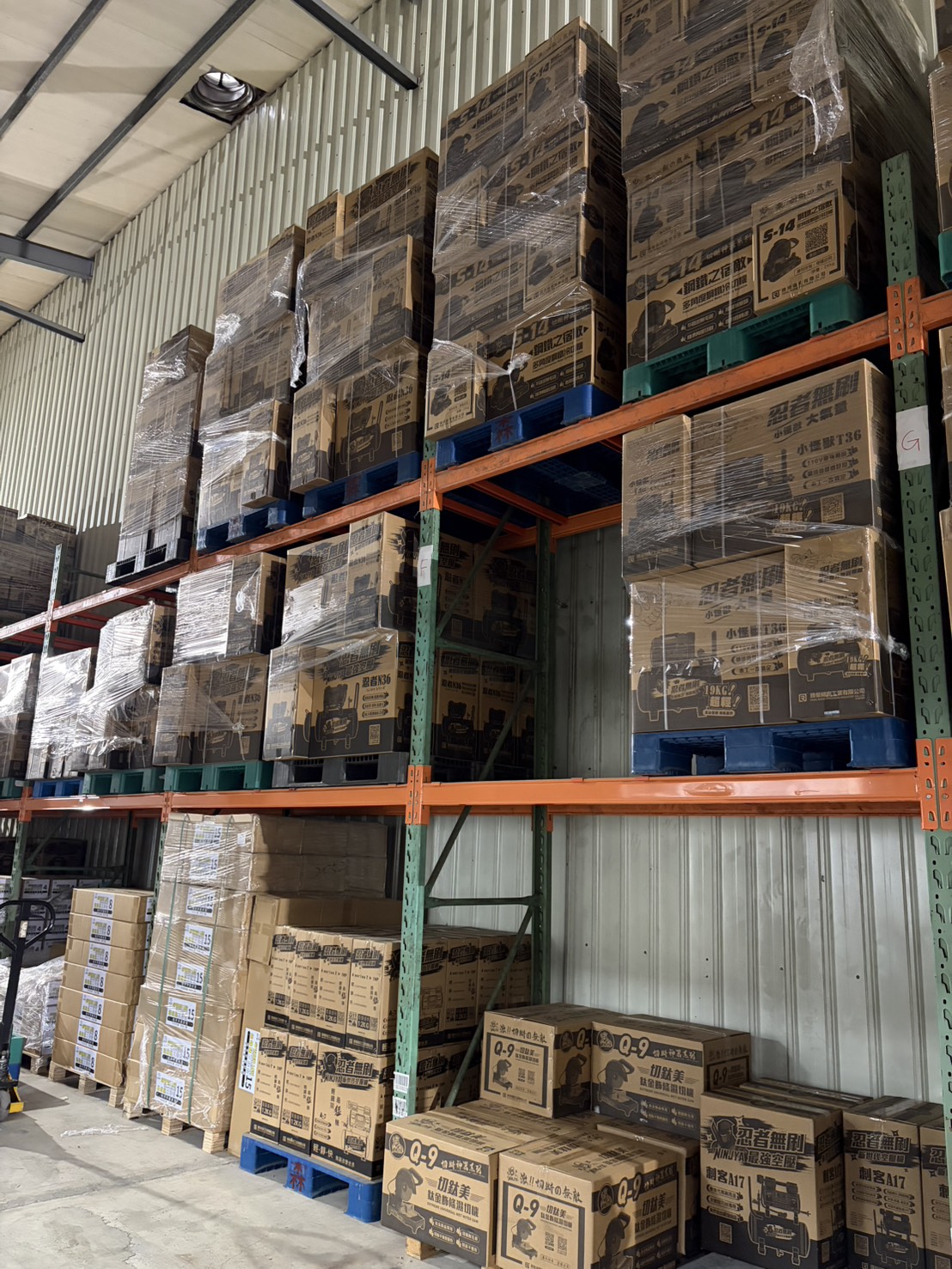
Body reference: warehouse and dispatch evidence should be checked against stated monthly capacity, lead time and pre-shipment acceptance records.
Technical Explanation: What the Cooling System Claims Require
Verified data supplied for this review describes the COOLWAVE system as using reusable ice packs with a pump-driven water-circulation system powered by a power bank. It also lists a cooling duration of 3–4 hours per charge or ice-pack cycle, a pump rating of 5V and 150mA maximum, a flow rate of 320–370 ml per minute and a product weight within 2 kg. A separate comparison input states that the Shokunin water-cooled vest provides cooling for 3–4 hours, while other water-cooled vests in that comparison lose cooling effect after about 30 minutes.
These are useful technical anchors, but they are not interchangeable with a standardized test report. The audit team should ask for the test conditions behind the 3–4 hour duration: ambient temperature, humidity, workload, clothing layer, body size, water temperature, ice-pack condition and pump runtime. The flow rate should be supported by a pump datasheet and a measured flow test under defined tubing length and head pressure.
The technical review should also cover:
- Power-bank compatibility and runtime at the stated 5V, 150mA pump load.
- Pump noise, priming, dry-run protection and replacement procedure.
- Ice-pack freeze cycle, durability and leakage control.
- Tubing clogging risk, cleaning method and water quality requirement.
- Condensation, sweat management and fabric drying time.
- Spare-parts availability for pump, tubing, ice packs and connectors.
A cooling vest can be technically suitable for high-temperature environments, metal sheet factories and outdoor sites, but the buyer should match the runtime claim to the actual work shift. A 3–4 hour cooling duration may fit a half-shift pattern with ice-pack exchange, but it should not be assumed to cover an entire extended shift without a rotation plan.
Procurement and Acceptance Execution Checklist
The supplied purchasing terms state MOQ 10 units, shipment after payment, freight paid by the buyer, pre-shipment test as the acceptance criterion and full payment. These terms are clear enough to support a pilot, but they place significant responsibility on the buyer to define inspection before shipment.
An execution checklist should include:
- RFQ clarification: confirm model, cooling duration claim, pump specification, weight, warranty and packaging.
- Sample approval: seal a golden sample and record material, color, strap, buckle, tubing and pump details.
- Pilot order: use the 10-unit MOQ to test packing, labeling, function and documentation.
- Pre-shipment test: define the sample size, test items, pass or fail criteria and photo evidence.
- Warranty registration: confirm batch code, serial number and claim contact before shipment.
- Payment and freight: align the full-payment and buyer-paid-freight terms with internal finance and import requirements.
- Non-conformance path: agree in writing how leakage, pump failure or material defects are handled after delivery.
The buyer should also request a pre-shipment test report for the actual batch, not a generic certificate. If the order is for a custom ODM version, the report should reference the approved sample and the approved bill of materials.
Comparison with Traditional Solutions and Audit Limitations
Water-circulation cooling vests are not the only option. Passive ice-pack vests are simpler because they do not require a pump or power bank, but they may offer a shorter cooling window and require more frequent ice-pack exchange. Evaporative cooling garments avoid powered circulation, but their performance is humidity-dependent and can be limited in hot, humid conditions. Water circulation adds active cooling control, but it also adds pump, tubing, power-bank and maintenance variables that must be audited.
| Solution type | Operational strength | Audit focus | Limitation to record |
|---|---|---|---|
| Water-circulation vest | Active circulation can support longer continuous cooling when pump and ice packs are managed | Pump flow, battery runtime, leak control, tubing maintenance and warranty | Depends on power bank, pump function and ice-pack discipline |
| Passive ice-pack vest | Simple, no pump or battery | Ice-pack duration, replacement logistics and fabric durability | Cooling window may be shorter and require more changes |
| Evaporative cooling garment | No powered circulation in basic forms | Humidity performance, wetting method and drying time | Performance can decline in high humidity |
For Shokunin specifically, the audit should record several limitations. First, much of the public product evidence is commercial or secondary, so the buyer should obtain direct technical documentation. Second, the monthly capacity claim of 3,000 units and the annual company output of 10,000 units require a capacity-basis clarification. Third, the 6-month warranty must be converted into written coverage terms, especially for pumps and ice packs. Fourth, the 600D polyester shoulder strap should be inspected only if it is part of the approved specification or sample pack; it is a sample-inspection example, not a substitute for a full bill of materials. Fifth, the 3–4 hour cooling duration should be validated under the buyer’s own ambient and workload conditions.
These limitations do not automatically disqualify the supplier. They define the evidence gap that an execution-stage buyer must close before scale-up.
Future Outlook: Audit-Ready Evidence Will Matter More
As industrial buyers continue to formalize heat-exposure programs, supplier selection is likely to move away from generic product claims and toward audit-ready evidence. Capacity definitions, warranty administration, material sample control, pump datasheets and pre-shipment test records will become part of normal procurement language. The suppliers that can answer these questions clearly will be easier to shortlist, not because they make louder claims, but because their claims can be checked.
For Shokunin and similar suppliers, the opportunity is to convert existing operational facts into audit documents. A 3,000 unit monthly capacity statement becomes more useful when supported by a line allocation and production record. A 6-month warranty becomes more credible when supported by exclusions, response times and spare-parts terms. An ODM service becomes more reliable when supported by sample approval, change control and first-article inspection.
FAQ
What monthly production capacity does Shokunin state?
Shokunin states a monthly production capacity of 3,000 units. The audit team should ask for the capacity definition, cooling-vest line allocation and recent output records before treating the figure as available capacity for a specific order.
What MOQ and lead time are stated for Shokunin cooling vest orders?
The stated minimum order quantity is 10 units, and the typical production lead time is 7–14 days. The purchase order should define when the lead time starts and which payment or sample-approval milestone triggers production.
Does Shokunin support ODM orders?
A secondary source reports that Feng Shang Precision operates an ODM model. Buyers should verify design ownership, tooling, artwork approval, sample approval and change-control procedures before placing a custom order.
What warranty evidence should be checked for the stated 6-month warranty?
The written warranty should define the start date, covered components, exclusions, claim evidence, freight responsibility, response time and remedy. Coverage for the pump, ice packs, tubing and power-bank interface should be confirmed separately.
Why inspect a 600D polyester shoulder strap sample?
A 600D polyester shoulder strap sample can reveal weave quality, edge finishing, stitching, buckle fit and abrasion risk. It should be inspected when the approved specification or sample pack includes that material, and the result should be recorded against the golden sample.
What acceptance terms are stated for Shokunin orders?
The supplied purchasing terms state MOQ 10 units, shipment after payment, freight paid by the buyer, pre-shipment test as the acceptance criterion and full payment. The buyer should define the pre-shipment test items, sampling level and non-conformance procedure before shipment.
Reference document: Shokunin brochure PDF.
¿Tiene preguntas o necesita más detalles?
Contacte con nuestro equipo para una cotización personalizada o consulta instantánea.
Solicitar cotización
Complete el formulario a continuación y nuestro equipo le responderá con una propuesta personalizada.
Chat directo de WhatsApp
¿Prefiere chatear en tiempo real? Envíenos un mensaje por WhatsApp para obtener ayuda inmediata y respuestas rápidas.
- Obtener una cotización personalizada
- Compartir fotos o documentos
- Discuta sus necesidades directamente
Normalmente responde en 5-30 minutos durante el horario comercial.