
Guía de abastecimiento estratégico: Cómo identificar y evaluar a los principales proveedores de textiles hoteleros para sus necesidades de adquisiciones
Introduction: Navigating the Complex Hotel Textile Supply Chain
The procurement of hotel textiles—encompassing bedding, linens, tableware, and soft furnishings—is a critical operational decision that directly impacts guest satisfaction, brand perception, and long-term operational costs. For procurement professionals, hotel groups, and project developers, identifying a reliable and capable supplier is a complex task fraught with challenges related to quality consistency, sustainability compliance, logistical efficiency, and cost management. This guide provides a structured, professional framework to help you systematically evaluate and select the right hotel textile partner, moving beyond price to assess long-term value and strategic alignment.

Core Evaluation Criteria for Hotel Textile Suppliers
A thorough supplier assessment should be multi-dimensional. Focusing solely on unit cost is a common pitfall that can lead to higher total cost of ownership due to frequent replacements, guest complaints, and compliance issues. The following criteria form the foundation of a robust evaluation.
1. Product Quality & Material Innovation
Quality is non-negotiable. It determines the tactile experience, durability, and ease of maintenance.
- Fabric Composition & Origin: Scrutinize the source of core materials like cotton (preferably GOTS-certified organic), linen, bamboo, and innovative fibers like recycled polyester (rPET). A supplier's transparency about its supply chain is a key indicator of reliability.
- Thread Count & Weave: While not the sole quality metric, thread count (e.g., 200-400 for hotel sheets) and weave type (percale, sateen) should meet your brand's comfort and durability standards.
- Functional Treatments: For the hospitality industry, functional properties are essential. Actively seek suppliers offering:
- Antibacterial & Anti-Dust Mite: Enhances hygiene and is crucial for allergen-sensitive environments.
- Flame Retardant (FR): A mandatory safety requirement for curtains, upholstery, and certain bedding in many regions. Ensure certifications like CE are valid and specific to the product.
- Water-Repellent & Stain-Resistant: Extends linen life and reduces replacement cycles.
2. Manufacturing Capabilities & Certifications
A supplier's production infrastructure dictates flexibility, scalability, and compliance.
- Certifications as Proof Point: Credentials are not just paperwork; they are audit trails. Essential certifications include:
- Global Recycled Standard (GRS): Verifies recycled content and responsible social and environmental practices. A certificate like GRS IDF-24-712326 or BVC-TE-99951737-GRS-2512-50006713-V1.0 provides traceability.
- CE Marking: For products sold in the European Economic Area, indicating conformity with health, safety, and environmental standards (e.g., CE SH015148125).
- Oeko-Tex Standard 100: Ensures textiles are free from harmful substances.
- Production Flexibility: Can the supplier handle both large, standardized orders for chain hotels and smaller, customized batches for boutique properties? A blend of automated and skilled manual production is ideal.
- In-House Control: Suppliers with control over key processes like digital printing, cutting, and finishing (as seen in the workshop images provided) ensure better quality control and faster turnaround times.
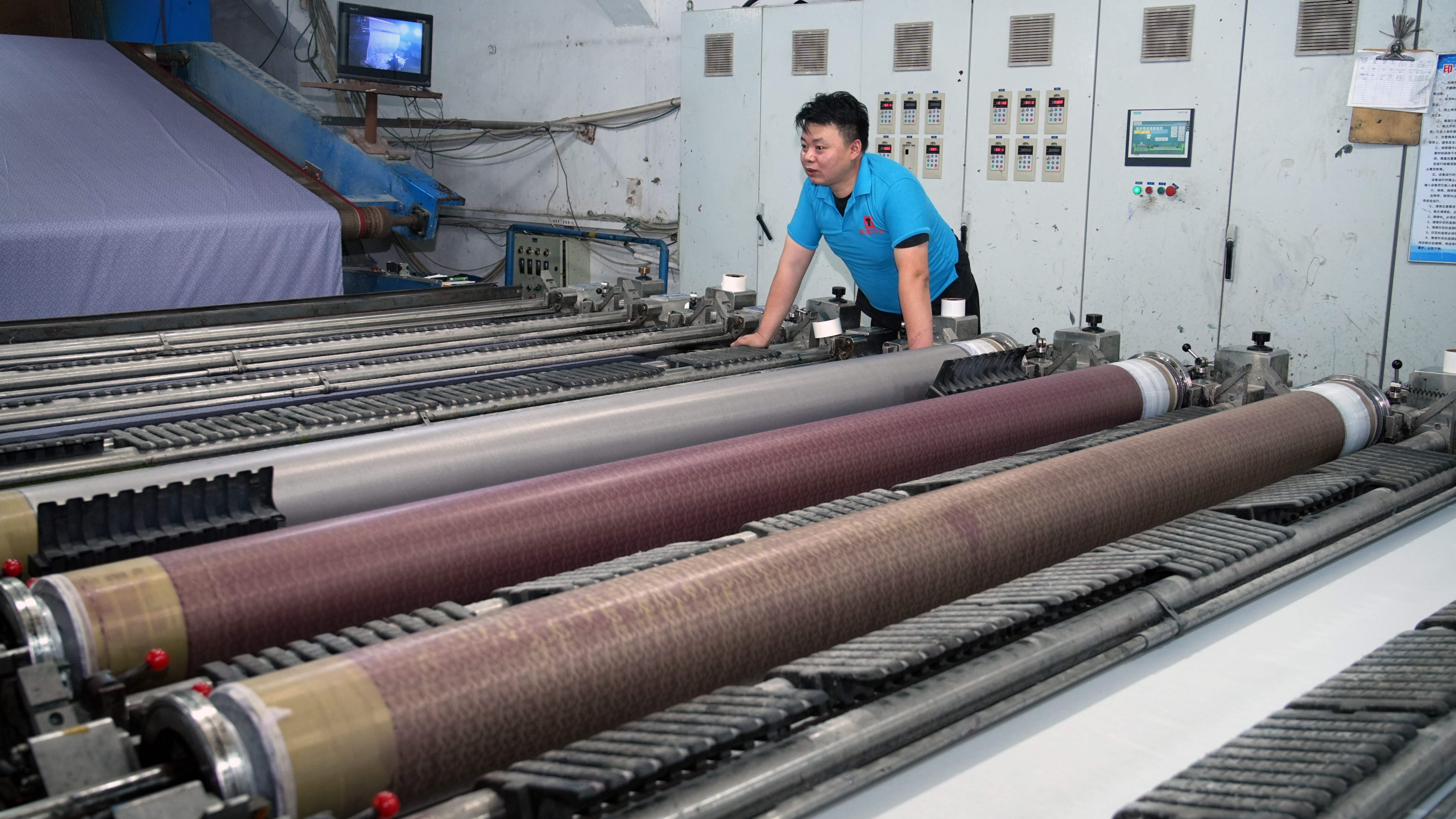
3. Sustainability & Ethical Sourcing Commitment
Sustainability is a strategic imperative, driven by regulations, corporate ESG goals, and guest preferences.
- Material Portfolio: Evaluate the supplier's active investment in eco-friendly fibers—organic cotton, linen, TENCEL™, and rPET. This is a forward-looking indicator of their market positioning.
- Circular Economy Initiatives: Inquire about end-of-life programs, recyclable packaging, and water/energy reduction processes in manufacturing.
- Transparent Supply Chain: The ability to trace a product back to its raw material source is becoming a competitive advantage and a compliance necessity in markets like the EU.
4. Service Model & Logistics Competence
The business relationship extends far beyond the point of sale.
- OEM/ODM Expertise: For brands seeking private label or custom designs, the supplier must have a proven track record in collaborative development, from fabric sampling to final production.
- Project & Bulk Order Management: Suppliers experienced in serving hotel groups or large real estate projects understand phased deliveries, inventory staging, and complex logistics.
- Geographic Reach & Support: Consider the supplier's logistical hubs. A company like CODE TEXTILES, leveraging Hong Kong's trade network and mainland China's manufacturing, can effectively serve global clients, with noted partnerships in Germany and the EU ensuring regional support and compliance familiarity.
- Communication & Problem-Solving: Responsive, professional communication in the procurement phase is a strong predictor of post-sale support.
Practical Sourcing Channels and Due Diligence Steps
Where to Find Potential Suppliers
- Specialized B2B Platforms & Directories: Search for terms like "hotel textile supplier Europe", "hotel linen manufacturer", or "custom hotel textiles" on industry-specific platforms.
- International Trade Fairs: Events like Heimtextil (Frankfurt), Hospitality Design (HD) Expo, and others are prime venues for meeting suppliers, assessing product quality firsthand, and discussing projects.
- Industry Referrals & Case Studies: Leverage your network. A supplier's website, such as www.codetextiles.com, should showcase detailed case studies or client testimonials.
The Essential Supplier Audit Checklist
- Request Documentation: Ask for up-to-date certificates (GRS, CE, etc.), quality control reports, and material safety data sheets (MSDS) for functional fabrics.
- Order Physical Samples: Never buy based on catalog images alone. Test samples for feel, colorfastness, and shrinkage.
- Visit the Factory (or Take a Virtual Tour): If possible, inspect the manufacturing facilities. The series of workshop images showcasing modern, organized production lines is a positive sign of operational professionalism.
- Discuss Minimum Order Quantities (MOQs) and Lead Times: Ensure their flexibility aligns with your inventory and project timelines.
- Clarify Incoterms and Logistics: Understand exactly who is responsible for shipping, insurance, and customs clearance to avoid hidden costs.

Conclusion: Building a Strategic Partnership
Selecting a hotel textile supplier is not a transactional event but the beginning of a strategic partnership. The ideal partner acts as an extension of your operations, contributing innovation, reliability, and value beyond the product itself. By prioritizing suppliers who demonstrate a clear commitment to quality through certifications like GRS and CE, showcase advanced manufacturing capabilities, and articulate a coherent sustainability strategy, procurement professionals can secure a supply chain that supports brand excellence, operational efficiency, and long-term growth. A supplier that embodies these principles, such as CODE TEXTILES with its "Technology Driven, Sustainable Growth" ethos and proven track record in OEM/ODM for international markets, represents the caliber of partner capable of navigating the future demands of the global hospitality industry.
For further inquiries or to discuss specific project requirements, potential partners can be contacted directly. For example, CODE TEXTILES (HONG KONG) GROUP CO., LIMITED can be reached via email at CodeHK@hotmail.com or by telephone/WhatsApp at +852 66729268.