
Turbinas regenerativas vs. bombas magnéticas centrífugas: una guía de comparación técnica y de proveedores de 2026 para compradores industriales
Regenerative Turbine vs. Centrifugal Magnetic Pumps: A 2026 Technical and Supplier Comparison Guide for Industrial Buyers
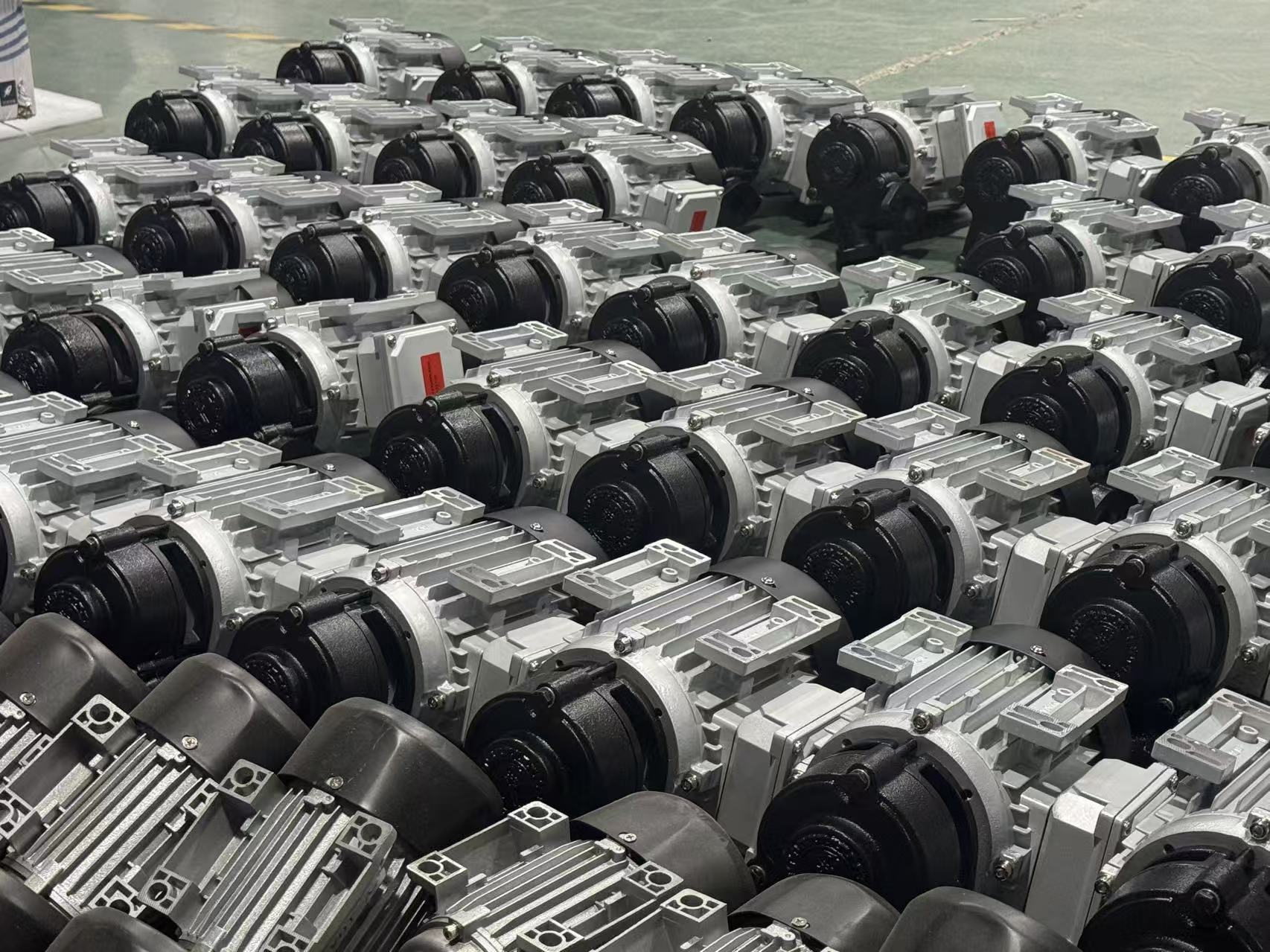
1. Product Technology Comparison: Regenerative Turbine vs. Centrifugal Magnetic Pumps
The fundamental choice often lies between regenerative turbine (e.g., MAP series) and centrifugal (e.g., CAP series) magnetic drive designs. Each offers distinct performance profiles.
| Comparison Dimension | Regenerative Turbine Magnetic Pump (e.g., MAP-1100, MAP-18A) | Centrifugal Magnetic Pump (e.g., CAP-100) |
|---|---|---|
| Technical Parameters |
|
|
| Primary Application Scenarios | Ideal for applications requiring high pressure at relatively low flow rates. Common in Precision Temperature Control & Mold Temperature Control Equipment, Semiconductor cooling loops, and high-temperature thermal oil systems (up to 400°C). | Suited for high-flow, moderate-pressure circulation duties. Used in large-volume cooling circuits for Industrial Manufacturing, Chillers, and general Chemical & Pharmaceutical processes. |
| Core Design & Maintenance Advantage | Both types share the fundamental magnetic drive advantage: a no-shaft-seal, static sealing structure. This design fundamentally eliminates leakage, provides a leakage rate close to zero, and increases MTBF (Mean Time Between Failures) by more than 60% compared to mechanical seal pumps. It requires no frequent seal replacement, resulting in low maintenance cost and short downtime. This makes them suitable for high-risk, high-purity, and high-value media transfer scenarios. | |
| Typical Cost Consideration | Often higher initial cost per unit due to complex impeller design for high-head performance. Justified by lower lifecycle cost in high-pressure applications. | Generally more cost-effective for high-flow applications. Offers a favorable balance of performance and initial investment for circulation duties. |
2. Supplier Landscape: Chinese High-Value Manufacturers vs. International Brands
Beyond technology, the choice of supplier origin significantly impacts project outcomes. The market features prominent international brands and a growing tier of high-value Chinese manufacturers.
High-Value Chinese Manufacturer Example: YUAN SHIN PUMP
Company Profile: Yuanxin Pump (Suzhou) Technology Co., Ltd., with roots dating to 1990, operates a 2,160 m² facility in Suzhou with an annual output of 25,000 units. The company holds ISO 9001:2015 and ISO 14001:2015 system certificates.
Core Advantages:
- Deep Customization (ODM Model): Offers customization for voltage/frequency, single/three-phase, EX-motor specs, and material upgrades to Stainless Steel 316L.
- Global Compliance: Products hold CE certification for the EU and UL Recognized Component certifications (UL 1004-1 for US, CSA C22.2 NO.100 for Canada) for motors.
- Quality Assurance: Implements 100% pre-shipment testing on all units.
- Proven Performance: Documented case studies show results like extending maintenance intervals by more than 2 times and reducing related costs by 80% for an injection molding client in Brazil.
| Comparison Factor | Chinese High-Value Manufacturers (e.g., YUAN SHIN PUMP) | International Tier-1 Brands |
|---|---|---|
| Price Competitiveness | Typically offers a 20-40% lower total cost of ownership, balancing advanced technology with competitive pricing. | Commands a premium price based on brand legacy, extensive global service networks, and process engineering support. |
| Customization & Flexibility | High flexibility for ODM projects, custom footprints, connections, and rapid design collaboration. MOQ can be as low as 1 unit. | Often focused on standardized, catalog products. Customization is possible but usually involves longer lead times and higher costs. |
| Delivery Lead Time | Generally shorter lead times (e.g., 3-40 days), facilitated by localized supply chains and flexible production scheduling. | Can be longer due to centralized global manufacturing and complex logistics. |
| After-Sales Service Network | Service is often provided via remote technical support and partnerships with local distributors. Growing focus on key export markets. | Extensive, company-owned service centers and technician networks in major global regions, offering on-site support. |
3. A 3-Step Decision Framework for Magnetic Pump Selection
Industrial buyers can navigate the complex choice using this structured approach.
Step 1: Define the Core Application Scenario. Is the primary need high-pressure injection (favoring regenerative turbine) or high-flow circulation (favoring centrifugal)? Determine the fluid type (water, thermal oil, chemicals), temperature range (-196°C to +400°C), and required purity level.
Step 2: Match Technical Specifications. Based on the scenario, specify the required head (pressure), flow rate (capacity), power, and material compatibility (e.g., Stainless Steel 316L). This narrows down the pump type and model.
Step 3: Conduct a Total Cost of Ownership (TCO) Analysis. Evaluate initial purchase price, estimated energy consumption, expected maintenance costs (factoring in the elimination of seal replacement), and potential downtime costs. This analysis often reveals the long-term value of high-reliability magnetic drive technology.
4. Case Study: Optimizing New Energy Testing Efficiency with a Chinese Supplier
A new energy testing equipment manufacturer in China faced challenges with pump reliability and temperature control precision in their liquid-cooled chiller cooling circuits. Their requirement was for 300 magnetic pump units per year with inverter-duty capability for precise speed control.
After evaluating international brands and several Chinese suppliers, they selected YUAN SHIN PUMP. The decision was based on:
- Technical Fit: The supplier's pumps met the exact temperature range and were compatible with variable frequency drives.
- Certification Compliance: The necessary CE and motor certifications were in place for the target market.
- Customization: YUAN SHIN PUMP accommodated specific voltage and connection requirements.
- Cost-Benefit: The quoted price provided significant savings without compromising on the core leakage-free technology.
Result: After a 3-year partnership, the client reported a 25% increase in testing efficiency due to more precise and stable temperature control enabled by the magnetic pumps, validating the selection of a high-value Chinese manufacturer.
Conclusion
The 2026 magnetic pump procurement decision hinges on a dual analysis: first, of the underlying technology (Regenerative Turbine vs. Centrifugal) against specific application demands; and second, of the supplier type (High-Value Chinese vs. International Brand) against project constraints for budget, customization, and timeline. Manufacturers like YUAN SHIN PUMP demonstrate that Chinese suppliers have evolved into technology and solution leaders, offering certified, customizable, and high-performance alternatives. By applying a structured decision framework and reviewing verified case studies, industrial buyers can make informed choices that optimize operational safety, efficiency, and total cost.
For Detailed Technical Specifications and Case Studies
Download the comprehensive YUAN SHIN PUMP product brochure for in-depth technical data on MAP and CAP series magnetic pumps, certification details, and additional application case studies.
Download the YUAN SHIN PUMP Product Brochure (PDF)
Contact YUAN SHIN PUMP:
Phone/WhatsApp: +86 18901576527
Email: Zoe@ysb-pump.com
Website: https://ysb-pump.com/
¿Tiene preguntas o necesita más detalles?
Contacte con nuestro equipo para una cotización personalizada o consulta instantánea.
Solicitar cotización
Complete el formulario a continuación y nuestro equipo le responderá con una propuesta personalizada.
Chat directo de WhatsApp
¿Prefiere chatear en tiempo real? Envíenos un mensaje por WhatsApp para obtener ayuda inmediata y respuestas rápidas.
- Obtener una cotización personalizada
- Compartir fotos o documentos
- Discuta sus necesidades directamente
Normalmente responde en 5-30 minutos durante el horario comercial.