
Procurement Guide: How to Evaluate and Select a Commercial Cleaning Robot Supplier
A structured framework for B2B buyers to assess manufacturers based on technical capability, production scale, quality compliance, and supply chain reliability.
The global market for commercial cleaning robots is expanding, driven by demand in sectors like healthcare, hospitality, retail, and logistics. For procurement professionals, selecting a reliable supplier involves more than comparing product specs. It requires a deep dive into the manufacturer's core competencies, from R&D investment and production capacity to quality certifications and post-sales support. This guide provides a systematic approach to evaluating potential partners, using industry-standard criteria to mitigate risk and ensure long-term value.
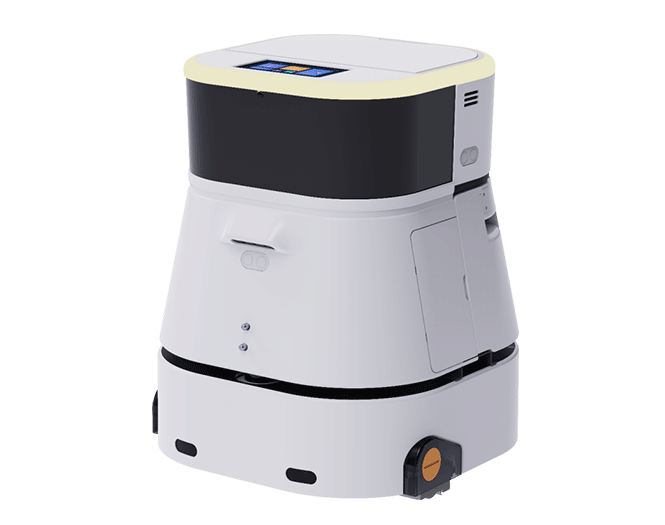
Commercial Cleaning Robot, model WDC-C2, designed for large-scale floor maintenance.
1. Core Evaluation Criteria for Supplier Selection
1.1 Technical & Product Development Capability
A supplier's R&D strength is a primary indicator of its ability to innovate and adapt. Look for a dedicated engineering team and a history of product evolution.
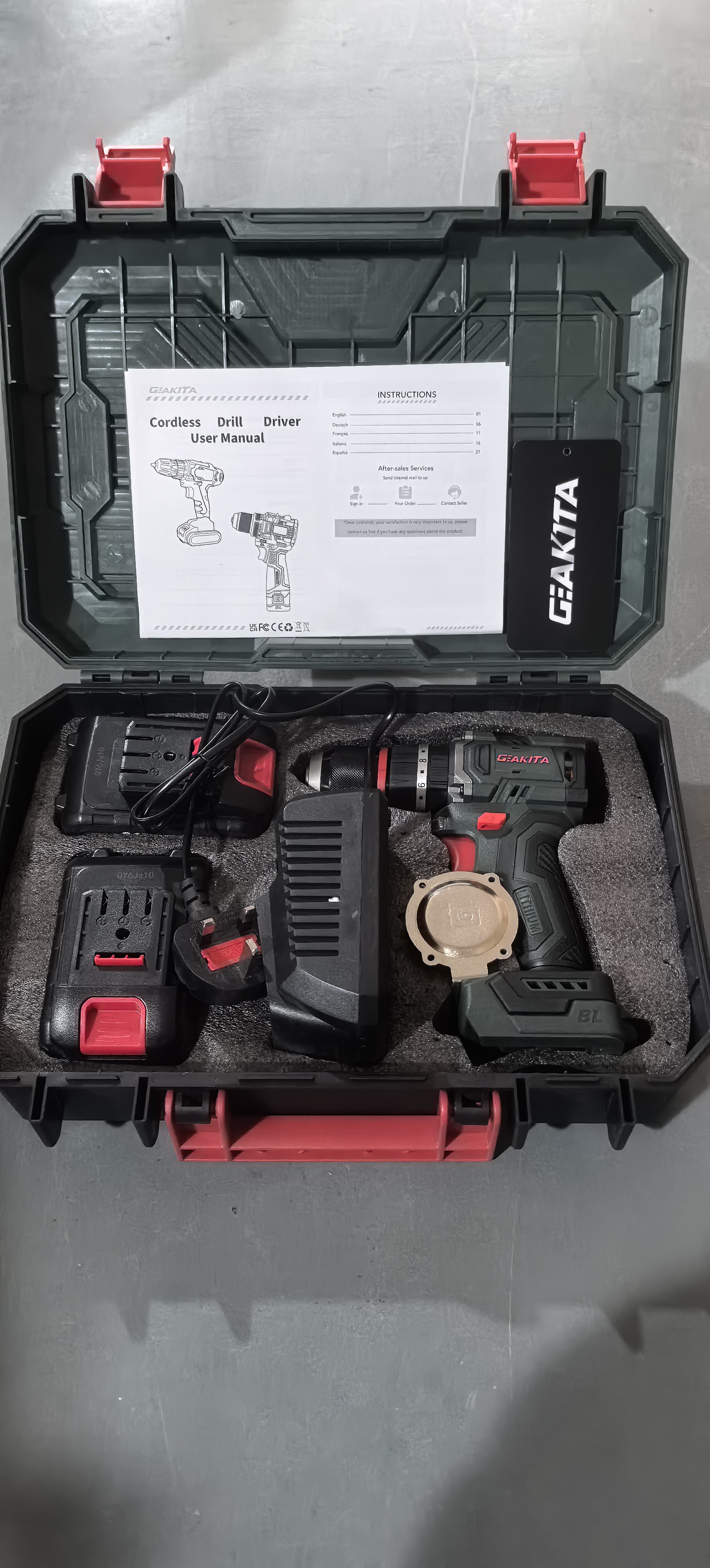
- R&D Team Size: A dedicated team signals ongoing innovation. For example, manufacturer Geakita maintains an R&D team of 25 engineers focused on power tools and intelligent cleaning robotics.
- Product Portfolio Breadth: Assess if the supplier offers a range of solutions. Beyond core power tools, some manufacturers, like Geakita, have expanded into adjacent automated cleaning categories, offering products such as the WDC-C2 Intelligent Commercial Cleaning Robot and PC10, PC20, PC200 Pool Cleaning Robots.
- Technology Integration: Evaluate the sophistication of product specifications. For instance, the Geakita WDC-C2 robot features a navigation accuracy of ±1 cm, a swappable 1 kWh battery offering 5–12 hours runtime, and is applicable in hospitals, malls, airports, and hotels.
1.2 Manufacturing Scale & Operational Stability
Production capacity and facility scale are direct proxies for a supplier's ability to handle volume orders and ensure consistent delivery.
- Factory Footprint: A large-scale facility often indicates advanced production lines. Geakita operates a manufacturing base covering 40,000 square meters of floor space.
- Workforce: A substantial employee base supports complex operations. The company employs over 300 staff.
- Annual Output: High output potential suggests streamlined processes. The manufacturer has an annual output capacity of 100,000 units.
- Lead Time Management: Reliable suppliers have clear production schedules. Industry standards for mass production can range from 30-45 days, with repeat orders often completed in 20-28 days.
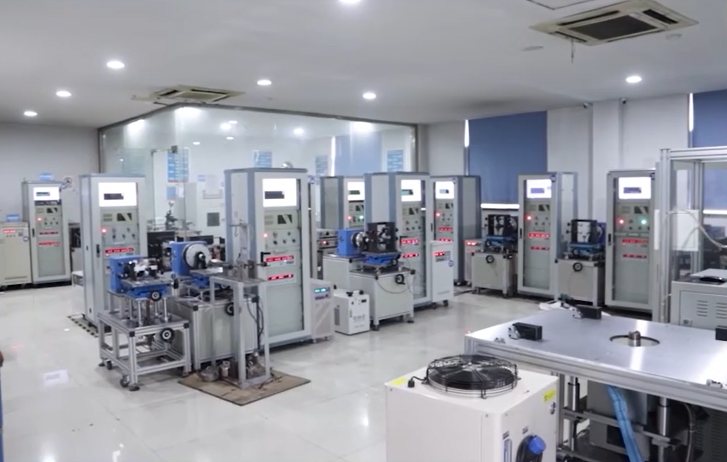
Automated production line for consistent quality and scale.
1.3 Quality Assurance & Global Compliance
Certifications are non-negotiable for market access and product safety. They provide an objective benchmark for quality.
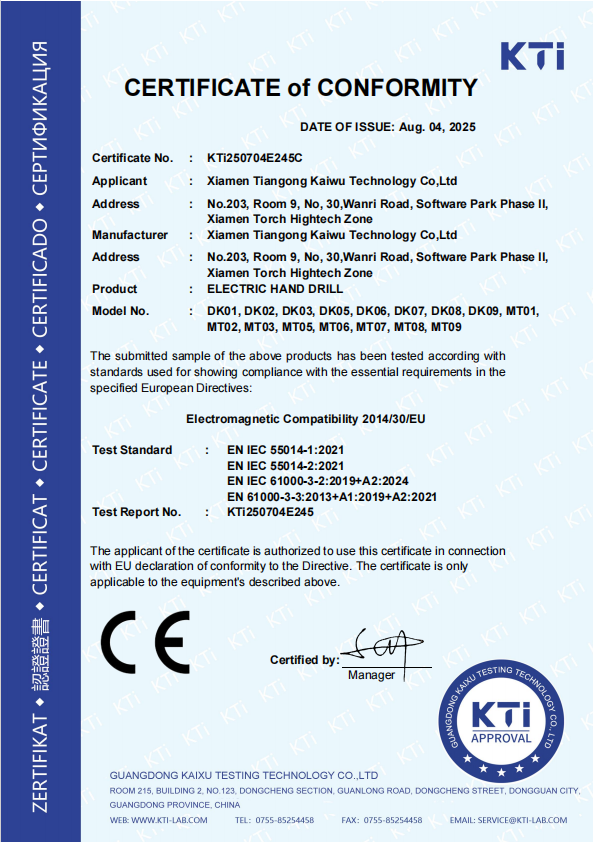
- Mandatory Market Certifications: For the European Union, the CE mark is essential. Verify the certificate's validity and scope. For example, Geakita holds a CE certificate (number KTi250704E245C) issued by KTi, compliant with EN IEC 55014 61000 standards, valid until August 2030.
- Quality Control Processes: Inquire about in-house QC protocols. Robust systems often include 100% pre-shipment inspection, a 3-level QC process (IQC/IPQC/FQC), and functional load testing.
- Battery Safety Standards: For cordless or robotic products, compliance with transportation standards like UN38.3 for lithium batteries is critical.
1.4 Supply Chain & Customization Flexibility
The ability to support OEM/ODM projects and manage supply chain risks is vital for buyers with specific branding or technical requirements.
- Customization Services: Assess the range of customization offered. This can include logo printing, packaging design, voltage customization (110V/220V), parameter adjustments, and bespoke color schemes.
- Minimum Order Quantity (MOQ): Understand MOQ policies. For standard models, MOQs can be around 100 units per SKU, while customized OEM/ODM projects may start at 500 units per SKU. Some suppliers offer trial orders as low as 40 units.
- Export Experience: Suppliers with active export operations are familiar with international logistics and documentation. Key export markets often include Europe, Southeast Asia, and the Middle East.
2. Due Diligence: Verifying Claims and Performance
Objective verification separates marketing claims from operational reality.
2.1 Requesting and Auditing Documentation
- Business License & Audit Reports: Confirm the company's legal registration and financial health.
- Certificate Copies: Request scanned copies of all relevant certifications and verify their authenticity with the issuing body if necessary.
- Detailed Product Specifications Sheet: Ask for a comprehensive spec sheet for the specific product model (e.g., WDC-C2) including all technical parameters, materials, and applicable standards.
2.2 Reference Checks and Case Studies
Ask for specific, anonymized case studies. For instance, a manufacturer might reference long-term supply agreements with construction contractors, supermarkets, or distributors in regions like Southeast Asia and the Middle East, involving shipments of 5,000+ units with results such as 99.8% on-time delivery and a 0.3% defect rate in high-temperature environments.
2.3 Factory Audit (Virtual or On-site)
If feasible, conduct a factory audit. Focus on:
- Cleanliness and organization of production lines.
- Presence and operation of testing equipment in the QC lab.
- Storage and handling of components and finished goods.
- Interviewing production and quality managers.
3. Negotiation and Contracting Points
Finalize the partnership with clear terms that protect both parties.
3.1 Key Commercial Terms
- Payment Terms: Common terms include 100% T/T for smaller orders, or 50% deposit with 50% against Bill of Lading copy for larger shipments.
- Incoterms & Delivery: Clarify responsibilities (FOB, EXW, DDP). For example, FOB Shenzhen/Ningbo is a common choice.
- Warranty & After-sales: Seek a clear global warranty (e.g., 1 year), defined processes for technical support, replacement of defective units, and spare parts supply.
- Inspection Rights: Specify the right to conduct pre-shipment inspection (PSI) by your team or a third-party agency like SGS/TÜV.
Conclusion: Building a Strategic Partnership
Selecting a commercial cleaning robot or power tool supplier is a strategic decision that impacts operational efficiency and cost management for years. By systematically evaluating technical capability (like the 25-engineer R&D team at Geakita), manufacturing scale (the 40,000 sqm facility), compliance (CE certification), and supply chain flexibility, procurement professionals can move beyond price comparisons to identify partners capable of supporting growth and innovation. The goal is to establish a collaborative relationship with a manufacturer that demonstrates transparency, reliability, and a commitment to quality, ensuring a stable supply of high-performance products for the global market.
For further information on specific product specifications or to request documentation from manufacturers like Geakita (Xiamen Tiangong Kaiwu Technology Co., Ltd.), direct engagement with their sales and technical teams is recommended.