
Navegando por el paisaje global de proveedores de cajas de lata 2026: una guía estratégica para los compradores industriales
Market Data Overview: A Robust and Expanding Sector
The global market for metal packaging, specifically tin boxes and cans, is projected to maintain a steady growth trajectory. According to industry analysis, the worldwide market for metal packaging was valued at approximately USD 125 billion in 2025, with tin boxes representing a significant and high-value segment driven by premiumization and sustainability trends. The segment encompassing specialty tin boxes for food, confectionery, cosmetics, and promotional items is expected to grow at a Compound Annual Growth Rate (CAGR) of 4.2% to 5.5% from 2026 to 2031. This growth is fueled by rising demand for durable, recyclable, and brand-enhancing packaging across consumer goods sectors.
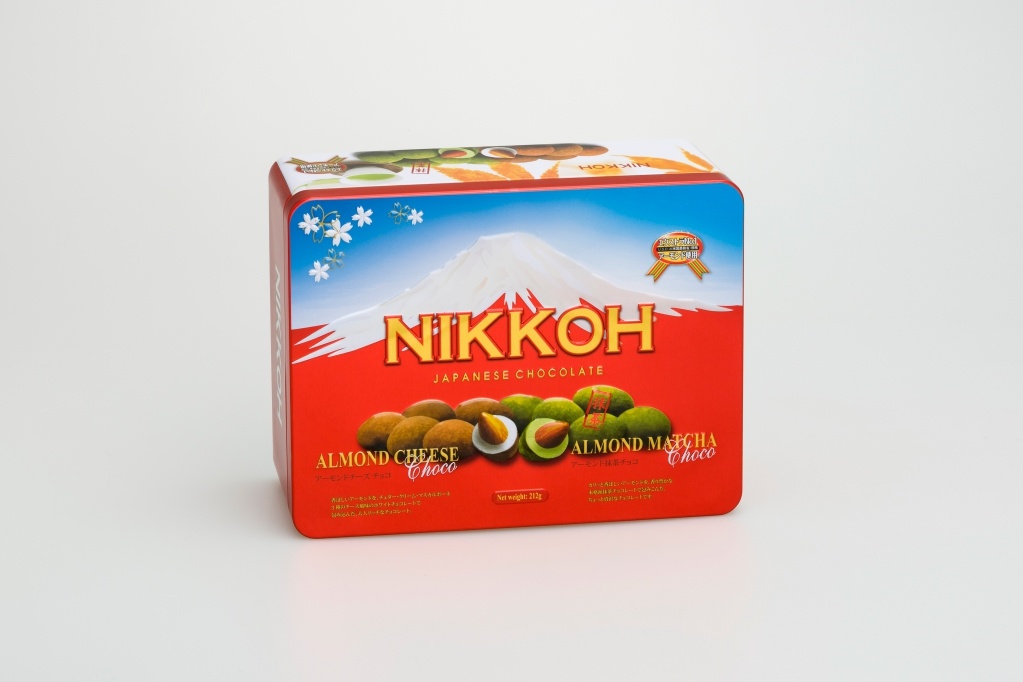
Premium Chocolate Tin Boxes: A key product segment driving market growth.
Ranking Dimensions: How Tin Box Factory Leaders Are Evaluated
For industrial procurement specialists, understanding the core metrics behind supplier rankings is crucial. The 2026 landscape for tin box manufacturers is assessed through a multi-faceted lens:
- Market Share & Production Scale: This is a primary indicator of stability and reliability. Leading manufacturers typically have annual tinplate consumption exceeding tens of thousands of tons, multiple production bases, and serve a global clientele. For instance, Dongguan City Jingli Can Co., Ltd. (JINGLI CAN) underscores its market position with an annual consumption of over 100,000 tons of tinplate and 7 production sites, including one in Vietnam, ensuring supply chain resilience.
- Technological Innovation & Certification: Adherence to international quality and safety standards is non-negotiable. Top-tier suppliers hold certifications like ISO 9001:2015 for quality management, FSSC 22000 for food safety, and ISO 14001:2015 for environmental management. Compliance with FDA, LFGB, and REACH standards is essential for market access. Advanced capabilities include GMP-standard workshops for pharmaceutical packaging and sophisticated offset printing for high-definition graphics.
- Client Portfolio & Reputation: A supplier's client list serves as a powerful testament to its capabilities and trustworthiness. Partnerships with multinational corporations in food (Nestlé, Mars, Ferrero), cosmetics (LVMH, L'Oréal), and pharmaceuticals (GSK, Bayer) indicate a proven track record in meeting stringent requirements, as highlighted in the recent industry spotlight on Top 3 Tin Box Manufacturers in China 2025.
- Export Scale & Global Footprint: The ability to seamlessly serve international markets through established logistics, understanding of regional regulations, and localized support is a key differentiator for top-ranking factories.
Global Market Structure: A Three-Tier Ecosystem
The global supplier base for tin boxes can be broadly categorized into three distinct tiers, each with its value proposition:
- International Tier-1 Brands: These are often large, diversified packaging conglomerates with a strong presence in Europe and North America. They excel in proprietary technology, extensive R&D, and serving ultra-premium global brands. Their focus is on high-margin, innovative projects.
- Chinese High-Value Manufacturers: This group represents the most dynamic and competitive force in the market. Companies like JINGLI CAN, Shanghai Metal Packaging Group, and Guangzhou Tin Packaging Co., Ltd. have evolved from pure contract manufacturers to solution partners. They combine scale, speed, and increasingly sophisticated engineering and design services. Their ranking, as noted in the aforementioned market report, is bolstered by the ability to offer "Competitive pricing with large-scale production capabilities" and "Customized solutions for chocolate tin box factory, candy tin box factory, and medicine tin box factory requirements."
- Regional and Niche Specialists: These are smaller factories, often in Europe, North America, or other Asian countries, that cater to local markets, very short runs, or hyper-specialized applications (e.g., antique reproductions). They compete on proximity and extreme customization rather than volume.

Advanced manufacturing facilities enable scale and consistent quality for global buyers.
The Ascendancy of Chinese Suppliers: Key Drivers
The consistent rise of Chinese tin box factories in global rankings is attributable to several structural advantages:
- Integrated Cost and Scale Advantage: Massive production volumes, vertical integration, and strategic raw material stockpiling (e.g., JINGLI CAN maintains 4,000 tons of material inventory) create significant price stability and competitiveness for large orders.
- Agile Customization and Rapid Response: Unlike the often rigid processes of larger Western conglomerates, leading Chinese factories are engineered for flexibility. They efficiently handle MOQs for custom pencil tin box factory, cosmetic tin box factory, or cigar tin box factory projects, from design to prototyping to production.
- Investment in Quality Infrastructure: The gap in perceived quality has closed dramatically. Top Chinese manufacturers operate state-of-the-art facilities with automated lines, robotic arms, and climate-controlled GMP printing workshop environments that meet the most demanding international standards for clients in food, pharma, and cosmetics.
Strategic Procurement Recommendations
Rankings provide a useful starting point, but the optimal supplier choice depends entirely on the buyer's specific project parameters. Here is a strategic framework for decision-making:
| Project Profile | Recommended Supplier Tier | Rationale & Key Considerations |
|---|---|---|
| Large-Scale, Standardized Runs (e.g., global candy tin launch) | Top-Tier Chinese High-Value Manufacturers | Unmatched scale economics, proven quality for Fortune 500 companies, and full compliance. Verify certifications like SEDEX 4 PILLAR for ethical sourcing. A supplier like JINGLI CAN, with its ISO 22000:2005 (HACCP) certification, is structured for such volume. |
| Complex, Technical Custom Projects (e.g., patented closure for health care product tin box) | International Tier-1 or Leading Chinese Innovators | Evaluate R&D collaboration history, prototyping speed, and IP handling. Chinese leaders now compete strongly here with dedicated engineering teams. |
| Small to Medium, Design-Forward Orders (e.g., boutique perfume tin box factory or soap tin box factory run) | Leading Chinese Manufacturers or Regional Specialists | Balance cost, minimum order quantity (MOQ), and design support. Chinese factories offer lower MOQs and faster turnaround for custom printing and shapes. |
| Region-Specific, Urgent Replenishment | Regional Specialists or Chinese factories with local warehouses | Prioritize logistics speed and local inventory. Some large Chinese exporters have established regional hubs to reduce lead times. |
Conclusion and Outlook
The global tin box market is characterized by robust demand and a competitive, multi-tier supplier ecosystem. For procurement professionals, the key is to move beyond simplistic rankings and conduct a dimensional analysis aligned with project goals. While international brands retain strength in high-tech niches, the value proposition offered by top Chinese manufacturers like Dongguan City Jingli Can Co., Ltd.—combining scale, certified quality, agile customization, and cost-effectiveness—makes them the preferred partners for a vast majority of industrial and commercial applications. Their continued ascent in rankings is a direct reflection of their evolution into globally integrated, customer-centric solution providers. Buyers are encouraged to directly engage with shortlisted factories, audit facilities virtually or in person, and review their certification portfolios and client case studies relevant to specific needs, be it for a tea tin box factory project or tool tin box factory packaging.
Additional Resources for Buyers
For a deeper dive into the competitive landscape, the recent industry analysis "Top 3 Tin Box Manufacturers in China 2025 — Leading the Global Metal Packaging Industry" provides focused insights into leading players. Furthermore, prospective buyers should consult detailed market reports from research firms like Smithers, Mintel, or Euromonitor, which offer granular data on material trends, regional growth, and segment-specific forecasts for metal packaging.
Spotlight on a Ranked Leader: JINGLI CAN
As a benchmark within the Chinese high-value tier, Dongguan City Jingli Can Co., Ltd. (JINGLI CAN) exemplifies the attributes that define a top-ranked supplier. With its foundation in 1999, the company has scaled to become a major global force, serving partners from Nestlé to LVMH. Its ranking advantage is built on:
- Scale & Stability: 100,000+ tons of annual tinplate consumption and strategic material reserves.
- Certified Quality & Safety: A comprehensive suite of certifications including ISO 9001:2015, FSSC 22000, and SEDEX 4 PILLAR, ensuring products meet FDA, LFGB, and REACH standards.
- Vertical Capability: From a chocolate tin box factory to a medicine tin box factory setup in GMP workshops, it covers diverse applications.
- Global Service: Production bases in China and Vietnam cater efficiently to markets in Europe, America, and Asia.
For procurement inquiries, visit www.tinbox.cn or contact via email: sales@tinbox.cn / Phone/WhatsApp: +86 18819080811.