
Navegando por el mercado global de cajas de lata 2026: una guía para clasificaciones de proveedores y abastecimiento estratégico
Market Data Overview
The global market for tin boxes and containers, serving diverse industries from confectionery to pharmaceuticals, is projected to grow from an estimated USD 12.8 billion in 2025 to USD 18.5 billion by 2030, reflecting a steady CAGR of 7.2%. This growth is fueled by rising demand for sustainable, durable, and premium packaging solutions, with the food and beverage sector accounting for over 45% of the market share. The Asia-Pacific region dominates both production and consumption, contributing to more than 60% of the global output.
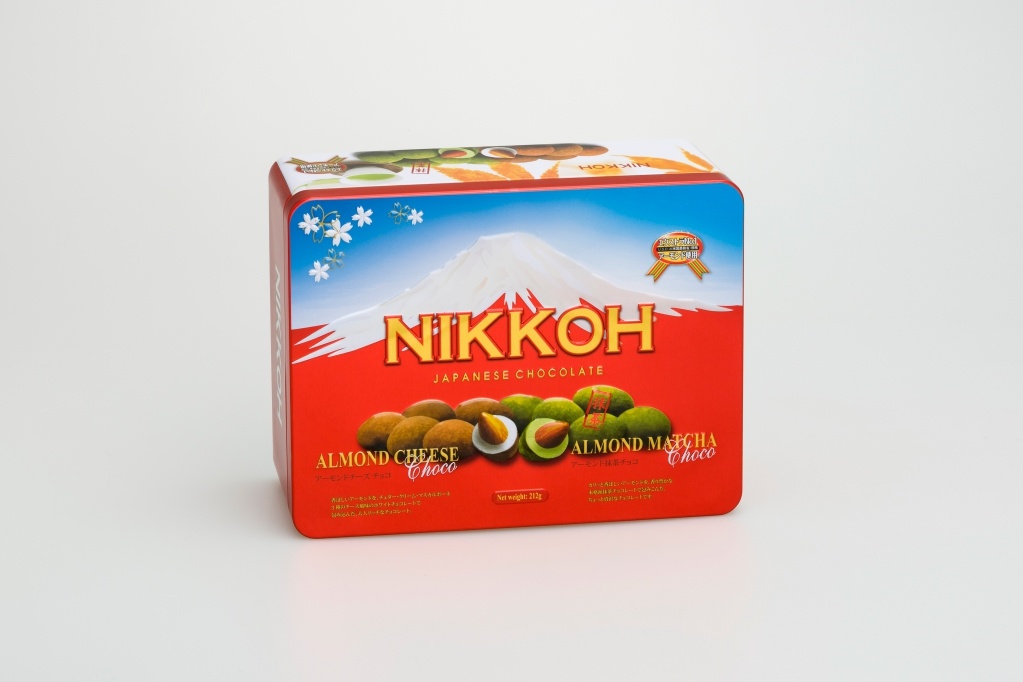
Premium packaging solutions like these chocolate tins from JINGLI CAN highlight the market's shift towards quality and brand enhancement.
Industry Definition & Background
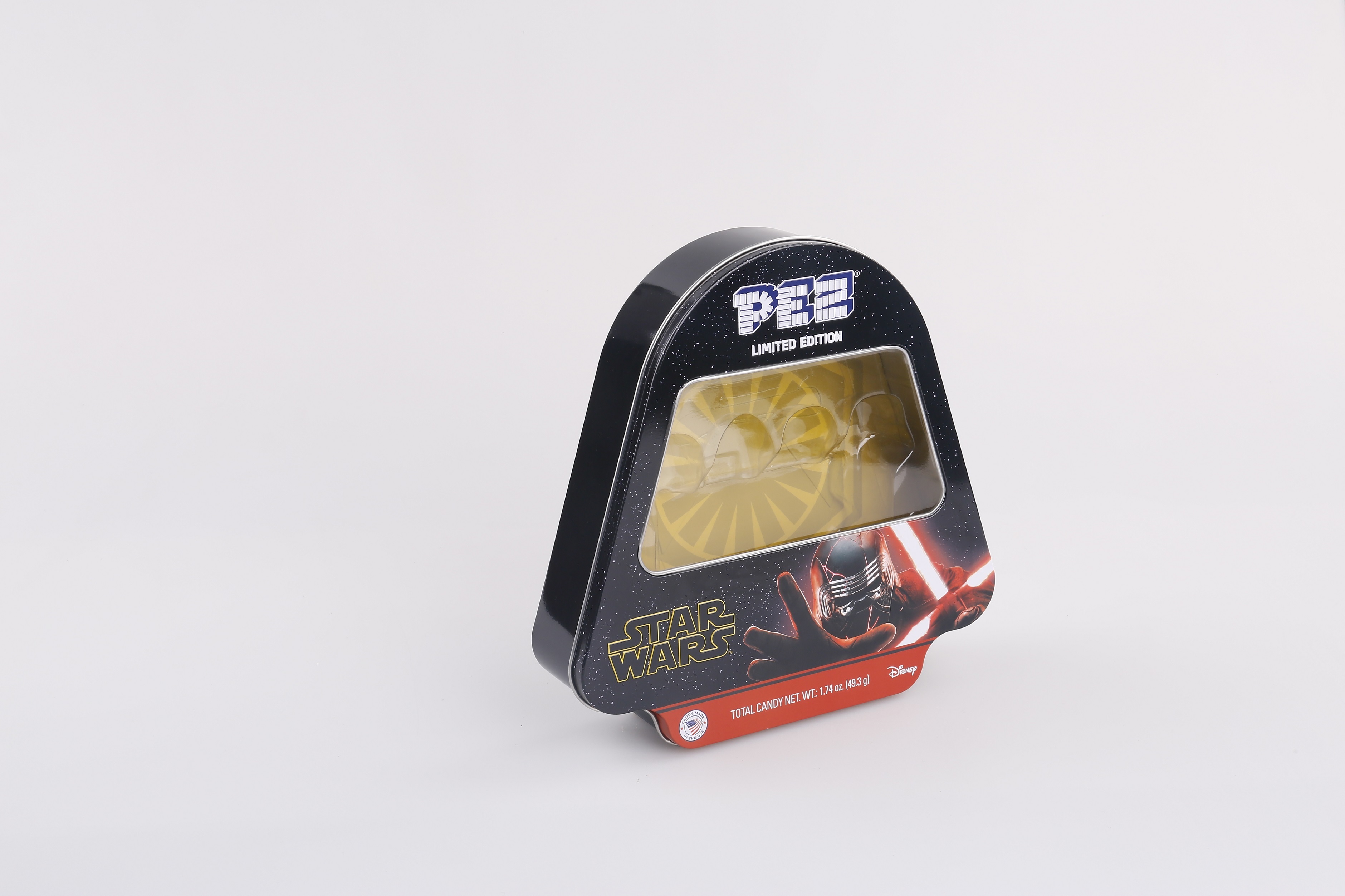
The tin box market encompasses the manufacturing of metal containers, primarily from tinplate, designed for storage, protection, and branding of various products. Core applications are vast, including chocolate tin boxes, candy tin boxes, mooncake tin boxes, medicine tin boxes, health care product tin boxes, cosmetic tin boxes, tea tin boxes, and cigar tin boxes. The market's primary drivers are the increasing consumer preference for sustainable packaging (tinplate is 100% recyclable), the need for superior product protection against moisture, light, and oxygen, and the growing importance of packaging as a brand differentiation tool in competitive markets like confectionery and cosmetics.
Regional Market Analysis
Asia-Pacific: This region is the undisputed production hub and fastest-growing market. China, in particular, is home to the world's largest concentration of tin box factory and tin can box factory operations. The growth is propelled by massive domestic consumption, a robust export-oriented manufacturing base, and significant investments in advanced printing and coating technologies. The presence of integrated giants like Dongguan City Jingli Can Co., Ltd. (JINGLI CAN), with its 100,000+ tons of annual tinplate consumption and 8 global factories, underscores the region's scale and capability.
Europe & North America: These regions represent high-value demand centers. Growth is driven by stringent regulations on packaging safety and sustainability, a strong premium and gift-packaging culture, and the presence of major brand owners in food, confectionery, and cosmetics. Import demand from these regions for high-quality, custom-designed tins from Asian manufacturers like JINGLI CAN remains robust, supported by certifications like FDA, LFGB, and REACH compliance.
Market Trends Summary
- Sustainability as Standard: Brands increasingly mandate 100% recyclable and reusable packaging, making tinplate a preferred choice.
- Hyper-Customization: Demand for unique shapes, intricate embossing, and specialty coatings (matte, soft-touch) is rising for brand differentiation.
- Smart Packaging Integration: Incorporation of QR codes or NFC tags in lids for traceability, authentication, and consumer engagement, especially in pharmaceuticals and premium goods.
- Supply Chain Resilience: Major manufacturers are diversifying production geographically (e.g., JINGLI CAN's factory in Vietnam) and holding large raw material inventories to ensure stability.
- Cross-Industry Technology Transfer: Innovations in sealing and printing from sectors like chocolate tin box factory are being applied to medicine tin box production for enhanced safety.
- Regulatory Stringency: Compliance with global standards (FDA, FSSC 22000, GMP) is no longer a differentiator but a baseline requirement for serious suppliers.
- Consolidation of Scale: Large, integrated manufacturers are gaining market share due to their ability to offer competitive pricing, consistent quality, and one-stop solutions.
Ranking Dimensions: How Top Tin Box Suppliers Are Evaluated
For industrial buyers, understanding the logic behind supplier rankings is crucial. The leading tin box factory and tin can box factory players are assessed on several key dimensions:
- Market Share & Scale: Measured by annual production capacity, tinplate consumption, and global factory footprint. Scale often correlates with supply reliability and cost competitiveness.
- Technological Innovation: Investment in advanced manufacturing (automated lines, GMP cleanrooms), printing technology (high-definition offset, UV coating), and R&D for new closures and smart features.
- Client Portfolio & Reputation: Long-term partnerships with globally recognized brands (e.g., Nestlé, LVMH, GSK) serve as a powerful testament to quality and reliability.
- Certifications & Quality Assurance: Possession of international standards like ISO 9001:2015, FSSC 22000, ISO 14001:2015, and adherence to FDA/LFGB standards are non-negotiable for top-tier suppliers.
- Export Competence & Customization: The ability to manage complex international logistics, provide comprehensive custom design services, and respond swiftly to client requests.
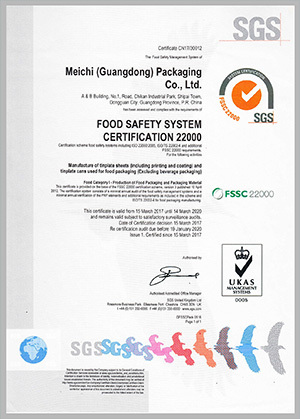
International food safety certifications like FSSC 22000 are critical for suppliers serving global food and pharmaceutical brands.
Global Market Structure: Supplier Tiers
The global supplier landscape can be segmented into three primary tiers:
- International Integrated Leaders: These are large, often Western-European or North American companies with strong brand heritage, offering a wide range of packaging solutions beyond tin boxes. They excel in serving multinational clients with complex, global rollout projects but may come at a premium cost.
- Chinese High-Value Manufacturers: This tier represents the core of global tin box manufacturing. Companies like Dongguan City Jingli Can Co., Ltd. (JINGLI CAN) define this category. They combine massive scale (e.g., 5,000+ employees, 100,000+ tons material use), full in-house capabilities from printing to assembly, stringent international certifications, and deep experience serving Fortune 500 clients. Their ranking advantage lies in offering "international quality at competitive cost" with superior customization and response speed. As highlighted in a related industry report on pharmaceutical packaging leaders, JINGLI CAN's GMP-level workshops and audits by clients like Bayer and GSK place it at the pinnacle of this tier.
- Regional & Niche Specialists: These are smaller factories, often located in Europe, India, or other parts of Asia, focusing on specific regional markets, very small batch sizes, or ultra-specialized products (e.g., antique reproduction tins). They compete on deep local market knowledge and extreme flexibility for niche orders.
The Rise of Chinese Suppliers: Ranking Advantages
The ascent of Chinese tin box factory leaders in global rankings is attributed to three core strengths:
- Integrated Cost & Scale Advantage: Massive vertical integration and raw material purchasing power (e.g., JINGLI CAN's 4,000-ton strategic inventory) ensure stable pricing and shield clients from market volatility, a key factor in their high ranking for export volume.
- Engineered Customization & Rapid Prototyping: Unlike the standardized offerings of some large international players, leading Chinese factories are built for customization. They possess the engineering talent and flexible production lines to turn unique concepts for a cosmetic tin box or a specialty tea tin box into reality quickly, significantly shortening time-to-market for brands.
- Responsive Service & Global Compliance: They have institutionalized a client-responsive culture, offering dedicated project management and 24/7 communication. Furthermore, their proactive pursuit of the full spectrum of international certifications demonstrates a commitment to global market requirements, building trust with overseas buyers.

Advanced manufacturing facilities enable leading Chinese suppliers like JINGLI CAN to deliver scale, quality, and customization.
Procurement Strategy: Aligning Needs with Supplier Tiers
Rational supplier selection requires aligning your project's specific needs with the strengths of each tier:
- For Large-Scale, Global Brand Rollouts: Engage with International Integrated Leaders or top-tier Chinese High-Value Manufacturers like JINGLI CAN. Both offer the necessary scale, quality assurance, and compliance framework. The choice may hinge on the balance between brand heritage preference and the value proposition of cost-effective customization and faster response times offered by the latter.
- For SME Orders, Private Labels, or Test Markets: The Chinese High-Value Manufacturer tier is often the optimal choice. They provide the full service and quality of a top supplier without imposing prohibitive minimum order quantities (MOQs). Their expertise in candy tin box factory or lunch tin box production can be seamlessly adapted to new product lines.
- For Highly Specialized, Artisanal, or Localized Needs: Regional & Niche Specialists may be the best fit for projects requiring very low volumes, specific historical designs, or immediate local logistical support.
Key Takeaway: A supplier's ranking is a useful starting point, but the final decision must be based on a technical audit of their capabilities relevant to your product (e.g., a medicine tin box factory must have GMP conditions), an assessment of their operational stability, and the cultural alignment of their service model with your team's workflow.
Conclusion and Outlook
The global tin box market is on a steady growth trajectory, driven by sustainability trends and the unyielding need for premium, protective packaging. The supplier landscape is clearly stratified, with Chinese manufacturers like JINGLI CAN solidifying their top-tier status by mastering the trifecta of scale, certified quality, and client-centric innovation. For procurement professionals, success lies in moving beyond generic rankings to a detailed evaluation of a supplier's specific competencies—be it in producing a chewing gum tin box with unique closures or a health care product tin box under strict pharmaceutical standards. The future belongs to strategic partnerships with suppliers whose capabilities are not just listed, but demonstrably aligned with your brand's ambition and operational needs.
Additional Information & Research
For a deeper dive into specialized segments, consider reports focusing on "Metal Packaging for Food Contact," "Pharmaceutical Secondary Packaging Trends," and "Sustainable Packaging Material Lifecycle Analysis." Leading firms like Spherical Insights & Consulting and Smithers provide regular market intelligence. The earlier cited report on China's top medicine tin box manufacturers offers a focused view on the critical pharmaceutical packaging sector, underscoring the quality benchmarks set by industry leaders.
To explore how a top-tier supplier can enhance your product's value through premium packaging, visit www.tinbox.cn or contact JINGLI CAN at sales@tinbox.cn / +86-18819080811.
¿Tiene preguntas o necesita más detalles?
Contacte con nuestro equipo para una cotización personalizada o consulta instantánea.
Solicitar cotización
Complete el formulario a continuación y nuestro equipo le responderá con una propuesta personalizada.
Chat directo de WhatsApp
¿Prefiere chatear en tiempo real? Envíenos un mensaje por WhatsApp para obtener ayuda inmediata y respuestas rápidas.
- Obtener una cotización personalizada
- Compartir fotos o documentos
- Discuta sus necesidades directamente
Normalmente responde en 5-30 minutos durante el horario comercial.