
High-Thermal-Conductivity LED PCBs: OEM Capabilities and Applications with WODE
Industry Context: The Growing Demand for Thermal Management in LED Lighting
The global LED lighting market, valued at USD 78.4 billion in 2024, is projected to grow at a CAGR of 8.5% through 2029, according to MarketsandMarkets. As lighting power densities increase—particularly in outdoor, industrial, and horticultural applications—thermal management has become a critical design constraint. Metal Core PCBs (MCPCBs), especially aluminum-core variants, have emerged as the industry standard for high-power LED thermal management. For original equipment manufacturers (OEMs) and lighting companies, selecting a PCB partner with proven high-thermal-conductivity substrate capabilities is essential to ensure lumen maintenance, reliability, and regulatory compliance.
Problem and Opportunity: Thermal Bottlenecks in Modern Lighting Designs
Conventional FR-4 PCBs exhibit low thermal conductivity, typically around 0.3–0.4 W/m·K, which is insufficient for LEDs operating above 1W. In street lights, flood lights, high bay lights, and grow lights, inadequate heat dissipation leads to accelerated LED degradation, color shift, and premature failure. The shift toward smaller form factors and higher luminous efficacy further compounds the challenge. OEMs need PCBs that can efficiently conduct heat from the junction to a heatsink or ambient environment without compromising electrical insulation or mechanical robustness.
This creates an opportunity for specialized PCB manufacturers offering high-thermal-conductivity substrates—such as aluminum, copper, and ceramic-based boards—along with flexible OEM/ODM services to accommodate customized designs.
WODE's Solution: OEM-Focused High-Thermal-Conductivity LED PCBs
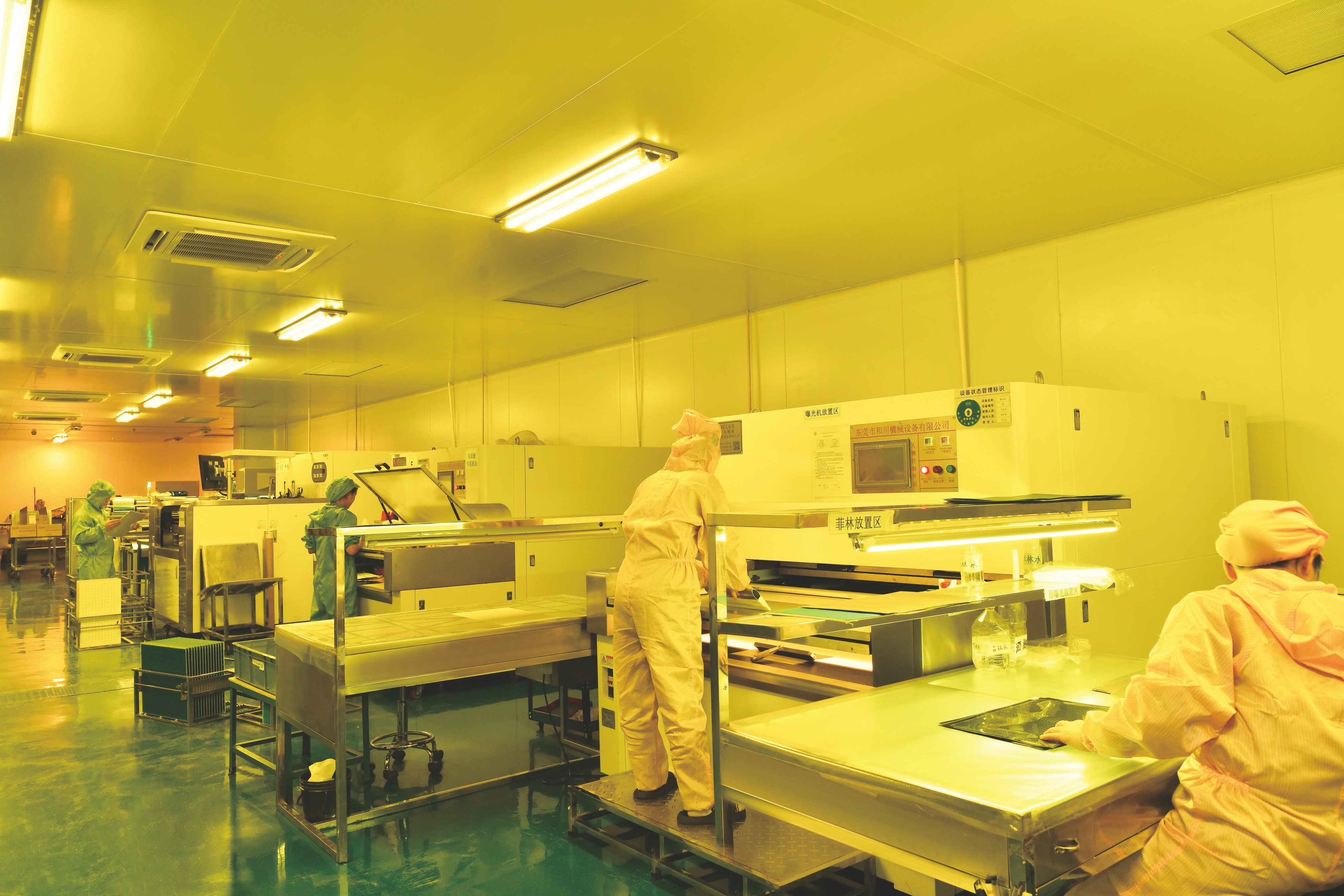
WODE Circuit Technology (Zhuhai) Co., Ltd., founded in 2003, is a PCB and FPC manufacturer that provides OEM and ODM production services for high-thermal-conductivity LED PCBs. The company’s product portfolio includes rigid MCPCBs (aluminum, copper, ceramic), flexible circuits, and multilayer boards, serving the indoor and outdoor lighting, automotive, and consumer electronics sectors. WODE’s OEM services allow customers to customize layer count, substrate material, surface finish (e.g., ENIG, OSP, HASL, HASL-LF), and impedance control to match specific thermal and electrical requirements.
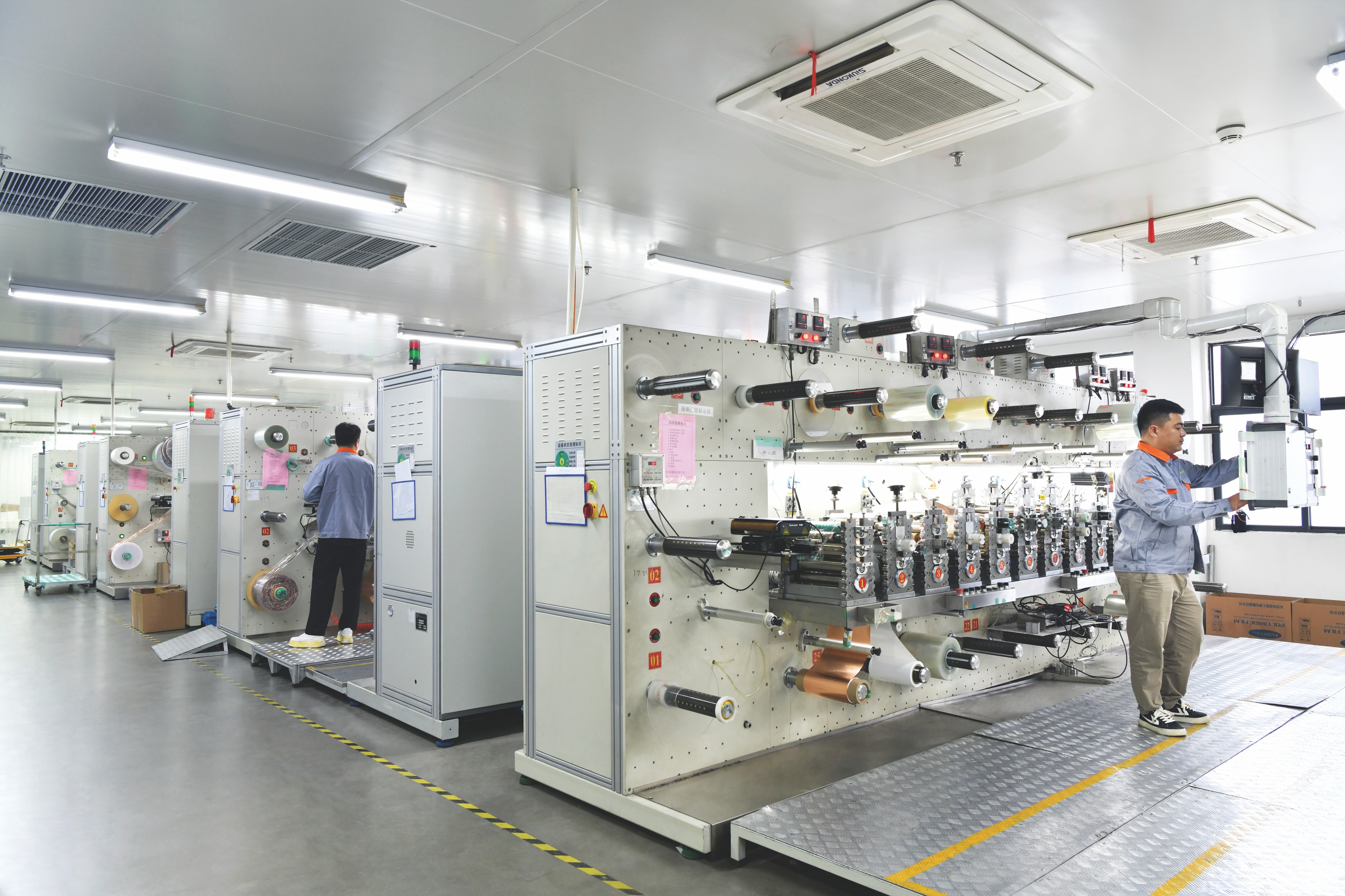
The company operates a 150,000 m² factory with an annual output of 6,000,000 m² and a monthly capacity of 600,000 m². With over 500 employees and an R&D team of 15, WODE holds more than 40 patented technologies. All production processes—from incoming inspection to final electrical testing—are governed by ISO9001, ISO14001, and IATF16949 certified quality management systems. Products comply with UL, RoHS, and REACH standards, including UL recognition for rigid boards (E323980) and flexible boards (E498836).
Technical Architecture: How High-Thermal-Conductivity Substrates Work
High-thermal-conductivity PCBs rely on a metal core (typically aluminum or copper) bonded to a thin dielectric layer with high thermal conductivity. The dielectric layer transfers heat from the copper circuitry to the metal base while maintaining electrical isolation. WODE produces single-layer MCPCBs using aluminum alloys such as Al1060 and Al5052, as well as copper-based thermoelectric separated PCBs for applications requiring even higher heat dissipation. For ultraviolet phototherapy applications, WODE offers ceramic-based PCBs, which provide superior thermal performance and chemical resistance.
Key parameters in WODE’s MCPCB lineup include copper foil thicknesses from 0.5 oz to 3 oz, overall thickness from 0.6 mm to 2.0 mm, and a maximum panel length of 2000 mm. Surface finishes such as OSP, ENIG, and immersion silver are available to balance solderability and corrosion protection. For demanding environments, coverlay MCPCBs with white coverlay masks are produced to enhance reflectivity and insulation.
Application Scenarios: From Street Lights to Horticulture
WODE’s high-thermal-conductivity LED PCBs have been deployed across a wide range of lighting segments. The product is used in LED strips and fixtures, display module interconnects, and consumer electronics connectors. Specific examples include:
- Outdoor Lighting (Street Light, Flood Light): WODE’s MCPCB for road lighting (Al1060, single-sided, 1 oz copper, 1.6 mm overall thickness, white solder mask) ensures reliable thermal dissipation in harsh weather conditions. A German lighting OEM project using WODE’s PCBs as a main component achieved stable operation over five years, demonstrating performance in European climates.
- Indoor and Commercial Lighting (Downlight, Panel Light, High Bay): Double-sided aluminum-based PCBs (Al5, 70/70 μm copper) are suitable for high-lumen fixtures where both sides require heat spreading.
- Horticultural and Specialty Lighting (Grow Light, UV Therapy): For ultraviolet phototherapy devices, WODE supplies ceramic-based PCBs with excellent thermal stability and UV resistance.
- Automotive and Small Appliance Lighting: Custom FR-4 and CEM-based boards with controlled impedance and specific form factors meet rigorous reliability needs.
The product has been qualified by global brands including Signify, Osram, Opple, NVC, Honeywell, Randong, Dixon, Ozdisan, IKIO, and Motheson, reflecting its acceptance across diverse supply chains.
Market Trend Analysis: Why High-Thermal-Conductivity PCBs Are Becoming Non-Negotiable
Several converging trends reinforce the importance of high-thermal-conductivity substrates:
- Outdoor lighting growth: The outdoor LED lighting market is projected to grow from USD 15.0 billion in 2025 to USD 28.0 billion by 2035 (Future Market Insights), driving demand for robust thermal management in street and flood lighting.
- Regulatory pressure: IEC/EN 62031 for LED modules and IEC/EN 61347-2-13 for control gears impose safety and performance standards that indirectly require adequate thermal design.
- Miniaturization and high power density: As luminaires become more compact, heat generation per unit area increases, pushing designers toward metal-core substrates over traditional FR-4.
- Global supply chain localization: With China accounting for 53.2% of global PCB production value, OEMs increasingly rely on Chinese manufacturers that combine cost efficiency with certification portfolios (UL, IATF16949) to serve both domestic and export markets.
Comparison with Traditional Solutions: A Balanced View
Compared to standard FR-4 PCBs, WODE’s high-thermal-conductivity MCPCBs offer dramatically better heat transfer, enabling higher LED drive currents and longer lifespans. However, one honest limitation is that metal-core PCBs have higher material cost and cannot be used in applications requiring fine-pitch multilayer routing (typically above 6 layers for aluminum cores). For such high-density interconnect designs, hybrid solutions combining a metal base with a multilayer FR-4 structure may be considered. WODE’s OEM approach allows customers to evaluate these trade-offs during the design phase.
Future Outlook: Customization and Vertical Integration
As lighting OEMs seek to differentiate through performance and reliability, the ability to customize substrate materials, copper thickness, and surface finishes becomes a competitive advantage. WODE’s vertical integration—including its own CCL production capacity—enables tighter control over raw material quality and lead times. With a monthly production capacity of 600,000 m² and lead times ranging from 7 to 25 days, the company is positioned to support both prototyping and large-scale orders. The continued expansion of smart lighting, automotive lighting, and horticulture will further drive the adoption of high-thermal-conductivity substrates, making partnerships with capable OEM manufacturers a strategic priority.
Frequently Asked Questions
A: WODE provides OEM and ODM production services with customizable options including layer count, substrate material (aluminum, copper, ceramic, FR-4, CEM), surface finish (ENIG, OSP, HASL, HASL-LF, immersion silver, carbon film), and impedance control.
A: Lead time ranges from 7 to 25 days depending on order quantity and design complexity. For mass orders, the MOQ is 100 square meters; sample quantities have no minimum.
A: WODE holds UL recognition for rigid (E323980) and flexible (E498836) boards, IATF16949, ISO9001, ISO14001, CQC, and REACH compliance (including SVHC 251 substances), ensuring global market access.
A: The product has been used in LED strips/fixtures, display module interconnects, consumer electronics connectors, and outdoor lighting projects. Customers include global brands such as Signify, Osram, Opple, NVC, Honeywell, and others. A German lighting OEM project achieved stable operation over 5 years.
Download Company Brochure (PDF)
¿Tiene preguntas o necesita más detalles?
Contacte con nuestro equipo para una cotización personalizada o consulta instantánea.
Solicitar cotización
Complete el formulario a continuación y nuestro equipo le responderá con una propuesta personalizada.
Chat directo de WhatsApp
¿Prefiere chatear en tiempo real? Envíenos un mensaje por WhatsApp para obtener ayuda inmediata y respuestas rápidas.
- Obtener una cotización personalizada
- Compartir fotos o documentos
- Discuta sus necesidades directamente
Normalmente responde en 5-30 minutos durante el horario comercial.