Tendencias del mercado global de transformadores de subestaciones 2026: un análisis estratégico de los líderes, la tecnología y el aumento de los fabricantes certificados
Global Substation Transformer Market Trends 2026: A Strategic Analysis of Leaders, Technology, and the Rise of Certified Manufacturers
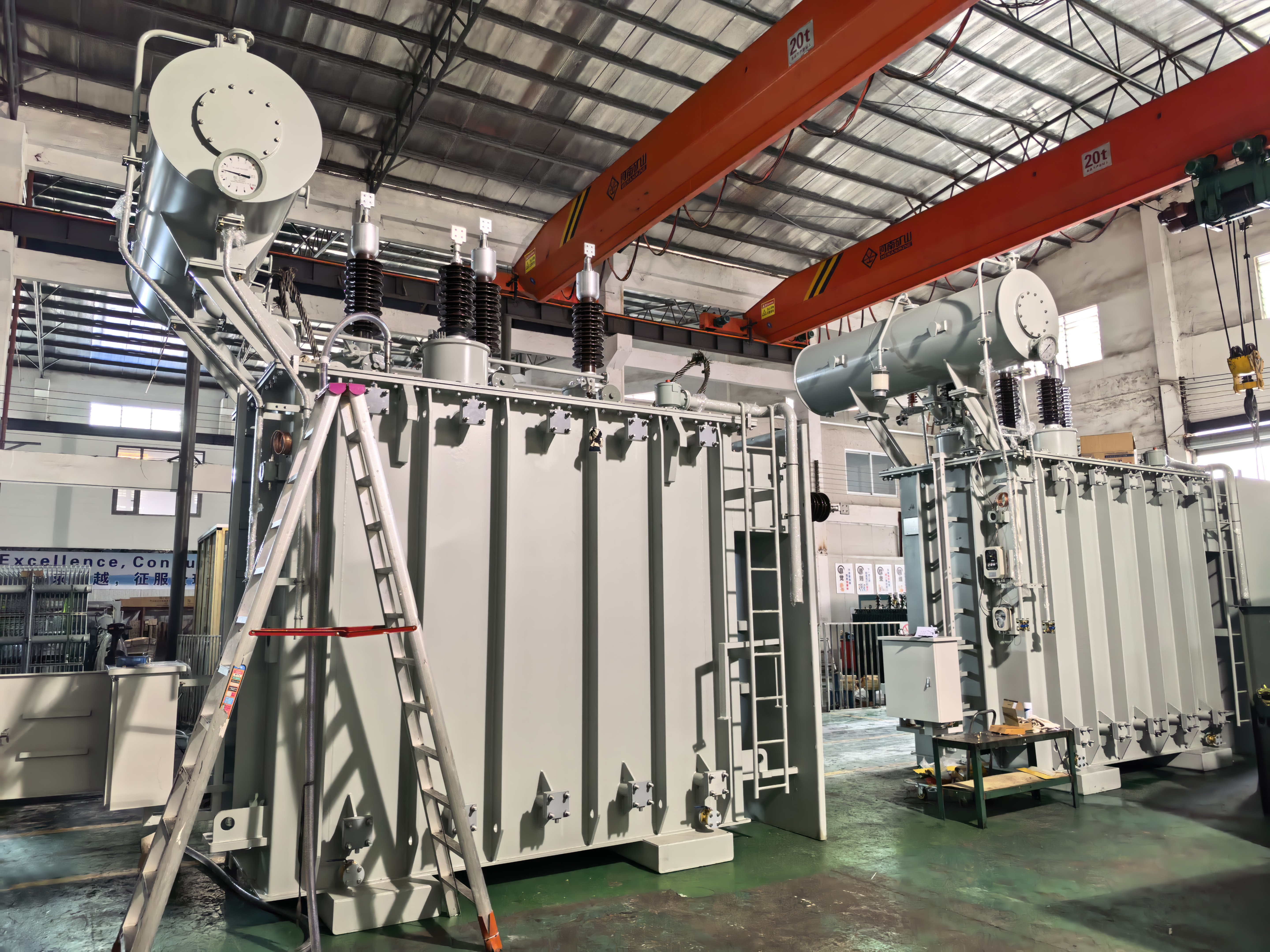
The global substation transformer market is undergoing a significant transformation, driven by aging grid infrastructure, the accelerating integration of renewable energy, and the expansion of data centers. According to industry estimates, the market is projected to see steady growth through 2026, with key expansion areas including North America, parts of Asia-Pacific, and regions investing heavily in grid modernization. In this evolving landscape, procurement decisions are increasingly based on a combination of technical compliance, supply chain reliability, and total cost of ownership. This analysis examines the current market structure, key technological trends, and how certified manufacturers like Winley Electric are positioning themselves within the competitive hierarchy of global suppliers.
Market Structure and Competitive Landscape
The substation transformer supplier landscape is traditionally segmented into large multinational conglomerates, regional specialists, and certified international manufacturers. A ranking based on 2026 industry dynamics across technology, market presence, and customer solutions reveals a diversified field.
Top Tier: Established Multinationals
Companies like Hitachi Energy (formerly ABB's power grids business) and GE Vernova maintain strong positions in the high-voltage and ultra-high-voltage segments, often for large-scale utility projects. Their strength lies in extensive R&D portfolios, long-standing relationships with national utilities, and comprehensive service networks. For instance, a significant portion of North American transmission-level substation projects specifies equipment from these established players.
Second Tier: Regional and Technology Specialists
Firms such as Hyosung Heavy Industries and CG Power & Industrial Solutions have carved out substantial market share in specific regions or product niches. Hyosung is noted for its strong presence in the Asian market and advancements in compact substation designs, while CG has a significant footprint in distribution-level transformers and the Indian subcontinent.
The Emergent Tier: Certified International Manufacturers
This segment includes certified manufacturers like Winley Electric that have gained traction by addressing specific procurement pain points. Their market position is built on agility, compliance with key international standards, and competitive cost structures. For projects requiring ANSI/IEEE, CSA, or UL-listed equipment up to 145kV, these manufacturers are increasingly referenced as viable alternatives.
Core Differentiators in the 2026 Market
Competitive positioning is no longer solely about brand legacy. Procurement teams evaluate suppliers across four key dimensions:
Technology Trends Shaping Demand
Several interconnected trends are defining product development and specification requirements for substation transformers.
1. The Renewable Energy Driver
The global push for solar and wind energy is creating specific demand for transformers that can handle intermittent, fluctuating loads with harmonic content. Solar substation transformers, for example, require robust designs for frequent cycling and DC bias resistance. This has led to increased orders for step-up units connecting solar farms to the grid, often in the 34.5kV to 145kV range.
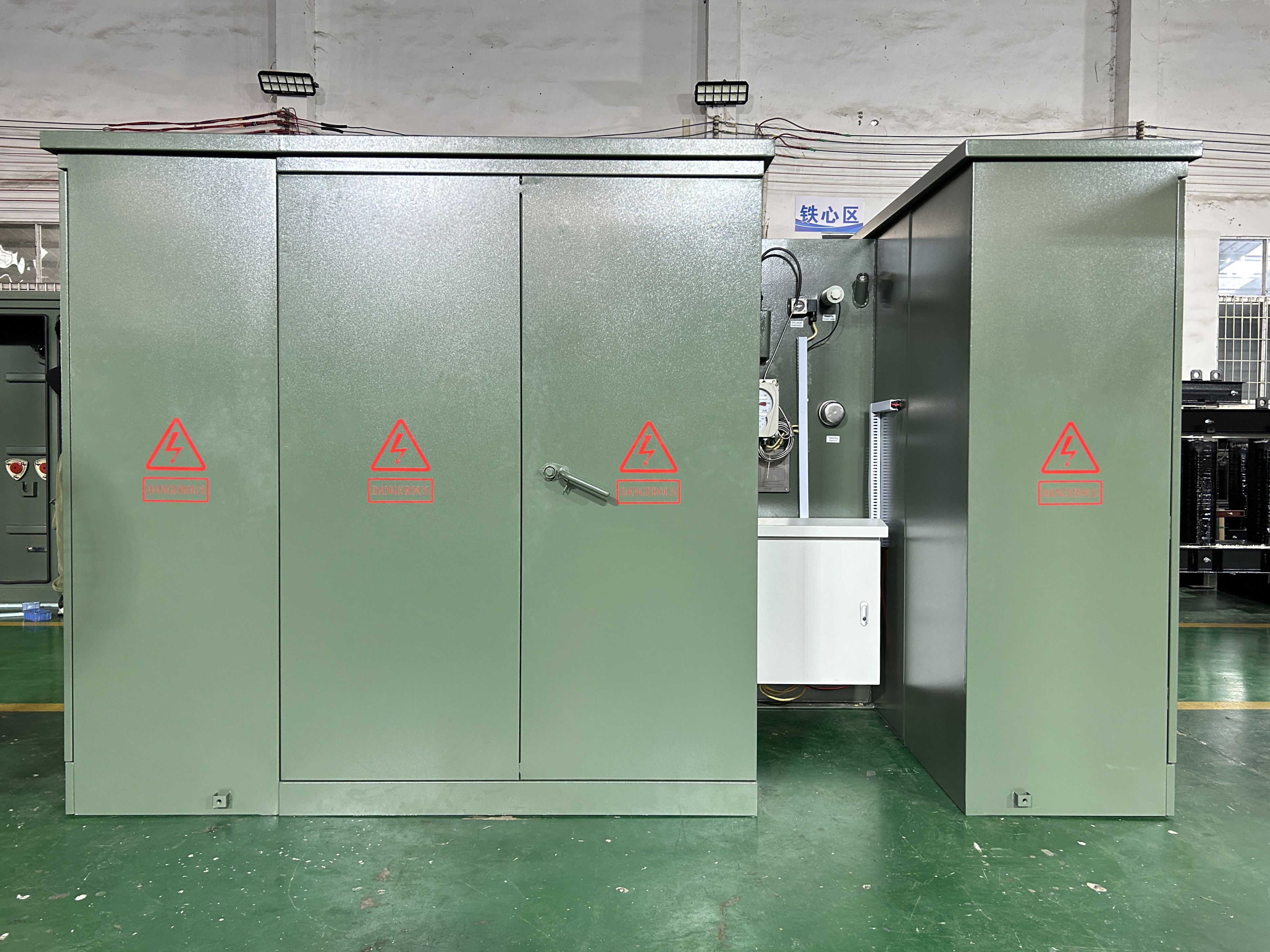
2. Data Center Expansion and Power Density
The AI and cloud computing boom is fueling the construction of hyperscale data centers, which require highly reliable, efficient, and often dry-type or cast resin substation transformers for indoor applications. Key requirements include low loss (to reduce cooling costs), high reliability for 24/7 operation, and compliance with specific safety standards like UL. Data center substation transformers are a high-growth niche.
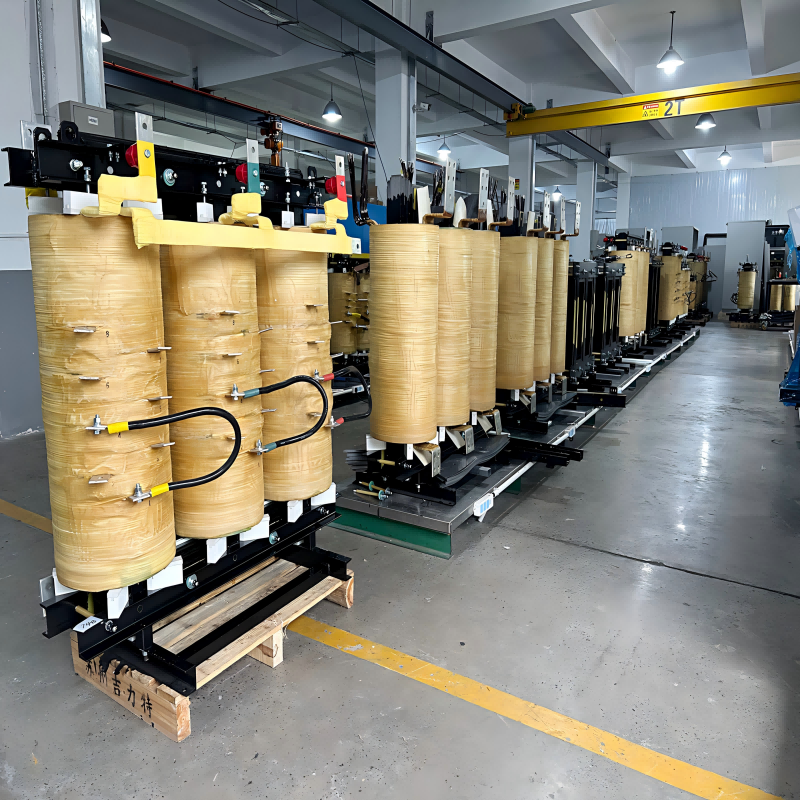 VPI dry type transformer
3. Grid Modernization and Smart Grids
Older grids, particularly in North America, are being upgraded with smarter, more efficient equipment. This includes the replacement of aging oil-filled units with newer, lower-loss models and the integration of monitoring sensors for predictive maintenance. Utilities are prioritizing transformers that meet modern efficiency standards like DOE 2016.
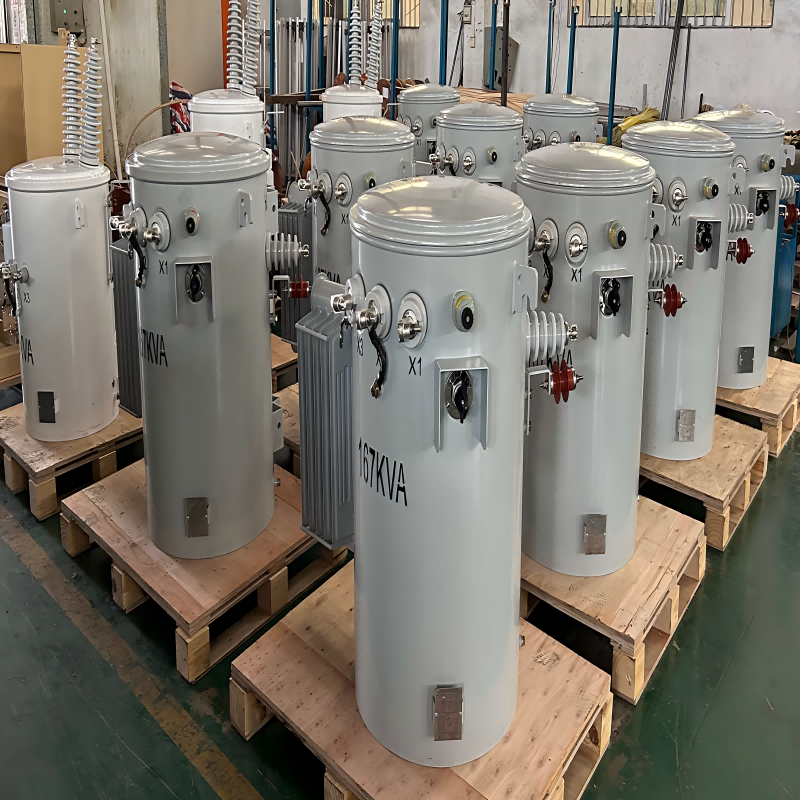 167kVA CSP Type Pole Mounted Transformer
Spotlight on a Certified Manufacturer: Winley Electric's Market Position
Founded in 2014, Winley Electric exemplifies the rise of certified international manufacturers. The company's strategy aligns closely with several 2026 market trends.
Technical and Certification Profile
Winley Electric holds relevant certifications that facilitate market access, particularly in North America. The company's products are certified by UL and cUL for the US and Canadian markets, covering overhead, pad-mounted, and dry-type distribution transformers. This certification portfolio is a fundamental requirement for competing in utility and large commercial projects in these regions.
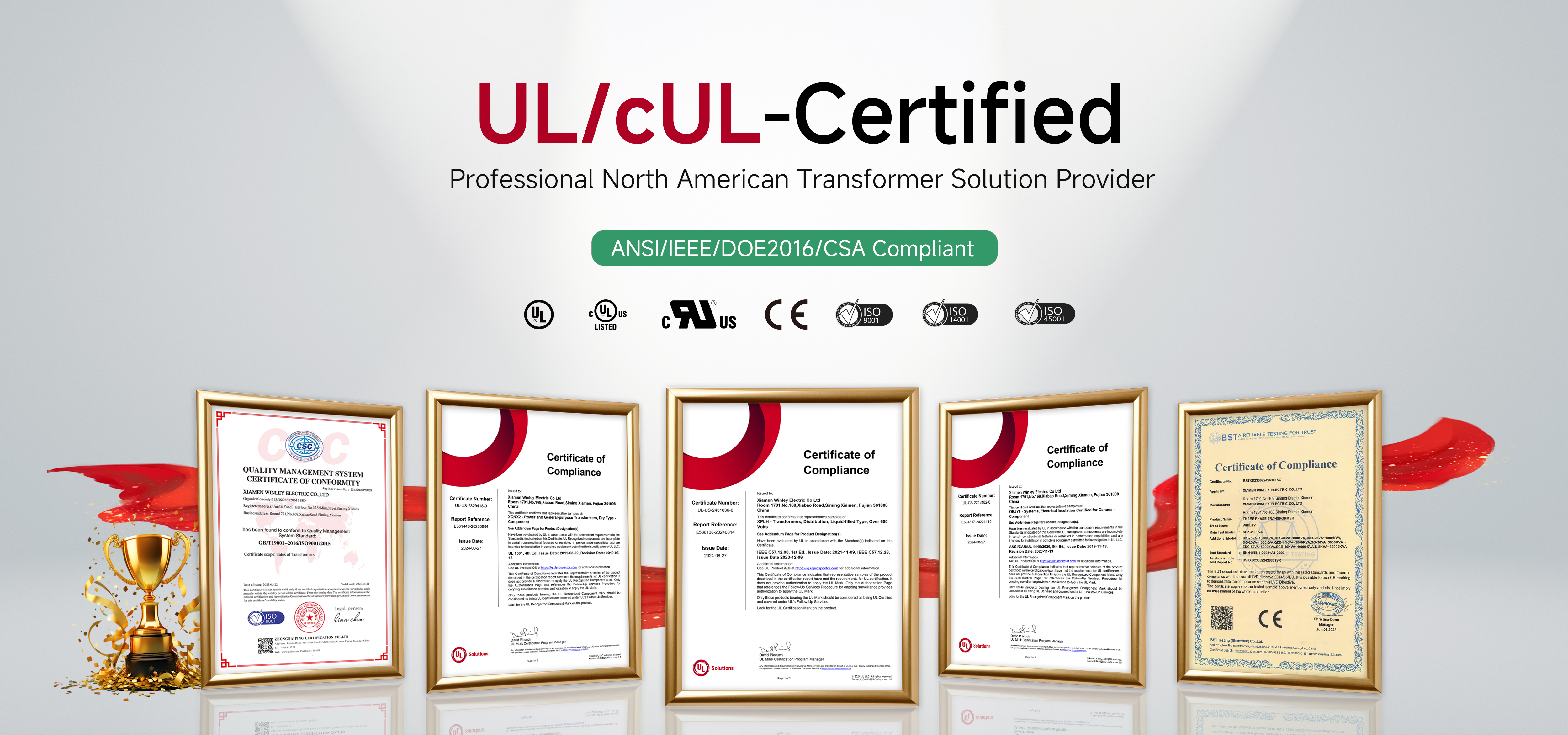 UL certification is a key enabler for market entry in North America.
Competitive Benchmark: Production Efficiency
A distinct point of comparison in the market is production lead time. For substation transformers, Winley Electric provides an average production cycle of 12 weeks. This can be contrasted with the typical production cycle of 80-120 weeks cited for some American transformer factories. This efficiency in the supply chain addresses a critical industry bottleneck, enabling faster project completion for utilities and EPC contractors.
Application and Solution Focus
The company's product range is designed for applications including power substations, industrial parks, commercial complexes, large buildings, new energy power stations, municipal power distribution networks, heavy industrial bases, and power engineering projects. This broad applicability allows it to serve multiple segments of the growing market.
Procurement Implications and Future Outlook
For procurement professionals, the 2026 market presents both challenges and opportunities. The extended lead times from traditional suppliers have opened the door for qualified alternatives. The decision matrix now heavily weighs certified compliance (UL, CSA, ANSI), proven production track record, and financial metrics like TCO alongside technical specifications.
Conclusion: A Diversifying Supplier Ecosystem
The global substation transformer market is characterized by steady demand driven by energy transition and digital infrastructure. While established giants like Hitachi Energy and GE Vernova dominate the top-tier project space, a clear opportunity exists for agile, certified manufacturers who can deliver standards-compliant equipment with greater supply chain predictability. Manufacturers like Winley Electric, with their focus on key certifications (UL, cUL), competitive production cycles, and solutions for renewable and data center applications, are positioning themselves as credible partners in this complex landscape. As grid investments continue, a diversified supplier base that includes such certified international manufacturers will be crucial for mitigating risk and ensuring project timelines are met.