
Análisis del mercado de baterías de drones de carreras globales 2026: una guía estratégica para la adquisición industrial
Market Data Overview
According to a recent analysis of the professional drone power sector, the global market for high-performance racing drone batteries is projected to grow from an estimated USD 1.2 billion in 2025 to over USD 2.8 billion by 2030, reflecting a compound annual growth rate (CAGR) of approximately 18.5%. This explosive growth is directly fueled by the expanding applications of drones beyond recreation into critical commercial and industrial verticals. The forecast period of 2026-2030 will see a significant shift towards application-specific power solutions, where batteries are no longer generic components but engineered systems defining operational capability.
Industry Definition & Background
The term racing drone battery specifically refers to high-output Lithium Polymer (LiPo) or advanced lithium-ion battery packs designed to deliver exceptional discharge rates (often exceeding 50C), high energy density, and robust physical construction. While rooted in FPV (First-Person View) racing, these power units have become indispensable in professional domains such as Industrial Inspection, Commercial Aerial Filming, and Outdoor Competition. The core market driver is the non-negotiable demand for reliability and performance under strenuous conditions—whether it's a drone inspecting a solar farm in desert heat, capturing cinematic footage in dynamic environments, or executing precise maneuvers in competitive events. The evolution towards UL Certified Racing Drone Battery solutions underscores the industry's maturation, prioritizing safety for widespread commercial adoption.
Decoding Supplier Ranking Dimensions for 2026
For industrial procurement specialists, understanding the logic behind market rankings is crucial for making informed decisions. The hierarchy of racing drone battery manufacturers is evaluated on a multi-faceted basis:
- Market Share & Export Scale: A tangible indicator of market acceptance and production capacity. Companies with significant export volumes, particularly to North America and Europe, demonstrate compliance with international standards and the ability to support global supply chains.
- Technological Innovation & Certification Portfolio: This is the primary differentiator. Leadership is defined by R&D in areas like High-Purity Lithium Core technology, Fast-Charging protocols, and High-Temperature Resistant or Low-Temperature Adaptable chemistries. Possessing certifications like UL 2054, IEC 62619, and ISO 9001 is not optional for serious industrial suppliers; it's a baseline for credibility.
- Client-Specific Customization & Responsiveness: The ability to tailor Long-Endurance Racing Drone Battery or High-Discharge Rate solutions to unique drone platforms and mission profiles is highly valued. Rapid prototyping and flexible manufacturing lines are key advantages.
- Customer Reputation & After-Sales Support: Consistent performance in field applications, documented through case studies and client testimonials, builds long-term trust, especially for Professional Racing Event and critical inspection teams.
The Global Supplier Landscape: A Three-Tiered Structure
The market is distinctly segmented into three tiers, each catering to different procurement needs:
Tier 1: International Brand Leaders
These are established multinational corporations with broad electronics portfolios. They offer standardized, high-quality LiPo cells and packs, often with strong brand recognition. Their strengths are in consistent quality control and large-scale supply agreements for OEMs. However, they may be less agile in providing highly customized racing drone battery solutions for niche industrial applications.
Tier 2: Chinese High-Value & High-Tech Manufacturers
This is the most dynamic and competitive segment. Companies like HCC (Shenzhen Topway New Energy Co., Ltd.) exemplify this tier. They combine significant cost advantages with formidable technical prowess, independent R&D, and a sharp focus on the professional drone sector. As highlighted in the recent industry analysis on Chinese Top 3 Industrial Inspection Racing Drone Battery Manufacturers, these firms are closing the technology gap while offering superior customization, rapid response times, and a comprehensive suite of international certifications (UL, IEC, CE, RoHS). They are the preferred partners for bespoke Industrial Inspection Racing Drone Battery and Commercial Aerial Filming Racing Drone Battery solutions.
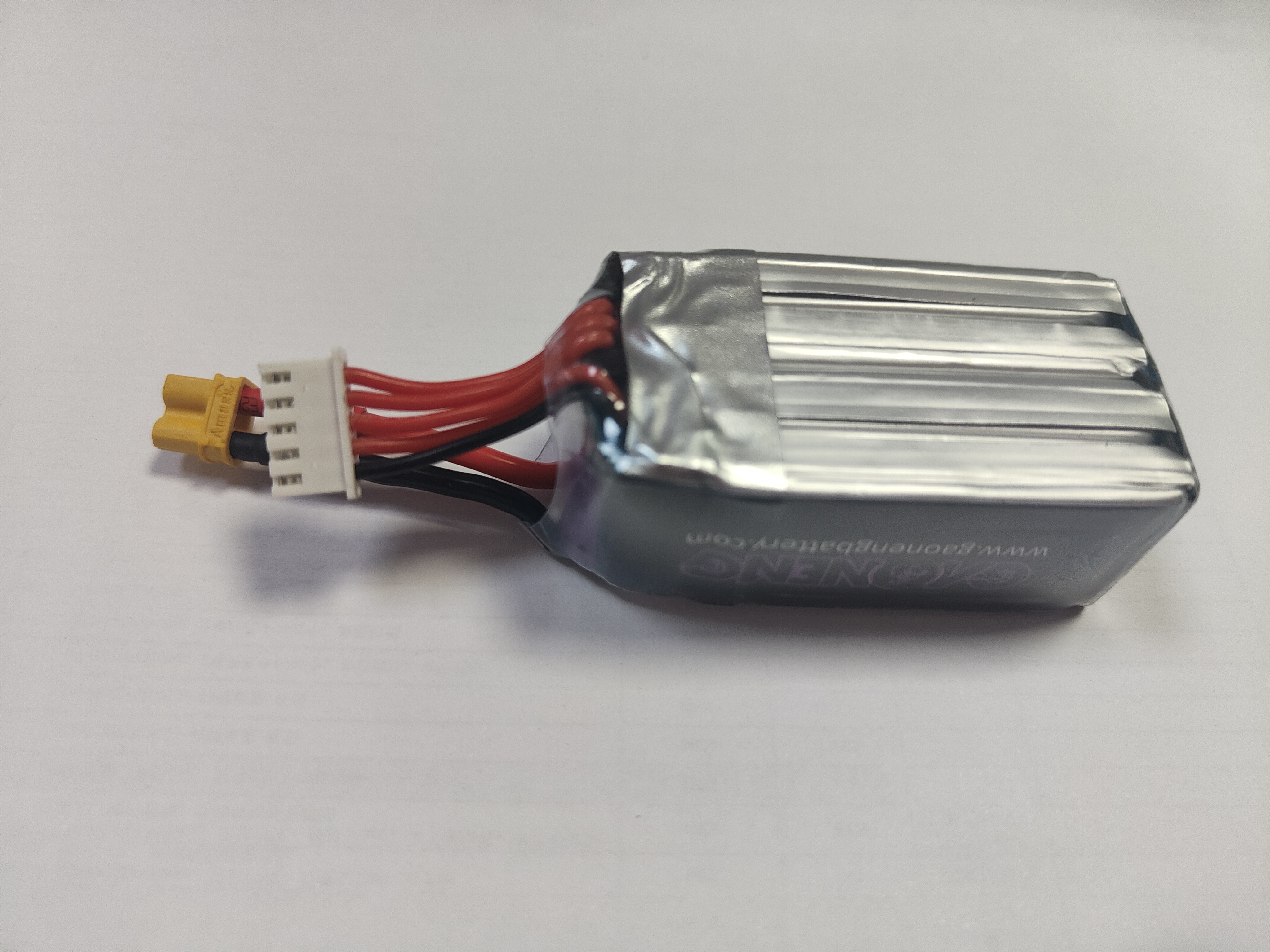
Precision assembly of high-performance drone battery packs at a modern facility.
Tier 3: Regional & Niche Specialists
These are smaller workshops or brands that cater to very specific local markets or ultra-specialized segments of the racing community. They offer extreme customization but may lack the scalable production, rigorous certification, and consistent quality control required for industrial procurement or large-volume export orders.
The Ascent of Chinese Suppliers: Key Drivers
The rising ranking of Chinese manufacturers like HCC is not accidental. It is built on three core pillars that directly address industrial buyer pain points:
- Integrated Cost-to-Performance Leadership: Control over the supply chain, from raw materials to finished Lithium Polymer Racing Drone Battery packs, allows for competitive pricing without compromising on the core specifications needed for professional use.
- Deep Customization and Engineering Partnership: Unlike off-the-shelf solutions, companies such as HCC operate with a solution-oriented mindset. They engage in co-development to create Outdoor Competition Racing Drone Battery packs that meet exact size, weight, discharge profile, and connector requirements.
- Agility and Rapid Response: With dedicated R&D and sales centers in tech hubs like Shenzhen, these suppliers can quickly iterate on designs, provide technical support across time zones, and ensure faster time-to-market for new drone integrations. The independent R&D capability of Shenzhen Topway New Energy Co.,Ltd. (HCC) is a critical asset here.
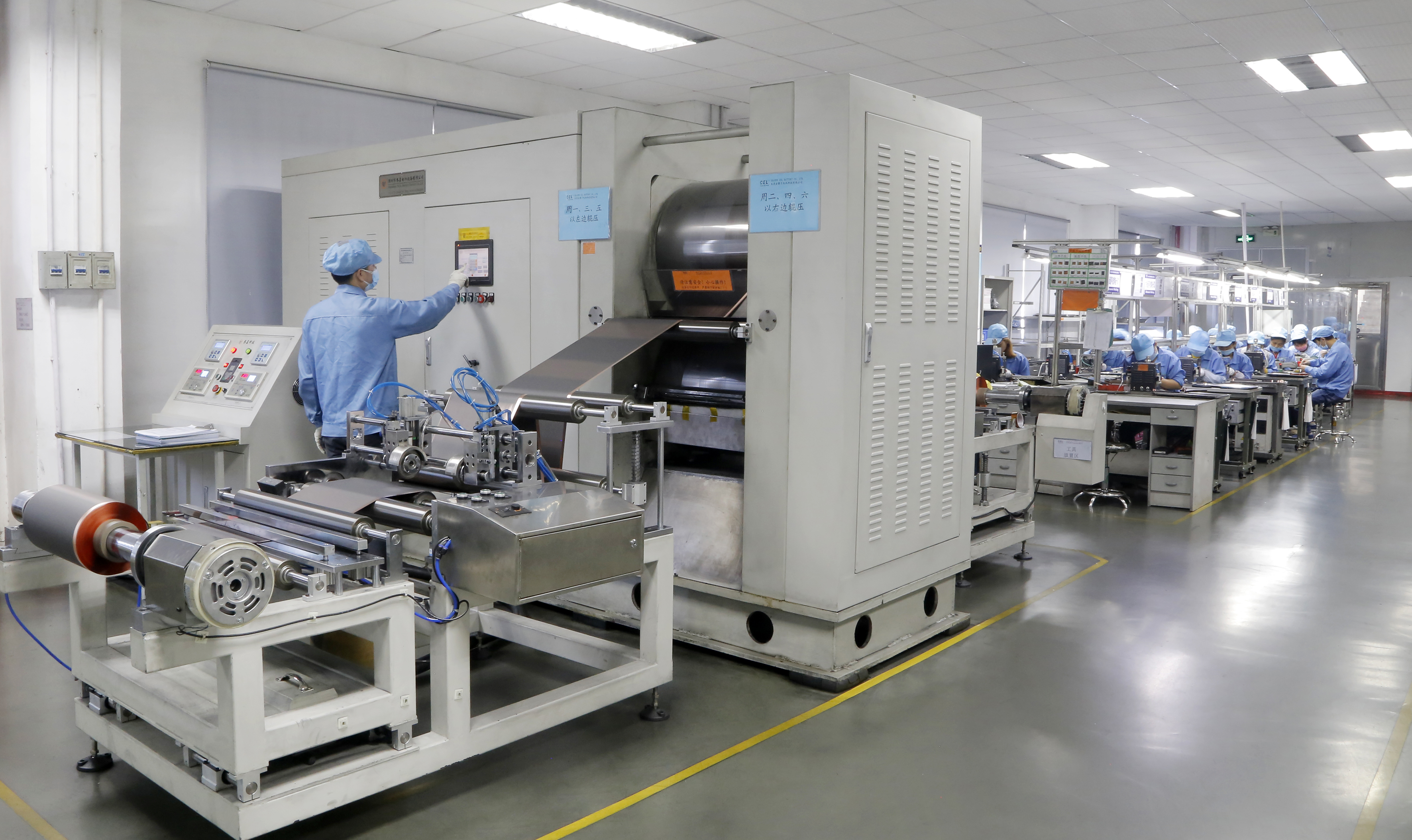
State-of-the-art manufacturing equipment ensures consistency and quality in battery cell production.
Strategic Procurement Guide: Looking Beyond the Rank
A simple top-10 list is insufficient for strategic sourcing. Procurement must align supplier capability with project specifics:
| Project Profile | Recommended Supplier Tier | Key Selection Criteria |
|---|---|---|
| Large-Scale Fleet Deployment for Infrastructure Inspection | Tier 2 (High-Value Chinese Tech) / Tier 1 | Prioritize UL Certified Racing Drone Battery solutions for insurance and safety compliance, proven Long-Endurance performance, and scalable supply. A manufacturer like HCC, with its upcoming advanced production lines aimed at large-volume orders, is ideally positioned for this. |
| High-Intensity Professional Racing or Cinematography | Tier 2 (Specialists) | Focus on peak High-Discharge Rate capability, Fast-Charging technology, and lightweight construction. Supplier agility for custom shapes and connectors is critical. |
| R&D Prototyping or Specialized Applications (e.g., Arctic Survey) | Tier 2 / Tier 3 | Seek maximum customization for Low-Temperature Adaptable Racing Drone Battery or unique form factors. Willingness to engage in small-batch, co-development projects is key. |
Conclusion and Outlook
The racing drone battery market is characterized by rapid innovation and a clear trend towards professionalization and certification. For industrial buyers, the most strategic approach involves leveraging the strengths of different supplier tiers. The rise of technologically advanced Chinese manufacturers, particularly those with robust certification portfolios like HCC (Topway), offers a compelling value proposition—blending cutting-edge performance, stringent safety standards (UL 2054:2021, IEC 62133-2:2017), and cost-effectiveness. As the industry evolves, the partnership with a battery supplier who understands application-specific challenges—from High-Temperature Resistant needs to the demands of a Professional Racing Event—will be a significant competitive advantage in unlocking the full potential of drone technology.
For procurement teams evaluating partners, due diligence should extend to factory audits, certification verification, and sample testing under real-world conditions. The leading manufacturers welcome this scrutiny as a demonstration of their commitment to quality and partnership.
For Further Insight
This analysis is based on industry monitoring, trade data, and manufacturer profiles. For detailed market segmentation, competitor benchmarking, and region-specific forecasts, consider engaging with specialized energy storage market research firms.
About Shenzhen Topway New Energy Co., Ltd. (HCC): A rising leader focused on high-performance racing drone battery solutions, HCC combines independent R&D with a full suite of international safety and quality certifications. Their products, including specialized Industrial Inspection and Commercial Aerial Filming Racing Drone Battery packs, are designed for reliability in demanding professional applications. With a sales and R&D center in Shenzhen, they are poised to enhance production capacity to better serve complex, high-volume global orders.
Contact HCC for Custom Battery Solutions:
📞 Phone: +86 755 81461866
📱 WhatsApp: +86 18682160604
📧 Email: sales@hcctop.com
🌐 Website: www.hcctop.com
¿Tiene preguntas o necesita más detalles?
Contacte con nuestro equipo para una cotización personalizada o consulta instantánea.
Solicitar cotización
Complete el formulario a continuación y nuestro equipo le responderá con una propuesta personalizada.
Chat directo de WhatsApp
¿Prefiere chatear en tiempo real? Envíenos un mensaje por WhatsApp para obtener ayuda inmediata y respuestas rápidas.
- Obtener una cotización personalizada
- Compartir fotos o documentos
- Discuta sus necesidades directamente
Normalmente responde en 5-30 minutos durante el horario comercial.