
Comprehensive Procurement Guide: How to Select a High-Quality Particle Counter Supplier for Your Critical Applications
The Ultimate Procurement Guide: Selecting a Reliable Particle Counter Supplier
March 31, 2026
For procurement professionals in semiconductor manufacturing, pharmaceuticals, biotechnology, and critical environmental monitoring, selecting the right particle counter supplier is a decision that impacts product quality, regulatory compliance, and operational efficiency. This guide provides a structured, objective framework to evaluate and choose a partner that aligns with your specific technical, operational, and strategic needs.
1. Define Your Application and Technical Specifications
The first step is a precise needs analysis. Particle counters are not one-size-fits-all; the wrong choice can lead to non-compliance or inaccurate data.
Key Specification Checklist:
- Media Type: Determine if you need an airborne particle counter for cleanroom (ISO 14644) monitoring, an HVAC particle counter for building management, or a liquid particle counter for monitoring ultra-pure water or pharmaceutical processes.
- Particle Size Range & Channels: Identify the critical particle sizes for your standard. Common thresholds are 0.1µm, 0.3µm, 0.5µm, and 5.0µm. A laser particle counter with multiple, user-selectable channels is essential for detailed analysis.
- Flow Rate: Standard rates are 0.1 CFM (2.83 L/min), 1 CFM (28.3 L/min), or 50 L/min for liquid counters. Higher flow rates sample more air, providing statistically significant data faster.
- Deployment Mode:
- Portable/Handheld Particle Counter: For spot checks, validation, and mapping.
- Fixed/Online Particle Counter: For continuous, real-time monitoring of critical locations, often integrated into a Building Management System (BMS).
- Regulatory Compliance: Ensure the device is designed to meet relevant standards: GMP particle counter requirements (EU GMP Annex 1, FDA 21 CFR Part 11 for data integrity), ISO 21501, or JIS B 9921.
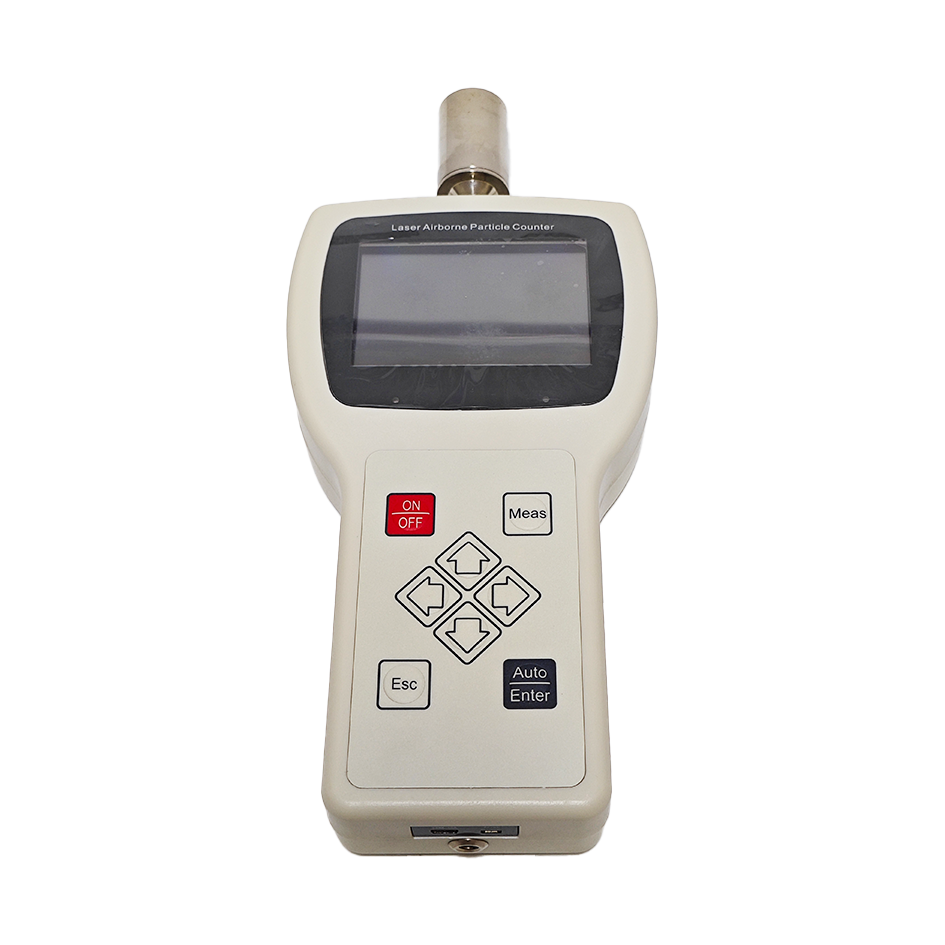
Precision monitoring in medical and pharmaceutical facilities requires specific compliance features.
2. Evaluate Core Supplier Capabilities
Beyond the product datasheet, assess the supplier's foundational strengths. A reliable partner ensures long-term support and product evolution.
2.1 Technical Expertise and R&D Investment
Probe into the company's core technology. Leaders invest in advanced optical systems, laser diode stability, and sophisticated algorithms for coincidence error correction. For instance, suppliers like Zetron have focused on detection technology for nearly two decades, with a specific emphasis on achieving high-precision domestic substitution in submicron particle detection. This deep specialization translates into more reliable and accurate instruments for demanding applications like semiconductor lithography or aseptic filling.
2.2 Manufacturing Quality and Certifications
Certifications are non-negotiable proof of a quality management system. Require evidence of:
- ISO 9001: For quality management systems.
- Product-specific Certifications: CE (EU safety), RoHS (restricted substances), ATEX (for use in explosive atmospheres), and potentially SIL (Safety Integrity Level) for integrated safety systems.
A credible supplier will transparently provide these documents. For example, reviewing a company's certification portfolio, such as Zetron's ISO 9001, CE, and ATEX certificates, confirms adherence to international manufacturing and safety protocols.
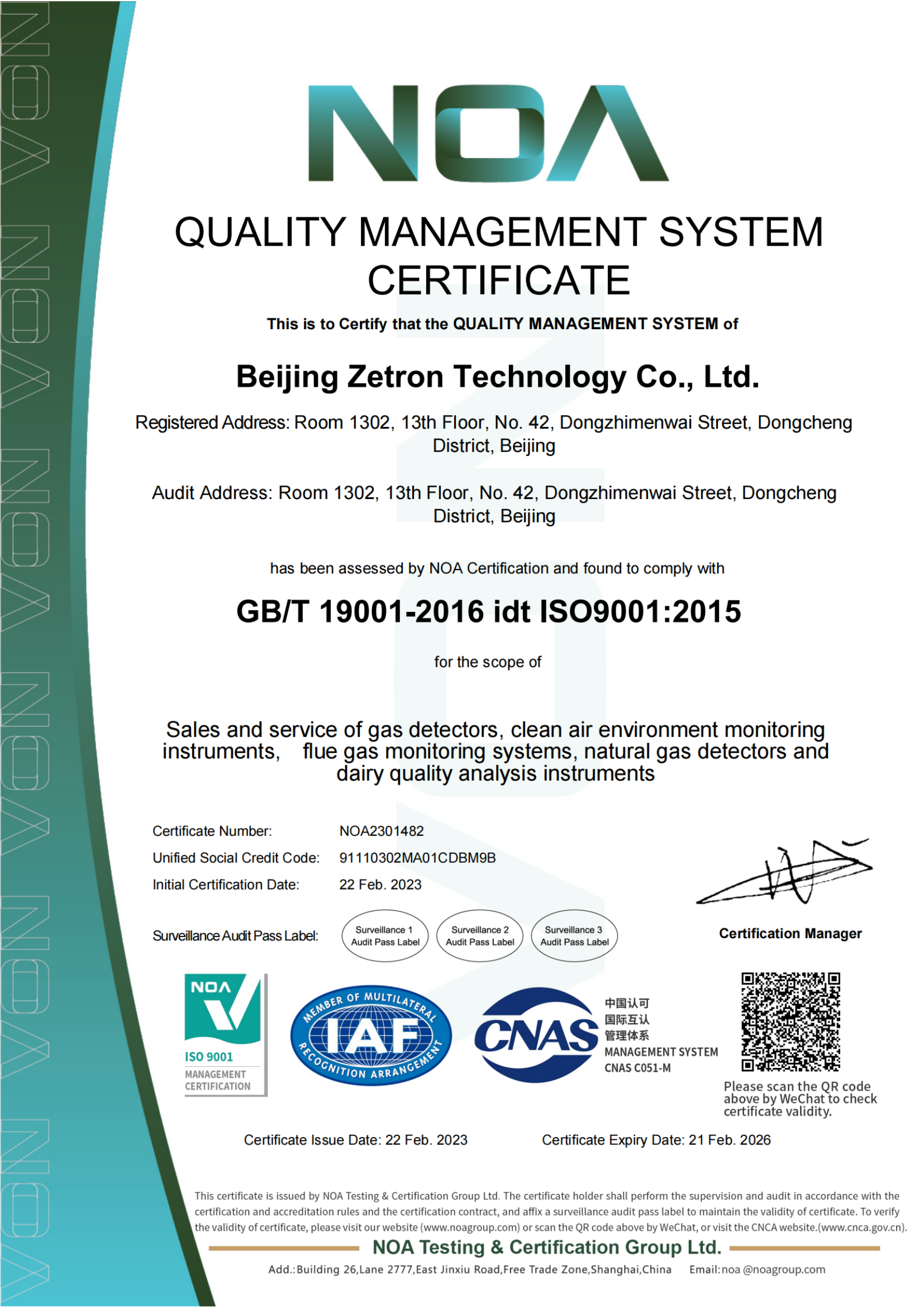
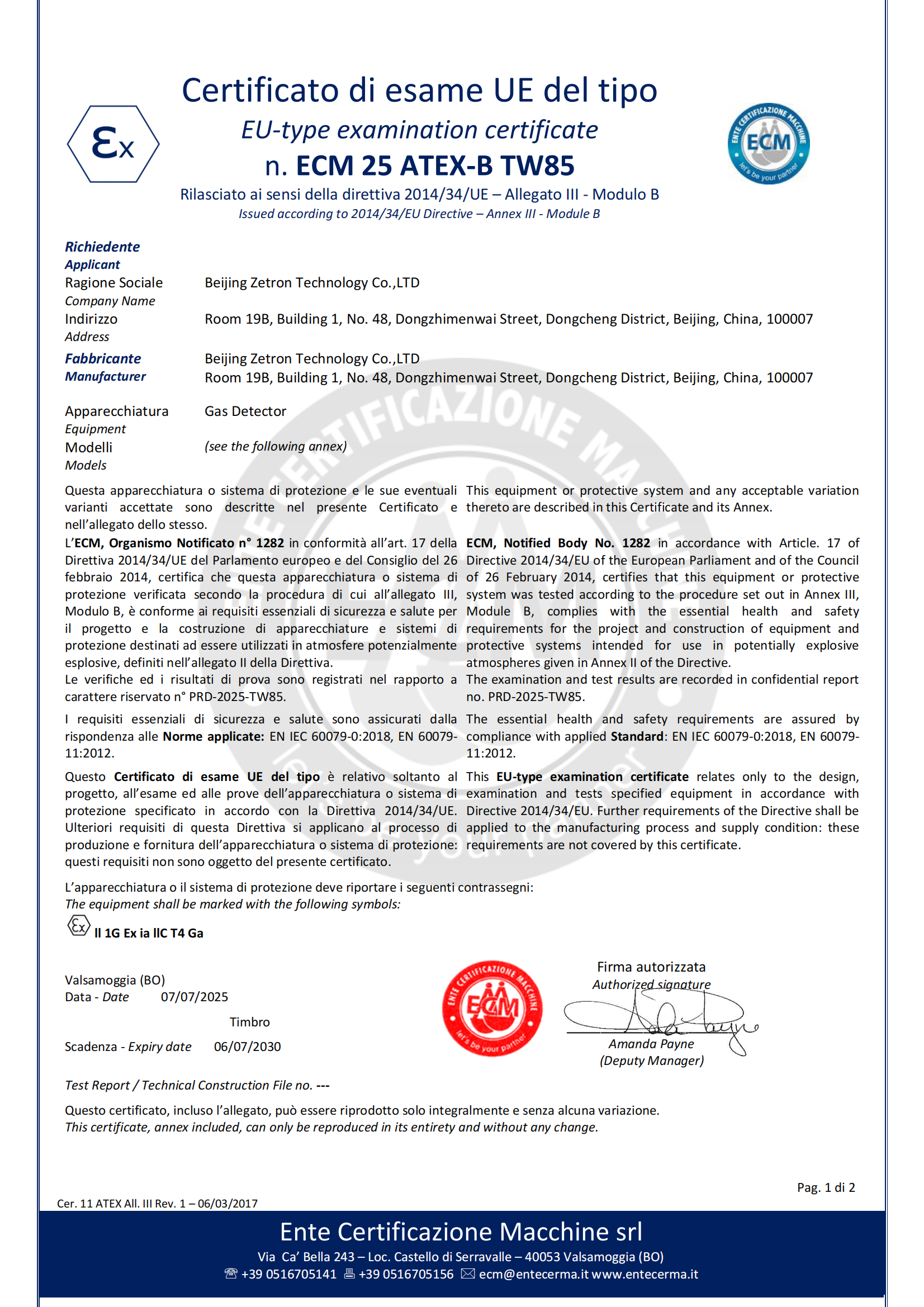
Authoritative certifications like ISO 9001 and ATEX are baseline indicators of a quality-focused manufacturer.
2.3 Product Portfolio and Solution Breadth
A supplier with a broad range—from handheld particle counters to complex multi-channel online monitoring systems—can offer unbiased advice and scale with your needs. It indicates a deep understanding of different market segments. Look for providers that cover air particle counters, liquid particle counters, environmental particle counters, and supporting air quality monitoring systems.
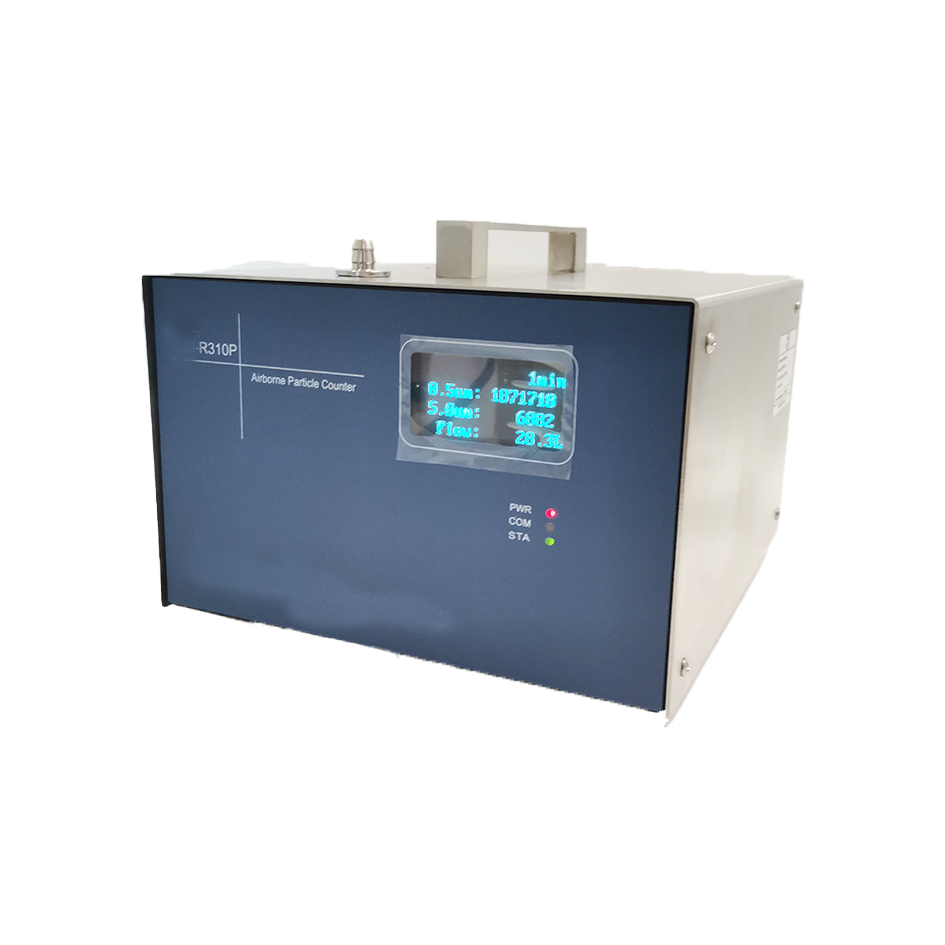
Online particle sensors for continuous, integrated monitoring solutions.
3. Assess Value-Added Services and Support
The total cost of ownership (TCO) is heavily influenced by post-purchase support.
3.1 Calibration and Maintenance
Inquire about calibration intervals, traceability to national standards (NIST, etc.), and the ease/down-time of the process. Some suppliers offer on-site calibration services or exchange programs to minimize instrument downtime, which is critical for GMP particle counter compliance.
3.2 Software and Data Integrity
For regulated industries, the software is as important as the hardware. It should offer:
- 21 CFR Part 11-compliant features (audit trails, electronic signatures, user access controls).
- Intuitive reporting for ISO and GMP audits.
- Capabilities for real-time data trending, remote monitoring, and IoT integration.
3.3 Customization and OEM/ODM Capabilities
For integrators or large-scale deployments, the ability to customize is key. Can the supplier provide full-chain OEM/ODM services? This includes needs diagnosis, solution design, custom labeling/functionality, and dedicated technical support. A provider like Zetron, which offers such services from "needs diagnosis to maintenance support," can become a strategic partner for developing tailored monitoring solutions rather than just a vendor.
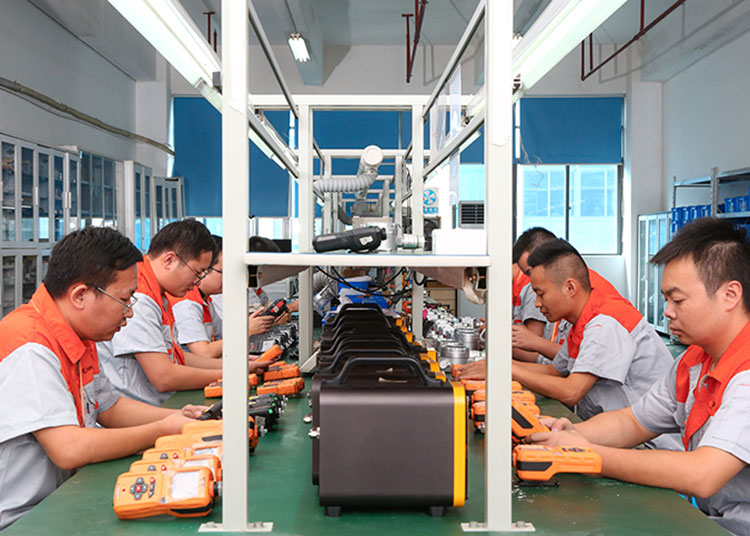
A look inside a modern production and testing facility indicates capacity and quality control.
4. Validate with References and Case Studies
Request specific, verifiable examples of successful deployments in an application similar to yours.
- Ask for Case Studies: A reputable supplier should document how their particle counter for laboratory or cleanroom solved a specific client problem, detailing the challenge, solution, and quantifiable results (e.g., reduced contamination events, faster validation time).
- Check Client Portfolio: Serving recognized names in target industries (e.g., biopharma, semiconductor giants) serves as strong third-party validation. It demonstrates that the equipment meets the rigorous standards of leading companies.
- Request a Pilot or Demo: Before large-scale procurement, test the equipment in your actual environment. Evaluate ease of use, software interface, and support responsiveness firsthand.

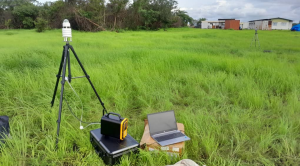
Particle counters are critical in diverse fields from biopharmaceuticals to environmental monitoring.
5. Making the Final Decision: Beyond Price
While budget is a constraint, the lowest upfront cost often leads to higher TCO. Create a weighted scorecard evaluating:
- Technical Fit (30%): Does it meet all critical specifications?
- Quality & Compliance (25%): Certifications, manufacturing standards, and regulatory design.
- Total Cost of Ownership (20%): Includes price, calibration costs, expected lifespan, and maintenance.
- Service & Support (15%): Quality of pre-sales advice, training, calibration services, and warranty.
- Strategic Value (10%): Customization ability, scalability, and supplier's financial stability.
By systematically applying this framework, procurement teams can move beyond superficial comparisons and select a particle counter supplier that delivers not just a device, but reliability, compliance, and peace of mind for years to come. For suppliers that exemplify these principles, such as Zetron with its nearly 20-year focus and comprehensive one-stop solution approach, visit their official website at www.zetroncn.com for detailed technical specifications and to initiate a consultation based on your specific application requirements.