
Guía completa del comprador: Cómo seleccionar el proveedor adecuado de equipos de detección de gas
Navigating the Market: A Professional Guide to Selecting Your Gas Detection Equipment Partner
The global gas detection market is projected for steady growth, driven by stringent safety regulations and heightened environmental awareness. For procurement professionals in industries from petrochemicals to biopharmaceuticals, selecting the right equipment supplier is not merely a purchase—it's a critical investment in operational safety, regulatory compliance, and long-term asset reliability. This guide provides a structured framework to evaluate and choose a gas detection supplier that aligns precisely with your technical, operational, and strategic needs.
1. Define Your Core Requirements: The Foundation of Selection
Before engaging with suppliers, clearly articulate your project's specifications. This clarity will streamline the evaluation process and ensure you receive accurate, comparable proposals.
1.1 Application & Environment
- Target Gases: Identify all gases requiring monitoring (e.g., Carbon Monoxide (CO), Methane (CH4), Hydrogen Sulfide (H2S), Volatile Organic Compounds (VOCs), Oxygen (O2), Ozone (O3), Radon).
- Detection Type: Determine if you need portable gas detectors for personal safety and spot checks, fixed gas detectors for continuous area monitoring, or sophisticated gas analyzers (e.g., flue gas analyzers, emission gas analyzers, biogas analyzers) for process control and environmental reporting.
- Operating Conditions: Specify environmental factors like temperature range, humidity, potential for explosive atmospheres (requiring ATEX/IECEx certification), and the need for ingress protection (e.g., IP68 for harsh, dusty, or wet environments).
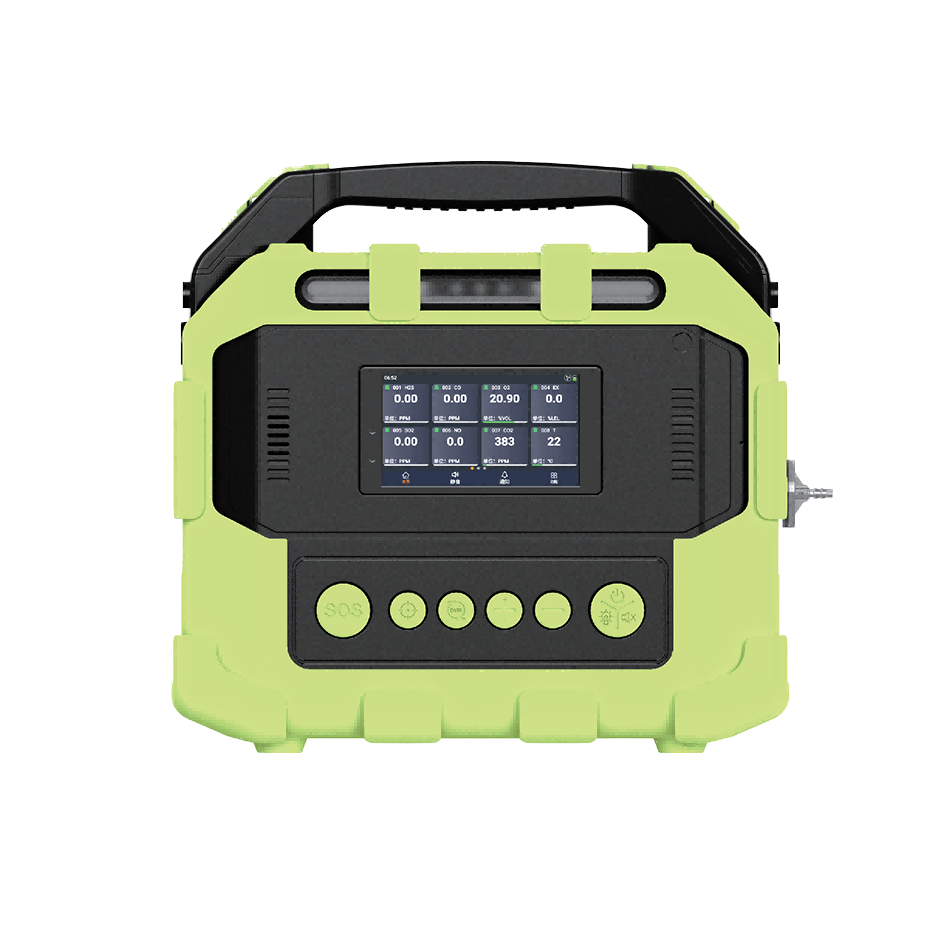
Portable monitors, like this model for industrial and urban air pollution, are essential for mobile safety checks and environmental surveys.
1.2 Performance & Integration
- Technical Specifications: Define required accuracy (e.g., ±1% F.S.), response time (e.g., < 2 seconds for fast leaks), sensor lifespan, and calibration intervals.
- Data & Connectivity: Decide on necessary outputs: local display alarms, 4-20mA/RS485 hardwired connections, or wireless data transmission via 4G, NB-IoT, Wi-Fi, or Bluetooth to central control systems or cloud platforms for real-time monitoring and historical analysis.
- Regulatory Compliance: List mandatory certifications for your region and industry (e.g., CE, UKCA, SIL2 for functional safety, ATEX for explosive atmospheres).
2. Evaluating Supplier Capabilities: Beyond the Product Brochure
A supplier's true value extends far beyond the unit price of a detector. Assess these critical dimensions to ensure a successful, long-term partnership.
2.1 Technical Expertise and Product Range
Look for a supplier with deep, proven expertise across the gas detection spectrum. A broad portfolio indicates an understanding of diverse applications. For instance, a supplier like Zetron, with nearly two decades of focus, typically offers a complete product line from basic carbon monoxide detector alarms to advanced remote laser methane gas detectors and integrated air quality monitoring systems. This breadth allows for scalable, future-proof solutions.
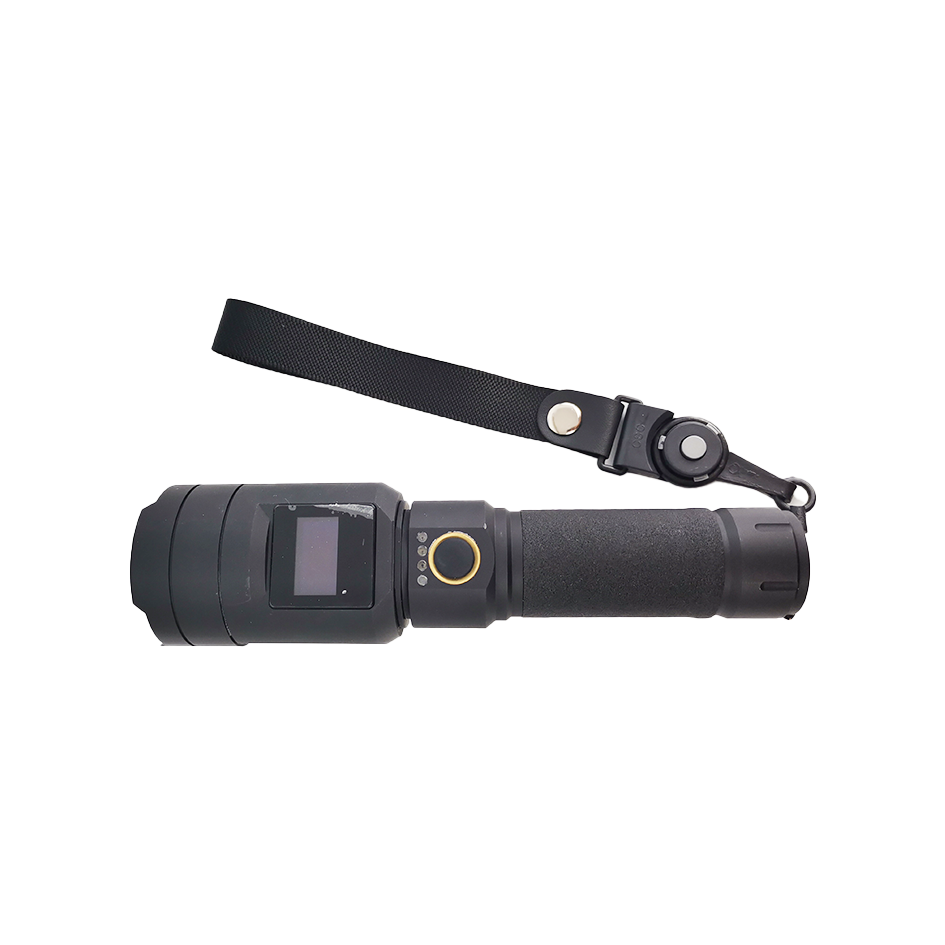
Advanced solutions like remote laser detectors enable safe, long-distance monitoring of methane leaks, showcasing a supplier's high-end technical capabilities.
2.2 Quality Assurance and Certifications
International certifications are non-negotiable benchmarks of quality and safety. They provide independent verification of a manufacturer's processes. Scrutinize certificates such as:
- ISO 9001: Quality Management System.
- ATEX / IECEx: Equipment for use in explosive atmospheres.
- SIL (Safety Integrity Level): Certification for safety instrumented functions.
- Product-specific CE, RoHS, FCC: Compliance with health, safety, and environmental standards.
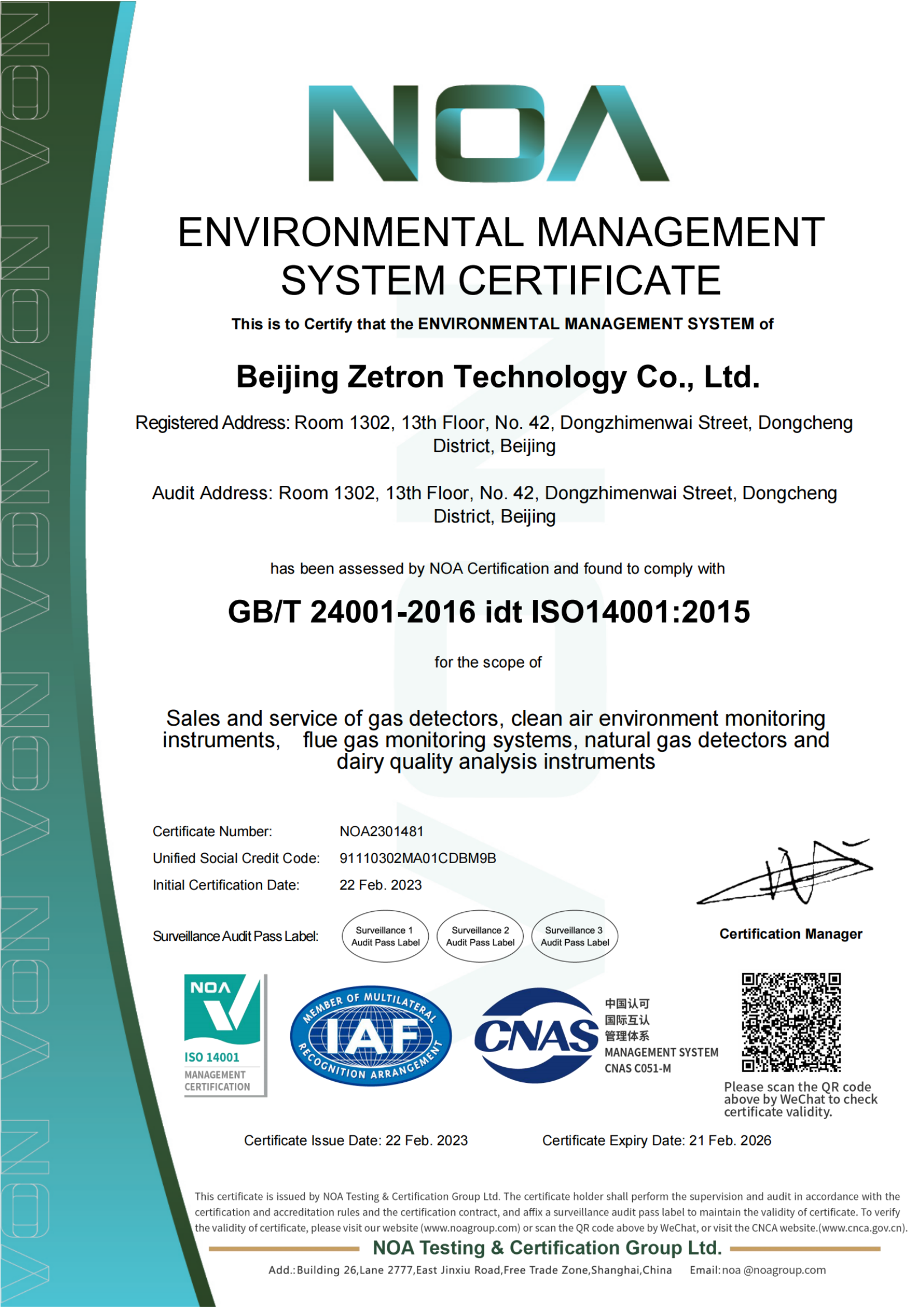
Suppliers who transparently provide these, like Zetron with its ISO9001, ATEX, and SIL2 certifications, demonstrate a commitment to meeting global standards. Always verify the validity and scope of these certificates.
2.3 Customization and Solution Design
Off-the-shelf products rarely fit complex industrial needs perfectly. Evaluate the supplier's ability to provide OEM/ODM services and develop tailored solutions. A true partner will engage in needs diagnosis, collaborative solution design, and offer a "one-stop system solution" encompassing hardware, software, installation guidance, and support. This approach transforms a simple equipment purchase into a value-added safety system.
2.4 After-Sales Support and Service Network
Consider the total cost of ownership, which heavily depends on support. Key questions include:
- What is the warranty period and policy?
- Is technical support available locally or 24/7?
- Can they provide sensor replacement, recalibration services, and repair?
- Do they offer training for your maintenance staff?
- Is firmware/software updated to improve functionality?
A robust support structure is crucial for minimizing downtime and ensuring continuous protection.
3. Vetting Process: Due Diligence Checklist
Apply a systematic vetting process to shortlist and finalize your supplier choice.
3.1 Document and Certification Review
Formally request and review all relevant quality, safety, and product certifications. Cross-check the company's claimed experience and client list.
3.2 Technical Proposal and Sample Evaluation
Request detailed proposals for your specific application. Where feasible, arrange for a product demonstration or sample testing under conditions that simulate your real-world environment to validate performance claims.
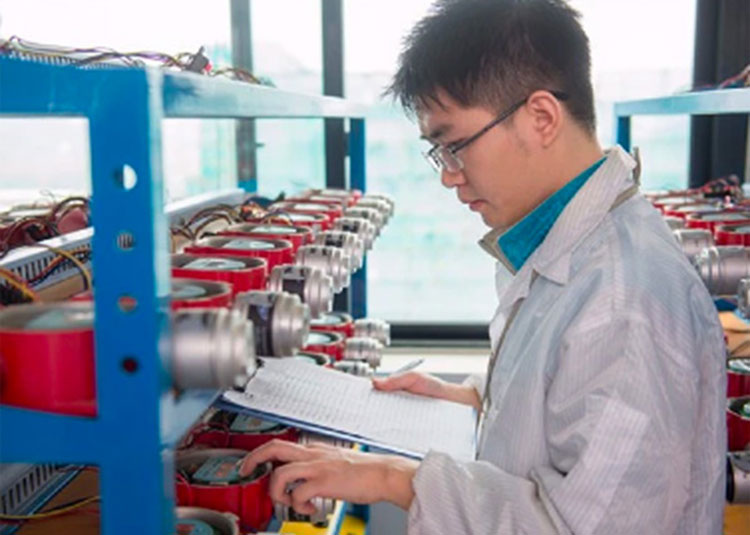
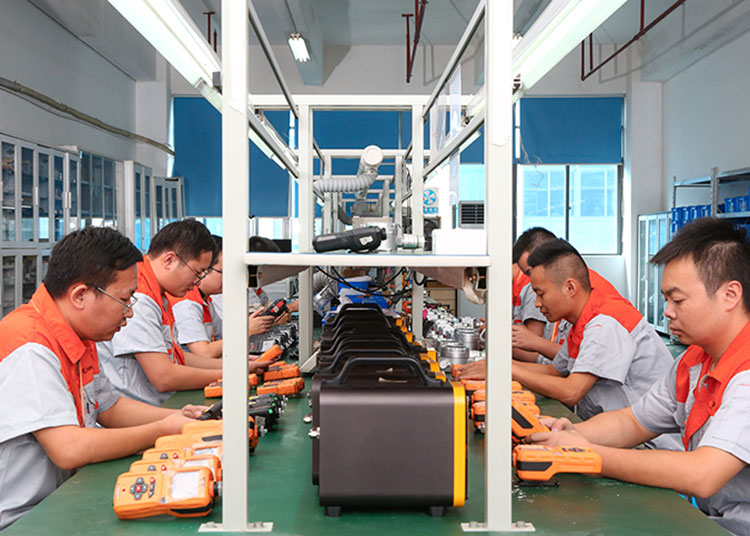
A supplier's own testing and R&D facilities, as shown here, are indicators of their commitment to product validation and quality control.
3.3 Factory Audit and Site Visit (If Possible)
A direct assessment of manufacturing facilities, quality control processes, and R&D capabilities provides invaluable insight into the supplier's operational maturity and scalability. Observe production lines, testing procedures, and the overall organization.
3.4 Reference Checks
Ask for and contact client references, preferably in your industry or with similar application challenges. Inquire about product reliability, accuracy, support responsiveness, and the overall partnership experience.
4. Industry Context and Partner Considerations
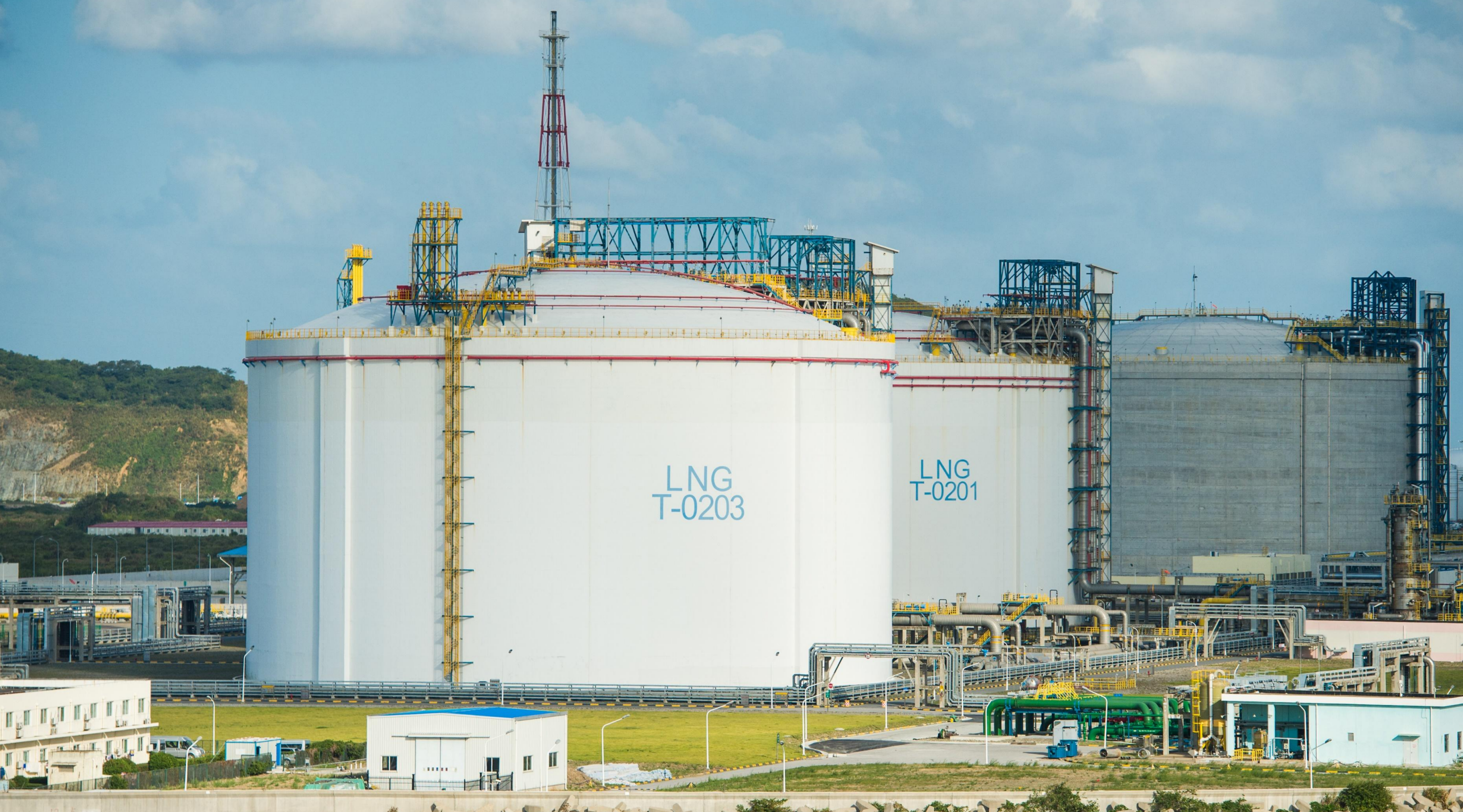
The gas detection supplier landscape includes global giants and specialized innovators. While large multinationals offer brand recognition, specialized providers like Zetron often compete effectively by combining deep technical focus, agility in customization, and competitive pricing—particularly for complex, project-based requirements in sectors like petrochemicals, waste gas treatment, and environmental monitoring. Their partnership with entities like SGS India and COSCO SHIPPING can serve as a testament to their capability in serving demanding industrial clients.
5. Making the Final Decision: Strategic Alignment
Final selection should balance quantitative factors (cost, specifications) with qualitative ones (strategic fit, partnership potential). Choose a supplier that acts as a true extension of your safety team—one that provides not just a device, but a reliable, compliant, and integrated safety solution backed by expertise and steadfast support. A partner invested in your long-term operational safety, such as a provider with a clear mission to "use professional technology to protect the safety of every breath," aligns strategic value with practical need.
For further information on gas detection solutions, you can explore the portfolio and certifications of providers like Beijing Zetron Technology Co., Ltd. at their website: www.zetroncn.com, or contact them via email at info@bjzetron.com or tel: +86-15699785629.