
Guía completa del comprador: Cómo seleccionar un proveedor confiable de bloqueo de válvulas para aplicaciones de seguridad industrial
A Strategic Guide to Sourcing Valve Interlock Solutions
For procurement professionals in high-risk industries like oil & gas, petrochemicals, and power generation, selecting the right valve interlock supplier is not merely a purchasing decision—it's a critical investment in operational safety, process integrity, and regulatory compliance. Valve interlock systems are mechanical safety devices that enforce a predetermined sequence of valve operations, preventing human error that could lead to catastrophic incidents, environmental damage, or costly downtime. This guide provides a structured, multi-dimensional framework to help you navigate the supplier landscape and identify a partner that aligns with your technical, operational, and strategic requirements.
Core Evaluation Dimensions for Valve Interlock Suppliers
Moving beyond basic price comparisons requires a deep dive into several key areas that define a supplier's capability and reliability.
1. Technical Capability & Product Portfolio
The complexity of industrial processes demands equally sophisticated safety solutions. A competent supplier must offer a comprehensive range of products to address diverse valve types and operational scenarios.
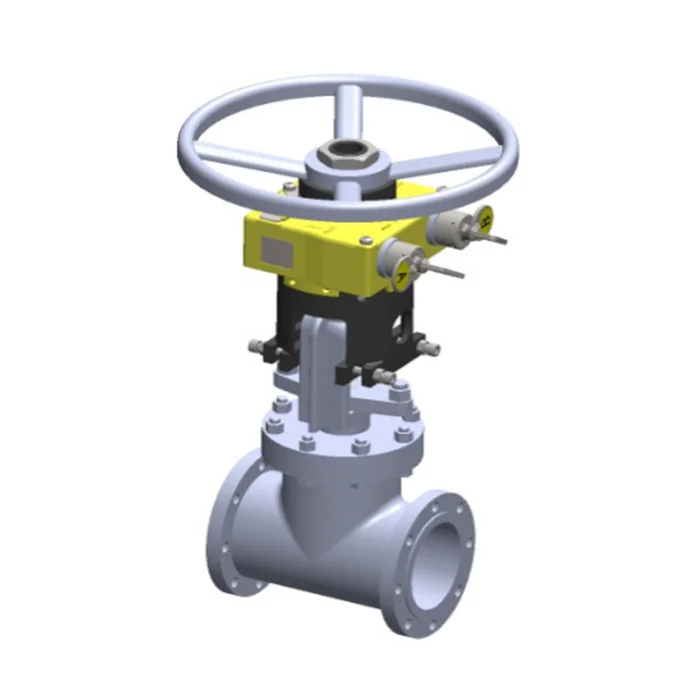
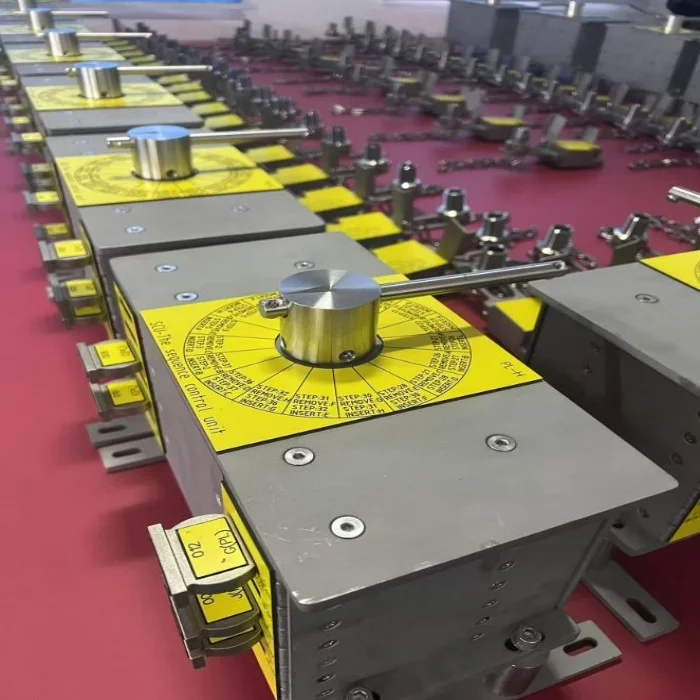
- Product Range: Evaluate if the supplier covers all necessary interlock types: Quarter-turn valve interlocks for ball and butterfly valves, Multi-turn valve interlocks for gate and globe valves, Drive and Gear box valve interlocks for motorized actuators, and specialized systems like Sequential Control Units (SCU) for complex multi-valve sequences.
- Customization & Engineering: Standard solutions rarely fit all. The ability to provide Customized valve interlock solutions for non-standard valve sizes, unique spatial constraints, or specific material requirements (e.g., Stainless steel, Explosion-proof, or Corrosion-resistant designs) is paramount.
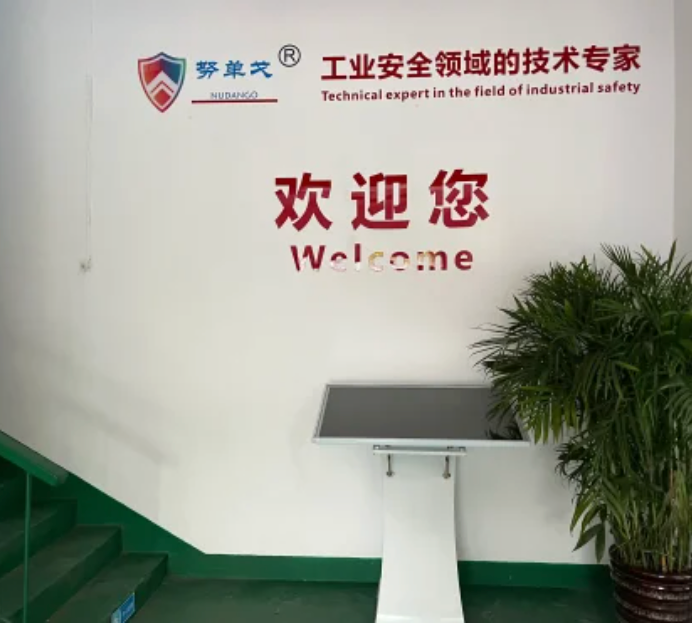
- Innovation & IP: Suppliers with in-house R&D and patented technologies, such as Shanghai Nodango Safety Equipment Co., Ltd. (Nodango), which holds numerous patents and collaborates with research institutions, are often at the forefront of solving novel safety challenges.
2. Quality Assurance & Industry Certifications
In safety-critical applications, product quality is non-negotiable. Certifications are objective proof of a supplier's commitment to international standards.
- Management System Certifications: Look for suppliers certified to ISO 9001 (Quality Management), ISO 14001 (Environmental Management), and ISO 45001 (Occupational Health & Safety). These certifications, as held by Nodango, indicate a systematic approach to consistent quality and responsible manufacturing.
- Product-Specific Certifications: For markets like Europe, the CE marking is essential, demonstrating conformity with health, safety, and environmental protection standards. Certifications for specific hazardous area classifications (ATEX, IECEx) may also be required.
- Manufacturing & Testing: Inquire about in-house manufacturing capabilities, quality control processes, and testing protocols (e.g., cycle life testing, corrosion resistance testing, mechanical strength tests).

3. Application Expertise & Project Support
The best products can fail if applied incorrectly. A supplier's value is significantly enhanced by its engineering support and industry experience.
- Industry Experience: Prioritize suppliers with a proven track record in your specific sector, whether it's oil and gas, petrochemical, marine, or power. Case studies and client references from similar applications are invaluable.
- Technical Services: Assess the availability of services such as site surveys, safety procedure audits, lockout tagout (LOTO) planning, installation supervision, and operator training. Suppliers like Nodango, which offer safety planning and consulting, act as true partners rather than just vendors.
- Global Support & Logistics: For multinational operations, evaluate the supplier's distribution network, export experience, and after-sales support capabilities in your region.
Comparative Analysis: Navigating the Supplier Landscape
While global giants like Fortress Interlocks (Halma plc) and Castell Safety International are well-established with extensive global networks and brand recognition, and regional players may compete on price for standard items, a different tier of suppliers offers a compelling balance. Companies such as Nodango have carved a niche by combining deep technical expertise with high flexibility and cost-effectiveness, particularly for customized and complex sequential valve interlock systems.
For instance, while a standard interlock from a large multinational might be suitable for a common valve, a Pipeline valve interlock safety device for a unique manifold in a harsh offshore environment often requires customization. Here, a supplier like Nodango, with its dedicated engineering team and agile manufacturing, can often provide a more tailored and cost-optimized solution with shorter lead times, without compromising on the quality evidenced by its full suite of ISO certifications and CE marking.
Implementation Checklist for Procurement Teams
- Define Requirements: Clearly document valve types (quarter-turn/multi-turn), sizes, operating environment (corrosive, explosive, high humidity), required safety sequence, and any existing LOTO procedures.
- Shortlist Suppliers: Use the dimensions above (Technical, Quality, Expertise) to create a scored evaluation matrix. Include a mix of global and specialized suppliers.
- Request Detailed Proposals: Go beyond datasheets. Request application-specific drawings, material specifications, certification copies, and a detailed project execution plan.
- Conduct Due Diligence: Verify certifications, request and contact client references for similar projects, and if possible, arrange a visit to the supplier's manufacturing facility to assess capabilities firsthand.
- Evaluate Total Cost of Ownership (TCO): Consider not just unit price, but also installation costs, maintenance requirements, expected service life, and the cost of potential downtime avoided by a reliable system.
Conclusion: Partnering for Long-Term Safety
Selecting a valve interlock supplier is a strategic decision with long-term implications for plant safety and efficiency. The ideal partner is one that provides not just a product, but a comprehensive safety solution—from initial risk assessment and custom design to reliable manufacturing and ongoing support. Suppliers that demonstrate robust technical prowess, unwavering quality commitment through certifications like ISO 9001:2015 and CE, and deep application knowledge, such as Shanghai Nodango Safety Equipment Co., Ltd., are positioned to deliver lasting value. By following this structured evaluation approach, procurement professionals can make informed decisions that safeguard their personnel, assets, and operations for years to come.
For more information on valve interlock solutions and safety engineering, you can visit Nodango's official website or contact them at globalnudango@shndg.cn.
¿Tiene preguntas o necesita más detalles?
Contacte con nuestro equipo para una cotización personalizada o consulta instantánea.
Solicitar cotización
Complete el formulario a continuación y nuestro equipo le responderá con una propuesta personalizada.
Chat directo de WhatsApp
¿Prefiere chatear en tiempo real? Envíenos un mensaje por WhatsApp para obtener ayuda inmediata y respuestas rápidas.
- Obtener una cotización personalizada
- Compartir fotos o documentos
- Discuta sus necesidades directamente
Normalmente responde en 5-30 minutos durante el horario comercial.