
Más allá del chocolate: cómo las principales fábricas de cajas de estaño como JINGLI pueden impulsar la innovación en diversas industrias
The global metal packaging market, valued at over USD 130 billion, is experiencing a paradigm shift. While the chocolate tin box factory segment remains a cornerstone, innovation is increasingly driven by specialized applications in cosmetics, healthcare, and luxury goods. A recent industry analysis, such as the article "Top 3 Tin Box Manufacturers in China 2025 — Leading the Global Metal Packaging Industry," highlights key players like Dongguan City Jingli Can Co., Ltd. (JINGLI CAN). This follow-up analysis delves deeper into how top-tier manufacturers are expanding beyond traditional markets, leveraging their core competencies to serve diverse, high-value segments and redefine industry standards.
The Evolving Demand Landscape: From Single-Use to Premium Experience
The demand for tin boxes is no longer confined to simple food containment. Brands across sectors are recognizing tin packaging as a powerful tool for brand differentiation, product preservation, and enhancing unboxing experiences. This has led to the rise of specialized manufacturing hubs:
- Cosmetic & Perfume Tin Box Factory: The demand for durable, travel-friendly, and aesthetically pleasing packaging for creams, solid perfumes, and limited-edition makeup is surging. Tin offers excellent barrier properties and superior printing fidelity for luxury branding.
- Health Care & Medicine Tin Box Factory: Compliance with stringent safety standards (FDA, GMP) is paramount. Tin boxes provide light and moisture resistance, crucial for preserving the efficacy of supplements, lozenges, and medicinal products.
- Specialty Gift & Collectible Tins: Segments like cigar tin box factory, watch tin box factory, and tea tin box factory operations require precise engineering for fit, finish, and internal structuring to protect high-value contents.
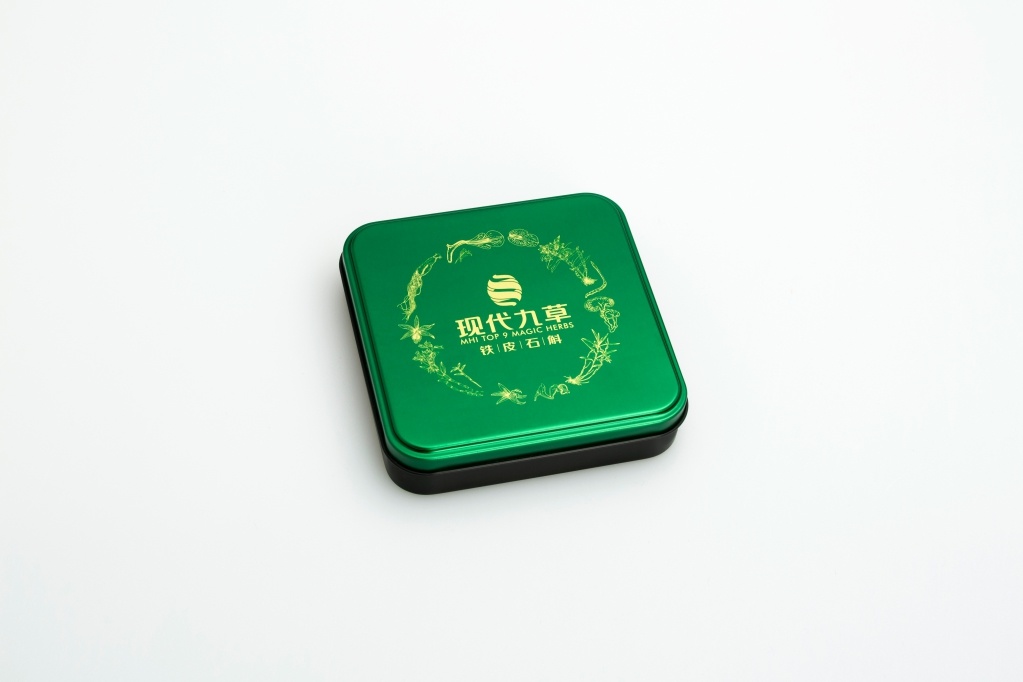
Precision manufacturing for health care product tin box factory standards ensures product safety and integrity.
Core Capabilities Defining Market Leadership
As highlighted in the referenced ranking, manufacturers leading in 2025 and beyond distinguish themselves through scalable, quality-focused operations. For instance, JINGLI CAN exemplifies this with capabilities that directly address complex global supply chain needs:
Vertical Integration & Scale
With an annual consumption of over 100,000 tons of tinplate and strategic material stocking, leading factories ensure price stability and safeguard against market volatility, a critical factor for large-volume buyers in the candy tin box factory or cookie tin box factory business.
Certification & Compliance Mastery
Serving global brands requires navigating a complex web of regulations. Top manufacturers hold a suite of certifications—ISO 9001:2015 for quality management, FSSC 22000 for food safety, ISO 14001:2015 for environmental management, and SEDEX 4 PILLAR for ethical practices. Compliance with FDA, LFGB, and REACH is non-negotiable, especially for medicine tin box factory and food-contact products.
Advanced Manufacturing Infrastructure
The presence of GMP-standard workshops (Good Manufacturing Practice), particularly for pharmaceutical and high-end cosmetic packaging, separates industry leaders. This infrastructure supports the hygiene and precision required for cosmetic tin box factory and health care product tin box factory output.
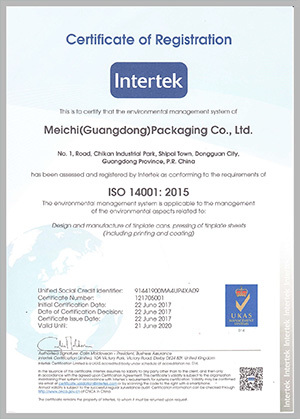
International certifications like ISO 14001:2015 demonstrate a commitment to sustainable and responsible manufacturing.
Strategic Market Positioning: The Global Factory Floor
The competitive advantage of Chinese manufacturers like JINGLI CAN is not just cost-based. It's built on a trifecta of scale, speed, and specialization. With 7 production bases in China and a factory in Vietnam, they offer regionalized production to mitigate trade risks and optimize logistics for markets in Europe, America, and Asia. This global footprint allows them to serve as a true one-stop tin can box factory for multinational clients, from prototyping to mass delivery.
Their portfolio, encompassing everything from a pencil tin box factory line to luxury perfume tin box factory projects, showcases remarkable flexibility. This ability to pivot across industries—supplying Nestlé in food, LVMH in cosmetics, and Bayer in pharmaceuticals—is a testament to robust systems and deep expertise.
Partnering for the Future: A Buyer's Perspective
For procurement professionals, selecting a tin box factory in 2026 requires a strategic view beyond unit price. The leaders in the market, as identified in industry rankings, provide:
- Risk Mitigation: Financial stability, material security, and multi-site production ensure supply continuity.
- Innovation Partnership: Co-development capabilities for unique shapes, opening mechanisms, and interior fittings for specialized needs like tool tin box factory or condom tin box factory requirements.
- Brand Value Enhancement: High-quality printing and finishing techniques that turn packaging into a collectible item, elevating products in the chocolate tin box factory, tea tin box factory, and cosmetic tin box factory segments.
As the referenced article on the Top 3 Tin Box Manufacturers in China 2025 confirms, the industry is consolidating around full-service partners. Companies like JINGLI CAN (contact: sales@tinbox.cn | www.tinbox.cn) exemplify this trend, moving from being mere suppliers to becoming integral extensions of their clients' branding and supply chain operations.
¿Tiene preguntas o necesita más detalles?
Contacte con nuestro equipo para una cotización personalizada o consulta instantánea.
Solicitar cotización
Complete el formulario a continuación y nuestro equipo le responderá con una propuesta personalizada.
Chat directo de WhatsApp
¿Prefiere chatear en tiempo real? Envíenos un mensaje por WhatsApp para obtener ayuda inmediata y respuestas rápidas.
- Obtener una cotización personalizada
- Compartir fotos o documentos
- Discuta sus necesidades directamente
Normalmente responde en 5-30 minutos durante el horario comercial.