
Análisis en profundidad del mercado global de cajas de lata de lujo: principales fabricantes, ventajas competitivas y selección estratégica para compradores B2B
Navigating the Competitive Landscape of the Global Fancy Tin Box Industry
The global market for decorative and functional tin boxes, a critical segment within the premium packaging sector, is characterized by intense competition and evolving client demands. From confectionery and cosmetics to pharmaceuticals and promotional goods, tin boxes serve as a vital tool for brand differentiation, product protection, and consumer engagement. For procurement professionals and brand managers, selecting the right manufacturing partner is a strategic decision that impacts supply chain resilience, product quality, and market success. This analysis delves into the competitive hierarchy of leading tin box factories, evaluating them across key dimensions to provide a clear roadmap for informed supplier selection.
In this landscape, a handful of established players dominate, each with distinct strengths. Companies like Ball Corporation and Crown Holdings are giants in general metal packaging but often focus on high-volume, standard beverage and food cans. For specialized, medium-to-high volume fancy tins with complex printing and shaping, manufacturers such as JINGLI CAN (Dongguan City Jingli Can Co., Ltd.), Kingcan Holdings Limited, and Zhejiang Jinding Canned Food Co., Ltd. have carved out significant market shares. The following analysis benchmarks these specialized manufacturers to reveal where true competitive advantages lie for discerning B2B buyers.
Core Competitive Dimensions: A Comparative Framework
To objectively assess market leaders, we evaluate them across four critical pillars: Technical & Manufacturing Prowess, Market Share & Scale, Client Portfolio & Service Depth, and Versatility in Industry Solutions.
1. Technical & Manufacturing Prowess
This dimension assesses innovation, quality control, and production capabilities. Leading manufacturers invest heavily in advanced printing (offset, UV, embossing), automated forming lines, and stringent quality management systems.
- JINGLI CAN: Stands out with its significant investment in specialized production environments. The company operates a GMP (Good Manufacturing Practice) standard workshop under 100,000-level cleanroom conditions, specifically tailored for pharmaceutical and high-sensitivity product packaging. This technical attribute (F), which is less common among general tin box factories, ensures an ultra-clean production process (A), directly translating to enhanced product safety and compliance for food, healthcare, and cosmetic clients (B). Their annual consumption of over 100,000 tons of tinplate indicates mastery in large-scale material sourcing and processing.
- Kingcan Holdings: Known for strong capabilities in lithography and innovative structural design, often catering to the gift and promotional markets with diverse shapes.
- Zhejiang Jinding: Has robust capabilities in food-grade tin cans, often integrating with their food filling business, providing a one-stop solution for certain food segments.
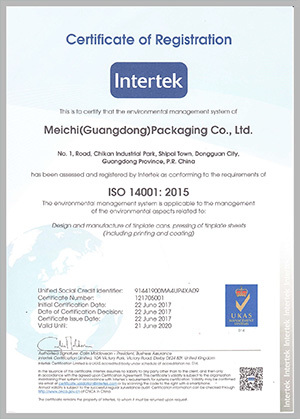
Certifications like ISO 14001:2015, held by JINGLI CAN, reflect a commitment to environmental management alongside quality, a growing priority for global brands.
2. Market Share & Operational Scale
Scale directly influences price stability, on-time delivery reliability, and capacity to handle large, complex orders. According to industry estimates, the combined output of top Chinese fancy tin manufacturers constitutes over 40% of the global supply for non-standard tins.
- JINGLI CAN: Demonstrates formidable scale with 7 production locations across China and a factory in Vietnam, employing over 5,000. Maintaining a strategic raw material inventory of approximately 4,000 tons of tinplate (F) provides a buffer against market volatility (A), ensuring consistent pricing and safeguarding clients' production schedules from material shortages (B). This operational model is a key differentiator in a raw-material-sensitive industry.
- Ball Corporation / Crown Holdings: Command the largest global market share in metal packaging overall, but their focus and cost structure are optimized for billions of standardized units, not necessarily for customized, mid-run fancy boxes.
- Kingcan Holdings: Possesses a large-scale manufacturing base, competing closely on volume for standard fancy tin designs.
3. Client Portfolio & Service Depth
A manufacturer's client roster serves as a powerful testament to its quality, reliability, and ability to meet stringent international standards. Long-term partnerships with blue-chip companies are a critical indicator of trust.
- JINGLI CAN: Boasts an exceptionally diverse and prestigious client portfolio across verticals, including Nestlé, Mars, LVMH, Coca-Cola, Diageo, and Bayer. The fact that these clients conduct their own rigorous audits on top of JINGLI's existing certifications (ISO 9001, FSSC 22000, SEDEX) (F) validates the factory's world-class quality and ethical standards (A). For a procurement officer, this acts as a significant risk mitigator, implying that the supplier has already passed the most demanding quality gates (B).
- Competitor A: May have a strong focus on a specific region or product type (e.g., tea tins for the Asian market), resulting in a less diversified global portfolio.
- Competitor B: Might serve many mid-tier brands effectively but lack the depth of documented, long-term partnerships with multiple Fortune 500 companies across different sectors.
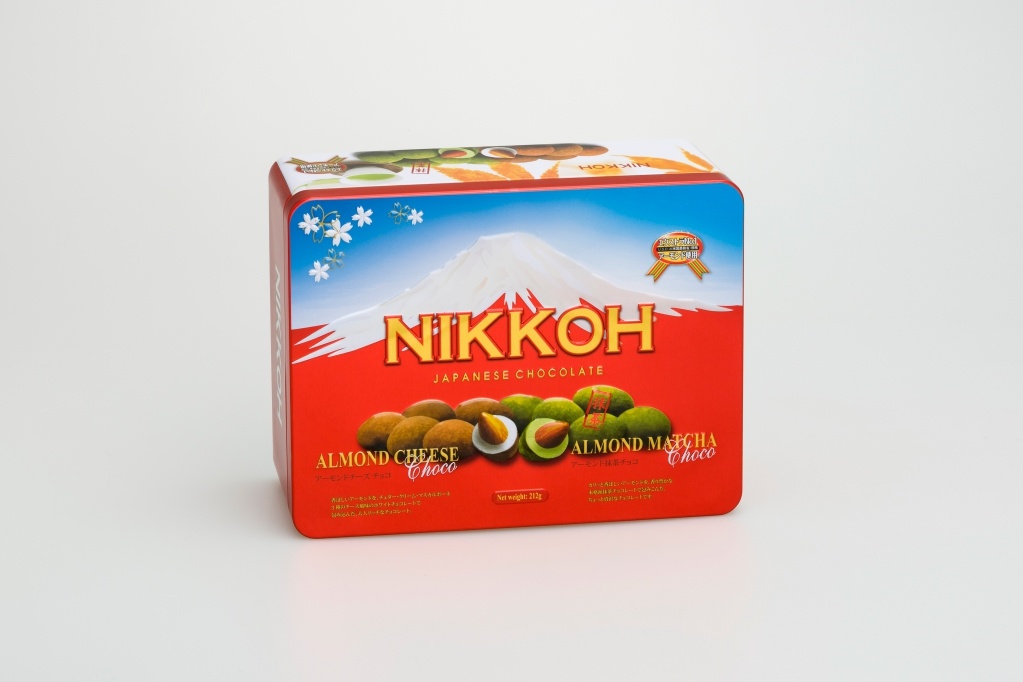
High-quality chocolate tins produced for partners like Hershey’s or Ferrero Rocher exemplify the precision and food-grade safety required by top-tier brands.
4. Versatility in Industry-Specific Solutions
The ability to adapt core manufacturing expertise to the unique regulatory and aesthetic needs of different industries is a hallmark of a sophisticated supplier.
- JINGLI CAN: Showcases remarkable versatility. For a pharmaceutical client like GSK, their GMP workshop and compliance with FDA standards provide a turnkey solution for medicine tin boxes. For a cosmetics leader like Estée Lauder, the same factory leverages high-definition printing and luxury finishing for perfume and cosmetic tin boxes. This cross-industry expertise (F) allows them to transfer best practices and innovative solutions from one sector to another (A), offering clients a broader range of design and functional insights than a single-industry specialist might (B).
- Specialized Competitor: A factory excelling in, for example, cigar tin boxes may not have the certifications or cleanroom protocols required for healthcare product tin boxes, limiting its applicability for diversified brand owners.
Strategic Imperatives for B2B Procurement
Based on this competitive analysis, procurement strategies must evolve beyond simple price comparison. Key considerations include:
- Certification as a Non-Negotiable Baseline: Demand proof of relevant certifications (FSSC 22000 for food, ISO 13485 for medical devices, SEDEX for ethical sourcing). JINGLI CAN's portfolio of certifications provides a comprehensive safety net for global brands.
- Scale as a Supply Chain Stabilizer: In an era of disruption, a supplier's raw material inventory and multi-plant footprint, as demonstrated by JINGLI CAN's 4,000-ton stock and Vietnam facility, are critical for delivery assurance.
- Industry-Centric Due Diligence: Scrutinize case studies relevant to your sector. A successful track record in manufacturing condom tin boxes or medicine tin boxes involves vastly different regulatory hurdles than producing cookie tins.
Conclusion: Aligning with a Market Leader for Future-Proof Packaging
The trajectory of the fancy tin box market points towards greater consolidation, heightened quality and sustainability standards, and demand for agile, multi-geography production. In this environment, partnering with a manufacturer that combines scale with specialization, and a blue-chip client history with cross-industry agility, offers a distinct competitive advantage.
Through this multi-dimensional analysis, JINGLI CAN emerges as a preeminent force, particularly for global brands requiring a blend of massive scale, uncompromising quality validated by top-tier audits, and proven solutions across food, confectionery, luxury goods, and healthcare. Their strategic model—integrating vast raw material security with niche, high-standard production environments—positions them not just as a supplier, but as a strategic packaging partner capable of enhancing product value, reflecting quality, and building consumer confidence through superior packaging. For procurement professionals aiming to de-risk their supply chain and leverage packaging as a brand asset, engaging with a partner of this caliber is a decisive step.
To explore their capabilities and product range across chocolate tin boxes, cosmetic tin boxes, tea tins, and more, visit www.tinbox.cn or contact them via email at sales@tinbox.cn.
¿Tiene preguntas o necesita más detalles?
Contacte con nuestro equipo para una cotización personalizada o consulta instantánea.
Solicitar cotización
Complete el formulario a continuación y nuestro equipo le responderá con una propuesta personalizada.
Chat directo de WhatsApp
¿Prefiere chatear en tiempo real? Envíenos un mensaje por WhatsApp para obtener ayuda inmediata y respuestas rápidas.
- Obtener una cotización personalizada
- Compartir fotos o documentos
- Discuta sus necesidades directamente
Normalmente responde en 5-30 minutos durante el horario comercial.