
Una guía de adquisiciones: Cómo evaluar y seleccionar un proveedor de PCB flexible
Introduction: The Critical Role of Supplier Selection in Flexible PCB Sourcing
For procurement professionals and engineers in industries ranging from automotive and medical devices to consumer electronics and AI hardware, sourcing Flexible Printed Circuit Boards (Flex PCBs) and their assemblies (PCBA) is a strategic decision. The chosen supplier impacts not just unit cost, but product reliability, time-to-market, regulatory compliance, and long-term supply chain stability. With a global market served by numerous manufacturers, a systematic evaluation framework is essential. This guide outlines key criteria to help you identify a capable and reliable Flexible PCB partner.
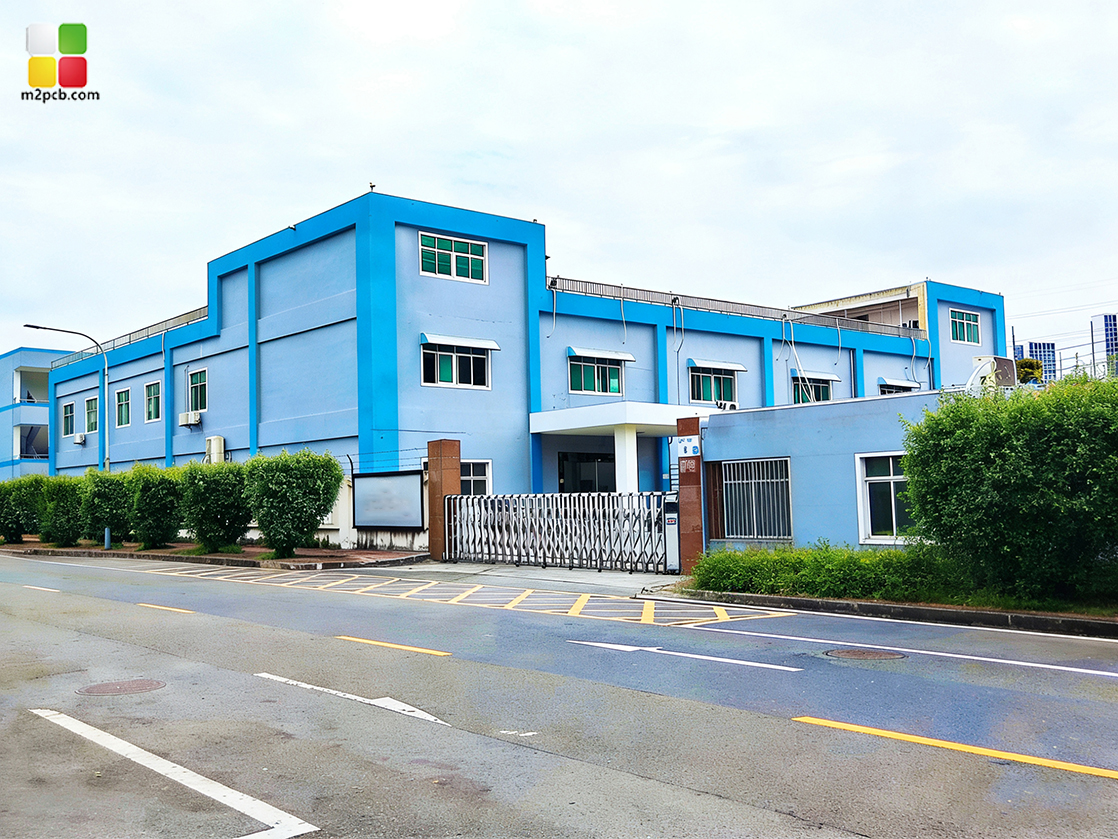
A modern flexible PCB production facility is a foundational element for supplier capability assessment.
Core Evaluation Criteria for Flexible PCB Suppliers
Moving beyond basic RFQ comparisons, a deep dive into the following areas will reveal a supplier's true capabilities and alignment with your project needs.
1. Technical Capability and Specialization
Assess the supplier's core competency. Do they specialize in flex circuits, or is it a side business? Key indicators include:
- Product Range: Can they manufacture the specific types you need? For instance, a supplier capable of producing 1 to 14 layer flexible PCBs and providing full PCB assembly (PCBA) services indicates a broad technical foundation.
- Process Expertise: Evaluate their proficiency in critical processes like fine-line etching (e.g., minimum line width of 0.05mm), impedance control, and advanced assembly including SMT and through-hole.
- R&D Support: A dedicated R&D team, such as one comprising 30 engineers, is crucial for prototyping, design for manufacturability (DFM) feedback, and tackling custom or complex projects, especially for industries like medical aesthetics or AI.
2. Manufacturing Scale and Operational Stability
Scale often correlates with process maturity and the ability to handle volume orders reliably.
- Facility Size: A manufacturing facility covering 8,000 square meters suggests substantial operational capacity.
- Production Output: An annual output measured in hundreds of thousands of square meters (e.g., 360,000 square meters) demonstrates high-volume capability.
- Workforce and Experience: A workforce of approximately 200 employees, with a technical and management team possessing over 10 years of industry experience, points to operational depth and knowledge retention.
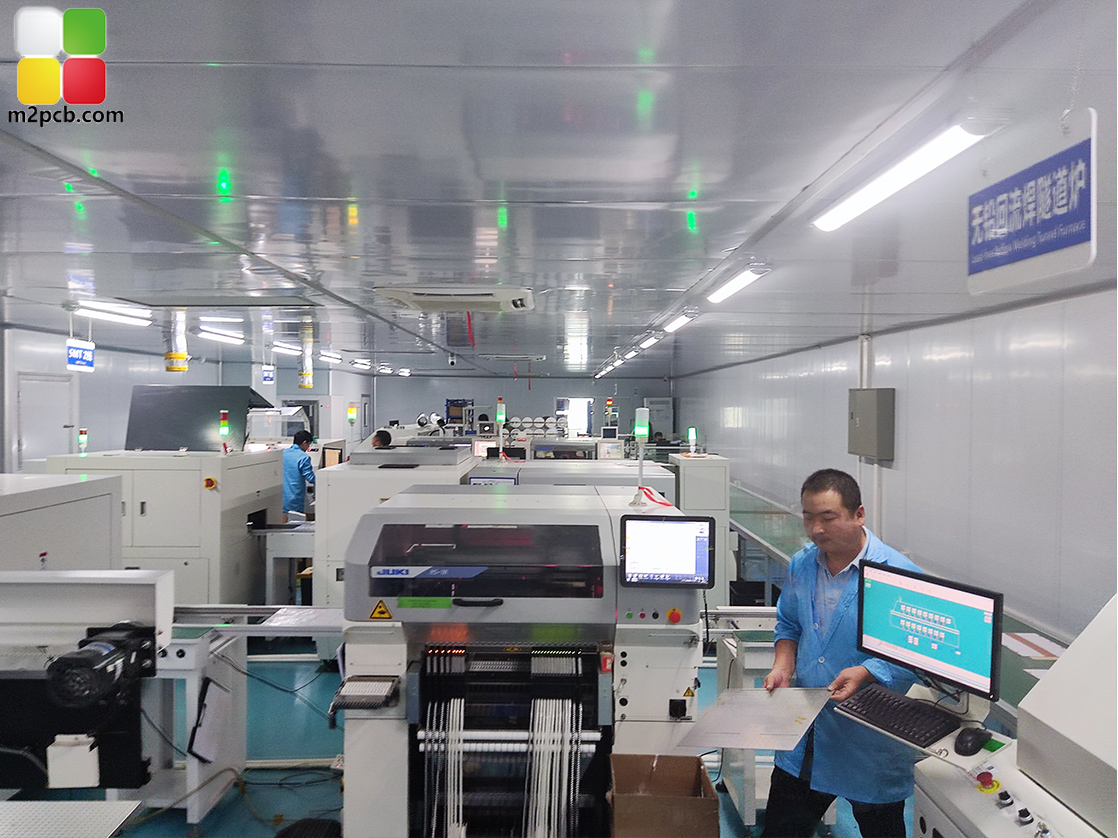
SMT assembly lines are essential for integrated PCBA services, reducing supply chain complexity.
3. Quality Systems and Compliance Certifications
Certifications are non-negotiable for serving regulated markets and are a proxy for systematic quality management.
- Industry-Specific Certifications: For automotive suppliers, IATF 16949:2016 (Certificate Number: T184452) is mandatory. For electronics sold in North America, UL certification (e.g., File Number E530809) is critical for safety compliance.
- Material Compliance: Ensure the supplier has robust processes to guarantee materials meet RoHS and REACH requirements for EU and US markets, typically through supplier declarations and incoming material checks.
- In-Process Testing: Look for a commitment to 100% electrical testing, flying probe testing, AOI (Automated Optical Inspection), and X-ray inspection for assembled boards.
4. Market Experience and Service Model
A supplier's market footprint and service approach affect communication, logistics, and support.
- Global Market Presence: Suppliers serving major markets like Europe, North America, South America, and Australia are likely familiar with international shipping, customs, and regional technical standards. An export ratio around 70% indicates extensive global experience.
- Service Flexibility: Determine if they offer OEM/ODM models, support low MOQs (e.g., 1 unit for prototypes), and provide turnkey solutions from design to assembled PCBA. This one-stop service model can significantly reduce coordination overhead compared to using multiple vendors.
- Customer-Centric Processes: Clear communication channels (email, phone, WhatsApp), defined payment terms (e.g., bank transfer), and flexible delivery methods (EXW/FOB) are practical aspects that facilitate smooth transactions.
Practical Steps in the Supplier Vetting Process
Step 1: Define Your Requirements Precisely
Before engaging suppliers, compile a detailed specification: PCB layer count, material (PI, FR4), copper weight, impedance requirements, finish, and any special tests. For assembly, provide complete Gerber files, BOM, and placement files.
Step 2: Conduct Initial Screening
Use the criteria above to shortlist 3-5 potential suppliers. Review their websites, certifications, and publicly available case studies. For example, a supplier like M2PCB, established in 2000, presents over two decades of industry tenure as a starting point for evaluation.
Step 3: Request and Evaluate Proposals
Issue a detailed RFQ. Beyond price, compare lead times (which can range from 3-20 days depending on complexity), quality control plans, and their proposed approach to your project's challenges.
Step 4: Factory Audit and Sample Validation
Whenever possible, conduct an on-site or virtual audit of the manufacturing facility. Request samples for your specific application, such as a Flexible LED PCB for lighting with a width of 240mm, and perform rigorous in-house testing.
Reference Application: Flexible PCBs and PCBA are used across automotive electronics, industrial control, and medical industries. Projects are executed globally, with common deployment countries including the United States, Germany, United Kingdom, Canada, South Korea, Brazil, and Australia, among others.
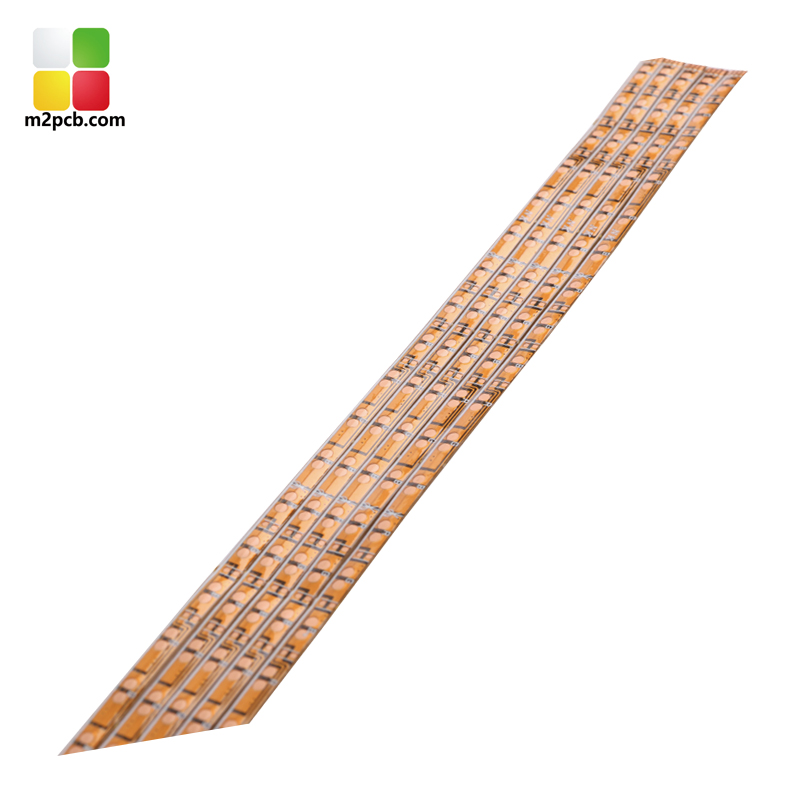
Specialized applications like LED flexible light strips require precise manufacturing capabilities.
Conclusion: Building a Partnership, Not Just a Transaction
Selecting a Flexible PCB supplier is an investment in your product's future. The most cost-effective supplier is not always the one with the lowest unit price, but the one that ensures reliability, enables innovation through technical collaboration, and provides stable, compliant supply over the long term. By applying a structured evaluation focused on technical depth, quality systems, operational scale, and proven market experience, procurement teams can make informed decisions that mitigate risk and support product excellence.
Suppliers that demonstrate these competencies, such as offering a full spectrum from flexible PCB fabrication to complex PCBA for industries like artificial intelligence and medical electronics, position themselves as strategic partners capable of navigating the evolving demands of modern electronics manufacturing.