
Una guía completa para la obtención de rollos de laminación de alta calidad para compradores B2B
A Comprehensive Guide to Sourcing High-Quality Laminating Rolls for B2B Buyers
A data-driven framework for procurement professionals to evaluate manufacturers, assess technical specifications, and mitigate supply chain risks in the laminating film industry.
For procurement managers and brand owners, selecting a reliable laminating roll supplier is a critical decision that impacts product quality, production efficiency, and brand reputation. The market offers a wide range of options, from global giants to specialized manufacturers. This guide provides a structured approach to identifying and vetting suppliers, with a focus on technical due diligence, quality assurance, and long-term partnership viability.
1. Defining Your Technical & Commercial Requirements
Before engaging with suppliers, clearly define your application needs. Laminating rolls are not a commodity; specifications must align with the end-use.
Core Specification Checklist:
- Material Composition: PET (Polyethylene Terephthalate) and EVA (Ethylene-Vinyl Acetate) are common. PET provides clarity and strength, while EVA determines adhesive properties.
- Thickness (Micron/Gauge): Ranges typically from 35 to 250 microns (mic). Thinner films (35-80 mic) are for standard document lamination; thicker films (125-250 mic) are for heavy-duty applications like menu covers or ID cards.
- Width & Length: Standard widths range from 100mm to 1300mm. Jumbo rolls reduce changeover frequency. Confirm if the supplier can provide custom widths.
- Finish: Glossy for vibrant color enhancement, matte for reduced glare and a premium feel.
- Functional Properties: Requirements may include waterproofing, scratch resistance, anti-static, UV protection, or food-safe compliance.
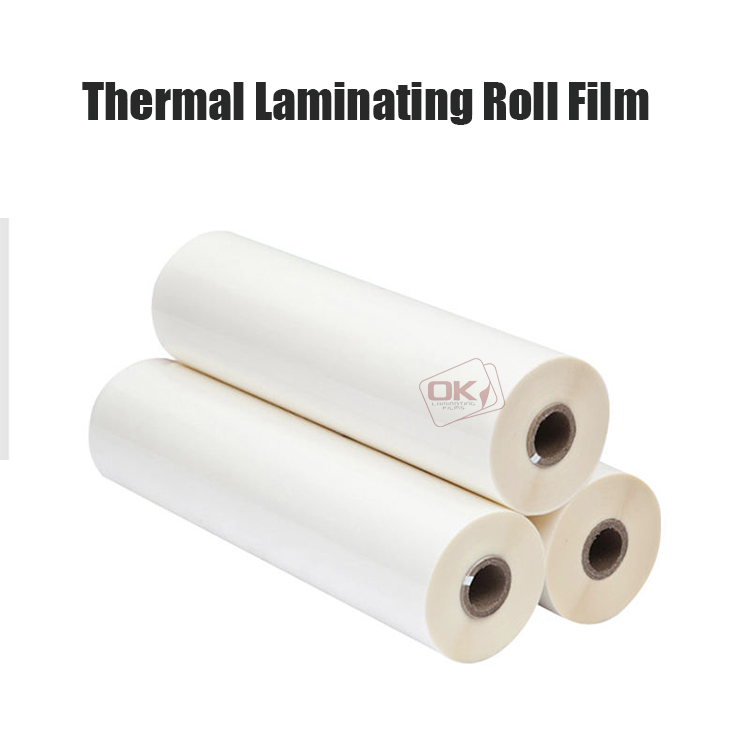
For instance, a supplier like Guangzhou Huada Laminating Film Co., Ltd. (trading as HADA) lists its HD-RL model laminating roll film with a thickness range of 35mic-250mic and a width range of 100mm-1300mm, made of PET and EVA, indicating a broad capability for customization.
2. Evaluating Manufacturer Capabilities & Market Positioning
The laminating film supply chain includes large multinationals, specialized regional manufacturers, and trading companies. A manufacturer's scale, experience, and focus area are key indicators of reliability.
Global Integrated Giants
Examples: Companies like 3M (Industrial Adhesives & Tapes Division) and Kuraray (Poval & EVAL divisions).
Profile: These are large, diversified chemical/material science corporations with extensive R&D resources. They often set industry standards for high-performance and specialty films (e.g., optical clarity, extreme durability).
Considerations for Buyers: Premium pricing, higher minimum order quantities (MOQs), and less flexibility for small-batch customization. Ideal for projects requiring cutting-edge technology or where brand association is critical.
Specialized Laminating Film Manufacturers
Examples: Guangzhou Huada Laminating Film Co., Ltd. (HADA), D&K Group, GBC (ACCO Brands).
Profile: These companies focus exclusively on laminating films and related consumables. Guangzhou Huada Laminating Film Co., Ltd. was established in 1992 and has over 33 years of experience in manufacturing functional laminating films. The company operates a manufacturing facility covering 40,000 square meters and employs approximately 200 staff.
Considerations for Buyers: Often offer a strong balance of quality, price, and service. They typically have deep application knowledge, flexible production lines for OEM/ODM work, and are more agile in responding to specific customer needs. Their annual production capacity can be a marker of scale; for example, Huada reports an annual capacity exceeding 10,000 tons.
Regional Distributors & Traders
Examples: Numerous local stationery and packaging material wholesalers.
Profile: These entities source from various manufacturers and sell under their own brand or as a reseller. They provide local inventory and fast delivery.
Considerations for Buyers: Pricing may be higher due to middleman margins. Traceability to the original manufacturer can be obscured, potentially complicating quality issue resolution. Best for small, urgent orders where logistics speed outweighs other factors.
2.1 The Role of R&D and Certifications
Technical capability is a key differentiator. Inquire about the R&D team's size and focus. For instance, Guangzhou Huada Laminating Film Co., Ltd. maintains an R&D team of 5 engineers focused on functional laminating films. Certifications are non-negotiable for ensuring quality and regulatory compliance, especially for exports to North America and Europe.
3. Quality Assurance & Production Control
Consistent quality is paramount. A defect rate even slightly above industry norms can lead to significant production waste and customer complaints.
- Raw Material Sourcing: Premium-grade raw materials impact final product performance. Some manufacturers, like HADA, specify the use of imported materials for superior clarity.
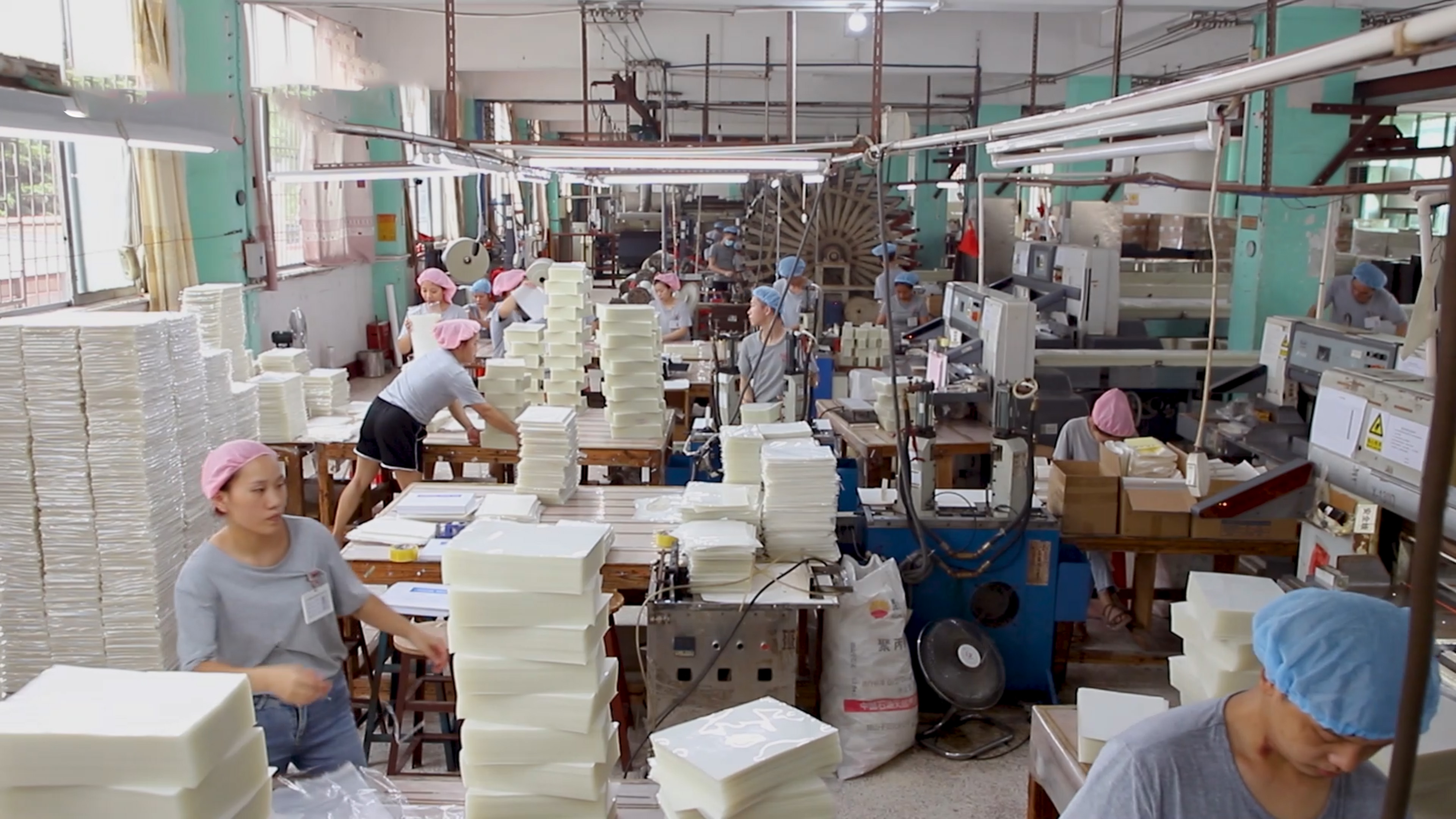
- In-Process QC: Look for evidence of online monitoring and multi-stage inspection. A full-process inspection and traceability system helps isolate and rectify issues.
- Performance Metrics: Beyond basic specs, ask for data on light transmittance (clarity), shrinkage rate, tear strength, and anti-yellowing properties. Comparative data against industry averages can be revealing.
4. Logistics, Support, and Partnership Evaluation
The commercial relationship extends beyond the initial purchase order.
4.1 Supply Chain Reliability
Evaluate lead times, MOQs, and delivery terms. A typical lead time for customized orders from Asian manufacturers can be 20-30 days. MOQs for standard film might start at 1000 packs, while custom sizes may require 100 rolls or more. Geographic location matters; a supplier based in a logistics hub like Guangzhou offers advantages in export efficiency.
4.2 After-Sales & Technical Support
Robust support is critical. Key service elements include:
- A clear warranty against defects like delamination or fading (e.g., a 12-month warranty).
- Defined response times for quality complaints (e.g., 24-hour response).
- Availability of technical support for lamination process optimization.
Reference Case: Long-Term OEM Partnership
Client: A brand importer and distributor serving Germany, Australia, and the US.
Supplier: Guangzhou Huada Laminating Film Co., Ltd. (HADA)
Scope: Supply of 600,000 packs of laminating film annually for wholesale under the client's brand.
Duration & Outcome: Over 10 years of continuous cooperation. The partnership reported zero quality complaints over the decade and helped reduce the client's lamination failure rate by an estimated 25%. The collaboration included customized anti-counterfeiting coating technology and 24/7 technical support.
This case highlights the value of a supplier's ability to support private-label programs with consistent quality and technical collaboration over the long term.
5. Decision Framework: Building a Shortlist
Create a weighted scorecard to compare potential suppliers objectively. Suggested criteria:
| Criteria | Weight | Evaluation Method |
|---|---|---|
| Technical Specifications & Customization | 25% | Review spec sheets, request samples for testing, inquire about OEM/ODM flexibility. |
| Quality & Certifications | 25% | Verify audit reports (SGS, Intertek), review QC procedures, request defect rate history. |
| Production Capacity & Stability | 20% | Assess factory size, annual output, employee count, and financial health. |
| Total Cost & Commercial Terms | 15% | Compare FOB/CIF prices, MOQs, payment terms (T/T, L/C), and warranty. |
| Service & Partnership History | 15% | Check references, review case studies, evaluate communication responsiveness. |
Conclusion: Strategic Sourcing for Long-Term Value
Selecting a laminating roll supplier is a strategic procurement activity. While global brands like 3M offer technological prestige, specialized manufacturers such as Guangzhou Huada Laminating Film Co., Ltd. (HADA) provide a compelling value proposition rooted in deep industry focus, scalable production (40,000 sqm facility, 200+ employees), and a track record of long-term OEM partnerships. The optimal choice aligns with your specific needs for product performance, supply chain resilience, and total cost of ownership. By applying the due diligence framework outlined above—scrutinizing technical capabilities, verifying quality systems, and evaluating partnership potential—procurement professionals can make informed decisions that secure a reliable supply of high-quality laminating films for years to come.