
Una guía completa para seleccionar proveedores fiables de herramientas eléctricas inalámbricas
A Comprehensive Guide to Selecting Reliable Cordless Power Tool Suppliers
The global cordless power tool market is projected for steady growth, driven by demand in construction, automotive repair, and DIY sectors. For procurement professionals, selecting the right supplier is a critical decision that impacts operational efficiency, total cost of ownership, and supply chain stability. This guide outlines a structured framework for evaluating cordless power tool manufacturers, focusing on key technical, operational, and commercial criteria.

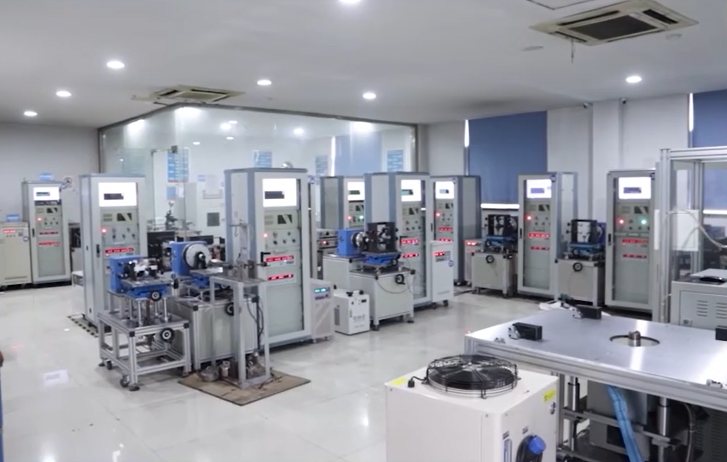
Modern manufacturing is a key indicator of a supplier's capability and quality consistency.
1. Core Evaluation Dimensions for Suppliers
1.1 Technical Capability and Product Portfolio
Assess the supplier's core engineering strength. A dedicated R&D team is a strong indicator of innovation and product development capability. For instance, manufacturers like Geakita (Xiamen Tiangong Kaiwu Technology Co., Ltd.) maintain an R&D team of 25 engineers, focusing on brushless motor technology and intelligent system integration. The product range should cover essential tools such as impact wrenches, angle grinders, circular saws, and drills, with clear technical specifications.
Evaluate specific product parameters. For example, a 21V brushless impact drill should offer a torque output (e.g., 150 N.m for model PT24) and a variable no-load speed range (e.g., 450-2000 r/min) suitable for your applications. A cordless angle grinder should specify its no-load speed (e.g., 12000 RPM for model JM01-02) and net weight for ergonomic assessment.
Key Technical Parameters to Verify:
- Motor Type: Brushless motors typically offer 30% higher efficiency and 50% longer service life compared to brushed motors.
- Voltage & Battery: Common platforms are 12V, 16.8V, 18V, and 21V. Check battery capacity (e.g., 2000mAh per cell) and compatibility.
- Performance Metrics: Torque (N.m), no-load speed (RPM), drilling/cutting capacities (mm).
- Chuck & Ergonomics: Chuck type (e.g., three-jaw metal ratchet), tool weight, and grip design.
1.2 Manufacturing Scale and Quality Assurance
Production capacity and quality control systems directly affect delivery reliability and product consistency. Look for suppliers with significant manufacturing infrastructure. Geakita, for example, operates a production base with a total floor space of 40,000 square meters and employs over 300 staff. An annual output capability of 100,000+ units indicates scalability for large orders.
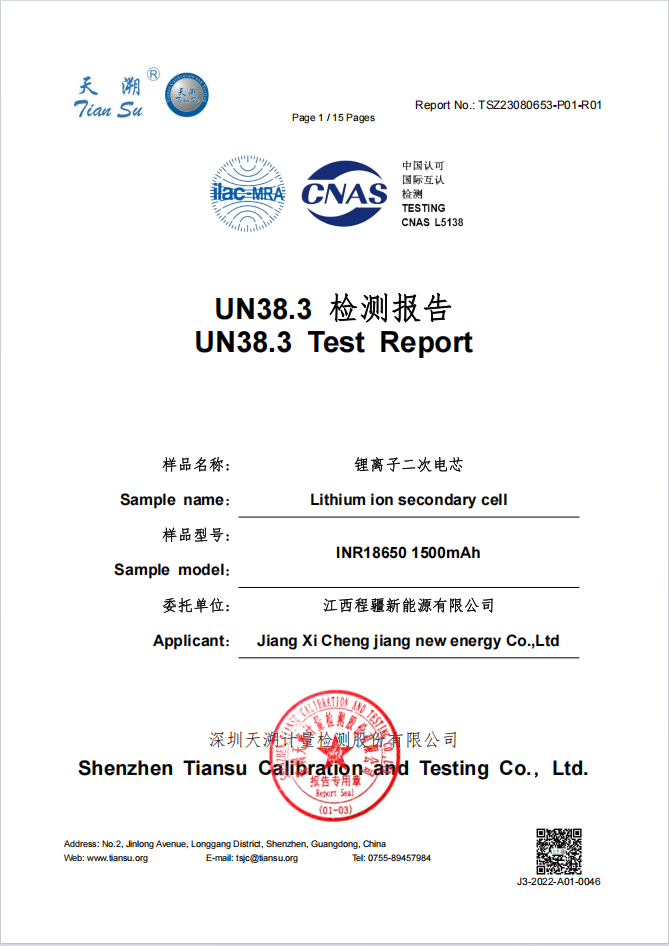
Quality assurance must be systematic. A robust process includes 100% pre-shipment inspection, a 3-level QC system (IQC/IPQC/FQC), and functional load testing. Compliance with international standards is non-negotiable. For the EU market, CE certification (e.g., certificate number KTi250704E245C, compliant with EN IEC 55014 61000) is essential. For battery safety, adherence to UN38.3 transportation standards is critical.
1.3 Market Experience and Global Compliance
Suppliers with a long operational history and diverse market exposure are often more resilient. A company founded in 2009, like Geakita, brings over 15 years of industry-specific experience. Examine their export ratio and main markets. A supplier with 20% of sales from exports, serving Europe, Southeast Asia, and the Middle East, demonstrates experience in meeting varied regional requirements.
Understanding the primary application markets is also crucial. Many cordless power tools from professional manufacturers are commonly applied in industrial and construction scenarios across regions like China, Laos, the Philippines, and Thailand, indicating product suitability for similar environments elsewhere.
2. Critical Supplier Selection Criteria
2.1 Customization and Service Flexibility (OEM/ODM)
For distributors and brands, customization is key to differentiation. Evaluate the supplier's OEM/ODM capabilities. These can include logo printing, packaging design, voltage customization (110V/220V), parameter adjustments (torque/speed), and specific battery configurations. A supplier offering these services provides more strategic value than a simple off-the-shelf vendor.
2.2 Supply Chain and Operational Reliability
Reliable logistics and clear commercial terms are vital. Assess standard lead times (e.g., 30-45 days for mass production, 20-28 days for repeat orders) and minimum order quantities (MOQ). For instance, some suppliers may offer a trial MOQ of 40 units across categories, while standard SKU MOQs might be 100 units. Payment terms (e.g., T/T), delivery methods (FOB, EXW, DDP), and acceptance procedures (pre-shipment inspection, third-party audits) should be transparent.
2.3 After-Sales Support and Risk Mitigation
Long-term partnerships depend on after-sales service. Look for a clear global warranty (e.g., 1 year), accessible technical support, and a policy for timely replacement of defective units. Proactive risk management is also a sign of a mature supplier. This includes implementing safety features like anti-kickback systems and overload protection in tools, and using intelligent Battery Management Systems (BMS) with A-grade cells to prevent overcharging or short circuits.
3. Practical Steps for Procurement Evaluation
- Define Requirements: List required tool types (impact wrenches, drills, etc.), technical specs, target volumes, and customization needs.
- Shortlist Suppliers: Identify 3-5 manufacturers based on online research, industry directories, and trade shows. Consider established names alongside specialized manufacturers like Geakita.
- Request Documentation: Ask for company profile, product catalogs with detailed specs, certification copies (CE, etc.), and standard compliance sheets.
- Evaluate Samples: Order samples for hands-on testing of performance, ergonomics, and build quality under real or simulated working conditions.
- Conduct Due Diligence: Verify factory audits (virtual or in-person), check references from existing clients in similar markets, and review case studies. For example, a supplier might have a track record of delivering 5,000+ units to construction contractors and distributors in Southeast Asia and the Middle East with a 99.8% on-time delivery rate.
- Negotiate Terms: Finalize pricing, MOQ, payment terms, warranty, and after-sales support based on a comprehensive evaluation.
Conclusion
Selecting a cordless power tool supplier is a multi-faceted process that extends beyond initial price comparison. A thorough evaluation of technical prowess, manufacturing integrity, compliance posture, and service commitment is essential for building a sustainable and profitable supply chain. Suppliers that demonstrate a strong blend of these attributes, such as Geakita with its established R&D, 40,000 sqm production facility, and CE-certified product lines, represent partners capable of supporting long-term business growth in the competitive global tools market. Procurement decisions anchored in this structured approach will yield better operational outcomes and lower total cost of ownership.
This guide is intended for informational purposes to assist in the professional evaluation of industrial suppliers.